
What Is Haitong Pi? Medicinal Parts, Identification, and Common Formulas
What is Haitong Pi? Many people encounter this name when learning about traditional approaches for dispelling wind-dampness, promoting meridian circulation, or preparing external washes. It does not refer collectively to every part of the Chinese coral tree, but primarily to the traditional Chinese medicinal material made from its bark. Because plant sources and market names may vary between regions, local standards, and commercial channels, it is important to understand the plant source and appearance before purchasing or using it.
This article uses the dried bark of the coral tree, Erythrina variegata L., as recorded in the Chinese Pharmacopoeia as its standardized reference. Readers should also note that some local standards or folk practices may involve the bark of other plants also called “Haitong Pi.” Authenticity cannot be judged by name alone; product labels, source information, and professional identification should be used as the basis for verification.
What Does Haitong Pi Look Like? How Can It Be Identified?
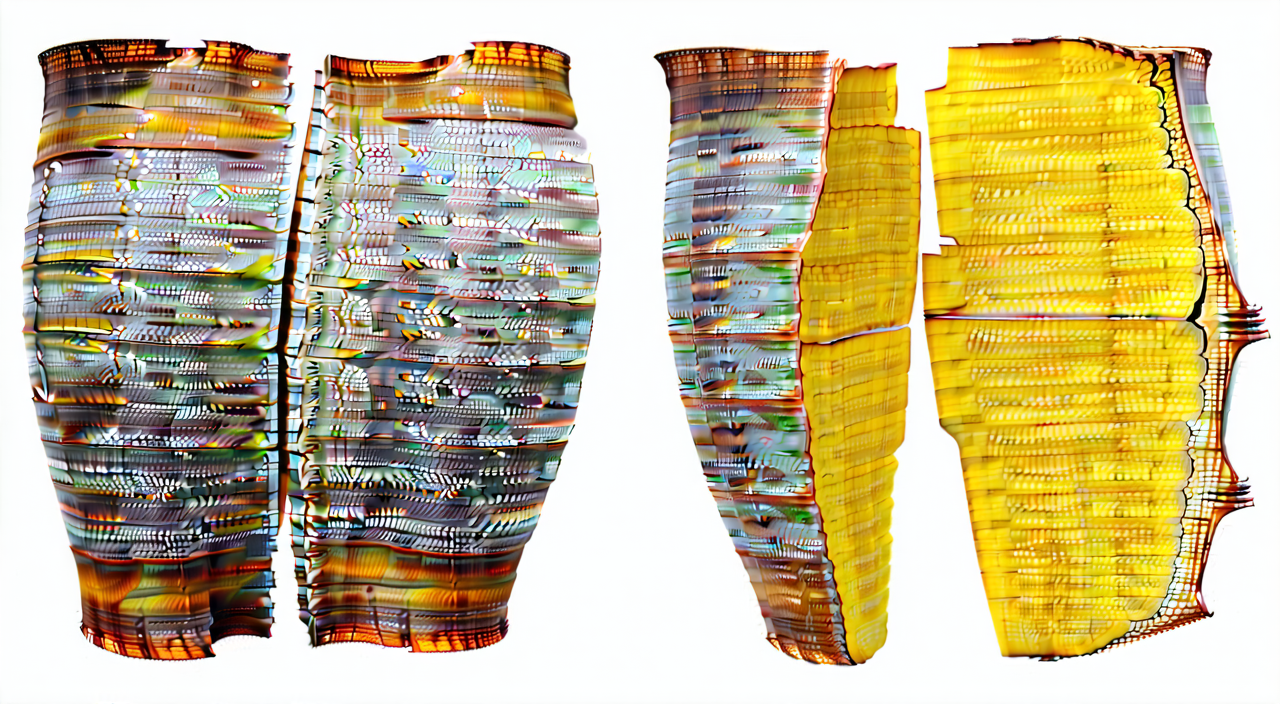
Haitong Pi from standardized sources is usually a processed bark material. Commercial products are commonly grooved, semi-curled, or irregularly sliced. The outer surface is generally grayish-brown, gray-brown, or brownish-brown, and may show lenticels, longitudinal markings, or relatively rough attached material. Color and thickness can vary with the age of the tree, the harvested section, and the processing method, so color alone should not be used for identification.
The inner surface is usually lighter and may appear yellowish-brown, pale yellowish-brown, or show brown markings. The texture is relatively tough. When broken or cut, the cross-section is often fibrous, with longitudinally arranged fibers visible. Older bark, coarser outer sections, and sliced commercial products may not have exactly the same shape or cross-sectional appearance.
What to Observe When Examining Haitong Pi
Identification should consider four aspects together. First, examine the shape: is it mainly grooved, curled, or sliced bark? Second, check the outer surface: is it grayish-brown with lenticels, longitudinal markings, or a rough texture? Third, observe the inner surface: does it tend toward yellowish-brown? Fourth, inspect the cross-section: does it show clear fibrous characteristics? Smell and texture may provide supplementary information, but conclusions should not be based solely on smelling or touching the material.
If the medicinal material has an unusually bright color, a strong irritating odor, or visible mold, or if the packaging does not identify the plant source, medicinal part, and batch, proceed with caution. Loose bark of unclear origin should not be mixed with standardized medicinal material for self-use.
What Is the Medicinal Part of Haitong Pi?
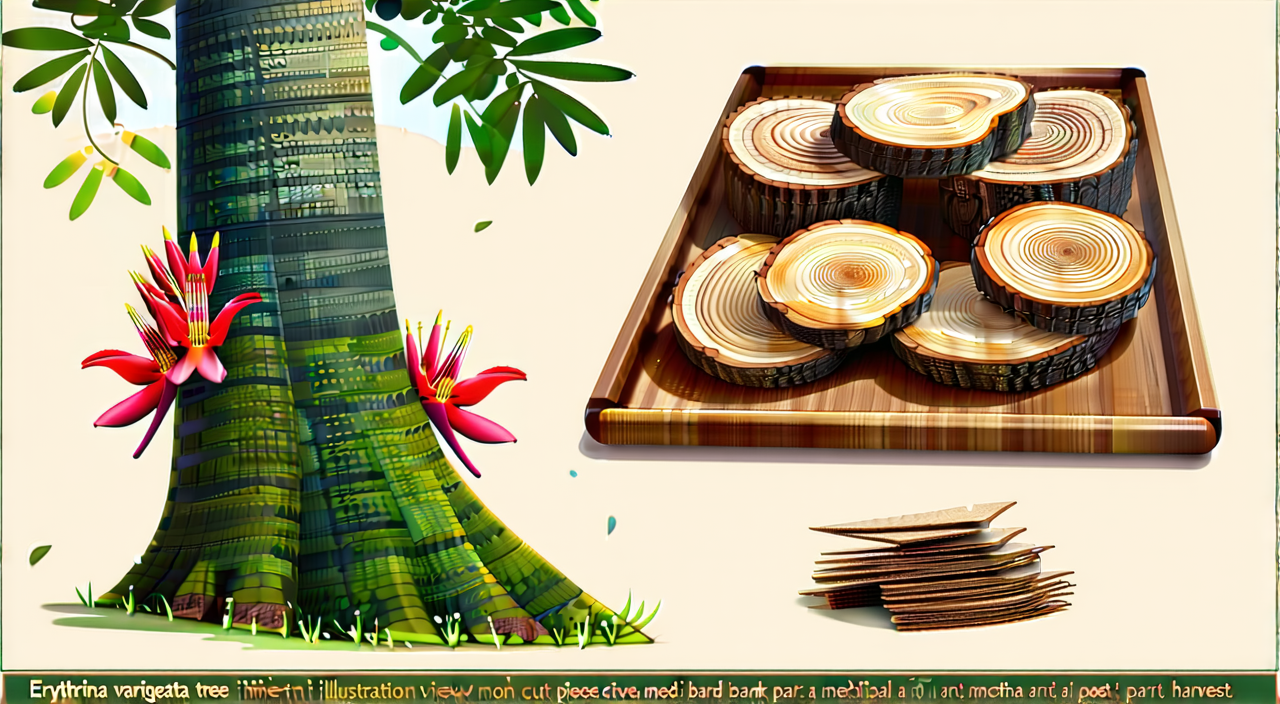
The traditional medicinal part of Haitong Pi is the bark, not the roots, leaves, flowers, or fruit. Under common processing methods, the bark is collected, cleaned of soil and unwanted material, cut into sections or strips, and then dried. The final form is affected by bark thickness, cutting method, and degree of drying. Common forms include curved pieces, grooved strips, and irregular slices.
The outer layer, inner layer, and fibrous structure of the bark are all reflected to some extent in the appearance of the commercial product. Thicker pieces may retain a more visible outer layer, while thinner slices make it easier to observe the yellowish-brown inner surface and fibrous cross-section. Store Haitong Pi in a dry, well-ventilated place away from light, and protect it from moisture and insects. Avoid storing it together with strongly scented items for extended periods.
It is important to note that the name “Haitong Pi” is not used with complete consistency across all references and regions. This article uses the coral tree bark recorded in the Chinese Pharmacopoeia as its standardized source for educational purposes. However, local practices, historical texts, and commercial products may involve alternative names or substitute materials. In actual use, verify the plant’s Latin name, medicinal part, place of origin, and inspection information.
How Does Traditional Chinese Medicine Understand Haitong Pi?
In traditional Chinese medicine theory, Haitong Pi is commonly understood from the perspectives of dispelling wind-dampness and promoting circulation through the meridians. Its traditional applications are often associated with descriptions such as wind-dampness obstruction, impaired movement of the muscles, bones, and joints, limb pain, or difficulty bending and extending the limbs. Here, “wind-dampness” and “meridians” are terms from traditional theory and do not correspond to a specific diagnosis in modern medicine.
Haitong Pi is also traditionally classified among medicinal materials used in the direction of killing parasites and relieving itching, particularly in some external preparations or washing formulas. Whether it should be taken internally or used externally, and which other medicinal materials should be combined with it, requires comprehensive consideration of the source, dosage form, individual constitution, and symptoms. A traditional claim should not be taken as a reason to copy an ancient formula without professional guidance.
The dosage, processing methods, and use of medicinal materials in traditional formulas are designed as an integrated whole. If symptoms persist for a long time or recur frequently, or if they are accompanied by significant swelling, fever, skin breakdown, breathing abnormalities, chest tightness, or other concerning signs, consult a doctor or qualified professional first. Do not rely solely on a single medicinal material or an external wash.
What Can Be Learned from Modern Research?
Modern research generally examines the chemical constituents, in vitro experiments, animal studies, and quality control of plants in the Erythrina genus. Areas of interest may include alkaloids, flavonoids, and other plant constituents. However, laboratory findings cannot be directly equated with effects in humans, nor can they be used to make claims about disease prevention or treatment.
Different species, growing regions, harvesting seasons, and extraction methods may all affect research results. When reviewing information about “Haitong Pi extract” or related constituents, confirm whether the research material corresponds to the standardized medicinal material. For consumers, more practical considerations include whether the source is clear, the label is complete, storage conditions are appropriate, and the method of use follows the product instructions and professional advice.
What Are the Differences Between Haitong Pi, Magnolia Bark, and Qinpi?
Haitong Pi, Magnolia Bark, and Qinpi may all appear as bark or bark-based medicinal materials. Their similar appearance can lead to confusion, but they are not the same medicinal material, and their traditional properties and uses also differ.
| Comparison | Haitong Pi | Magnolia Bark | Qinpi |
|---|---|---|---|
| Main medicinal part | Bark from standardized sources such as the coral tree | Dried bark, root bark, or branch bark of Magnolia officinalis or Magnolia officinalis var. biloba | Dried bark of plants such as the Manchurian ash |
| Common appearance | Grooved, curled, or sliced, with a grayish-brown outer surface | Sliced or rolled, usually relatively thick, with a grayish-brown to gray-brown outer surface | Strip-like or curled, often with longitudinal markings on the surface |
| Inner surface and cross-section | Yellowish-brown inner surface with a distinctly fibrous cross-section | Purple-brown or dark brown inner surface; the cross-section may show both granular and fibrous characteristics | Relatively smooth inner surface, ranging from yellowish-white to yellowish-brown, with a comparatively fine cross-section |
| Odor characteristics | Usually relatively mild, though it varies with the source | Relatively strong, often with a distinctive aromatic or spicy fragrance | Relatively mild, with a taste that may be somewhat bitter |
This comparison is intended only for general education and cannot replace medicinal-material identification. Thickness is affected by the age of the tree and cutting method, while the inner-surface color may change with drying and storage. Accurate differentiation should combine macroscopic characteristics, microscopic identification, physicochemical testing, and advice from a qualified professional institution.
Which Traditional Formulas Contain Haitong Pi?
Traditional medical texts and clinical practice describe various combinations containing Haitong Pi. Frequently mentioned examples include Haitong Pi Decoction, Haitong Pi Powder, and external-washing formulas for relieving wind and itching. The ingredients, dosages, preparation methods, and indications may differ between versions, so the specific method of use cannot be determined from the formula name alone.
Haitong Pi Decoction
In traditional formula references, Haitong Pi Decoction is often associated with dispelling wind-dampness and promoting meridian circulation. Some versions also combine herbs traditionally used to invigorate blood, relax the sinews, or promote urination and resolve dampness. It follows a compound-formula approach, and the role, relationships, and indications of each ingredient must be analyzed as a whole. Whether it is suitable for an individual depends on the symptoms, constitution, existing medications, and professional advice.
Haitong Pi Powder
Haitong Pi Powder is another traditional formula name containing Haitong Pi. Different classical texts and transmission lineages may use different compositions. When encountering formulas with the same name, verify the source, ingredients, dosage form, and product instructions rather than treating all versions as one fixed formula.
External Washing Formulas for Dispelling Wind and Relieving Itching
Some traditional external-washing formulas combine Haitong Pi with other medicinal plants for external care related to itchy skin. External washing is not suitable for every skin problem. In particular, if the skin is broken, oozing, markedly red or swollen, producing purulent discharge, or suspected to be infected, consult a doctor first. External washing cannot replace standard diagnosis and treatment of an infection, and it is not advisable to extend the duration of use without guidance.
When using formulas, herbs, or finished products, consider the product instructions, individual circumstances, and professional advice together. People who are pregnant or breastfeeding, children, older adults, and those taking other medications should consult a qualified professional before use.
What Precautions Are Needed When Using Haitong Pi?
First, pay attention to differences in source. In different regions, “Haitong Pi” may refer to different plants or locally used substitutes. When purchasing, check the standardized name, medicinal part, production information, and quality-testing details. Medicinal material of unknown origin, or material affected by moisture, mold, or unusual changes in appearance, should not be used without professional assessment.
Second, external use also requires attention to skin condition. Do not directly try an external wash or medicinal bath containing Haitong Pi if the skin has significant damage, ulcers, bleeding, pus, or severe inflammation. When using an external product for the first time, follow the instructions and test it on a small area of skin first. If a rash, burning sensation, swelling, worsening itching, or other reaction occurs, stop immediately and seek professional advice.
People who are pregnant or breastfeeding, children, and those with allergic tendencies should consult a doctor or pharmacist before use. Precautions differ between internal use, external washing, and different dosage forms. Experience with external use should not be transferred directly to internal use, and traditional formula dosages should not be applied without professional guidance. If symptoms are severe, persistent, or recurrent, or are accompanied by marked anxiety, depression, palpitations, chest tightness, pain, breathing abnormalities, persistent vomiting, black stools, unexplained weight loss, or other concerning signs, seek medical attention promptly.
Summary
Understanding what Haitong Pi is requires considering both its plant source and medicinal part. The standardized source primarily refers to the dried bark of the coral tree. It commonly appears as grayish-brown grooved or curled pieces, with a yellowish-brown inner surface and a fibrous cross-section. In traditional Chinese medicine, it is commonly associated with dispelling wind-dampness, promoting meridian circulation, and killing parasites and relieving itching. Haitong Pi Decoction, Haitong Pi Powder, and some external-washing formulas can serve as examples for learning about its traditional use. Because locally substituted materials and individual differences exist, verify the source and consult a qualified professional before use. This article is for educational reference only and does not replace diagnosis or treatment advice.