
What Is He Shou Wu? Medicinal Parts, Identification, and Common Formulas
When mentioning He Shou Wu, many overseas readers associate it with its traditional connections to hair and the liver and kidney. However, what plant is He Shou Wu exactly, which part is used medicinally, how to identify it, and how it differs from processed He Shou Wu are often confusing questions for beginners. This article provides a relatively systematic Chinese medicine reference on the origin, appearance, medicinal part, TCM understanding, common formulas, and safety considerations of He Shou Wu, for those who wish to learn about this herb.
What Does He Shou Wu Look Like? How to Identify It?
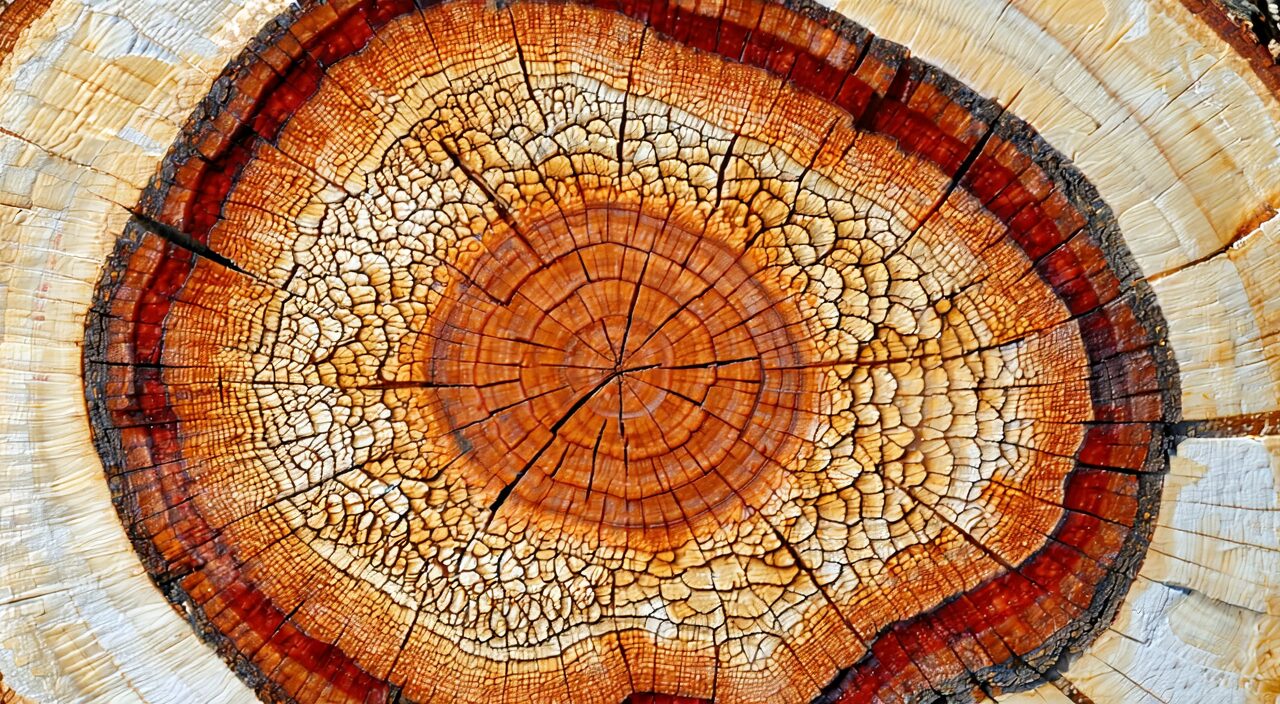
The appearance of He Shou Wu often makes first-time viewers think of an irregular reddish-brown “clod of earth.” In fact, this is its most typical medicinal part — a tuberous, lumpy root.
Intact or large He Shou Wu roots often appear in irregular fusiform or lumpy shapes, with a reddish-brown or auburn surface marked by conspicuous wrinkled textures and longitudinal furrows. Some surfaces also show lenticel-like transverse projections. When cut or broken, the cross-section reveals a highly distinctive feature: scattered over the pale yellowish-brown or light reddish-brown surface are several “cloud-brocade patterns” formed by anomalous vascular bundles, resembling clouds or silk veins, which is a key point for identification. In addition, a distinct woody core can usually be seen in the center of the cross-section.
In terms of appearance, some yam (Dioscoreaceae) tubers or other plant roots and rhizomes can be mistaken for He Shou Wu, but they usually lack the typical cloud-brocade patterns. Therefore, when observing in the wild or in herbal markets, the combined features of a lumpy shape, reddish-brown skin, cloud-brocade pattern, and woody core can aid identification. Of course, in daily life if you only encounter sliced pieces or powder, identification becomes much more difficult; it is recommended to obtain it through reliable channels and to check the scientific name and origin information on the packaging.
What Is the Medicinal Part of He Shou Wu?
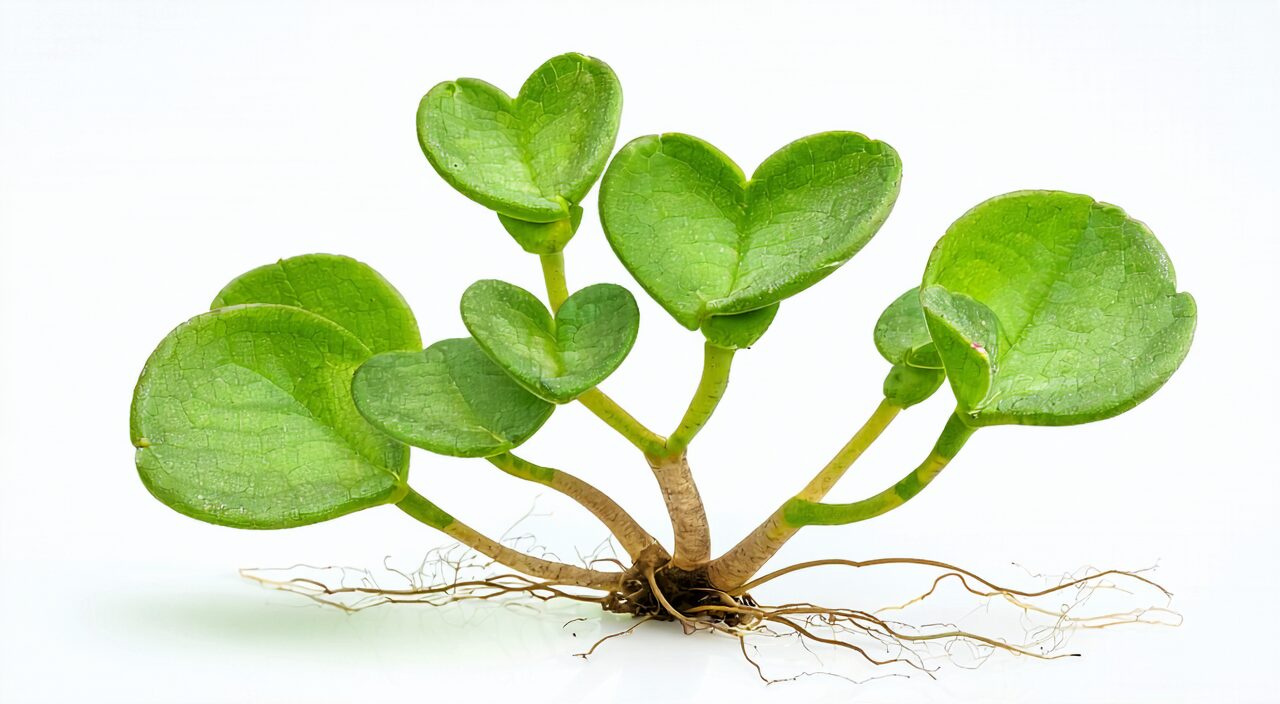
The medicinal part of He Shou Wu is primarily its dried tuberous root, i.e., the reddish-brown, irregularly shaped root mentioned above.
Traditionally, harvesting occurs in autumn and winter when the leaves wither; the roots are dug up, cleaned of soil and fibrous roots. Depending on the subsequent processing direction, two forms of the herb with very different traditional applications are produced. One is obtained by directly slicing or cutting the root and drying it, yielding raw He Shou Wu. The other, processed He Shou Wu, is made through repeated steaming and drying, or by processing with adjuvants such as black bean juice. In Chinese pharmacies or related products, common He Shou Wu decoction pieces are often irregular thick slices or small cubes, with a reddish-brown or brown surface, and the cloud-brocade pattern and woody core can still be seen on the cut surface.
It is important to note that raw He Shou Wu and processed He Shou Wu are understood quite differently in traditional use and cannot be substituted for each other. Raw He Shou Wu is traditionally more associated with “unblocking” and “dispersing,” while processed He Shou Wu is more oriented toward “tonifying” and “nourishing.” Therefore, being clear about which processed form you are using is rather crucial.
How Does Traditional Chinese Medicine Understand He Shou Wu?
In traditional Chinese medicine theory, He Shou Wu is generally described as bitter, sweet, and astringent in flavor, slightly warm in nature, and enters the liver and kidney meridians. However, TCM adopts clearly different approaches for the raw and processed forms.
The traditional applications of raw He Shou Wu are more directed toward detoxifying, resolving abscesses, arresting malaria, and moistening the intestines to relieve constipation. For instance, in certain situations, ancient practitioners used raw He Shou Wu to treat sores, abscesses, and scrofula, or for protracted malaria accompanied by deficiency of qi and blood. At the same time, due to its intestine-moistening property, it was also traditionally considered for dry-intestine constipation.
Processed He Shou Wu, after being prepared, has a reduced intestine-moistening effect and a relatively enhanced tonifying property. Traditionally, it is used more as a regulating approach to tonify the liver and kidney, replenish essence and blood, strengthen bones and sinews, and darken prematurely grey hair. TCM often includes it in formulas aimed at conditions such as premature greying of the hair and beard, soreness and weakness of the lower back and knees, dizziness and tinnitus, and blood-deficiency sallow complexion. Of course, these understandings are based on traditional experience and pattern differentiation; whether they suit an individual situation still requires assessment of one’s constitution and symptoms.
What Components and Effects of He Shou Wu Are Focused on in Modern Research?
Modern research on He Shou Wu primarily revolves around its constituents such as stilbene glycosides, anthraquinones, and phospholipids. Among them, stilbene glycoside is often regarded as one of the marker components and has been observed in experimental studies to possess biological activities such as antioxidant and blood lipid regulation. Anthraquinone components are associated with intestinal peristalsis to some degree, which echoes the traditional understanding of raw He Shou Wu’s ability to moisten the intestines and relieve constipation.
Meanwhile, some studies have also looked at the effects of He Shou Wu on hair follicles, melanocytes, and other aspects, but these are mostly in vitro or animal experiments, and there is still quite a distance from definitive conclusions in humans. It should be emphasized that experimental research cannot be equated with clinical efficacy, and cell or animal study results should not be directly presented as actual regulating effects in humans.
It is worth noting that in recent years there has been considerable discussion about the safety of He Shou Wu, especially the risk of liver injury. Current research tends to consider that this is related to multiple factors such as processing methods, dosage, and individual differences. Therefore, it is not advisable to casually use He Shou Wu powder or unprocessed raw He Shou Wu as a daily health product on one’s own.
What Are the Differences Between He Shou Wu and Similar Herbs?
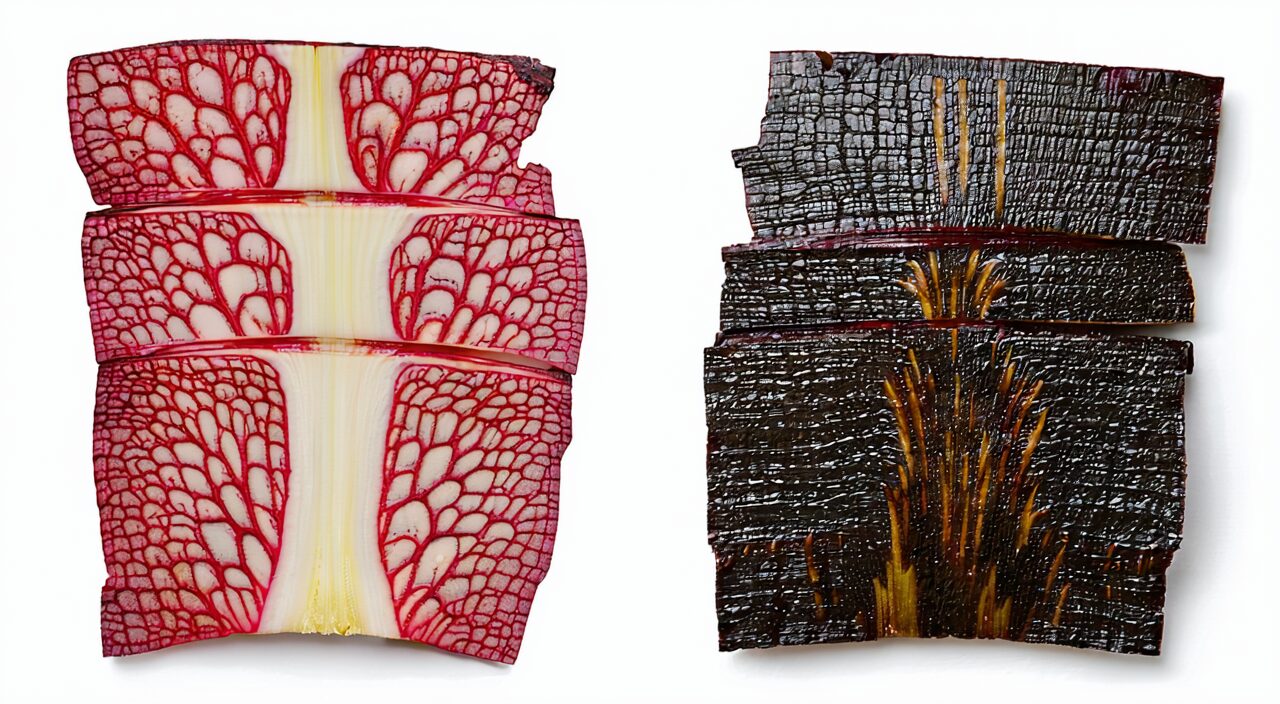
The most important distinction is between He Shou Wu and processed He Shou Wu. Many people mistakenly think they are the same thing just with different names, but in fact, although they share the same origin, the processing methods and traditional application directions have changed.
In terms of source, both He Shou Wu and processed He Shou Wu come from the tuberous root of the Polygonaceae plant Fallopia multiflora. The difference is that processed He Shou Wu is produced by steaming or simmering with adjuvants (traditionally black bean juice) and then drying. In appearance, processed He Shou Wu is usually darker, blackish-brown or brownish-black, and more compact; the cut surface often has a horny luster. The cloud-brocade pattern is still visible but blends into the dark background, not as contrasting as in the raw form.
In terms of traditional application emphasis, raw He Shou Wu is often used for detoxifying, arresting malaria, and moistening the intestines to relieve constipation, whereas processed He Shou Wu leans toward tonifying the liver and kidney, replenishing essence and blood, and darkening prematurely grey hair. If the two are mixed up, it may not only fail to achieve the desired effect but also bring unnecessary burden. Therefore, when choosing related products, it is advisable to read the description carefully, confirm whether it is raw or processed He Shou Wu, and make a judgment based on your individual situation.
Which Formulas Use He Shou Wu?
In traditional Chinese medicine, formulas containing He Shou Wu are not rare. The most well-known ones are He Shou Wu Pill (He Shou Wu Wan), Shou Wu Tablets (Shou Wu Pian), and Qibao Meiran Dan (Seven Treasures Beautiful Beard Pill). The He Shou Wu in these formulas is usually processed He Shou Wu, to exert its nourishing effect.
He Shou Wu Pill is recorded in many classical texts. Although the compositions vary, the core idea often revolves around tonifying the liver and kidney and replenishing essence and blood. It is traditionally used for conditions such as prematurely grey hair and beard, dizziness, blurred vision, and soreness and weakness of the lower back and knees caused by liver-kidney deficiency. Shou Wu Tablets are a more common modern patent medicine form, whose formulation ideas also largely reference He Shou Wu Pill, making long-term use convenient. Nevertheless, their selection should still be based on an understanding of your own constitution.
Qibao Meiran Dan is another classical formula. In addition to processed He Shou Wu, it includes herbs such as Tusizi (dodder seed), Gouqizi (goji berry), Buguzhi (psoralea fruit), Danggui (Chinese angelica root), and Niuxi (achyranthes root). Traditionally it focuses on tonifying the liver and kidney, darkening hair and beard, and strengthening bones and sinews. In this formula, He Shou Wu is used in a relatively large amount and usually serves as the chief ingredient, aiming to concentrate on replenishing the liver-kidney essence and blood.
It should be noted that although these formulas have a relatively broad traditional indication range, each formula differs in composition and emphasis, and targets specific constitution and symptom patterns. Before choosing, the ideal approach is to understand your own cold-heat and deficiency-excess patterns, and make a comprehensive judgment by combining product instructions and professional advice, rather than using a formula directly just because a certain symptom seems similar.
What Precautions Should Be Taken When Using He Shou Wu?
Precautions for using He Shou Wu are an aspect that should not be absent from current public education, especially content related to the risk of liver injury.
Whether raw or processed He Shou Wu, multiple cases of associated liver injury have been reported internationally, attracting the attention of drug regulatory authorities in various countries. The current view tends to be that the occurrence of liver injury is related to multiple factors such as individual constitutional sensitivity, dosage, duration of use, and whether the processing is fully carried out. Therefore, raw and processed He Shou Wu cannot be used interchangeably, and neither is recommended for long-term self-administration as an ordinary health supplement.
In actual use, several groups need to be particularly cautious. For example, those with pre-existing abnormal liver function or a history of liver disease, as well as those taking other medications that may affect the liver, should actively consult a doctor rather than adding He Shou Wu on their own. If unexplained fatigue, loss of appetite, darkened urine, yellowing of the sclera or skin occur, the user should stop taking it immediately and seek medical help. In addition, due to limited safety data, children, pregnant women, and breastfeeding women are traditionally advised to avoid its use.
The general principle is to regard He Shou Wu as a Chinese herbal medicine with distinct medicinal properties, not as an everyday dietary ingredient. Even when used under professional guidance, it should be taken at a reasonable dose and for an appropriate period of time, with close observation of the body’s response.
Summary
As a Chinese herbal medicine with relatively high recognizability, He Shou Wu’s key identifying features are its lumpy, reddish-brown root, cloud-brocade pattern on the cross-section, and woody core. The medicinal part is the dried tuberous root, and there are clear differences in processing methods and traditional application directions between the raw and processed forms, which must not be confused. Although there are many traditional formulas containing processed He Shou Wu, it is crucial to understand your own constitution and safety information before use, especially the potential risk of liver injury. This article is for reference only and is not a substitute for professional diagnosis or treatment advice. Specific use should take into account individual circumstances and the judgment of a professional.