
What Is Huzhang? Medicinal Parts, Identification, and Common Formulas
Many people first hear about “Huzhang” when learning about dampness elimination, blood circulation, or resveratrol. However, the Huzhang herb itself is not the same thing as the resveratrol supplements promoted online. Huzhang is the dried rhizome and root of the Polygonaceae plant Huzhang. After harvesting, slicing, and drying, it is used as a traditional Chinese medicinal herb. To understand what Huzhang is, it is important to first consider its botanical source, appearance, and medicinal parts, and then interpret it in light of traditional applications and modern research. It should not be identified solely on the basis of claims about one particular constituent.
What Does Huzhang Look Like? How Can It Be Identified?
Appearance of the Plant and Herbal Material
Huzhang is a perennial herb that grows wild or is cultivated in relatively moist environments. The stem of the fresh plant is usually fairly upright, with spots or markings visible on its surface. Its leaves are relatively broad, and its overall form differs from that of ordinary herbaceous plants. However, the material commonly found in herbal medicine shops or as prepared Chinese herbal slices is usually no longer the intact plant, but processed slices of its rhizomes and roots.
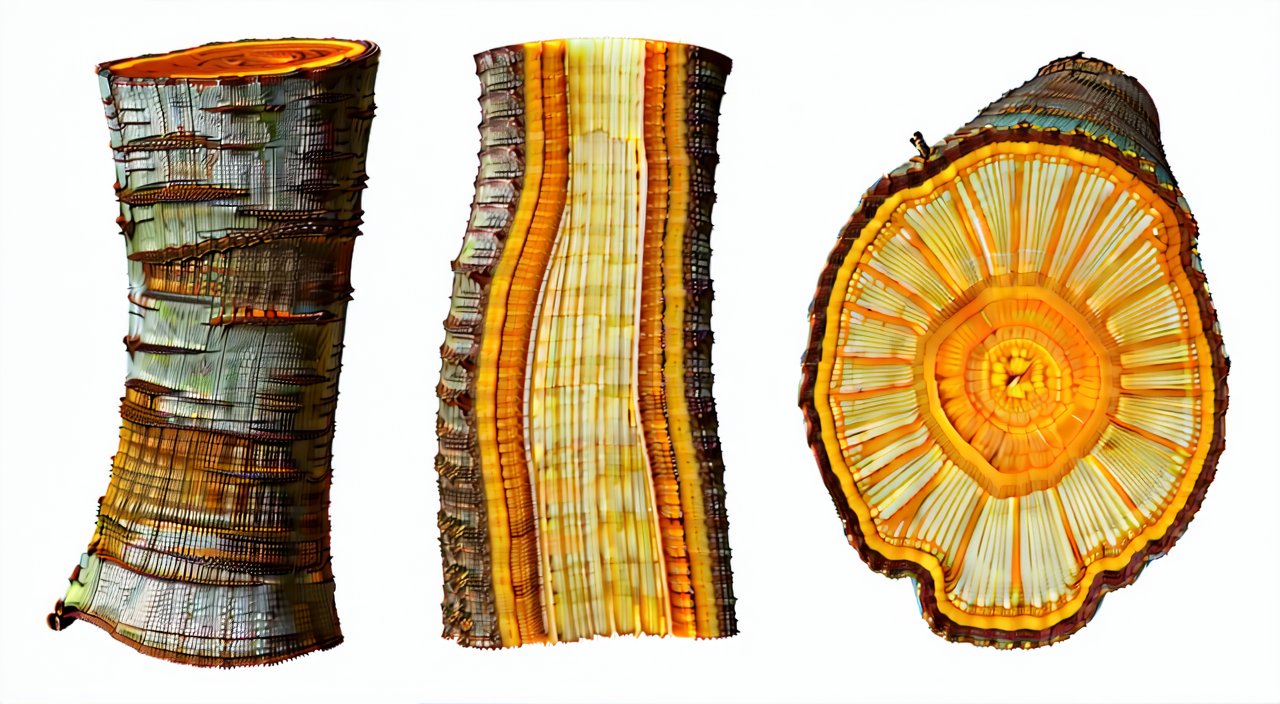
Dried Huzhang commonly appears as short cylindrical sections, irregular sections, or thick slices. Its size and thickness may vary depending on the harvested part and processing method. The outer surface is usually brown, grayish brown, or dark brown. It may be somewhat rough, with longitudinal wrinkles, root scars, or remnants of cork tissue. After drying, the material is relatively firm, and the cross-section is usually orange-yellow, yellowish brown, or tinged with reddish yellow.
What Are the Characteristics of the Cross-Section?
The cross-section of Huzhang is a useful feature for preliminary identification. A relatively complete transverse section may show radial markings, with a pith at the center and comparatively distinct colors and textures in the surrounding tissues. Because the size, degree of dryness, and slicing direction can vary, the radial pattern is not necessarily clear on every slice. The color may also change if the surface has undergone significant oxidation, absorbed moisture, or been mixed with other herbs. For this reason, visual observation can serve only as an initial reference. Formal identification should also rely on the source, macroscopic characteristics, and professional testing.
Which Parts of Huzhang Are Used Medicinally?
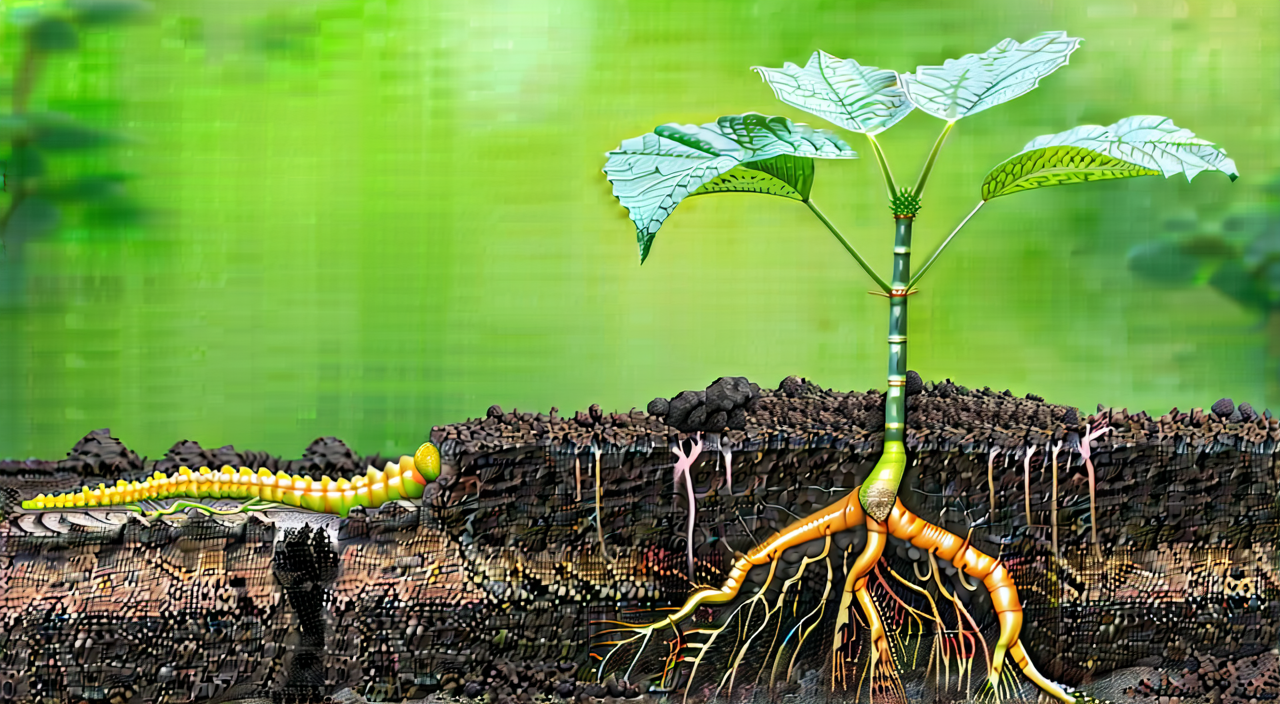
The medicinal parts of Huzhang are mainly its dried rhizomes and roots, rather than its leaves, flowers, or above-ground stems. The rhizome is the underground part that grows horizontally or diagonally, while the roots branch off from the rhizome. After harvesting, the material is generally cleaned of soil and some impurities, then cut into sections or slices and dried according to the requirements for prepared herbal medicines. This makes it easier to store, examine, and use.
Different parts of the same plant may differ in their constituent ratios, texture, and traditional applications. Therefore, it is inaccurate to treat the intact Huzhang plant, prepared Huzhang slices, and dietary supplements marketed primarily for their resveratrol content as the same thing. The resveratrol in a supplement may come from Huzhang or from other botanical sources. The specific product label, formulation, and information required by local regulations should be consulted, and the supplement should not be directly equated with Huzhang herb.
How Does Traditional Chinese Medicine Understand Huzhang?
Traditional Chinese medicine generally understands Huzhang in terms of its properties, meridian associations, and herbal combinations rather than focusing only on a single constituent. In relevant classical herbal records and traditional applications, Huzhang is commonly used in approaches involving the promotion of urination and reduction of jaundice, clearing heat and resolving toxicity, and dispersing blood stasis to relieve pain. In some combination strategies, it is also used to address patterns associated with damp heat, blood stasis, or phlegm heat. Descriptions of its applications may vary among regions, medical texts, and formulas.
From a traditional Chinese medicine pattern-identification perspective, symptoms such as abdominal discomfort, changes in skin color, aching joints, or coughing may have different underlying causes. Huzhang should not be selected independently based on a single symptom. Traditional formulas often combine it with other herbs to achieve different therapeutic strategies. Whether it is appropriate depends on an individual’s constitution, symptom pattern, previous health conditions, and professional advice.
What Does Modern Research Say About Huzhang?
Modern research often focuses on resveratrol, polydatin, anthraquinones, and other polyphenolic compounds in Huzhang. Studies have examined areas such as antioxidant activity, inflammation-related pathways, and hepatic and biliary metabolism using cells, animals, or isolated constituents. This research helps clarify the herb’s chemical composition and potential mechanisms, but laboratory findings cannot be directly equated with clinical conclusions in humans, nor can they be used to determine a form of use suitable for everyone.
It is particularly important to distinguish research on Huzhang herb from research on resveratrol supplements. The dosage, extraction process, purity, formulation, and method of administration of a supplement may differ from those of traditional prepared slices, and the research subjects may not be the same. People who take long-term medications, are pregnant, or have chronic diseases should not independently combine products based only on online descriptions of their constituents. Those seeking information about a specific product should consider its label, dosage instructions, and professional advice together.
How Does Huzhang Differ From Rhubarb and He Shou Wu?
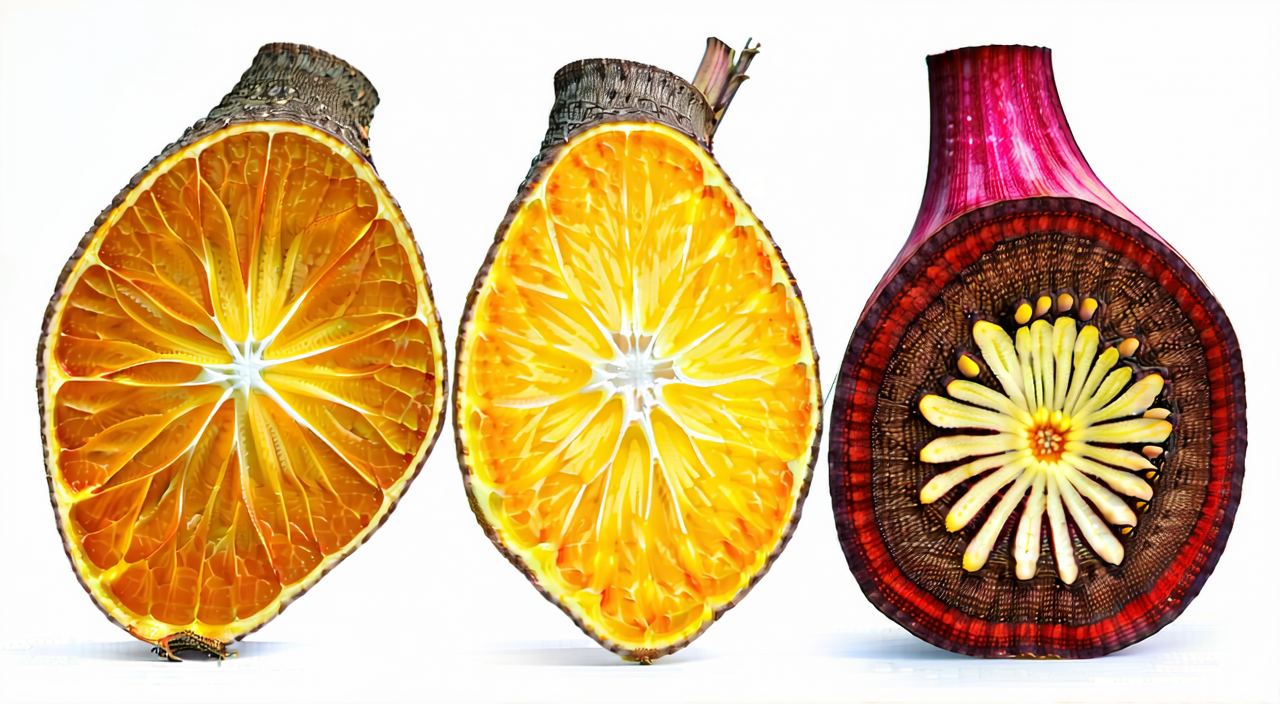
Huzhang, rhubarb, and He Shou Wu may all appear as prepared slices made from roots or rhizomes. Their appearances can be similar, making them easy for beginners to confuse, but they are not the same herb.
- Huzhang: It commonly appears as cylindrical sections or irregular thick slices. The outer surface is brown, while the cross-section is often orange-yellow or yellowish brown, with radial markings and a central pith that may be visible.
- Rhubarb: The medicinal parts are usually the root and rhizome. The cross-section of prepared slices is often yellowish brown or reddish brown and may show distinct patterns. Some sections may have star-like structures. Its specific appearance is affected by the species and processing method.
- He Shou Wu: The medicinal part is the tuberous root. The slices are often irregular in shape, with a cross-section ranging from light yellowish brown to reddish brown. A ring-like cambium pattern is commonly visible, and its form differs from the cylindrical rhizome sections of Huzhang.
Color alone is not sufficient for accurate identification, because the origin, harvesting period, drying method, and storage conditions can all affect the appearance of herbal materials. Before purchasing or using them, check the official label and source, and consult a pharmacist or Chinese medicine professional when necessary.
Which Formulas Contain Huzhang?
Huzhang may appear in different combination strategies in traditional formulas and records of Chinese patent medicines. Frequently mentioned examples include Huzhang Powder, Compound Huzhang Tablets, and formulas designed to promote urination and reduce jaundice. The specific ingredients, dosages, preparation methods, and intended uses under these names may vary according to the source, manufacturer, or dosage form. The name of a formula alone cannot determine whether it is suitable for an individual.
For example, formulas intended to promote urination and reduce jaundice generally combine Huzhang with other herbs according to traditional pattern-identification concepts involving damp heat, blood stasis, and related patterns. Huzhang Powder may also have different compositions depending on its textual source. Compound Huzhang Tablets are a specific preparation, and their use should be guided by the package instructions, approval information, and professional advice. Pregnant or breastfeeding individuals, children, older adults, and people taking multiple medications should consult a doctor or pharmacist first and should not copy another person’s formula or dosage without guidance.
What Precautions Are Needed When Using Huzhang?
Huzhang is not suitable for everyone to use casually. Pregnant individuals should exercise caution, and anyone planning a pregnancy or breastfeeding should consult a doctor before use. People with a tendency to bleed or abnormal blood clotting, as well as those taking warfarin, aspirin, or other anticoagulant or antiplatelet medications, should pay particular attention to potential interactions and tell a healthcare professional about all medications they are taking before use.
Some people may experience gastrointestinal discomfort, diarrhea, or other reactions after using related herbs or preparations. If persistent diarrhea, abdominal pain, nausea, or other unusual reactions occur, stop self-use and seek professional advice. Huzhang or formulas containing Huzhang should not be used as a substitute for the diagnosis or treatment of liver and biliary disease, jaundice, infection, pain, or other medical conditions.
If symptoms are severe, persistent, or recurrent—especially when accompanied by noticeable jaundice, fever, severe abdominal pain, persistent vomiting, black stools, unusual bleeding, unexplained weight loss, chest tightness, palpitations, abnormal breathing, or significant anxiety or depression—consult a doctor or other qualified professional promptly. This article is provided for general educational reference about Chinese herbal medicines and cannot replace professional diagnosis or treatment advice.
Summary
Huzhang is a traditional Chinese medicinal herb made from dried rhizomes and roots. Common identifying features include a brown outer surface, an orange-yellow cross-section, radial markings, and a central pith. It differs from rhubarb and He Shou Wu in both its medicinal parts and cross-sectional structure. Huzhang Powder, Compound Huzhang Tablets, and formulas designed to promote urination and reduce jaundice represent different traditional combination strategies. Whether Huzhang is appropriate still depends on an individual’s constitution, symptoms, medication use, and professional advice.