
What Is Huo Ma Ren? Medicinal Parts, Identification, and Common Formulas
Many people feel uneasy when first hearing the name “Huo Ma Ren,” associating it with marijuana. In reality, the Huo Ma Ren used in Chinese medicine comes from the mature fruit of Cannabis sativa L., a species officially recorded in the pharmacopoeia. It differs fundamentally from recreational cannabis varieties in its tetrahydrocannabinol (THC) content and intended use. Huo Ma Ren primarily uses the seed kernel and is traditionally employed to moisten the intestines, promote bowel movements, and nourish deficiency—making it a relatively gentle moistening laxative. For readers living abroad who wish to understand this herb from a Chinese medicine perspective, knowing what it looks like, which part is used, how to distinguish it from similar items, and what common formulas contain it is an important prerequisite for safe use.
What does Huo Ma Ren look like and how is it identified?
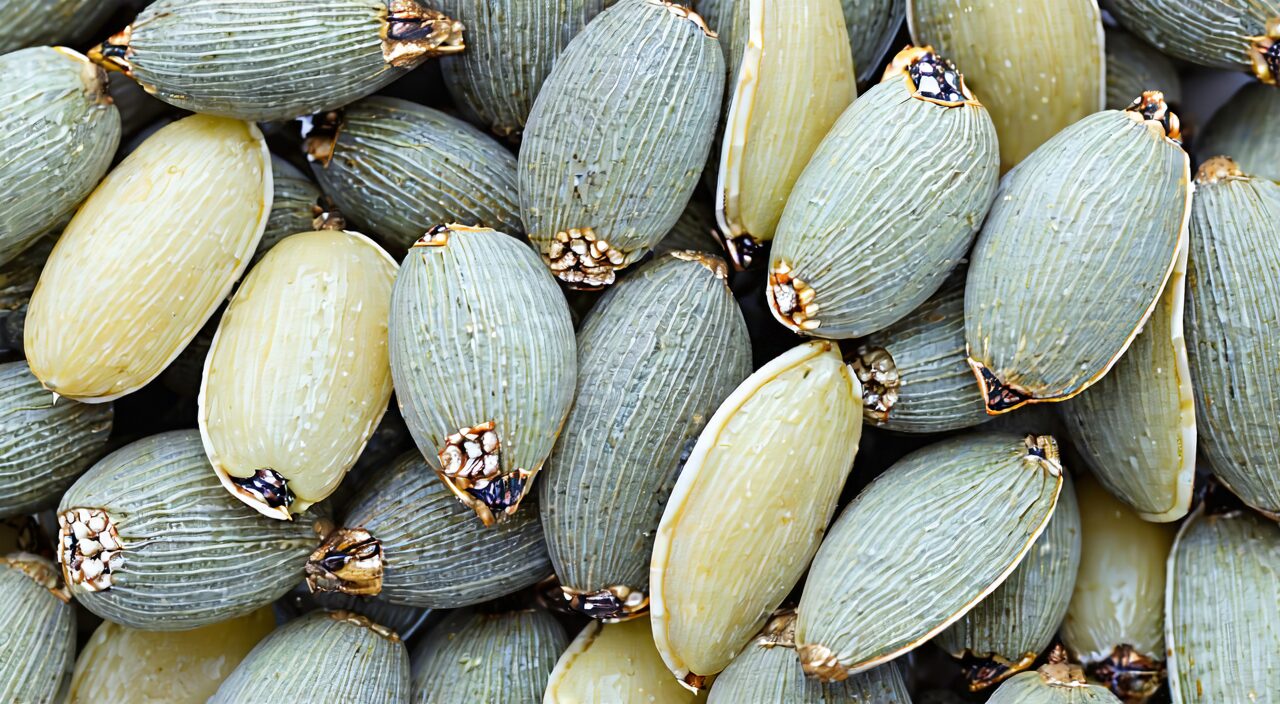
The fruit of Huo Ma Ren is ovoid, 4–5.5 mm long and about 2.5–4 mm in diameter. The outer surface is usually grayish-green or grayish-yellow, covered with fine net-like striations, and may sometimes show a subtle white powdery bloom. The apex is slightly pointed, and the base bears a round fruit stalk scar. The pericarp is thin, brittle, and easily broken. After removing the pericarp, a flattened oval white kernel is revealed; it is rich in oil and moist to the touch. The odor is slight and the taste is bland, but it gradually develops an oily mouthfeel when chewed. In commerce, Huo Ma Ren is mainly available as the intact fruit or as the shelled kernel, the latter being the white kernel with more evident oiliness. For identification, the key features to look for are the gray-green ovoid shape, the reticulated surface, and the oily white kernel.
What is the medicinal part of Huo Ma Ren?
The medicinal part of Huo Ma Ren is the mature fruit of Cannabis sativa, or the kernel obtained after removing the shell of the fruit. Harvested in autumn when the fruit ripens, the whole plant is cut, dried in the sun, and the fruits are beaten off, cleaned of impurities, and further dried. Depending on different clinical habits, some formulas use the dried mature fruit directly, while others require the dried fruit to be crushed or the kernel to be used after shelling. The shelled Huo Ma Ren kernel is pure white, oily, and plump, making it more suitable for moistening and lubricating the intestines. It is worth noting that medicinal Huo Ma Ren comes exclusively from specific cultivated varieties of Cannabis sativa, whose psychoactive constituents are extremely low and strictly monitored. It should not be confused with unprocessed cannabis plant material.
How does Chinese medicine understand Huo Ma Ren?
Traditional Chinese medicine generally views Huo Ma Ren from two perspectives: moistening the intestines to promote bowel movements and nourishing deficiency. It is sweet and neutral in nature, entering the spleen, stomach, and large intestine meridians, and acts to moisten dryness and lubricate the intestines. It is often used for intestinal dryness with constipation, especially difficulty in defecation due to insufficiency of fluids and blood and loss of intestinal lubrication. Unlike strong purgatives such as Da Huang (rhubarb root and rhizome) or Fan Xie Ye (senna leaf), Huo Ma Ren is a moistening laxative with relatively gentle action and some nourishing properties. Therefore, it is often considered a more suitable option for the elderly and debilitated, postpartum women with blood and fluid depletion, or those who are weak after illness. However, even though it is a moistening agent, whether it suits an individual still requires comprehensive assessment based on personal constitution, specific symptoms, and professional advice. Huo Ma Ren should not be regarded as a casual, long-term daily bowel remedy.
What does modern research say?
Modern studies show that Huo Ma Ren is rich in fatty oil, accounting for approximately 30%–50% of its content, which includes unsaturated fatty acids such as linoleic acid and linolenic acid, as well as proteins, lignanamide compounds, and small amounts of sterols. These oily components can form a lubricating layer in the intestines and physically stimulate bowel movements, which may offer some help with defecation. In addition, some preliminary studies have also looked into the potential value of Huo Ma Ren in supporting nutritional status. However, these findings should not be equated with clinical therapeutic evidence, nor should Huo Ma Ren be treated as a means to manage diseases. Any information derived from modern research should be used as a direction for further understanding and should not replace professional medical judgment.
How does Huo Ma Ren differ from Yu Li Ren and flaxseed?
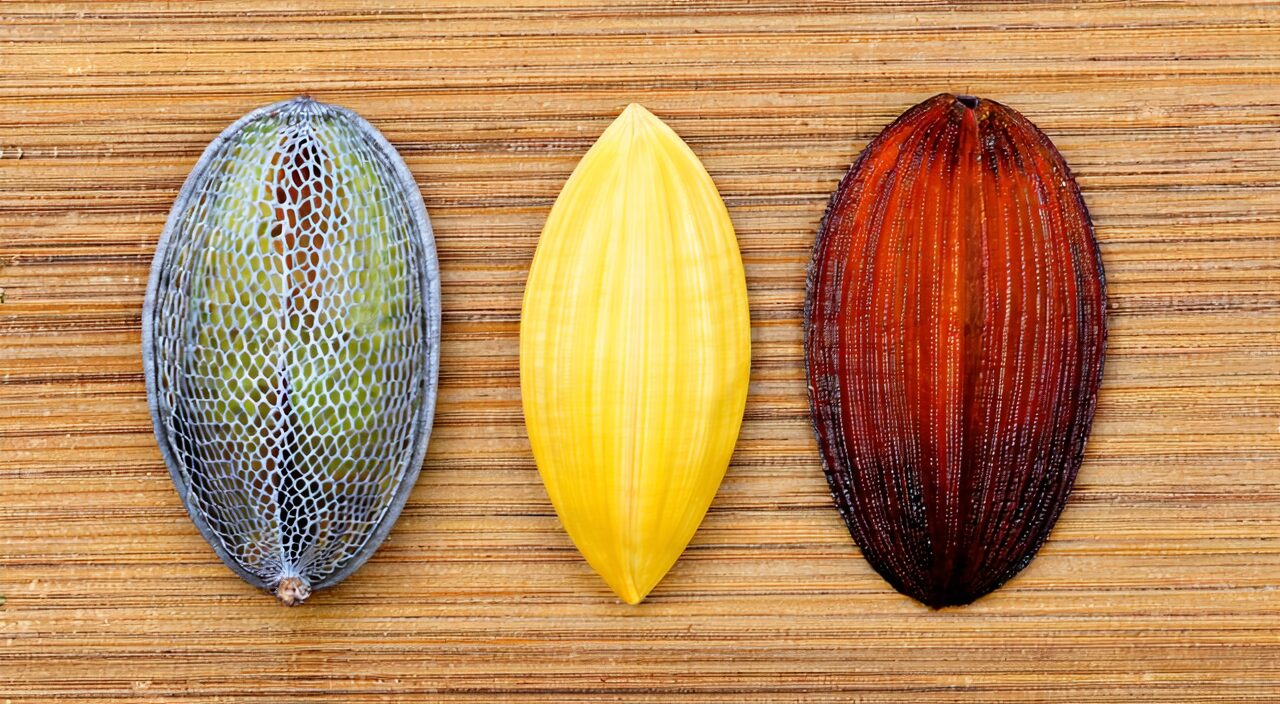
These three substances are easily confused but can be distinguished by source, appearance, and intended use. Yu Li Ren comes from the dried mature seeds of Prunus humilis, Prunus japonica, or Prunus pedunculata in the Rosaceae family. Its shape is ovate with a slightly pointed end, and the surface is yellowish-white or yellowish-brown with longitudinal striations. Traditionally, it is used to moisten the intestines and promote bowel movements while moving qi and promoting urination, and it may be more relevant for conditions of intestinal dryness with constipation accompanied by abdominal distension and edema. Flaxseed is the seed of Linum usitatissimum from the Linaceae family. It is flattened, ovoid, and has a shiny reddish-brown surface with well-defined edges. In daily life, it is mainly used as a nutritional supplement in foods, and because it is also rich in oil, it can help moisten the intestines, but it is rarely used as a principal herb in traditional Chinese medicine formulas. Huo Ma Ren can be identified by its ovoid shape, grayish-green or grayish-yellow color, fine reticulated surface, and white oily kernel, and is traditionally emphasized for moistening the intestines and providing nourishment. It is important to differentiate these three: although they may all be considered for dry, hard stools and difficult defecation, their emphases and combination strategies differ. Selection should be based on the actual situation and careful identification, not on simple substitution.
Which formulas contain Huo Ma Ren?
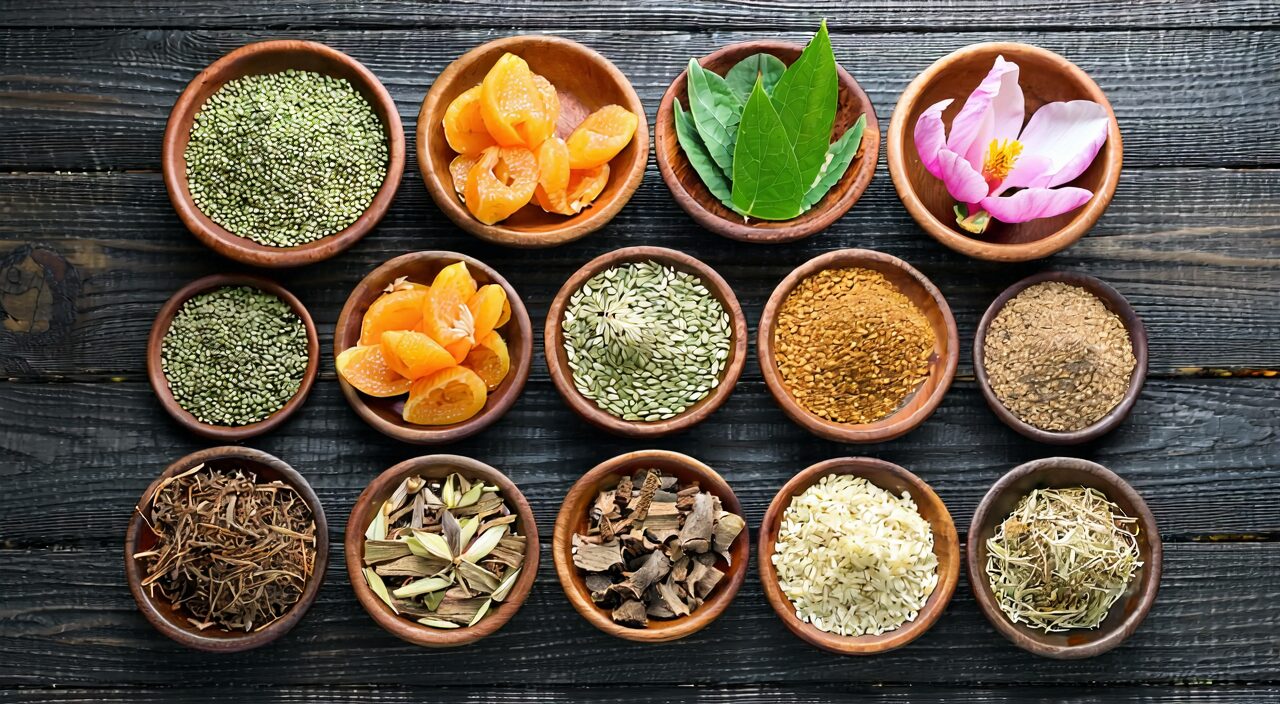
Huo Ma Ren appears in several traditional formulas, commonly used for addressing intestinal dryness with constipation. Examples include Ma Zi Ren Wan, Run Chang Wan, Wu Ren Wan, and Pi Yue Wan. Ma Zi Ren Wan is composed of Huo Ma Ren (Ma Zi Ren), Shao Yao (peony root), Zhi Shi (immature bitter orange), Da Huang (rhubarb root and rhizome), Hou Po (magnolia bark), and Xing Ren (apricot kernel). It is characterized by moistening the intestines, draining heat, moving qi, and promoting bowel movements, and is often used for patterns of gastrointestinal dryness-heat and spleen-constraint constipation. Run Chang Wan typically contains Huo Ma Ren, Dang Gui (Chinese angelica root), Sheng Di Huang (rehmannia root), Tao Ren (peach kernel), and Zhi Qiao (bitter orange). It moistens the intestines while caring for blood nourishment and dryness, making it suitable for constipation with more pronounced essence and blood deficiency. Wu Ren Wan combines Huo Ma Ren, Yu Li Ren, Bai Zi Ren (arborvitae seed), Xing Ren, and Song Zi Ren (pine nut kernel), leaning more toward purely moistening and lubricating the intestines. Pi Yue Wan shares similarities with Ma Zi Ren Wan and also originates from the Treatise on Cold Damage (Shang Han Lun); it is often discussed in the context of spleen-constraint constipation. Note that these formulas target different disease mechanisms, and their use must be determined by specific symptoms, constitution, and professional advice. Self-prescribing and preparing these formulas is not recommended.
What should be noted when using Huo Ma Ren?
First, people who are prone to diarrhea or have loose stools are generally not suitable for using moistening laxative herbs. Second, Huo Ma Ren and the shelled kernel contain large amounts of oil. If stored improperly, the oil can easily become rancid, producing an unpleasant odor. Continued use of rancid product may cause abdominal discomfort, so it should be kept sealed in a cool, dry place and used within its shelf life. Additionally, excessive intake of Huo Ma Ren may lead to abdominal discomfort or diarrhea, so it is not advisable to arbitrarily increase the dosage. If constipation is prolonged and recurrent, or accompanied by abdominal pain, vomiting, bloody stools, or unexplained weight loss, it is essential to seek medical evaluation first rather than relying on laxative herbs for self-regulation. In particular, attention must be paid to whether the product source is compliant. Different countries and regions have strict regulations on residual THC limits in Huo Ma Ren products. Choosing products from legitimate channels with clear labeling is the best way to minimize legal and safety risks.
Summary
Huo Ma Ren is a moistening laxative derived from the mature fruit of Cannabis sativa; the medicinal parts are the mature fruit or the shelled kernel. Traditionally, it is understood from the perspectives of moistening the intestines, promoting bowel movements, and nourishing deficiency. It differs from Yu Li Ren and flaxseed in source, appearance, and application and cannot be casually substituted. Formulas containing Huo Ma Ren, such as Ma Zi Ren Wan and Run Chang Wan, need to be applied according to specific pattern presentations and professional judgment to achieve their proper effects. When using it, one should pay attention to safety issues such as rancidity of the oil, unsuitability for those with diarrhea, and source compliance. This article is for informational reference only and cannot replace professional diagnosis or treatment advice.