
What Is Ji Gu Cao? Medicinal Parts, Identification, and Common Preparations
Many people have heard of Ji Gu Cao through herbal teas, medicinal cuisine, or proprietary Chinese medicines, but they may not know what the plant looks like and may easily confuse it with the similarly named rosary pea. Ji Gu Cao comes from the dried whole plant of Guangzhou abrus, a legume, but the poisonous pods and seeds must be removed before the herb is used. The seeds of rosary pea must never be used as Ji Gu Cao. Understanding the plant source, appearance, and processing requirements can help people develop a more informed view of this medicinal herb.
What Does Ji Gu Cao Look Like? How Can It Be Identified?
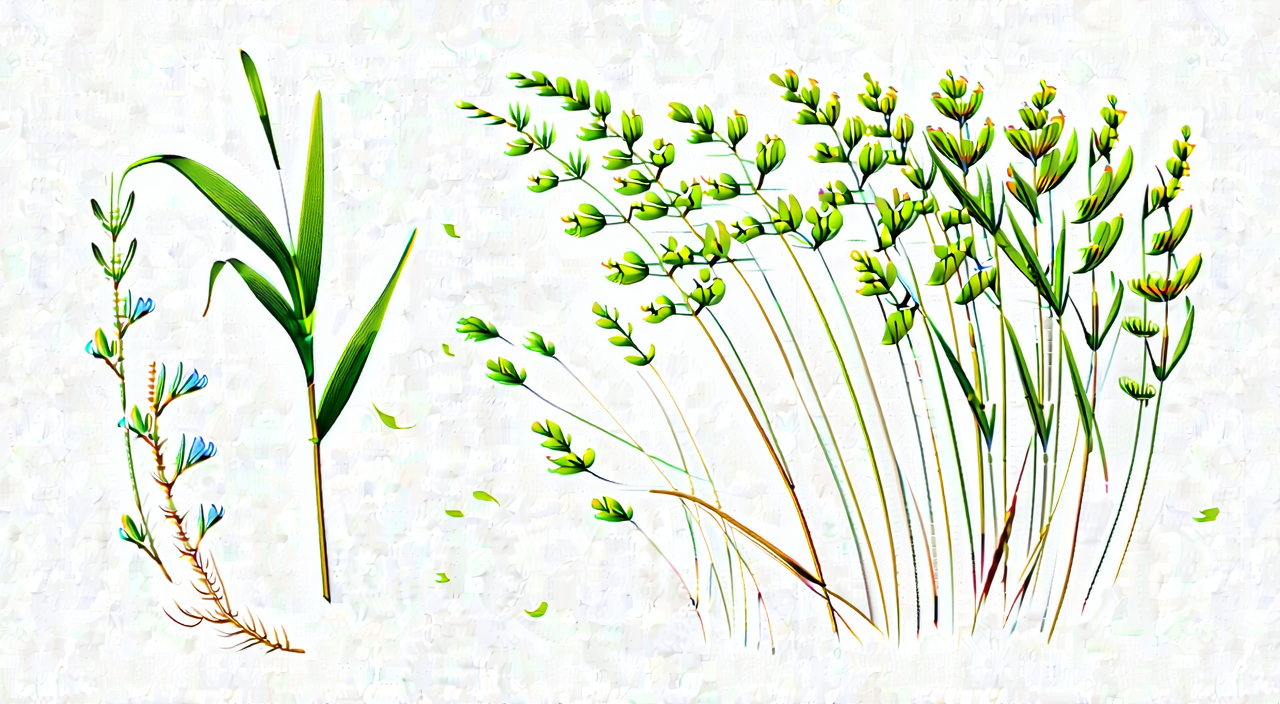
Ji Gu Cao is a climbing or trailing vine. Its stems are usually slender, with a fine surface texture. After drying, they commonly appear brownish yellow, yellowish brown, or brownish green. Because the stems are thin yet somewhat flexible, the herb can easily be mistaken for an ordinary vine. Color alone is therefore not sufficient for identification.
Main Morphological Features
Ji Gu Cao has paripinnate compound leaves, with multiple pairs of leaflets arranged along both sides of the leaf axis and usually no distinct terminal leaflet. The leaflets are small and generally oval, obovate, or nearly oblong. They are thin, with blunt or slightly pointed tips and usually smooth margins. The leaves of fresh plants are green, while those in dried medicinal material may be wrinkled or fragmented. Identification should therefore take the stems, roots, and overall appearance into account.
The roots are an important part of identification and use. They are usually slender and elongated, with visible longitudinal markings, and become relatively hard after drying. Wild plants may also develop pods containing seeds. This part raises an important safety concern: the pods and seeds should be removed when the herb is sorted and prepared. The fact that all parts come from the same plant does not mean that every part is suitable for ingestion.
Accurate identification is often difficult based solely on an online image or a piece of dried vine. When collecting plants yourself, purchasing loose medicinal material, or distinguishing possible substitutes, it is best to consult official medicinal-material standards and qualified professionals.
What Are the Medicinal Parts of Ji Gu Cao?
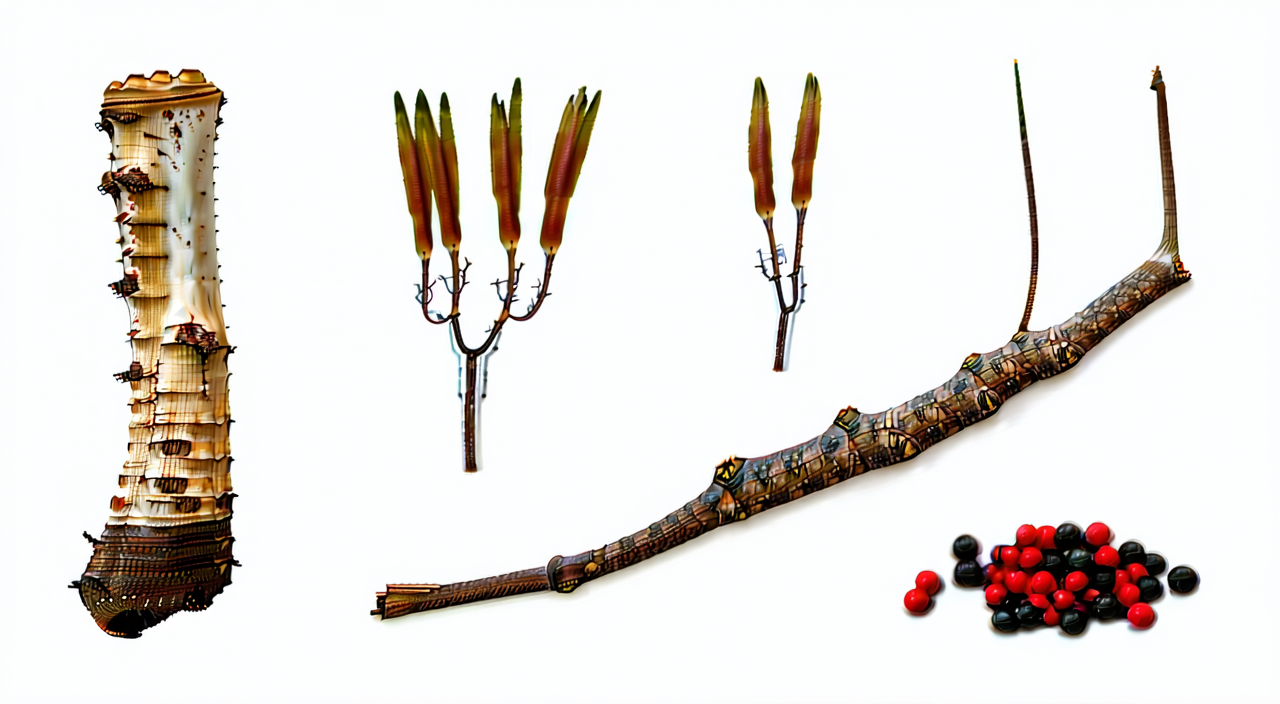
In traditional herbal medicine, Ji Gu Cao generally refers to the dried whole plant of Guangzhou abrus. Here, the whole plant mainly includes the roots, stems, and leaves, but this does not mean that the pods and seeds may be retained for use. Proper processing focuses on removing the pods and seeds during harvesting, cleaning, and drying, after which the acceptable whole plant is dried and stored.
The roots, stems, and leaves of Ji Gu Cao differ in appearance, texture, and aroma. The roots are relatively tough, the stems are usually slender and stick-like, and the leaves can easily fall off during transportation and cutting. Properly prepared medicinal material should be sorted to prevent brightly colored, smooth seeds or intact pods from being mixed in. If suspected red-and-black seeds are found in the material, do not simply pick them out and continue using it. In particular, do not crush, decoct, or swallow the seeds.
In actual use, the source of the herb, harvesting season, drying conditions, and storage environment can all affect its appearance. Material that has become damp, moldy, or unusually odorous should not be used. Even plants collected in the wild that look similar may involve misidentification, incomplete seed removal, or contamination. For this reason, wild-collected vines should not be used directly to make tea or decoctions.
How Does Traditional Chinese Medicine Understand Ji Gu Cao?
Traditional Chinese medicine commonly views Ji Gu Cao in terms of clearing heat, promoting the resolution of dampness, and soothing the liver. In historical and regional practice, it has often been used within traditional approaches related to damp-heat, jaundice, and discomfort in the rib-side region. It has also traditionally been described as helping clear heat, relieve toxicity, soothe the liver, and ease pain. These descriptions belong to the theories and traditional applications of Chinese medicine and should not be treated as conclusions about modern medical diagnosis or treatment.
From a traditional pattern-identification perspective, the same herb is not necessarily suitable for everyone with the same symptom. Facial complexion, appetite, urination and bowel movements, tongue appearance, pulse, and the presence of other discomforts may all affect the assessment. Ji Gu Cao is often combined with other herbs, and the specific combination and dosage must be determined according to the prescription, processing method, and individual circumstances. It should not be used solely on the basis of a single symptom.
If you develop yellowing of the skin or whites of the eyes, noticeably dark urine, right upper abdominal pain, persistent fatigue, nausea, or vomiting, seek a proper medical evaluation promptly. In such circumstances, do not rely only on Ji Gu Cao tea or related preparations for self-monitoring, as this may delay identification of the underlying cause.
What Issues Are the Focus of Modern Research?
Modern research on Ji Gu Cao focuses significantly on safety and source control. The pods and seeds of Guangzhou abrus must be clearly distinguished from the dried whole plant used medicinally. The seeds may contain protein components associated with toxic risks, and accidental ingestion, biting, or improper processing may increase those risks. Because the chemical composition may vary among species, plant parts, and batches, research on the seeds of one type of abrus cannot be simply applied to all commercial products. Nor can it be used to conclude that a particular preparation is necessarily suitable for an individual.
Formal production generally involves raw-material identification, cleaning, removal of non-medicinal parts, and quality-control procedures. When examining medicinal material, consumers should check whether its source is clear, the packaging is intact, and approval information and directions for use are provided. For loose dried plants or material from an unknown source, safety cannot be reliably judged by color, smell, and shape alone.
Modern research points to risk identification and quality-management considerations; it does not constitute a treatment promise for any particular disease. If you are receiving treatment for liver disease, biliary tract disease, or another chronic condition, tell your doctor or pharmacist before using any herbal medicine or proprietary Chinese medicine.
What Is the Difference Between Ji Gu Cao, Rosary Pea, and Lysimachia?
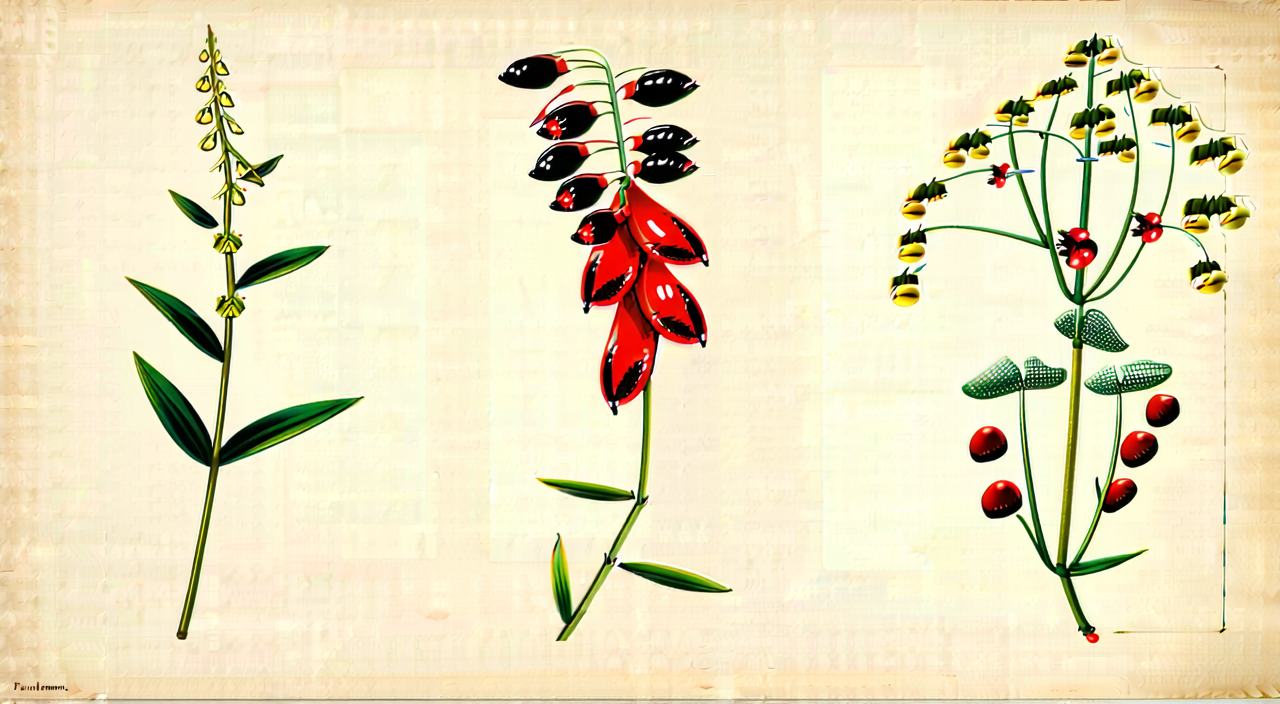
Ji Gu Cao and rosary pea are easily confused because of their names and botanical relationship. Ji Gu Cao medicinal material is generally the dried whole plant with the pods and seeds removed. Its main features are slender vine stems, pinnate compound leaves, and fine roots. In everyday language, rosary pea often refers to its brightly colored seeds, which are usually red with black markings. These seeds must not be used as Ji Gu Cao, and their attractive appearance should not encourage handling followed by contact with the mouth or nose.
Ji Gu Cao and Lysimachia are plants with different forms. Commonly used Lysimachia species are usually creeping or prostrate herbs with softer stems. Their leaves are often round or nearly kidney-shaped, with distinct petioles. Overall, they do not resemble Ji Gu Cao, which has slender vine stems and pairs of leaflets. The plant sources referred to as Lysimachia may vary by region, so actual identification should follow medicinal-material standards and reliable supply channels.
A simple way to remember the differences is: identify Ji Gu Cao by its vine stems and pinnate compound leaves; focus on the red-and-black seeds when recognizing rosary pea; and look for a creeping herb with rounded leaves when identifying Lysimachia. This is only a preliminary educational guide and cannot replace professional identification. If medicinal material contains mixed seeds or pods, or if its form is incomplete, stop using it and seek professional advice.
What Common Preparations Are Available?
Common products related to Ji Gu Cao include Ji Gu Cao capsules, Ji Gu Cao Hepatitis Granules, and other legally approved preparations that contain Ji Gu Cao in their formulas. The ingredients, dosage forms, indications, directions, dosages, and precautions may differ among products. The fact that their names all contain Ji Gu Cao does not mean that they can be substituted for one another.
Ji Gu Cao capsules are usually provided in capsule form, while Ji Gu Cao Hepatitis Granules are a granulated preparation. Their traditional application may involve damp-heat or liver- and gallbladder-related discomfort, but specific use should be based on the product label and approval information. Proprietary Chinese medicines are not simple copies of a single herb. Whether they are appropriate also depends on symptoms, medical history, current medications, and individual constitution.
If you are taking prescription medicines, health products, or other herbal remedies, be aware of duplicate ingredients and possible interactions before using a Ji Gu Cao preparation. If discomfort occurs, stop increasing the dose on your own and consult a doctor or pharmacist. Do not use these preparations as a substitute for proper medical care, and do not extend the duration of use based on someone else’s experience.
What Precautions Should Be Taken When Using Ji Gu Cao?
First, accidental ingestion of rosary pea seeds or pods containing seeds is strictly prohibited. Ji Gu Cao medicinal material must be properly cleaned and have its seeds removed. Collecting plants yourself, removing the seeds by hand, or decocting the entire plant cannot reliably ensure safety. Children and pets are especially vulnerable to accidental ingestion, so related plants and medicinal materials should be kept out of reach.
Second, people who are pregnant or breastfeeding, children, older adults, and those with abnormal liver or kidney function should consult a doctor or pharmacist before using Ji Gu Cao or related preparations. Anyone receiving treatment for liver disease, biliary tract disease, or another chronic condition should include herbs and proprietary Chinese medicines in their complete medication information and should not replace examinations or treatment on their own.
If symptoms are severe, persistent, or recurrent, or if they are accompanied by obvious jaundice, palpitations, chest tightness, abnormal breathing, severe abdominal pain, persistent vomiting, black stools, or unexplained weight loss, seek medical attention promptly. If nausea, vomiting, abdominal pain, dizziness, or any other unusual reaction occurs after use, stop self-treatment and seek professional help. This article is for educational reference only and cannot replace professional diagnosis or treatment advice.
Summary
The key to understanding what Ji Gu Cao is lies in clarifying its source and usable parts. It generally refers to the dried whole plant of Guangzhou abrus after the pods and seeds have been removed. Its main identification clues are slender vine stems and paripinnate compound leaves. The red-and-black seeds of rosary pea pose a risk of accidental poisoning and must not be mixed with Ji Gu Cao. Related proprietary Chinese medicines should also be assessed according to their instructions, individual circumstances, and professional advice. This article is for educational reference only; consult a doctor or qualified professional promptly if persistent or significant discomfort occurs.