
What Is Jiang Xiang? Medicinal Parts, Identification, and Common Formulas
When many people hear the term “Jiang Xiang,” they may think of Hainan huanghuali, a woody fragrance, or traditional formulas for promoting blood circulation. In fact, Jiang Xiang involves both its botanical source and the standards for Chinese medicinal materials, as well as the uses of the wood itself. To understand what Jiang Xiang is, it is important to first distinguish its source, medicinal part, and processing form. Jiang Xiang comes from the dried heartwood of the trunk and roots of the Jiang Xiang sandalwood tree. Not all reddish-brown wood with a fragrance should be regarded as medicinal material. In particular, craft wood associated with Hainan huanghuali is not the same as Jiang Xiang that meets medicinal material standards and should not be used interchangeably.
What Does Jiang Xiang Look Like? How Can It Be Identified?
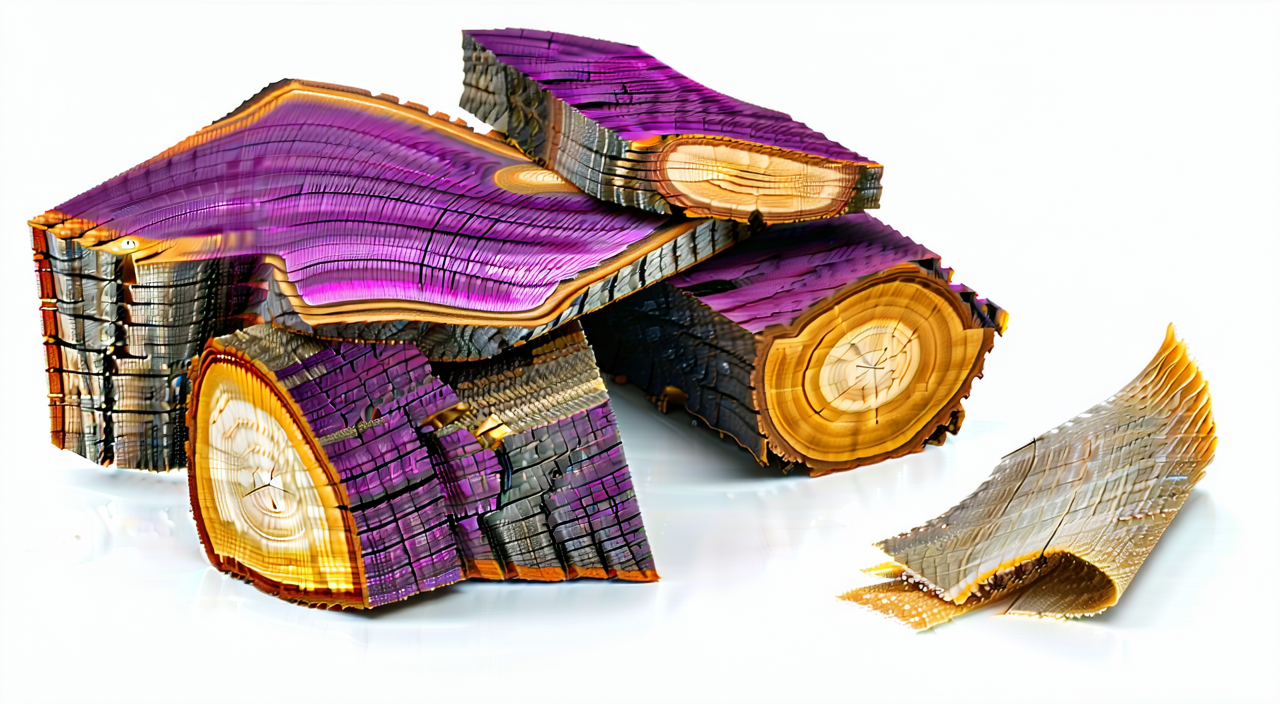
Appearance and Grain
Qualified Jiang Xiang slices usually appear as thin pieces, strips, blocks, or irregular fragments. Their color generally ranges from purplish red and reddish brown to brownish red. The surface of the wood often shows alternating light and dark grain, sometimes with a noticeable oily sheen. Differences in tree age, location within the tree, drying method, and processing technique can all affect the color and grain, so authenticity cannot be judged by color alone.
Jiang Xiang is generally relatively hard, and the cross-section may show wood fibers and fine, dense grain. Some medicinal pieces look relatively smooth and feel slightly oily, but the strength of the oily texture is not a sole basis for identification. If the wood is unusually bright in color, has overly regular grain, or shows obvious dyeing or polishing, caution is warranted.
Aromatic Characteristics
Jiang Xiang has a distinctive woody aroma that is usually easier to detect when the material is broken, planed, or warmed. Its scent may be clean and subtle, spicy, or slightly resinous, although differences in origin and storage conditions can affect the aroma. If the smell is pungent, has a distinct chemical-solvent odor, or lacks a normal woody fragrance entirely, it should not be identified as Jiang Xiang based on appearance alone.
In practical identification, appearance, aroma, texture, and source information should be assessed together. When handling loose medicinal slices, consumers should also check the name, batch number, place of origin, and storage conditions, and consult a pharmacist or qualified professional when necessary.
What Is the Medicinal Part of Jiang Xiang?
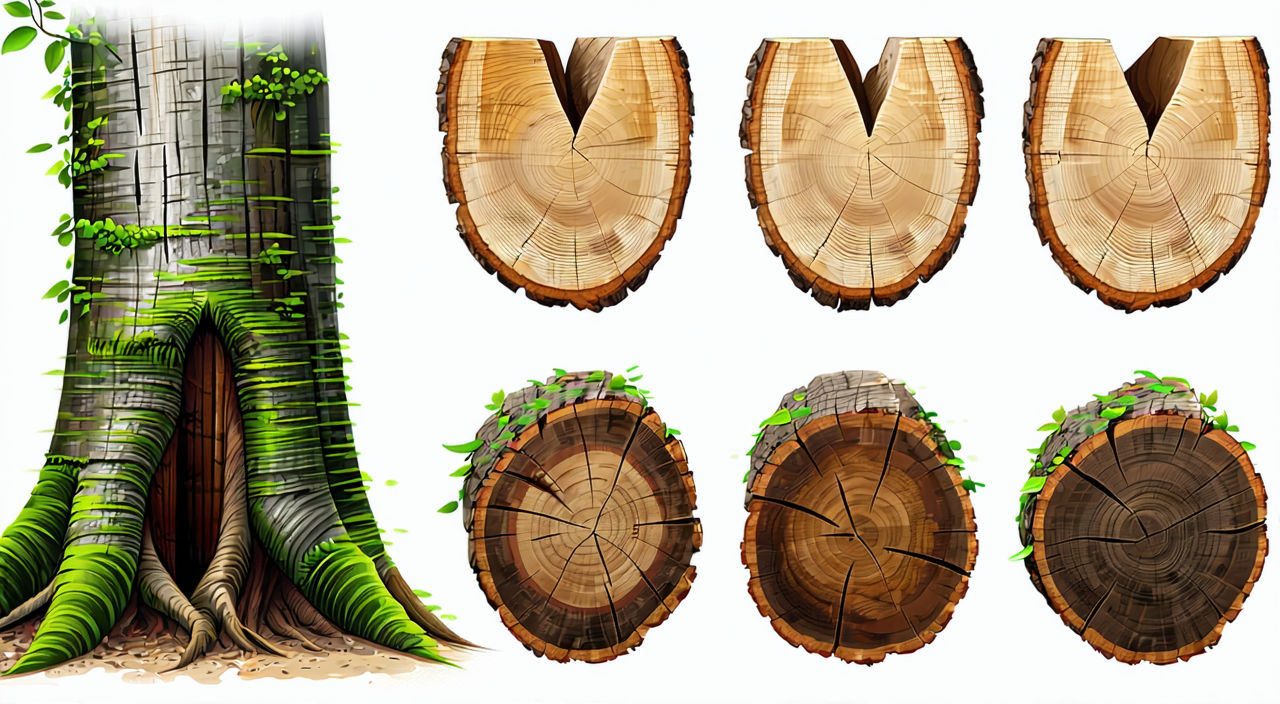
The medicinal part of Jiang Xiang is primarily the dried heartwood of the trunk and roots of the Jiang Xiang sandalwood tree. This is the darker-colored portion of the xylem, which contains relatively higher levels of aromatic constituents. Bark, sapwood, and ordinary sawdust cannot be directly equated with medicinal Jiang Xiang.
After harvesting, the relevant heartwood is generally cleaned and dried before being processed into slices, strips, blocks, or fragments for storage and use in formulas. The size of the slices affects how they are examined and used, but larger pieces or a stronger aroma do not necessarily indicate better quality. Because Jiang Xiang has a connection in name and origin with valuable timber, medicinal material procurement should also emphasize legal sourcing, species information, and traceability.
It is important to note that Hainan huanghuali is often used to make furniture, carvings, and handicrafts, and has its own cultural and market value as a type of wood. Whether craft wood meets Chinese medicinal material standards cannot be inferred from its price, grain, or collectible value. Medicinal use and timber use should be assessed separately.
How Does Traditional Chinese Medicine Understand Jiang Xiang?
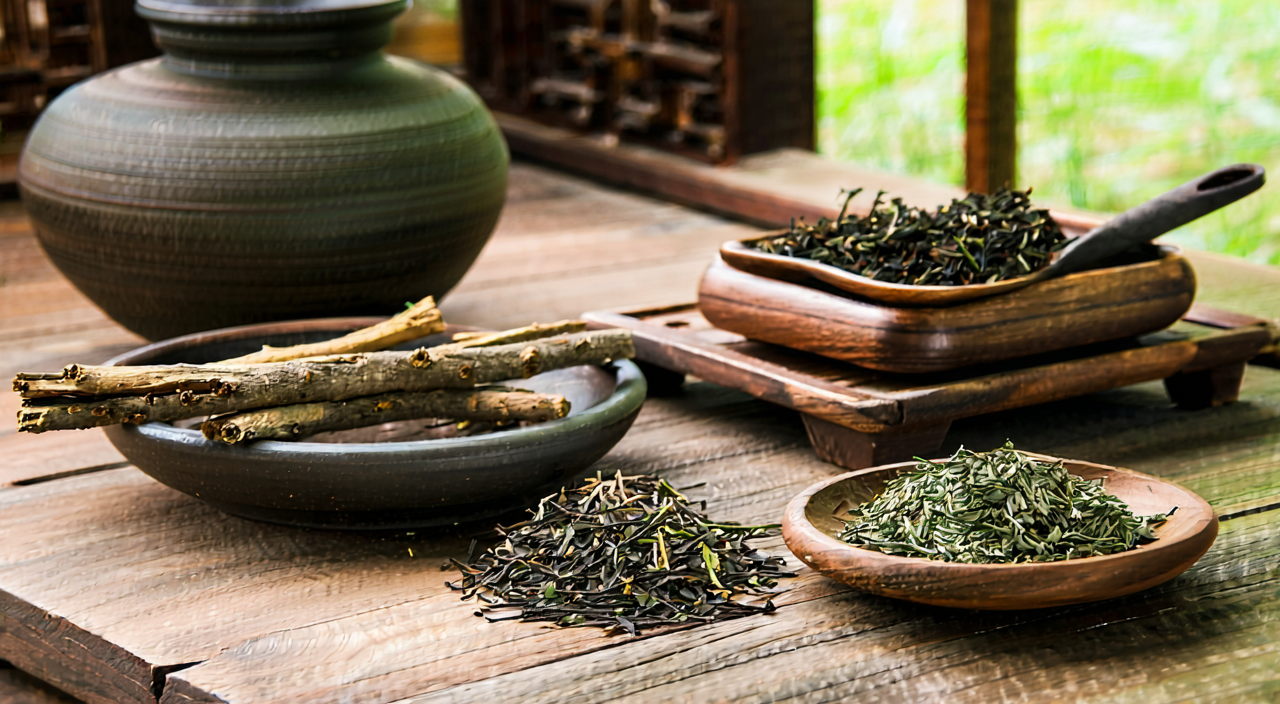
In traditional Chinese medicine theory, Jiang Xiang is commonly understood in terms of promoting blood circulation, moving qi, and relieving pain. Traditionally, it has been used in formulas for chest and abdominal discomfort, manifestations associated with qi stagnation and blood stasis, as well as approaches involving traumatic blood stasis and persistent bleeding. The traditional concept of “transforming stasis and stopping bleeding” should not be understood simply as promoting or inhibiting a single physiological process. Rather, it is a comprehensive TCM interpretation based on symptoms, the tongue and pulse, and the overall condition.
Jiang Xiang is often combined with other medicinal materials rather than used alone. For chest tightness, chest pain, palpitations, abnormal bleeding, or unexplained pain, people should not select an herb based solely on one traditional function. When symptoms are severe, sudden, recurrent, or persistent, medical advice should be sought first to rule out conditions requiring timely treatment.
From the perspective of regulating qi, Jiang Xiang’s aromatic characteristics mean that it is often included in traditional approaches for impaired qi movement accompanied by pain and blood stasis. From the perspective of stopping bleeding, its use depends more heavily on the specific combination of herbs and pattern differentiation. Whether it is appropriate still depends on individual constitution, symptoms, medication history, and professional advice.
What Can Modern Research Tell Us?
Modern research commonly examines the volatile constituents, flavonoids, and other phytochemicals in Jiang Xiang. Through in vitro studies, animal experiments, and constituent analysis, researchers have explored its potential relevance to antioxidant activity, inflammation-related processes, and cardiovascular research. These findings help improve understanding of the herb’s constituents and possible mechanisms, but experimental conditions are not exactly the same as actual human use.
Therefore, “possible effects” reported in modern research cannot be directly equated with clinical efficacy, nor can they replace medical diagnosis or standard treatment. Different sources, extraction methods, doses, and dosage forms may all affect research outcomes. When reviewing such information, pay attention to the type of study and the scope of the evidence, and avoid extending the conclusions of a single experiment to everyone.
How Does Jiang Xiang Differ from Sandalwood and Sappan Wood?
Jiang Xiang, sandalwood, and Sappan wood may all appear as woody medicinal materials, but their sources, aromas, colors, and traditional uses are different.
| Medicinal Material | Appearance and Aroma | Common Traditional Uses |
|---|---|---|
| Jiang Xiang | Usually purplish red or reddish brown, with alternating light and dark grain, a woody aroma, and a certain oily sheen | Commonly combined with other herbs to address blood stasis, bleeding, qi stagnation, and pain |
| Sandalwood | May be yellowish white, pale yellow, or yellowish brown, with an aroma that is generally softer and longer-lasting | Traditionally understood mainly in terms of regulating qi and harmonizing the stomach |
| Sappan wood | Commonly red or orange-red, with a more noticeable color after breaking; its aroma is usually less prominent than that of Jiang Xiang | Traditionally used in combinations related to promoting blood circulation and removing blood stasis |
These three materials cannot be substituted for one another simply because they all come from wood or may display red or yellow hues. Fragments that look similar can be difficult to identify accurately by sight alone. Actual use should be based on the standardized name, source, authentication, and advice from qualified professionals.
Which Formulas Contain Jiang Xiang?
Guan Xin Er Hao Formula
Guan Xin Er Hao Formula is one of the representative names among traditional formulas for promoting blood circulation and removing blood stasis. Some formulation approaches include Jiang Xiang. Different references, dosage forms, and preparation methods may vary, so the formula should not be used solely based on its name. When it is being considered for chest or heart-related discomfort, the cause of the symptoms should first be clarified, together with medical advice.
Jiang Xiang Powder
Jiang Xiang Powder is a traditional formula name centered on Jiang Xiang as an important ingredient, with historical uses related to moving qi, relieving pain, and transforming blood stasis. When formulas have the same or similar names, their ingredients, dosages, and indications may not be identical. Before use, verify an official prescription or the product instructions.
Xiāngdān Preparations and Formulas for Moving Blood and Qi
Some Xiāngdān preparations and formulas for promoting blood circulation and moving qi may also contain Jiang Xiang or related aromatic medicinal materials. Chinese patent medicines and medicinal slices differ in ingredient ratios, preparation methods, and directions for use. The traditional understanding of one type of medicinal slice should not be directly applied to every preparation. Suitability should be assessed according to individual constitution, symptoms, existing medical conditions, current medications, and professional advice.
What Precautions Should Be Taken When Using Jiang Xiang?
First, people who are pregnant or trying to conceive should not use herbs or formulas associated with promoting blood circulation and moving qi without professional guidance. They should consult a doctor or a qualified traditional Chinese medicine practitioner first. Anyone taking anticoagulant or antiplatelet medication, or who has a tendency to bleed, abnormal coagulation, or an upcoming surgery, should also disclose this information in advance and avoid combining medicines on their own.
Second, unexplained bleeding, black stools, persistent abdominal pain, significant chest tightness or chest pain, abnormal breathing, palpitations, fainting, or other suddenly worsening symptoms require prompt medical attention rather than self-treatment with Jiang Xiang. Long-term or recurrent symptoms, especially those accompanied by weight loss, fatigue, anxiety, or depression, should also be professionally evaluated.
Third, Jiang Xiang slices, Jiang Xiang powder, extracts, and essential oils are not equivalent. Essential oils are mainly used in different settings, such as aromatherapy or topical application. Their concentration, constituents, and methods of use differ from those of oral medicinal slices. Essential oil should not be used as a direct substitute for the Chinese medicinal material, and self-administered oral use or application over large areas is not recommended.
Fourth, choose medicinal materials with a clear source and standardized labeling, and pay attention to the conservation and legal harvesting of resources related to the Jiang Xiang sandalwood tree. The collectible value of wood, the appearance of handicrafts, and a strong aroma cannot replace an assessment of medicinal quality. This article is for general educational reference only and cannot replace professional diagnosis or treatment advice.
Summary
Jiang Xiang is a traditional Chinese medicinal material made from the dried heartwood of the trunk and roots of the Jiang Xiang sandalwood tree. Common characteristics include purplish-red or reddish-brown wood pieces, alternating light and dark grain, a woody aroma, and a certain oily sheen. It should not be confused with sandalwood, Sappan wood, or Hainan huanghuali craft wood, and formulas containing Jiang Xiang should be assessed according to their specific ingredients and the individual’s circumstances. In cases involving pregnancy, bleeding risk, or significant discomfort, consult a doctor or qualified professional first.