
What Is Golden Lotus Flower? Medicinal Parts, Identification, and Common Preparations
What is golden lotus flower? This is one of the first questions asked by many readers interested in traditional Chinese medicinal materials and traditional approaches to soothing the throat. Golden lotus flower is not honeysuckle, nor is it the commonly seen ornamental nasturtium. The medicinal material known as golden lotus flower usually comes from the dried flowers of Trollius chinensis and related plants in the genus Trollius of the Ranunculaceae family. It is relatively easy to identify by features such as its orange-yellow flowers and numerous petal-like sepals. However, reliable identification should still take into account the source, morphology, and official information about the medicinal material. The following sections introduce its appearance, medicinal parts, traditional understanding, modern research, and common preparations.
What Does Golden Lotus Flower Look Like? How Can It Be Identified?
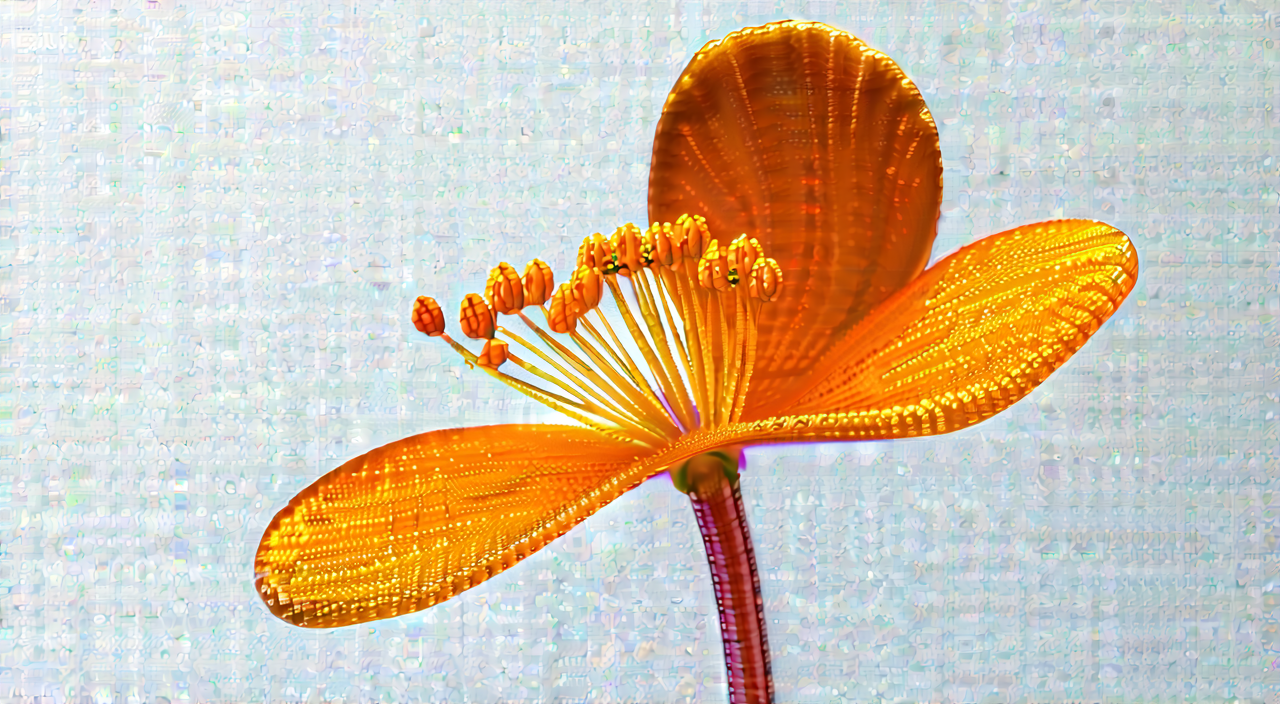
Fresh golden lotus flowers are usually bright yellow to orange-yellow. The flowers grow singly at the top of relatively tall flower stalks and generally have a distinctive cup-shaped or spherical appearance. After drying, the color may become darker and the texture more brittle, but the numerous layers of petal-like sepals can still be observed. This is one of the important characteristics used to identify golden lotus flower.
The true petals of golden lotus flower are relatively slender and are usually located inside the sepals. A relatively large number of stamens are distributed around the center of the flower. Unlike ordinary single-petaled flowers, the outer layer of golden lotus flower is not made up of only a few large petals. Instead, multiple sepals collectively form a fuller-looking floral structure. Intact flowers are generally easier than fragmented flowers to examine for color, shape, and the structure of the center.
When purchasing or identifying dried medicinal material, pay attention to the following points: first, whether the color is mainly yellow-orange; second, whether the flower retains relatively complete layered sepals; third, whether the flower stalk, center, and slender petals are generally visible; and fourth, whether there are obvious signs of mold, insect damage, or unusual odors. Similar color alone is not enough for reliable identification. Loose medicinal materials require particular attention to their legitimate source and labeling information.
What Is the Medicinal Part of Golden Lotus Flower?
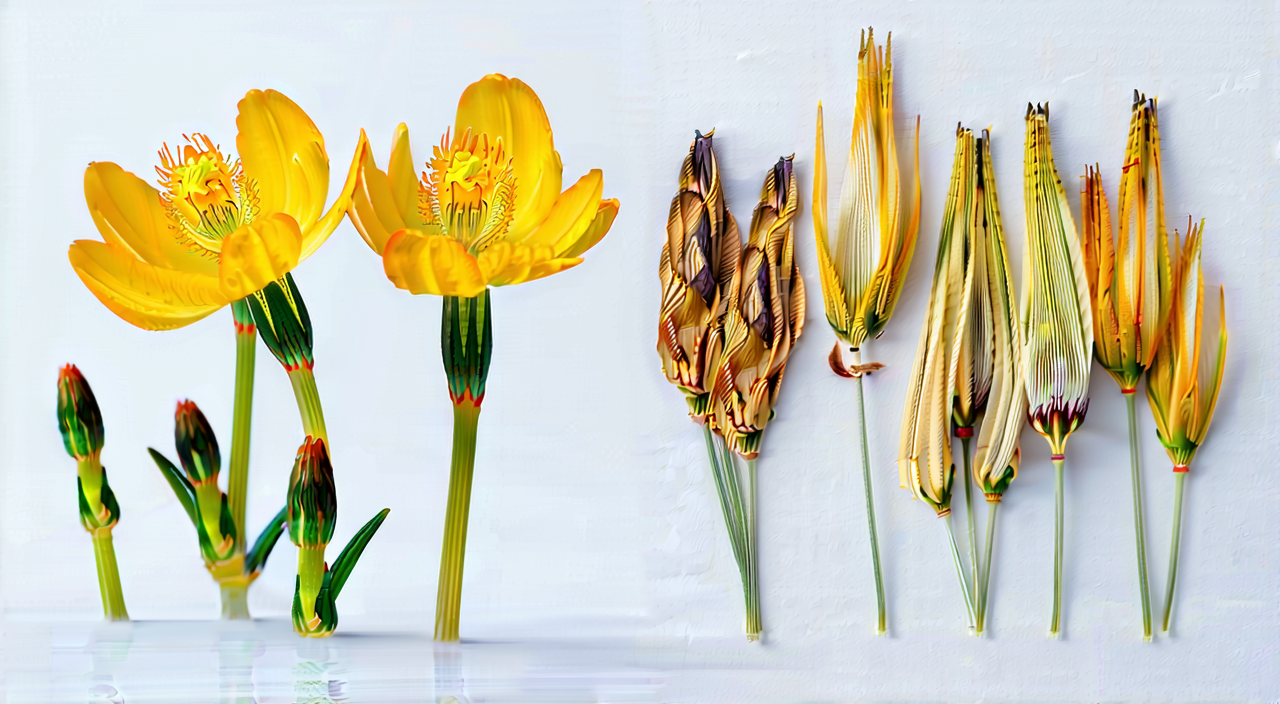
The main medicinal part of golden lotus flower is the flower, which is usually harvested during the flowering period and dried for use as a traditional Chinese medicinal material. Here, “flower” does not refer only to a single petal in the narrow sense. It includes the complete or relatively complete floral structure, including the sepals, petals, and stamens. For this reason, layered sepals and the tissues at the center of the flower can often be seen in the medicinal material.
Harvesting during the flowering period helps preserve relatively complete external characteristics. After harvesting, the material needs to be properly sorted and dried to reduce moisture and facilitate storage and subsequent processing into preparations. Different batches may vary in color and completeness because of differences in harvest time, drying methods, and storage conditions. When exposed to moisture, golden lotus flower may develop changes in color, unusual odors, or mold. Before use, it should not be judged casually based on appearance alone.
It is important to note that the roots, stems, and leaves are not the main medicinal parts of the material commonly referred to as golden lotus flower. Directly substituting the whole plant, ornamental flowers, or other plants with similar names for medicinal golden lotus flower may cause confusion. For decoctions, infused drinks, or prepared products, follow the listed ingredients and instructions on products from legitimate sources.
How Does Traditional Chinese Medicine Understand Golden Lotus Flower?
Traditional Chinese medicine commonly understands golden lotus flower in terms of clearing heat, detoxifying, and soothing the throat. These descriptions are generally used to explain traditional approaches to throat discomfort, oral and tongue discomfort, and upper respiratory discomfort. In this context, “clearing heat” and “detoxifying” are functional descriptions within traditional Chinese medicine theory. They are not equivalent to modern medical diagnoses of infection, inflammation, or a specific disease.
In traditional usage, golden lotus flower is sometimes made into a tea or a Chinese patent medicine for daily care in related areas. People differ in constitution, symptoms, and the causes of discomfort. The mere presence of a dry throat, hoarseness, or temporary discomfort does not mean that golden lotus flower is necessarily suitable for self-use. If symptoms recur or persist, the underlying cause should first be investigated.
Golden lotus flower is also often associated with soothing the throat, but this does not mean that it can replace targeted medical care. If you experience a high fever, marked difficulty swallowing, abnormal breathing, severe pain, or throat discomfort that does not improve, consult a doctor or qualified professional promptly. Do not rely solely on herbal teas or over-the-counter preparations.
What Does Modern Research Say About Golden Lotus Flower?
Modern research on golden lotus flower may include analyses of flavonoids and other constituents, as well as laboratory studies on antibacterial and antioxidant activity. In vitro experiments observe the effects of extracts or compounds on specific indicators under laboratory conditions. They can help researchers identify directions for further study, but they cannot be directly equated with actual effects in humans.
Antibacterial experiments and clinical efficacy must be clearly distinguished. The extract concentration, bacterial strain, exposure time, and preparation method used in an experiment may differ from those involved in drinking an infusion or taking an oral preparation. Human studies must also consider factors such as sample size, control design, dosage, duration, and differences between participants. Therefore, the existence of antibacterial experiments does not prove that golden lotus flower can treat a specific infection, and experimental findings should not be presented as a confirmed disease-treatment effect.
When using products such as golden lotus flower tablets, granules, or oral liquids, follow the approved product information, package insert, and professional advice. Different brands may vary in formula, strength, excipients, and intended users. Information about one product should not automatically be applied to every golden lotus flower preparation.
What Is the Difference Between Golden Lotus Flower, Honeysuckle, and Chrysanthemum?
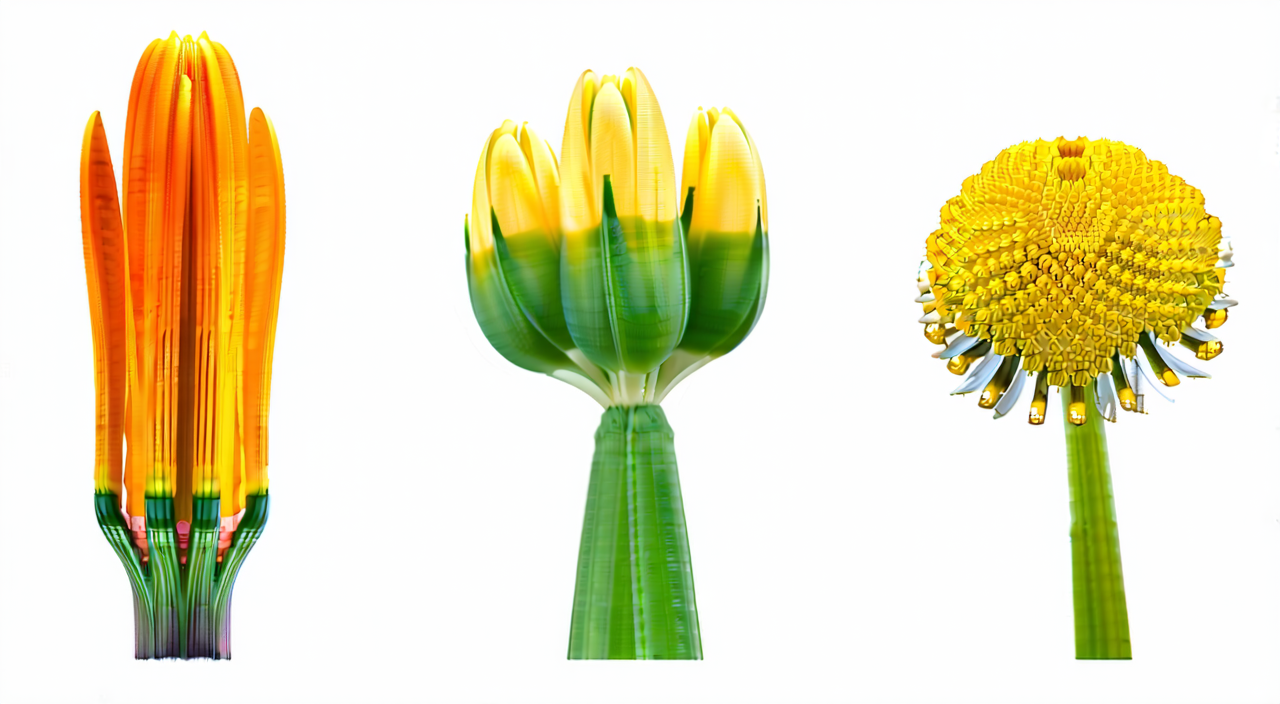
Golden lotus flower, honeysuckle, and chrysanthemum may all be discussed in connection with clearing heat, throat care, or everyday flower-based drinks. However, they are not the same medicinal material. They differ in appearance, medicinal parts, and botanical classification.
Golden lotus flower is generally used as an intact orange-yellow or yellow flower. It usually has numerous petal-like sepals, a relatively full appearance, and a center in which slender petals and many stamens can be seen. Honeysuckle comes from plants of the genus Lonicera. Its common medicinal form consists mainly of flower buds or newly opened flowers. It is usually slender and tubular, with a color that may gradually change from yellow-white, rather than having the complete spherical flower shape typical of golden lotus flower.
Chrysanthemum belongs to the Asteraceae family, and its usual medicinal part is the flower head. After drying, many small florets can be seen gathered into a single flower head. The outer ray florets and central disk florets together form the flower head, creating an overall structure different from that of a single golden lotus flower. In simple terms, when identifying them, look for the relatively complete orange-yellow flower and layered sepals of golden lotus flower, the slender buds or tubular flowers of honeysuckle, and the flower head made up of many small florets in chrysanthemum. If the material is severely fragmented, do not attempt to identify or substitute it based only on its name or color.
What Common Preparations of Golden Lotus Flower Are Available?
Common golden lotus flower preparations on the market include golden lotus flower tablets, golden lotus flower granules, and golden lotus flower oral liquid. All are based on golden lotus flower-related ingredients, but their dosage forms, excipients, strengths, methods of use, and product instructions may differ.
Golden Lotus Flower Tablets
Golden lotus flower tablets are a solid dosage form that is convenient to carry and use according to the product strength. Traditionally, they are often used in approaches related to clearing heat and soothing the throat. The specific indications, dosage, and suitability for an individual should be determined by consulting the corresponding package insert. Do not increase the frequency of use simply because tablets are convenient.
Golden Lotus Flower Granules
Golden lotus flower granules are usually dissolved in an appropriate amount of warm water and taken according to the instructions. Some products may contain sucrose or other excipients. People with special requirements regarding sugar intake, excipient ingredients, or swallowing should review the ingredients and precautions first. Children, older adults, and people taking other medicines are advised to consult a qualified professional before deciding whether to use them.
Golden Lotus Flower Oral Liquid
Golden lotus flower oral liquid is a liquid dosage form. Follow the labeling on the package regarding opening, storage, and use. Different products may vary in concentration and volume, so the dosage should not be calculated simply by referring to another dosage form. Whether choosing tablets, granules, or oral liquid, consider your constitution, symptoms, the product instructions, and professional advice rather than treating any of them as a fixed treatment plan.
What Precautions Should Be Taken When Using Golden Lotus Flower?
First, people with a cold or deficient digestive system according to traditional theory, a tendency toward diarrhea, stomach discomfort, or sensitivity to cooling beverages should carefully observe their condition before using golden lotus flower. A traditional indication does not mean that it is suitable for every constitution. If abdominal pain, diarrhea, nausea, or other discomfort occurs after use, stop self-treatment and consult a qualified professional.
Second, people with a history of allergies to related plants, pollen, or excipients in preparations should carefully check the product ingredients. If rash, itching, swelling of the face or lips, wheezing, or other unusual reactions occur after use, seek medical help promptly. People who are pregnant or breastfeeding, children, individuals with chronic illnesses, and those taking other medicines should consult a doctor or pharmacist before use.
Golden lotus flower should not be consumed as a long-term substitute tea without a clear reason. Before drinking it continuously or using it repeatedly, pay attention to your body’s response and the actual cause of the symptoms. Its plant origin does not eliminate the need to consider dosage, individual constitution, and potential interactions. If throat discomfort is severe, persistent, or recurrent, or is accompanied by a high fever, marked anxiety, chest tightness, abnormal breathing, persistent vomiting, significant unexplained weight loss, or other concerning symptoms, consult a doctor or qualified professional as soon as possible. This article is for general educational reference only and cannot replace professional diagnosis or treatment advice.
Summary
Golden lotus flower is the dried flower of related plants in the Ranunculaceae family, and its main medicinal part is the flower. It is commonly distinguished from honeysuckle and chrysanthemum by its orange-yellow color, numerous sepals, and clearly visible central structure. Traditional Chinese medicine commonly understands it in terms of clearing heat, detoxifying, and soothing the throat, but modern experimental findings are not equivalent to proven effects in humans. When using related preparations, consider your constitution, symptoms, product instructions, and professional advice. Severe or recurring discomfort should be evaluated by a medical professional promptly.