
What Is Jiu Xiang Chong? Medicinal Parts, Identification, and Common Formulas
Jiu Xiang Chong is a traditional Chinese medicinal material with a distinctive source. Unlike plant-based herbs, it comes from a stink bug species. Many people who ask what Jiu Xiang Chong is mainly want to understand its actual appearance, medicinal parts, and whether it is the same as the stink bugs commonly seen in daily life. It should first be clarified that medicinal Jiu Xiang Chong generally refers to the properly collected, processed, and dried whole body of the insect. Not every stink bug can be used medicinally, and capturing, processing, or consuming them on your own is not recommended.
In traditional Chinese medicine theory, Jiu Xiang Chong is commonly understood in terms of regulating qi and warming yang. It is often found in formulas or proprietary medicines intended to regulate qi and warm the kidneys. The information below is provided primarily for educational purposes. Any specific use should be assessed in light of individual constitution, symptoms, product instructions, and professional advice.
What Does Jiu Xiang Chong Look Like? How Can It Be Identified?
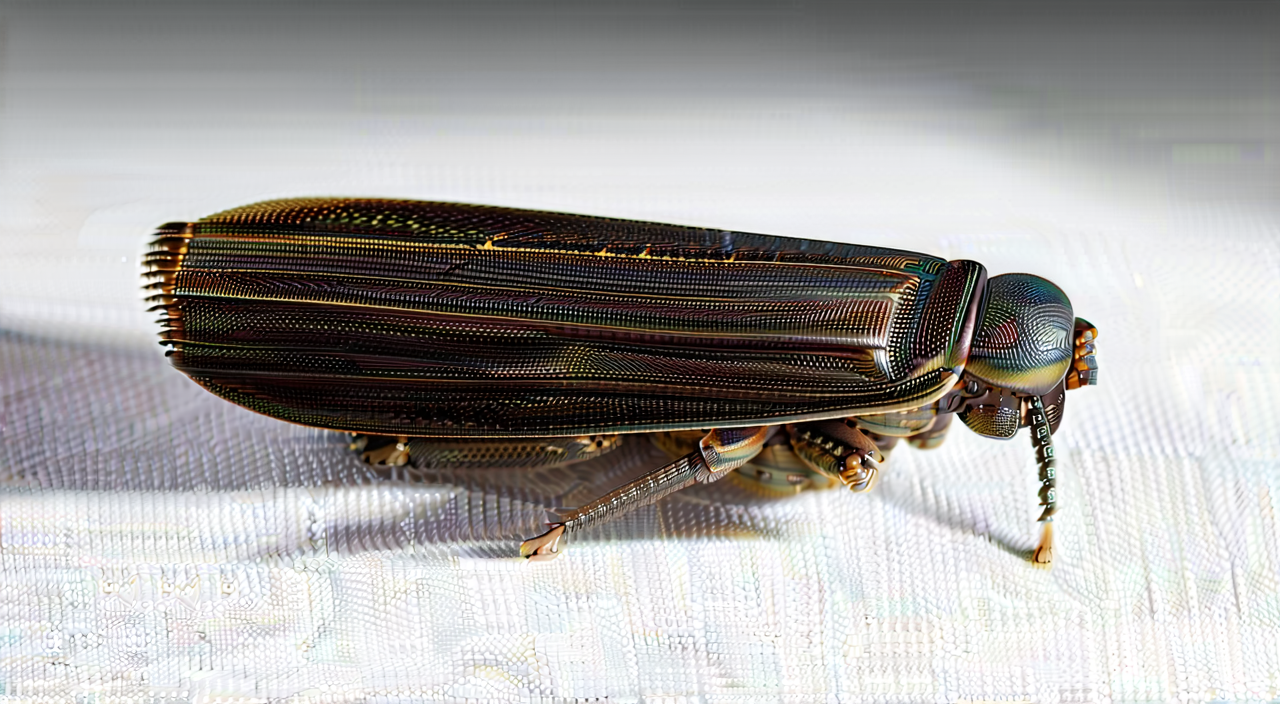
Jiu Xiang Chong typically has an oval and relatively flattened body. Its color is usually blackish brown, brownish black, or dark brown. After drying, the body becomes brittle, and its surface may retain a certain sheen. Its appearance is not the same as that of common small beetles. Identification requires an overall examination of its body shape, dorsal structure, legs, and odor.
Main Appearance Characteristics
Viewed from above, Jiu Xiang Chong has a relatively prominent pronotum, and the middle and posterior dorsal structures can usually be seen. Its wings are hemelytra: the front portions are relatively hard, while the rear portions are more membranous and fold over the abdomen. An intact medicinal specimen generally includes the head, thorax, abdomen, legs, and wings. However, some legs or wings may fall off after drying, transportation, or stir-frying.
One of the more distinctive features of Jiu Xiang Chong is its odor. When disturbed, a fresh insect may release a characteristic smell, and the dried medicinal material may still retain a pungent or unusual odor. However, odor alone cannot be used as the only basis for identification, because storage duration, processing methods, and packaging conditions can all affect its intensity. When purchasing or identifying the material, pay attention to its source, processing information, physical completeness, and whether it shows mold, insect damage, or abnormal contamination.
What Is the Medicinal Part of Jiu Xiang Chong?
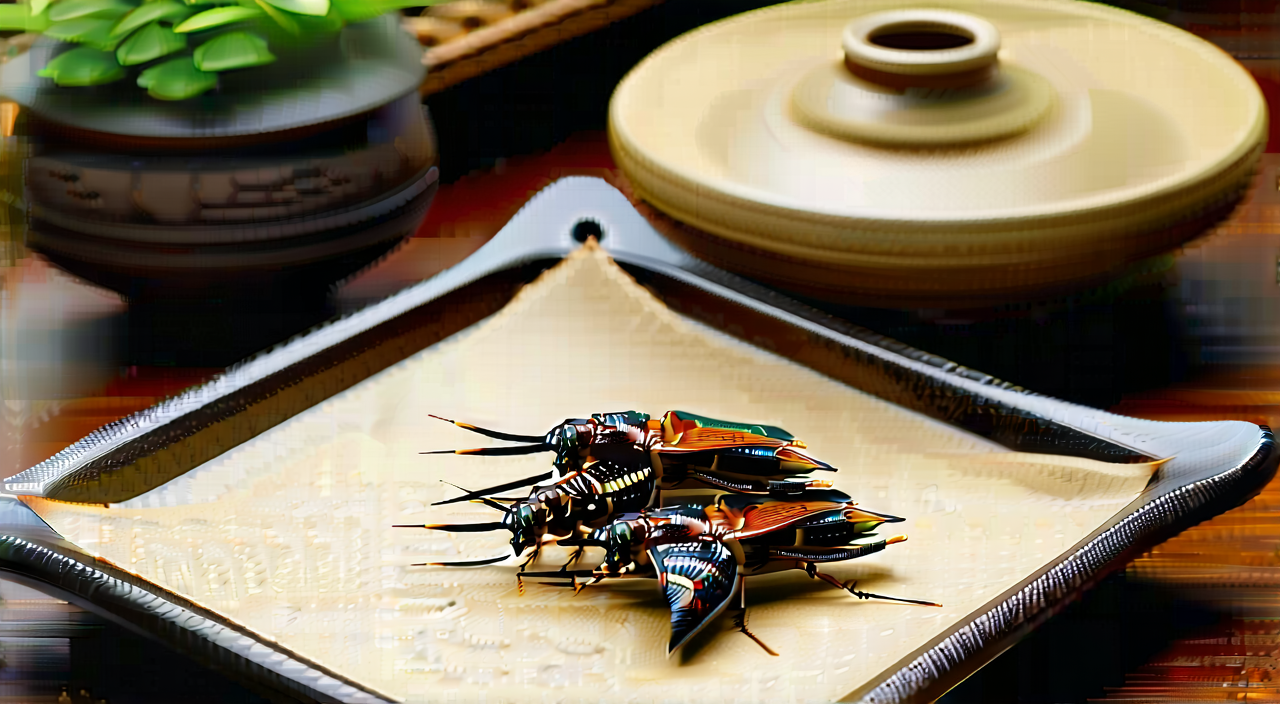
The medicinal part of Jiu Xiang Chong is its dried whole body. In other words, the entire insect is processed for use rather than only the wings, shell, abdomen, or a particular secretion. Traditional processing generally involves collection, cleaning, drying, and storage under appropriate conditions to reduce the effects of impurities, moisture, and microbial contamination on quality.
In traditional processing, Jiu Xiang Chong may sometimes be stir-fried. The purpose of processing is generally related to reducing some of its unusual odor, changing the condition of the material, and making it easier to store and use. However, processing methods may vary by source, specification, and product. After stir-frying, its color, odor, and brittleness may change, so quality should not be judged simply by how light or dark it appears.
In terms of appearance, properly dried Jiu Xiang Chong should generally be dry, relatively intact, and free from obvious mold, mucus, abnormal oiliness, or a strong putrid odor. Because insect-based medicinal materials can be affected by the production environment, collection time, processing hygiene, and storage conditions, it is important to choose products from reliable sources that comply with local regulations.
How Does Traditional Chinese Medicine Understand Jiu Xiang Chong?
Traditional Chinese medicine commonly understands Jiu Xiang Chong in terms of its nature, flavor, meridian associations, and therapeutic functions. In relevant herbal records and traditional applications, it is often associated with regulating qi, relieving pain, warming the kidneys, and supporting yang. It is particularly connected with traditional pattern concepts involving cold accumulation, qi stagnation, or dysfunction in the lower burner. These descriptions belong to the theory and traditional applications of Chinese medicine and do not constitute a modern medical diagnosis or a guarantee of efficacy.
From the perspective of herbal combinations, Jiu Xiang Chong is generally not discussed independently of the complete formula. Qi-regulating herbs may be combined with it to help promote the movement of qi, while warming and tonifying herbs may be used to reflect the traditional approach of warming and supporting yang. Specific formulas may be adjusted or selected according to symptoms, a person’s tendency toward cold or heat, age, and underlying health status. Therefore, the presence of the same medicinal material does not mean that a formula is suitable for everyone.
If you experience persistent or recurring pain, marked fatigue, palpitations, chest tightness, abnormal breathing, weight loss, or similar symptoms, consult a doctor or qualified professional first. The underlying cause should be clarified before considering a traditional treatment approach. Do not make a decision based solely on the name of a medicinal material.
What Issues Are Addressed in Modern Research?
Some modern research on Jiu Xiang Chong has focused on its insect proteins, lipids, and other components. Other studies have examined it from the perspectives of microorganisms, processing methods, and quality control. Such research may help improve understanding of the composition, storage stability, and potential risks of insect-based medicinal materials, but experimental findings cannot be directly equated with conclusions about individual outcomes.
Insect-derived medicinal materials also require particular attention to microbial contamination and allergy risks. If collection, cleaning, drying, or storage is improperly handled, the material may be affected by bacteria, mold, or environmental contaminants. Inadequate processing may also increase hygiene risks. People with a history of allergies to shellfish, insects, or other animal proteins should be especially cautious. If an abnormal reaction occurs, such as a rash, discomfort in the lips or throat, wheezing, or persistent vomiting, stop exposure promptly and seek medical help.
How Does Jiu Xiang Chong Differ from Common Stink Bugs and Woodlice?
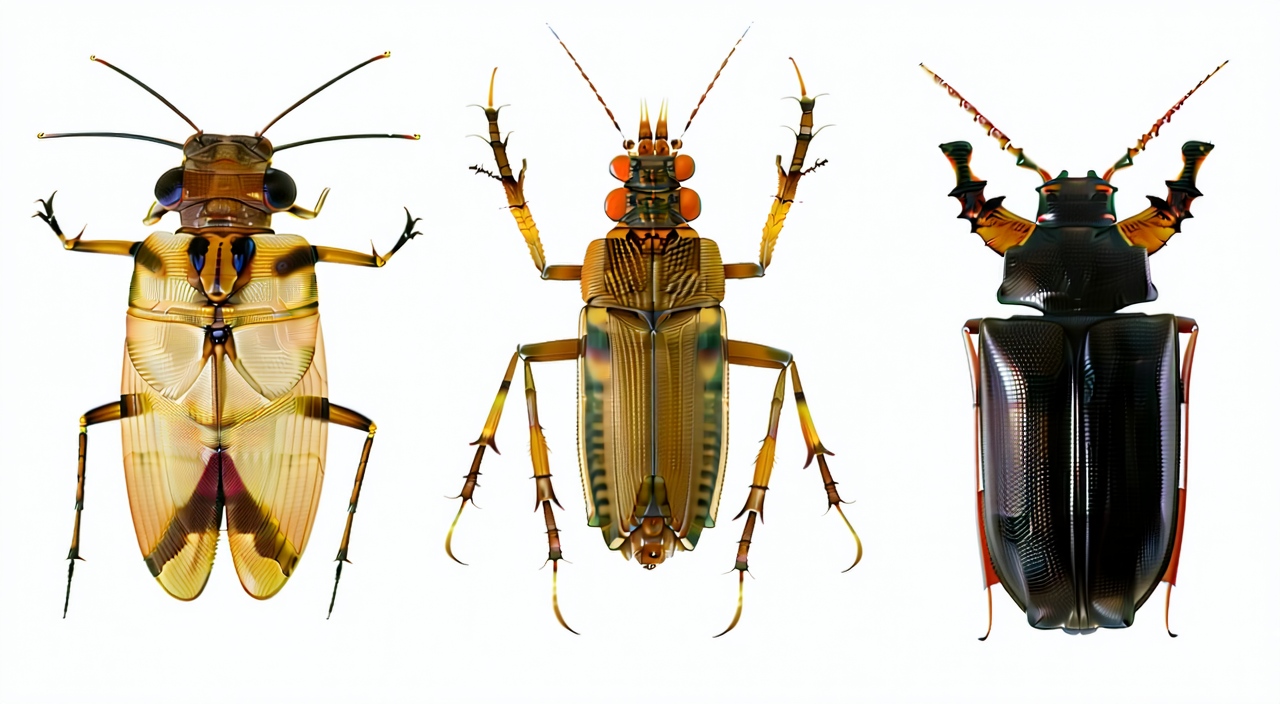
Jiu Xiang Chong and common stink bugs are related in terms of classification and appearance. In a broad sense, Jiu Xiang Chong belongs to the stink bug group, so both may have a flattened body, a distinctive odor, and hemelytra. However, medicinal names refer to specific sources and standards of use. An insect that looks like a stink bug cannot automatically be identified as Jiu Xiang Chong or assumed to have the same uses.
Common stink bug is a general everyday term for a group of insects. There are many species, and their body shape, color, wing structure, and habitat are not always the same. Medicinal Jiu Xiang Chong should come from a relatively clearly identified species and follow an appropriate processing procedure. Wild stink bugs, on the other hand, may have been exposed to pesticides, pollutants, or other hazardous environments.
Woodlice and Jiu Xiang Chong are also different medicinal materials. Woodlice belong to the order Coleoptera, and the commonly used medicinal part is the dried insect body. They are often flat, oval, or egg-shaped, but their wings and body structures differ from those of Jiu Xiang Chong. When making a simple comparison, focus on whether hemelytra are present, as well as the overall body shape, dorsal structure, and source information. When appearances are similar, photographs or verbal descriptions should not replace professional identification.
Which Formulas Contain Jiu Xiang Chong?
In traditional formulas and proprietary Chinese medicines, Jiu Xiang Chong may appear in Jiu Xiang Chong Wan, Wu Long Wan, and some formulas intended to regulate qi and warm the kidneys. These formulas reflect traditional Chinese medicine approaches to formulation. They are generally developed by considering the warming and cooling properties, upward and downward movement, tonifying and reducing actions, and qi-regulating and yang-warming relationships among the ingredients. They should not be used simply because a particular symptom appears.
The name Jiu Xiang Chong Wan indicates that Jiu Xiang Chong is relevant to its formulation focus, but the ingredients may differ among manufacturers, dosage forms, and regions. Wu Long Wan and other formulas for regulating qi and warming the kidneys may also contain multiple herbs. Their indications, directions, dosage, and contraindications should be based on the instructions for the specific product. Suitability should be assessed comprehensively in light of individual constitution, symptoms, medical history, current medications, and professional advice.
Pregnant or breastfeeding individuals, children, older adults, and people with chronic diseases, a history of allergies, or abnormal liver or kidney function should not independently try formulas containing animal-derived medicinal materials. If symptoms are severe, last for a long time, or recur, such formulas should not be used as a substitute for proper medical examination and treatment.
What Precautions Should Be Taken When Using Jiu Xiang Chong?
First, be aware of insect allergies. People who have previously experienced allergic reactions to insects, shellfish, or animal proteins should consult a professional before use. It is also important to consider hygiene and sourcing. Do not purchase the material through unknown channels, and do not capture stink bugs in fields, residential areas, or places where pesticides have been used and then process them for consumption.
Jiu Xiang Chong is an animal-derived medicinal material, and drying does not eliminate the need for hygienic storage. Check whether the packaging is intact and whether the material has become damp, moldy, or infested, or developed an unusual odor. Material that has clearly deteriorated should not be used. For proprietary medicines such as Jiu Xiang Chong Wan and Wu Long Wan, follow the product instructions. The fact that a product is traditionally used for a particular purpose does not justify increasing the dose, extending the duration of use, or combining it with other warming, tonifying, or qi-regulating products without guidance.
If persistent abdominal pain, vomiting, diarrhea, rash, breathing discomfort, palpitations, or any other significant abnormal reaction occurs after use, stop using the product and consult a doctor promptly. This article is provided for educational reference about traditional Chinese medicinal materials and cannot replace professional diagnosis or treatment advice.
Summary
Jiu Xiang Chong is an animal-derived medicinal material made from the dried whole body of a specific stink bug species. Its common characteristics include an oval, flattened body, hemelytra, and a distinctive odor. However, common stink bugs are not the same as medicinal Jiu Xiang Chong, and woodlice come from a different source. Traditional Chinese medicine generally understands it in terms of regulating qi, relieving pain, warming the kidneys, and supporting yang. Jiu Xiang Chong Wan and Wu Long Wan represent related formulation approaches. When using it, pay close attention to sourcing and hygiene, insect allergies, and individual differences. This article is for educational reference only and cannot replace professional advice.