
What Is Cassia Seed? Medicinal Parts, Identification, and Common Formulas
Cassia seed is a familiar medicinal and edible material in many households and among traditional Chinese medicine enthusiasts. It is often brewed as a tea or added to medicinal cuisine. However, for those who have never seen the raw herb, questions often arise: What exactly is cassia seed? What does it look like, and how does it differ from coffee beans? How should it be used correctly? This article provides a systematic overview of the plant origin, appearance, medicinal part, commonly used formulas, and precautions related to cassia seed, helping readers better understand this traditional Chinese herb when needed.
What Does Cassia Seed Look Like? How to Identify It
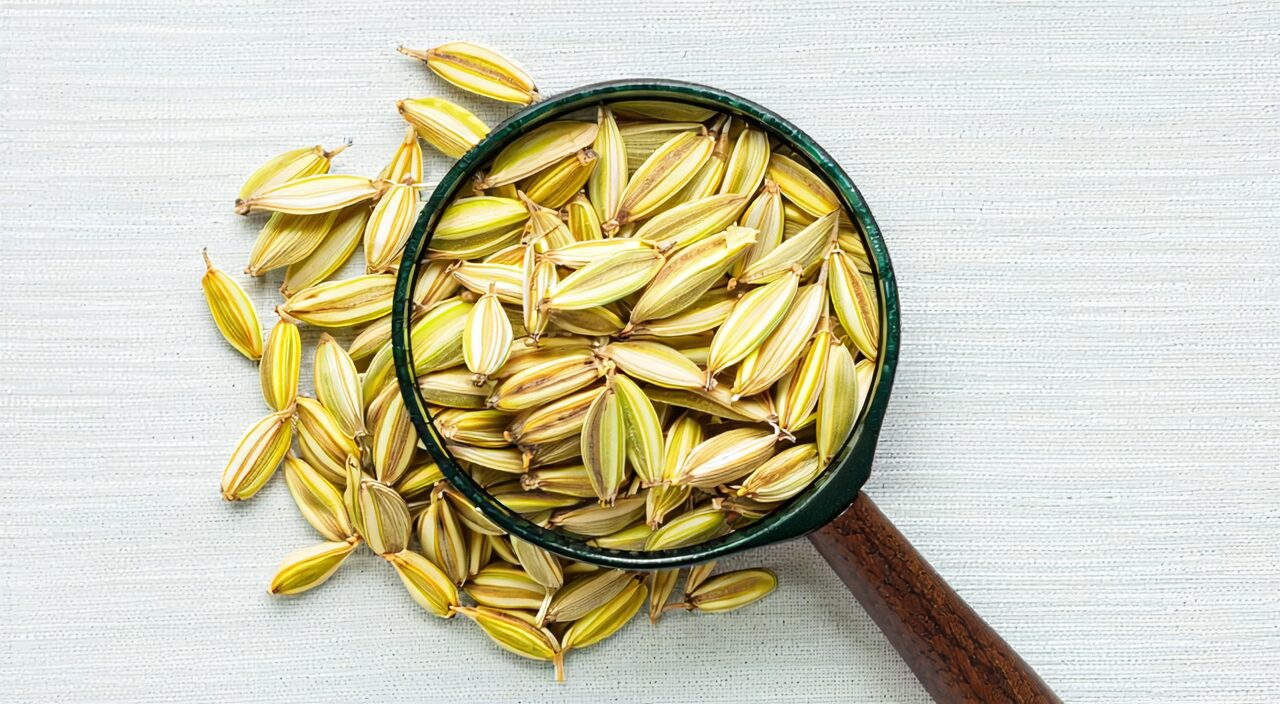
The appearance of cassia seed has unique characteristics for identification. Commercially available cassia seed is the dried ripe seed, slightly rhombic or short cylindrical in shape, with ends slanted like small ears, resembling a smaller version of a horse’s hoof. The seeds are generally 3–7 mm long and about 2–4 mm wide. The surface is yellowish-brown or greenish-brown, smooth and glossy, with a relatively hard seed coat. The most notable identifying feature is a pale yellow linear stripe on each side of the seed, which some consider to resemble fine “ribs” and becomes more obvious when held up to light. On the central ventral side of the seed, a small depression can sometimes be seen; this is the remaining hilum. If you purchase stir-fried cassia seed, the color is usually darker brown, with a slight toasted aroma, the seed coat appears slightly puffed, and the surface gloss may be reduced. A practical tip for distinguishing the raw and stir-fried products: raw cassia seed is firm and hard to crush by hand; stir-fried cassia seed is crisp, easily breaks under light pressure, and has a characteristic roasted fragrance. If you have some at home and are unsure which type it is, you can use this method to help identify it. When holding a handful of seeds in daily life, you can initially recognize them by the rhombic outline, the lateral stripes on both sides, and the depressed hilum.
What Is the Medicinal Part of Cassia Seed?
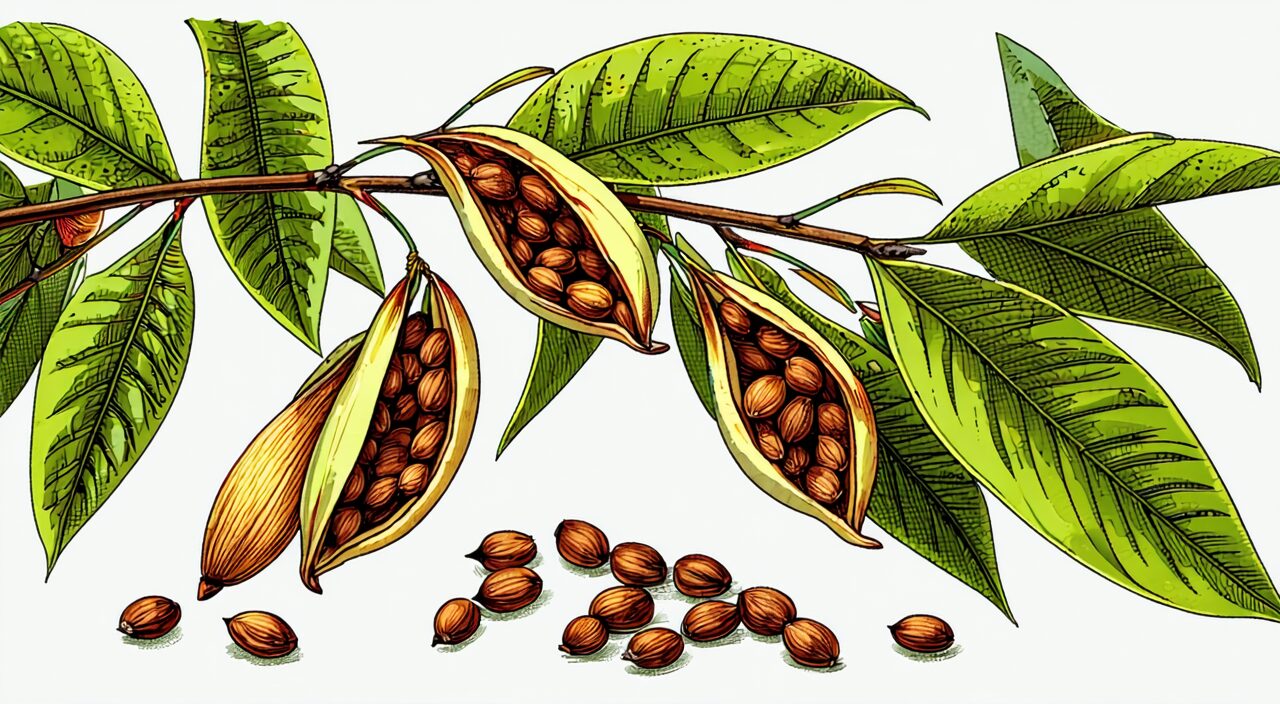
Cassia seed comes from the dried ripe seeds of the leguminous plants Cassia obtusifolia L. or Cassia tora L. The medicinal part recorded in the Chinese Pharmacopoeia is the mature seed harvested in autumn. After the ripe pods are sun-dried, the seeds are knocked out, impurities removed, and then further dried for medicinal or daily use. The whole plant is not the medicinal part; only the seeds are used. The harvest time for cassia seed is mostly in autumn, when the pods turn dark brown. After harvesting, they are sun-dried and beaten with a wooden stick to release the seeds. After removing impurities, the seeds can be further processed. Knowing this process helps in understanding the source of the herb. Two common forms are available on the market: raw cassia seed and stir-fried cassia seed. Raw cassia seed has a slight grassy smell and a relatively cold, slippery nature; stir-fried cassia seed, processed by plain stir-frying or light stir-frying, has its cold nature slightly reduced, its texture becomes crisp, making it easier to extract components, its bowel-moistening and laxative effect is relatively milder, and it leans more toward brightening the eyes. In addition, there are other processing methods, such as stir-frying with wine and steaming, but plain stir-fried cassia seed is the most common. If you want to know the specific processing method of a particular product, it is advisable to check the product label or consult a professional.
How Does Traditional Chinese Medicine Understand Cassia Seed?
In traditional Chinese medicine theory, cassia seed is sweet, bitter, and salty in flavor, slightly cold in nature, and enters the liver and large intestine meridians. Traditional herbals record that it excels at “clearing the liver and brightening the eyes” and “moistening the intestines and promoting bowel movements.” When there is heat in the liver meridian or upward flaming of liver fire, it can easily cause red, swollen, painful eyes, photophobia, excessive tearing, dry and blurry vision, and similar symptoms. Cassia seed is often used in such conditions that tend toward “liver heat.” At the same time, for constipation and difficult bowel movements due to impaired conveyance of the large intestine and intestinal dryness with fluid depletion, cassia seed is frequently used to leverage its moistening and downward nature to assist defecation. Hence, it appears in many formulas in the categories of clearing heat and moistening laxatives. It is worth noting that not all eye diseases or constipation are suitable for cassia seed; its application is more directed at conditions with heat and dryness, and those with cold and deficient constitutions need to be cautious. When considering cassia seed as a possible option, it is advisable to make a comprehensive judgment based on tongue appearance, pulse condition, and specific symptoms, rather than blindly using it long-term on your own.
What Do Modern Studies Say?
Modern phytochemical research shows that cassia seed contains anthraquinone compounds (such as chrysophanol and emodin), naphthopyrones (such as cassiaside), sterols, and other constituents. Animal experiments and cell studies have found that cassia seed extracts may have protective effects on eye tissues, can regulate certain visual-related enzyme activities, and also possess certain blood lipid-lowering and laxative effects. Some clinical observations indicate that cassia seed has promising prospects in assisting with regulating blood lipids and improving constipation. However, current studies are mostly basic experiments and small-sample observations, far from forming unified conclusions, and cannot be directly equated with the effects of routine human treatment. Therefore, cassia seed is still regarded more as a medicinal and edible plant that can assist in regulation under professional guidance, rather than a substitute for medication.
How Does Cassia Seed Differ from Coffee Beans and Radish Seeds?
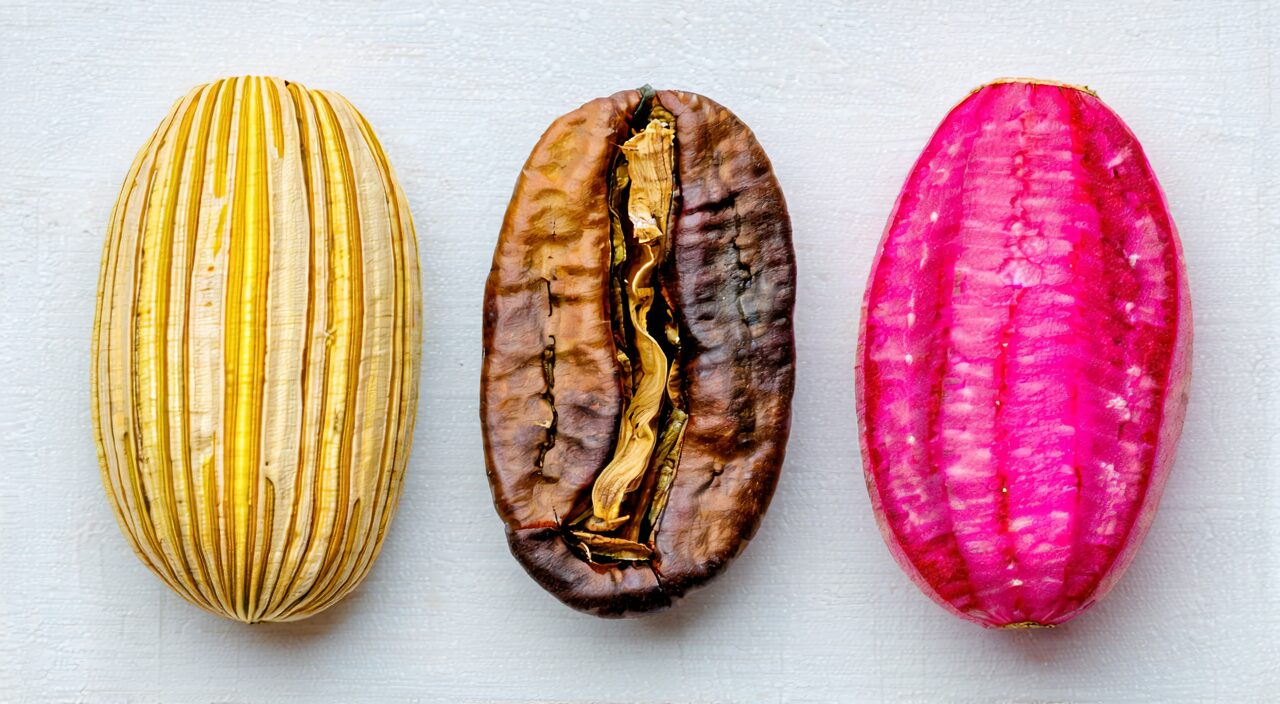
Many people easily confuse cassia seed with coffee beans because of some superficial similarity in shape, but the differences are obvious. Coffee beans are the seeds of the rubiaceous plant Coffea arabica, generally elliptical or ovate, rounded on the back with a longitudinal ridge-like groove on the ventral surface, and the color is usually dark brown to black; after roasting, they have a strong, intense roasted aroma. In contrast, cassia seed is the seed of a leguminous plant, rhombic or short cylindrical, with a pale stripe on each side, lacking the central midline groove of coffee beans, and with a faint bean-like scent or slight roasted aroma after stir-frying. As for radish seed (Semen Raphani), it is the mature seed of the cruciferous plant radish, appearing ovoid or elliptical, 2.5–4 mm long, with a reddish-brown, grayish-brown to tan surface and a caruncle at one end. Radish seed dispels food stagnation, reduces distension, directs qi downward, and transforms phlegm—its effects are completely different from cassia seed. In terms of appearance alone, radish seeds are smaller, lack lateral stripes, tend toward reddish-brown, and have a distinct caruncle, all of which make them easy to distinguish from cassia seed. If they get mixed up during storage, you can compare them from multiple angles such as shape, color, and surface texture. If conditions permit, using a magnifying glass to observe the hilum and surface details will make identification even more accurate.
Which Formulas Use Cassia Seed?
Cassia seed serves as an herb for clearing heat and brightening the eyes in many traditional formulas. For example, Juemingzi San (Cassia Seed Powder) recorded in the Taiping Shenghui Fang consists of cassia seed, gardenia fruit, kochia fruit, vitex fruit, and other herbs, traditionally used for red, astringent, painful eyes and aversion to light with tearing caused by liver heat. Shihu Yeguang Wan (Dendrobium Night Sight Pill) is a well-known Chinese patent medicine containing cassia seed, dendrobium, ginseng, goji berry, chrysanthemum flower, and others, which simultaneously supplements and enriches the liver and kidney while clearing the liver and brightening the eyes; it is often used for blurry vision and dim eyesight due to liver-kidney yin deficiency with upward disturbance of deficiency fire. Xigan Mingmu San (Liver-Washing Eye-Brightening Powder) leans more toward dispersing wind, clearing heat, resolving toxins, and brightening the eyes, and typically contains cassia seed, scutellaria root, chrysanthemum flower, mulberry leaf, and so on. Each of these formulas has a different emphasis—some focus on clearing heat, others on nourishing yin. Choosing the most suitable one requires taking constitutional state and specific symptoms into account; one should not simply apply them arbitrarily. If considering a Chinese patent medicine that contains cassia seed, it is recommended to first consult a traditional Chinese medicine practitioner or pharmacist to make a judgment based on individual circumstances. The use of traditional formulas stresses matching the pattern, and even for food-grade herbs, long-term use without pattern differentiation is not recommended.
What Precautions Should Be Taken When Using Cassia Seed?
Although cassia seed is a common medicinal and edible item, several points require attention during use. First, its nature is relatively cold, so inappropriate use by people with spleen-stomach deficiency, loose stools, or a tendency to diarrhea may worsen discomfort. Cassia seed has a certain tendency to lower blood pressure; for those already with hypotension, long-term high-dose consumption of cassia seed tea may lead to symptoms such as dizziness and fatigue, so it is not suitable for hypotensive individuals to use regularly as a tea substitute. Pregnant women have a special physiological condition and should be particularly cautious before use, ideally under the guidance of a professional. Raw cassia seed has a stronger lubricating and laxative effect on the intestines, while stir-fried cassia seed is relatively milder, but it is still not advisable to drink it continuously for an extended period. Typically, it is recommended to use it for a period and then discontinue for a while, to avoid intestinal dependence or affecting normal defecation function. Additionally, cassia seed should not be stacked with other laxative herbs that contain large amounts of anthraquinones, to prevent adverse effects. Some people drink large amounts of the infused water daily in an attempt to improve vision or constipation, but this practice may not be scientific, and over the long term it may actually disrupt the body’s own regulatory capacity. Therefore, the use of any traditional herb should be based on understanding your own constitution and, combined with product label instructions and professional advice, make a comprehensive judgment.
Summary
As a commonly used herb for clearing heat, brightening the eyes, moistening the intestines, and promoting bowel movements, cassia seed has easily recognizable appearance features, though it is often confused with coffee beans and radish seeds. Grasping its rhombic shape and bilateral linear stripes allows effective differentiation. Applications in traditional formulas mainly revolve around two directions: clearing the liver and moistening the intestines, and the medicinal properties differ between the raw and stir-fried forms. The key to rational use of cassia seed lies in carefully choosing based on constitution and specific conditions, with special attention required for those with spleen-stomach deficiency and cold, hypotension, and other special populations. This article is for popular science reference only and cannot replace professional diagnosis or individualized medication advice.