
What Is Saiga Antelope Horn? Medicinal Parts, Identification Methods, and Common Formulas
Many people overseas first hear about “saiga antelope horn” from traditional formulas used to relieve vertigo, convulsions, or high fever with delirium. This medicinal substance holds a somewhat special place in Chinese medicine, but because its animal source is subject to strict protection regulations, its use, identification and understanding all require extra caution. This article is intended solely for traditional educational purposes. It collates information on the physical characteristics of saiga antelope horn, its medicinal parts, how to distinguish it from similar materials such as goat horn, and common formulas that include it, so as to help readers build a relatively complete framework of Chinese medicine knowledge. It does not provide any guidance on purchasing or authenticating products.
What does saiga antelope horn look like? How is it identified?
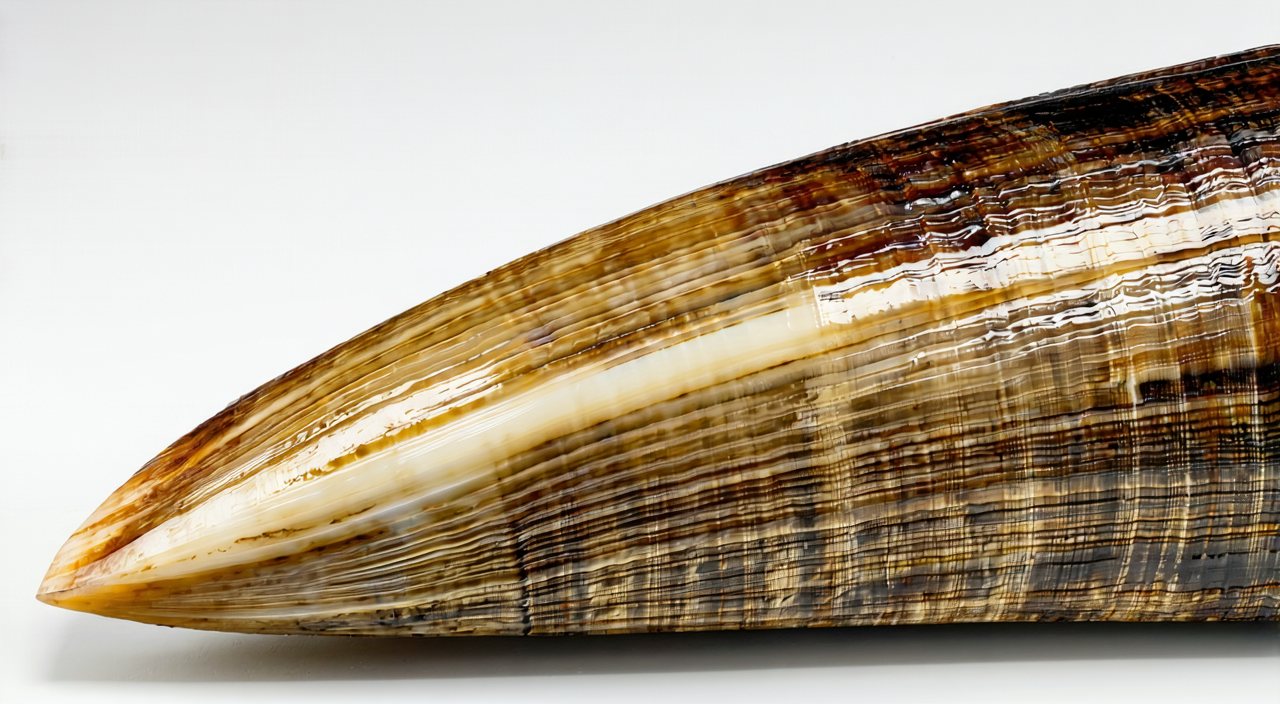
In traditional experience, saiga antelope horn mainly comes from the horn of the saiga antelope. The intact horn is a long conical shape, slightly curved, typically measuring 15 to 40 centimeters in length, with a base diameter of about 3 to 4 centimeters. The surface shows relatively distinct, fine longitudinal striations, as well as ring-like ridges that bulge at intervals. These ridges are denser near the base of the horn and become sparser toward the tip.
One feature often mentioned in traditional identification is the “heaven-penetrating eye.” Because the tip of the saiga antelope horn is tough and semi-transparent, when viewed against light, a faint, fine channel can sometimes be seen running from the tip toward the base. Experienced traditional pharmacists call this the “heaven-penetrating eye.” However, this characteristic requires specific lighting and considerable experience to observe clearly. It is provided here only as cultural background, and it is not recommended to use it for personal authentication or as a basis for judging authenticity.
In addition, the color of saiga antelope horn is mostly yellowish-white or pale yellowish-brown. The texture is hard, but the interior of the horn is not completely solid. Traditional identification may also consider the morphology of a cross-section at the base, as well as odor, but these are all insights accumulated through long-term practice by professionals and are not suitable for consumers to apply on their own.
What is the medicinal part of saiga antelope horn?
The medicinal part of saiga antelope horn is the horn itself, usually the portion above the base. In traditional processing, the internal bony core is removed, and the horn is then cut into thin slices, ground into powder, or decocted separately according to need.
It must be emphasized that the saiga antelope is a protected species, and many countries and regions impose strict legal restrictions on the trade and use of saiga antelope horn. Therefore, in modern clinical applications and research, legally approved substitute materials with liver-pacifying and wind-extinguishing properties—such as goat horn, concentrated water buffalo horn powder, or certain plant-based medicinals—are often preferred under professional guidance, so as to reduce reliance on wild animals. The introduction of saiga antelope horn in this article is only a review of traditional Chinese medicine knowledge and does not equate to a recommendation for its use.
How is saiga antelope horn understood in Chinese medicine?
Within Chinese medical theory, saiga antelope horn is commonly categorized as a substance that “pacifies the liver and extinguishes wind.” Traditionally, it is considered cold in nature, salty in taste, and primarily enters the liver and heart channels. Its core therapeutic logic is to address certain imbalances from the perspectives of “subsiding internal wind” and “clearing the liver.”
When the body presents manifestations characterized by “heat” and “movement”—such as high fever, restlessness, convulsions, or vertigo and headache—ancient physicians would often consider using saiga antelope horn to pacify liver yang, extinguish liver wind, and simultaneously clear the liver and brighten the eyes. In addition, for some warm-heat diseases or subcutaneous purpura caused by heat toxins, classical bencao texts also record that saiga antelope horn has the effect of dispersing blood stasis and resolving toxins.
Although these therapeutic directions are well documented in ancient texts, they are all premised on accurate pattern differentiation. Saiga antelope horn is not a product for daily health maintenance. Its use tends to target relatively acute or severe conditions, and whether it is appropriate must be judged comprehensively by integrating individual constitution and other signs and symptoms.
What do modern studies say about saiga antelope horn?
Modern understanding of saiga antelope horn is increasingly focused on conservation biology and research into substitutes. Because the survival of the saiga antelope is a matter of high international concern, saiga antelope horn has long been listed in relevant conservation conventions, and cross-border transport and trade may violate the law. As a result, from researchers to clinical practitioners, there is a general inclination to seek sustainable, legal, and verifiable alternatives.
In pharmacological research, some experimental findings suggest that extracts of saiga antelope horn may have antipyretic, sedative, and anticonvulsant effects. However, the strength and quality of the research evidence remain limited, and it cannot be recommended as a routine treatment. At the same time, substitutes such as goat horn and water buffalo horn show a degree of similarity in composition and traditional application, making them the more legally compliant and sustainable directions of exploration at present.
For the general overseas user, a more prudent approach is to understand the background of this medicinal material, rather than hastily attempting to obtain it through various channels. Even if local regulations permit its use, one should confirm that the source is legal and traceable, and fully consult qualified professionals.
What are the differences between saiga antelope horn, goat horn, and water buffalo horn?
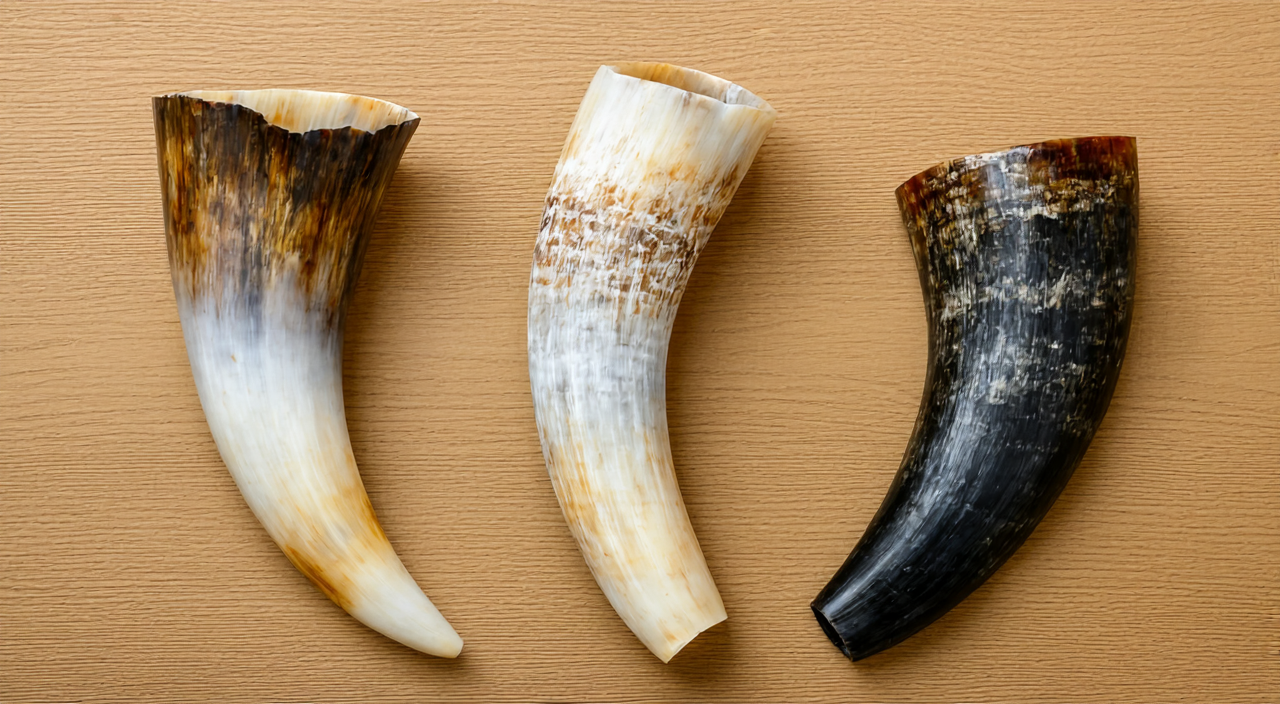
There are clear differences among the three in terms of animal origin, external characteristics, and traditional application directions. Understanding these distinctions helps avoid unintentional confusion between different types of horn.
In terms of animal origin, saiga antelope horn comes from the saiga antelope, goat horn comes from animals of the Capra genus in the Bovidae family, and water buffalo horn comes from the water buffalo. In terms of appearance, saiga antelope horn is a long conical shape with distinct ring-like ridges and longitudinal striations, and the tip is semi-transparent. Goat horn is generally shorter and more curved, with variable shapes; its ridges are less regular than those of saiga antelope horn, the texture is coarser, and it does not exhibit a “heaven-penetrating eye” feature. Water buffalo horn has a curved, arc-like or coiled shape, with a darker surface color, and its texture differs greatly from that of saiga antelope horn.
In traditional Chinese medicine application, although all three have been recorded to clear heat and settle fright, saiga antelope horn is traditionally considered to have a stronger action in pacifying the liver and extinguishing wind; water buffalo horn tends more toward clearing heat and cooling the blood; and goat horn has been used more as a regional substitute for saiga antelope horn in milder presentations. It must be stressed again that these distinctions are only based on traditional understanding. In actual use, one must still follow current regulations and individual circumstances, prioritize legally approved substitutes, and avoid personally comparing and purchasing these substances.
Which formulas use saiga antelope horn?
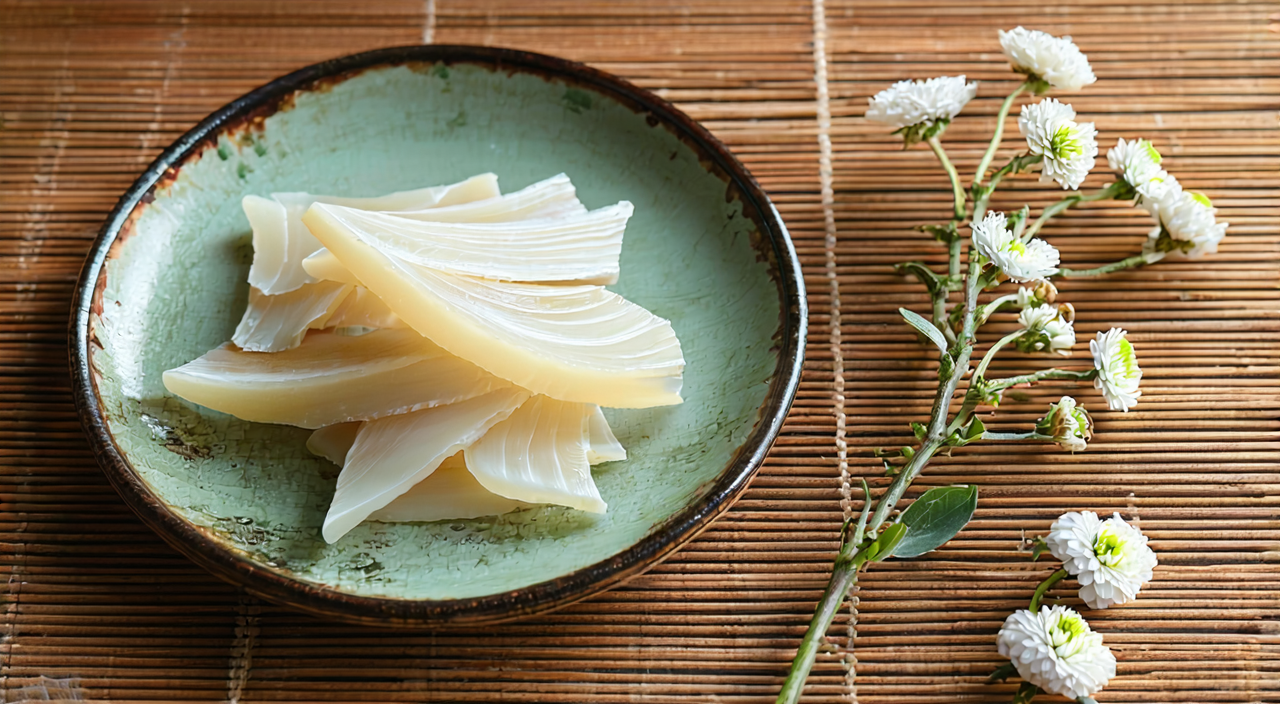
In Chinese herbal formulas, saiga antelope horn often appears in classical compositions aimed primarily at pacifying the liver, extinguishing wind, clearing heat, and opening the orifices. Three representative formulas are introduced here, solely for cultural understanding.
Lingjiao Gouteng Decoction is one of the more frequently cited examples. Its composition centers on saiga antelope horn, gougeng (Uncaria), sangye (mulberry leaf), chuanbeimu (Fritillaria cirrhosa), and others. Traditionally, it is used for high fever, convulsions, and restlessness caused by liver heat generating wind. The formula’s design emphasizes cooling the liver, extinguishing wind, increasing fluids, and relaxing the sinews.
Zixue Dan (Purple Snow Pill) is another well-known formula containing saiga antelope horn, commonly applied in more acute and severe states such as heat-induced coma and high-fever convulsions. Besides saiga antelope horn, the formula includes shigao (gypsum), hanshuishi (calcite), and shexiang (musk), among others, and works overall to clear heat, open the orifices, relieve spasms, and calm the mind. Zixue Dan is an emergency-type formula with strict usage criteria and must never be taken casually on one’s own.
Lingyangjiao San (Saiga Horn Powder) refers to a category of powder-based variations that feature saiga antelope horn as a key ingredient. The composition differs slightly across different eras but generally revolves around pacifying the liver, clearing heat, and brightening the eyes, often combined with juhua (chrysanthemum) and juemingzi (Cassia seed). The common feature of these formulas is their cold, cooling nature, and they mostly target relatively pronounced or acute conditions, requiring them to be administered by a professional only after clear pattern differentiation.
What precautions should be taken with saiga antelope horn?
As a strictly protected animal product, the use of saiga antelope horn must first comply with the laws and regulations of the country or region in which one resides. Privately carrying, mailing, or purchasing saiga antelope horn from unknown sources is very likely to entail legal risks and also harms wildlife conservation.
Secondly, from the perspective of safe use, saiga antelope horn is mainly indicated for specific manifestations in acute and severe states, such as high fever accompanied by convulsions or loss of consciousness. Such situations themselves require emergency medical intervention, and self-medicating will only delay the optimal window for treatment. Therefore, whether from a legal standpoint or a safety standpoint, one should not purchase or use saiga antelope horn on one’s own.
If health concerns lead one to take an interest in this type of medicinal substance, the sensible approach is to communicate with professionals qualified in Chinese medicine and prioritize legally approved substitutes, such as goat horn or concentrated water buffalo horn powder, or to switch to plant-based liver-pacifying medicinals based on individual circumstances. Under no circumstances should one bypass necessary medical procedures based on personal judgment.
Summary
Saiga antelope horn is a medicinal substance that carries a wealth of traditional experience, but it also involves multiple considerations including wildlife protection, legal regulation, and medication safety. Its physical characteristics, medicinal parts, and differences from goat horn and water buffalo horn can be appreciated as general cultural knowledge. However, when it comes to actual use, conservation laws and clinical safety must always come first. This article is provided solely for educational purposes in traditional medicine and cannot replace professional diagnosis or treatment advice, nor does it constitute any form of guidance toward use or acquisition.