
What Is Long Chi? Its Medicinal Part, Identification, and Common Formulas
When many people first see the name “Long Chi,” they may assume it comes from a legendary dragon or refers to the tooth of an ordinary animal. In fact, Long Chi is a fossilized medicinal material formed from the teeth of ancient mammals through geological change. Its name is largely related to how ancient people interpreted the appearance of fossils. For readers who want to understand the origins of traditional Chinese medicinal materials, traditional approaches to calming the spirit, or related formulas, it is important to first distinguish its true source, appearance, and limits of use.
What Does Long Chi Look Like? How Is It Identified?
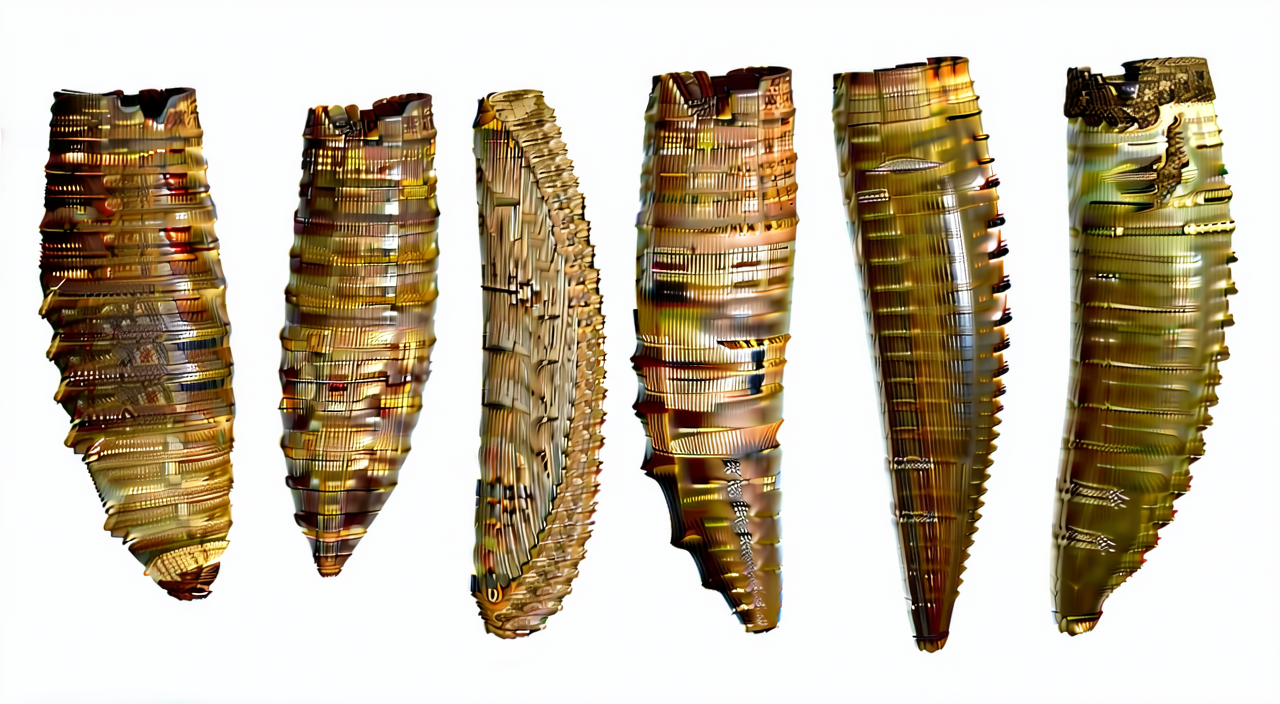
Long Chi is associated with fossilized teeth and commonly appears as irregular chunks, fragments, or pieces that retain some tooth-like structures. Its color is often grayish white or yellowish white, although variations in burial conditions, mineral staining, and processing may produce differences in shade. The surface may sometimes have a glaze-like luster similar to tooth enamel. The material is relatively hard, and its cross-section is generally dense.
When identifying it, pay particular attention to the following features:
- Crown characteristics: Some specimens may show a relatively thick crown or crown-like raised areas and wear surfaces. The surface may display patterns formed by natural wear.
- Root characteristics: Some pieces may show root-like structures, but these are easily broken during excavation and processing. Therefore, not every piece of Long Chi retains a complete root.
- Color and luster: Grayish white and yellowish white are common colors. Enamel portions may be more lustrous than the internal tissue, but the strength of the luster should not be used as the sole basis for identification.
- Longitudinal fissures and wear surfaces: Naturally formed longitudinal cracks, layers, and wear surfaces are common. The edges may also be irregular because of weathering or processing.
It is important to note that specimens sold on the market may already have been cut, selected, or processed, so their appearance can vary considerably. A photograph, color, or tooth-like appearance alone cannot confirm the species or source. When identifying a traditional medicinal material, consult reputable supply channels, product labels, recorded physical characteristics, and qualified professionals. Unidentified fossils should not be used as Long Chi on one’s own.
What Is the Medicinal Part of Long Chi?
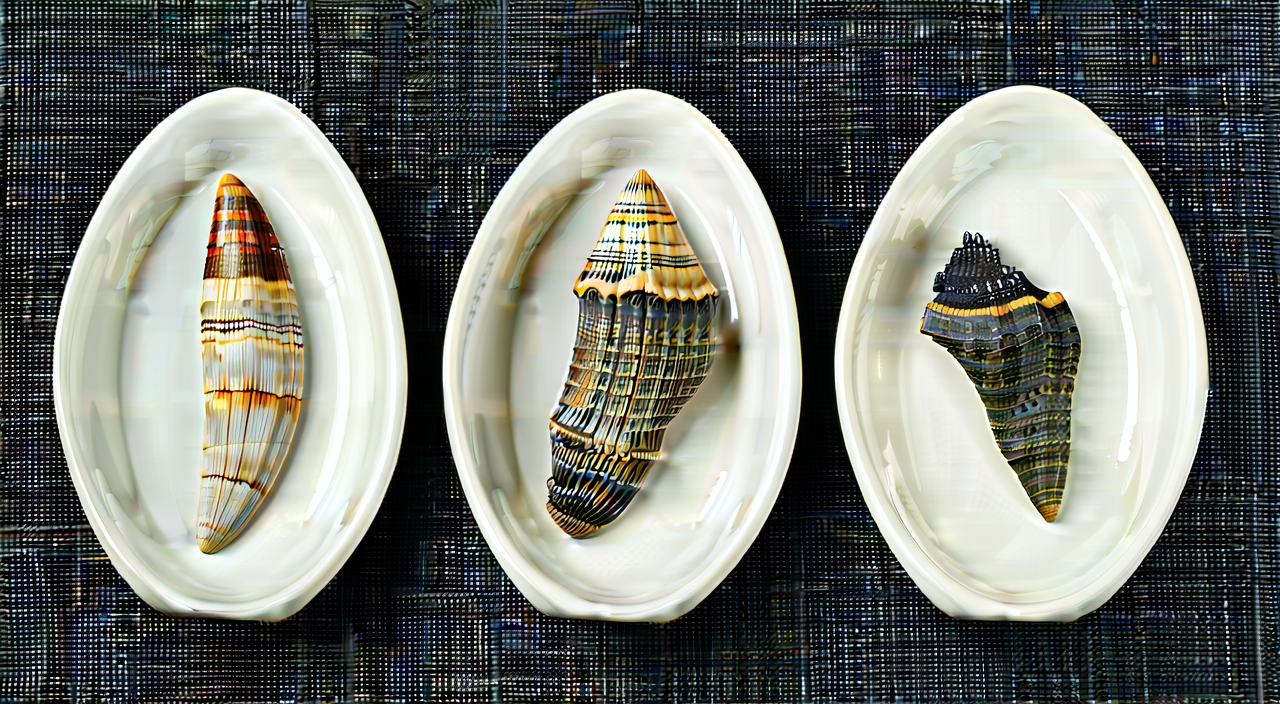
From the perspective of traditional medicinal classification, the medicinal part of Long Chi is not a plant root, stem, leaf, or flower, but a fossil formed from the teeth of ancient mammals. After collection, it generally needs to be cleaned of visible impurities such as soil and sand, followed by preparation, drying, and grading. Specific processing procedures may differ by region or product, so the applicable pharmacopoeia, product information, and supplier details should be followed.
Traditional processing may also produce a material called calcined Long Chi. Calcination involves heating the material to change its physical state, making it easier to pulverize or use in subsequent preparations. Cleaned Long Chi and calcined Long Chi may differ in color, texture, cross-section, and ease of pulverization, and should not simply be regarded as identical products. When reading information about formulas or patent medicines, consumers should check whether the prescription specifies Long Chi or calcined Long Chi and whether the product indicates a particular processing standard.
Because Long Chi is a fossil-based, mineral-type medicinal material, its powder may vary in source and may contain associated minerals or processing impurities. Proper quality control generally needs to address physical characteristics, identification, impurities, heavy metals, and other contamination risks. Fossils with unknown origins, unclear labeling, or those excavated independently should not be directly ground or taken.
How Does Traditional Chinese Medicine Understand Long Chi?
Traditional Chinese medicine generally understands Long Chi from the perspective of “calming the spirit through heavy settling.” In classical texts and materia medica experience from different historical periods, it has commonly been associated with traditional approaches for patterns involving restlessness of the spirit, palpitations and uneasiness, and irritability. It has also traditionally been viewed as supporting the clearing of heart-related agitation and settling fright or disturbance. Here, “calming the spirit” refers to a theoretical framework and therapeutic direction in traditional Chinese medicine. It is not equivalent to a modern medical diagnosis and cannot be used to conclude that Long Chi will necessarily be effective for any particular disease.
In actual pattern differentiation, a practitioner of traditional Chinese medicine generally will not decide whether to use Long Chi based on a single symptom. Instead, they may consider sleep quality, emotional changes, sensations of palpitations, complexion, tongue appearance, pulse characteristics, and overall constitution. Long Chi is often combined with other medicinal materials to create different approaches emphasizing sedation, clearing the heart, nourishing the blood, or harmonization. The same complaint of “restlessness of the spirit” may arise from different constitutions and causes, so formulas and methods of use should not be substituted for one another.
If difficulty sleeping, pronounced anxiety or depression, palpitations, chest tightness, or symptoms such as abnormal breathing or persistent pain occur repeatedly or over a long period, consult a physician or qualified traditional Chinese medicine professional first to identify possible causes rather than relying on mineral- or fossil-based medicinal materials on your own.
What Areas Does Modern Research Focus On?
Modern understanding of Long Chi initially focuses on its fossil origin and mineral composition. During prolonged burial, teeth undergo mineralization, and their original tissues may be replaced or filled by minerals to varying degrees. As a result, samples from different regions, geological strata, and preservation conditions may not have exactly the same composition. Common research areas include inorganic mineral components, trace elements, structural changes, and physicochemical differences before and after processing.
Because fossil-based medicinal materials have complex natural origins, contamination control is also an important issue. Heavy metals, associated minerals, residual soil, and external contamination during storage may all affect sample quality. Modern quality management places greater emphasis on traceable sourcing, batch testing, standardized processing, and compliant labeling rather than relying solely on a traditional name or appearance.
It is important to distinguish between detecting certain mineral components and proving that Long Chi has a definite effect on a particular disease. Laboratory observations, traditional experience, and clinical use represent different levels of evidence. Consumers should not interpret information about chemical composition directly as a promise of efficacy.
What Is the Difference Between Long Chi, Long Gu, and Mother-of-Pearl?
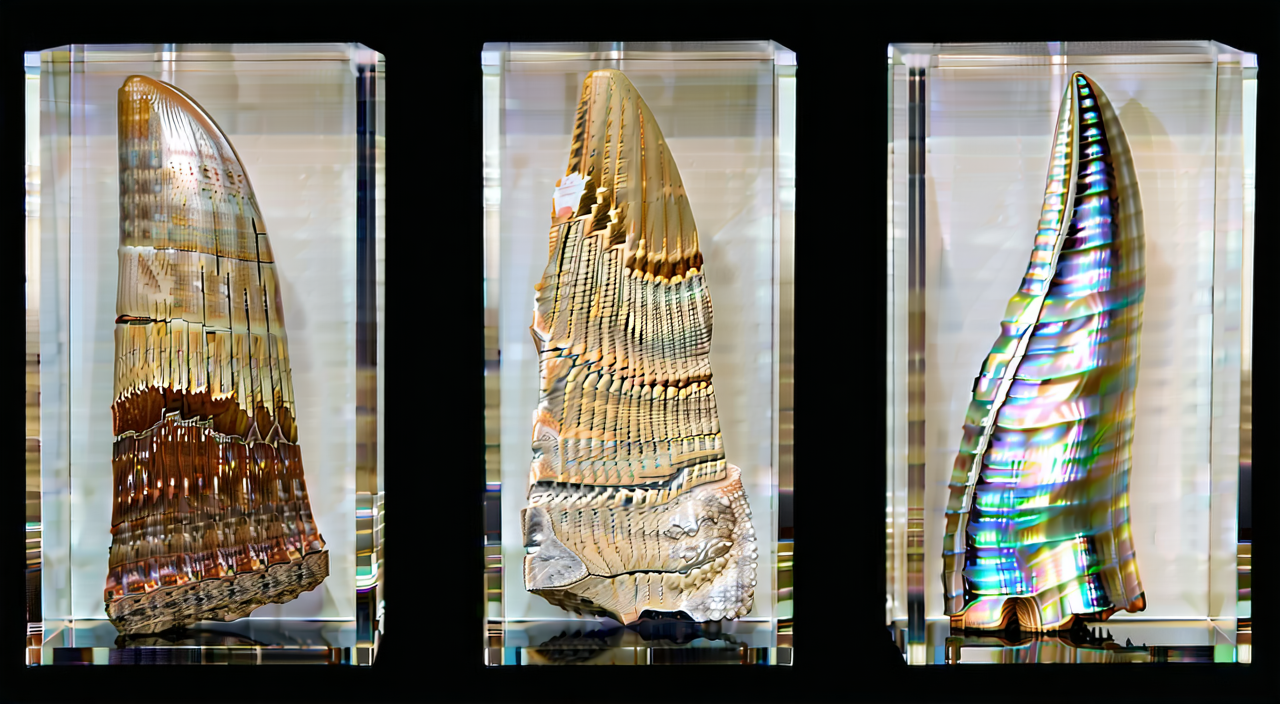
Long Chi, Long Gu, and mother-of-pearl have all appeared in traditional formulas associated with calming the spirit, but their sources and physical forms are different.
| Medicinal material | Traditional source and nature | Key identification features | Common traditional approach |
|---|---|---|---|
| Long Chi | Fossilized teeth of ancient mammals | May retain crown or root-like structures, with common enamel luster and wear surfaces | Calming the spirit through heavy settling; clearing heart-related agitation |
| Long Gu | Fossilized bones of ancient mammals | Usually bone fragments or chunks, with bone-like textures or porous features | Calming the spirit through heavy settling; securing and stabilizing functions |
| Mother-of-pearl | The calcium-based inner layer of a shell | Layered or plate-like structure, often with a pearly sheen or inner-shell luster | Traditional approaches involving calming rising Liver yang and calming the spirit |
These materials cannot be substituted for one another simply because their names contain the word “dragon” or because they are all mineral- or fossil-based materials. Long Chi and Long Gu are both associated with ancient animal fossils, but the former is oriented toward tooth structures while the latter is oriented toward bone structures. Mother-of-pearl comes from shells and differs in both material properties and appearance. Identification and formulation should be based on reliable medicinal-material information.
Which Formulas Contain Long Chi?
Names such as Long Chi Zhen Xin Dan, Long Chi An Shen Wan, and Long Chi San may appear among traditional formulas and patent medicines. Historical versions, ingredient ratios, dosage forms, and manufacturing standards may not be identical. Products with the same name may also differ by region or manufacturer, so the specific contents cannot be determined from the formula name alone.
- Long Chi Zhen Xin Dan: The traditional name generally emphasizes calming the heart and spirit. It may be useful for understanding historical formulation approaches. Check the information for the specific product regarding ingredients, directions, and intended users.
- Long Chi An Shen Wan: This is generally the name of a patent medicine or formula named around the traditional direction of calming the spirit. The actual formula may contain multiple medicinal materials, and suitability should be assessed according to the individual’s circumstances.
- Long Chi San: The name of a powder preparation commonly appears in records of classical formulas or traditional preparation systems. Before use, confirm its source, specifications, directions, and current compliance information.
These names should only serve as a starting point for learning about traditional formulas and should not be regarded as direct solutions for personal symptoms. Anyone taking other medicines, as well as those who are pregnant, breastfeeding, children, and older adults, should consult a physician or qualified professional first and assess the product together with its instructions.
What Precautions Are Needed When Using Long Chi?
Long Chi is a fossil-based, mineral-type traditional medicinal material, so users should not focus only on the words “calming the spirit.” Traditionally, people with weak digestion, poor digestive capacity, or a tendency toward constipation are advised to exercise greater caution before using heavy-settling materials. Those with abdominal bloating, difficulty passing stool, or chronic gastrointestinal discomfort should consult a professional first. These precautions cannot replace individualized pattern differentiation and do not mean that everyone will experience the same reactions.
Also pay attention to the following issues:
- Confirm the source: Choose reputable products with clear names, specifications, batch numbers, and quality information. Avoid purchasing fossil specimens with unknown origins.
- Distinguish processing specifications: Long Chi and calcined Long Chi are processed differently. Follow the product instructions or professional advice, and do not alter the processing method yourself.
- Avoid grinding it yourself: Unidentified fossils may contain mineral impurities or contaminants. Home environments cannot adequately perform identification, impurity removal, and testing, so self-pulverization for consumption is not recommended.
- Consider special circumstances: Pregnant or breastfeeding individuals, children, older adults, and people taking multiple medicines should obtain professional advice first.
- Seek medical care promptly: If symptoms are severe, persistent, or recurrent, or are accompanied by marked anxiety, depression, palpitations, chest tightness, abnormal breathing, severe abdominal pain, persistent vomiting, black stools, unexplained weight loss, or other concerning signs, consult a doctor promptly.
In addition, Long Chi involves paleontological fossil resources. Its collection, circulation, and cross-border transport may be subject to local laws, customs requirements, and regulations governing species or fossil resources. Overseas users should pay particular attention to proof of origin, import restrictions, and product compliance. The term “traditional medicinal material” does not mean that it may be freely collected, processed, or transported.
Summary
What is Long Chi? In simple terms, it is a fossilized medicinal material formed from the teeth of ancient mammals. It is commonly grayish white or yellowish white and may display a crown, root, enamel luster, longitudinal fissures, and wear surfaces. It differs from Long Gu, which comes from fossilized bones, and mother-of-pearl, which comes from shells. Cleaned and calcined specifications should also be distinguished. Related formulas should be understood only as traditional approaches. Whether they are appropriate in practice should be determined according to the product information, individual constitution, and professional advice. This article is for general educational reference only and does not replace professional diagnosis or treatment advice.