
What Is Longan Aril? Medicinal Part, Identification, and Common Formulas
Longan aril, also often called dried longan pulp or guiyuan rou, is the dried aril of the fruit of Dimocarpus longan (Sapindaceae), used both as food and medicine. Many people think of it simply as a sweet dried fruit, but from the perspective of traditional Chinese medicine, longan aril is a mild tonic often used for patterns involving deficiency of both the heart and spleen. It is common in home dietary therapy as well as in classical formulas, so understanding what longan aril actually is, how to identify it, and how it differs from similar medicinal substances is helpful both for daily selection and for gaining a deeper understanding of traditional regulatory approaches.
What Does Longan Aril Look Like? How to Identify It
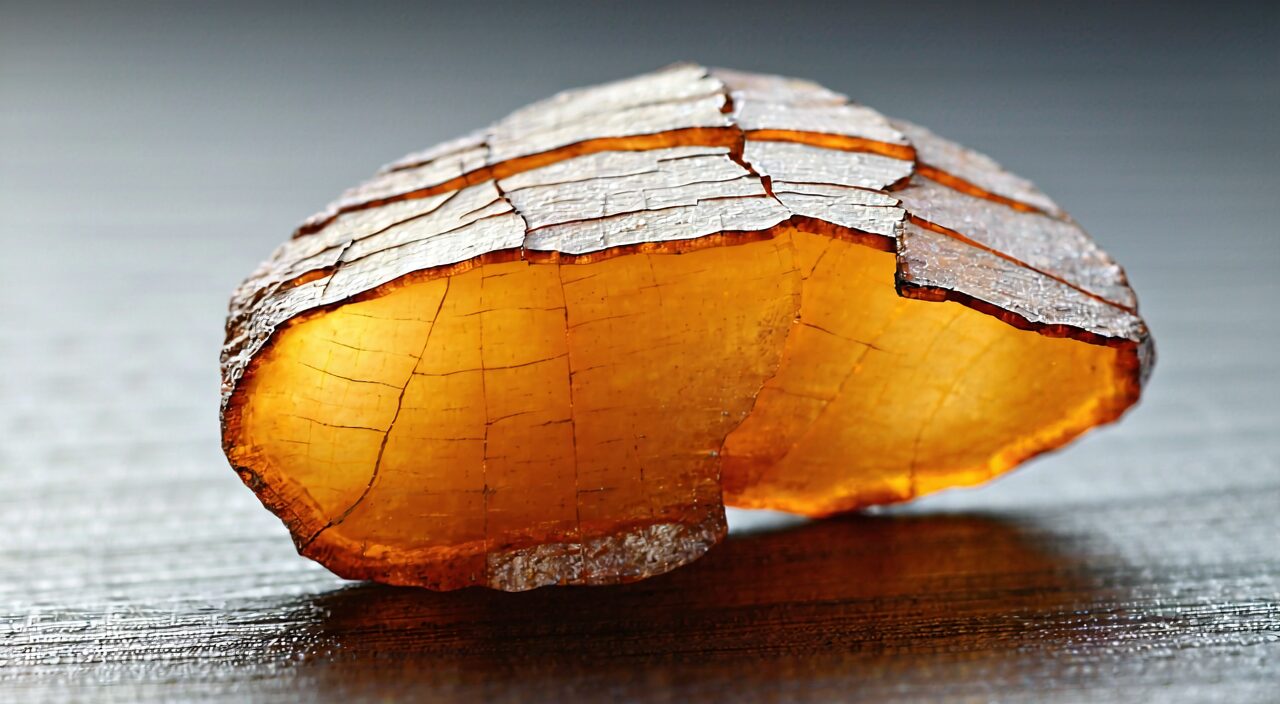
When used as a medicinal substance, longan aril does not appear plump and round like fresh longan fruit; rather, it mainly consists of irregular, thin slices that have split lengthwise, and often sticks together into loose clumps due to its sugar content. Individual slices are generally about 1.5–3.5 cm long and very thin, less than 1 mm thick, looking soft and translucent.
The surface color is typically yellowish-brown to brownish-brown; when held up to light, a semi-translucent texture can be perceived. It feels pliable, moist, and slightly sticky to the touch. It has a distinctive sweet aroma and tastes sweet, with a faint hint of sourness. If stored improperly and exposed to moisture, the color tends to darken, stickiness increases, and sometimes a slight fermented odor develops.
When selecting longan aril, preference is usually given to pieces that are thick, yellowish-brown, translucent, with a clean sweet fragrance and no sour or off odor. Because of its high sugar content, it readily absorbs moisture and spoils; it is best stored sealed in a cool, dry place. If the color turns blackish, a distinct sour smell appears, or it hardens into clumps, it is likely no longer suitable for use.
What Is the Medicinal Part of Longan Aril?
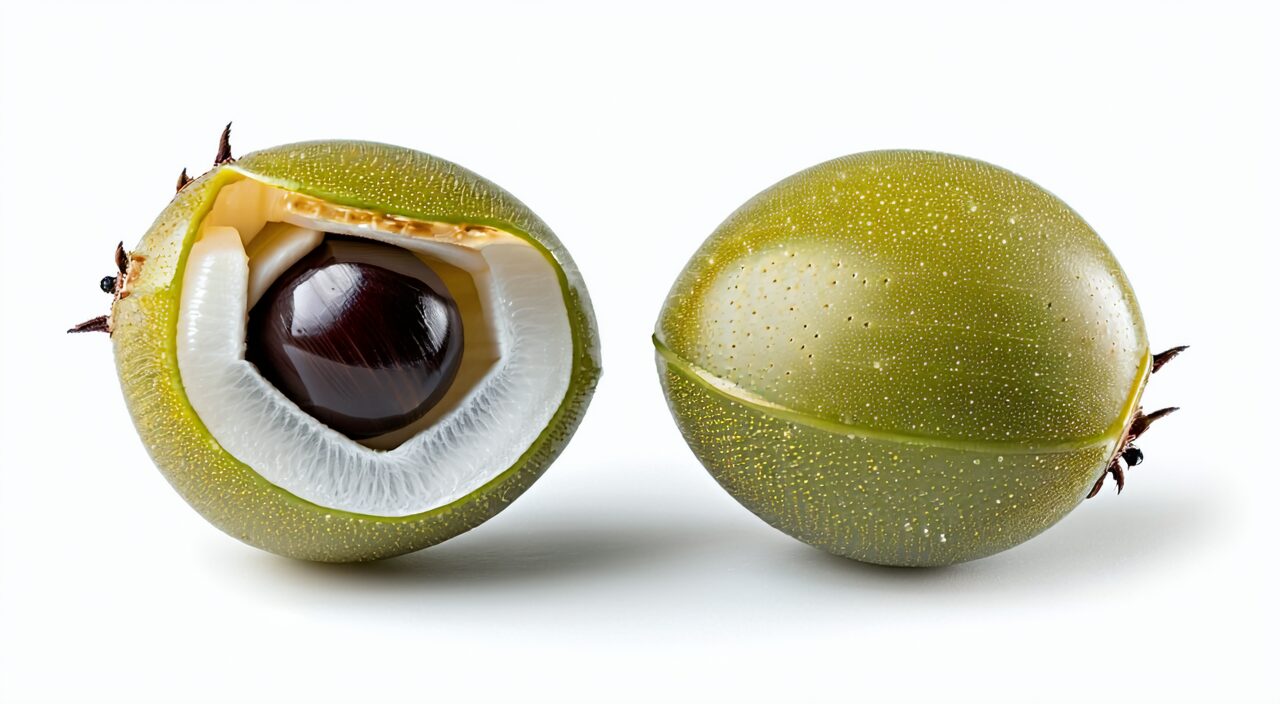
The medicinal part of longan aril is the aril. An aril is a botanical term referring to a fleshy outgrowth that develops from the seed stalk and surrounds the seed. When fresh, it appears white and semi-translucent, enclosing the black seed. The fresh longan pulp we eat is this aril; after drying, it becomes the medicinal longan aril.
Harvesting and processing usually take place in late summer to early autumn when the fruit is ripe. The traditional method involves cutting whole fruit clusters, first sun-drying or heat-drying them, then peeling off the aril and continuing to dry it; alternatively, the pulp may be removed first and then dried. The finished decoction pieces mostly appear as irregular thin slices or curled pieces; sometimes they stick together because of exuded sugar, which is normal and does not affect the intended direction of use.
It is important to note that although longan shell, longan seed, and longan aril come from the same fruit, their medicinal parts are completely different. The shell and seed have distinct traditional applications and should not be confused. When purchasing and using, it is essential to clearly confirm that the part needed is the aril.
How Does Traditional Chinese Medicine Understand Longan Aril?
In the traditional Chinese medicine system, longan aril is sweet in flavor, warm in nature, and enters the heart and spleen meridians. Its core action is to tonify the heart and spleen, nourish blood, and calm the mind.
“Tonifying the heart and spleen” mainly refers to its potential to help improve manifestations such as fatigue, poor appetite, and a pale or lusterless complexion caused by deficiency of heart-spleen qi and blood. “Nourishing blood and calming the mind” refers to its value in regulating conditions such as forgetfulness, tendencies toward palpitations, restless sleep, and easy waking from fright due to heart-spleen deficiency. Therefore, in traditional formulas, longan aril is often combined with herbs such as ginseng, astragalus, Chinese angelica, and spiny jujube seed to reinforce the intention of supplementing qi and nourishing blood; it is not a substance that exerts its effects in isolation.
This understanding is based on the holistic perspective of qi and blood, emphasizing that by supplementing qi and blood, the heart spirit is nourished—rather than directly intervening in a single disease. Hence, it is traditionally said that longan aril is “neither cloying nor drying,” making it suitable as a gentle tonic, but still must be considered in light of individual constitution to determine appropriateness.
What Components and Effects of Longan Aril Are of Interest in Modern Research?
Current modern research on the components of longan aril mainly focuses on polysaccharides, oligosaccharides, vitamin C, vitamin K, various amino acids, and trace elements. Experimental studies have observed that longan aril extracts exhibit certain antioxidant, immune-enhancing, and anti-stress effects in vitro, and some animal studies have explored its possible influence on memory and sleep rhythms.
However, these studies generally remain at the cellular and animal experiment stage, with relatively little evidence from large-sample human clinical trials. Therefore, this information can only serve as a directional reference for understanding the potential effects of longan aril and should not be interpreted as clinical treatment conclusions. If one wishes to use longan aril as an adjunct for body regulation, it should still be carefully chosen based on a full understanding of one’s own condition and combined with professional judgment.
How Does Longan Aril Differ from Similar Medicinal Substances?
Substances easily confused with longan aril by name or appearance include jujube fruit and lychee seed, but there are clear differences in their sources, medicinal parts, and traditional application emphasis.
- Jujube fruit (Dazao): Derived from the ripe fruit of Ziziphus jujuba (Rhamnaceae). The medicinal part is the whole dried fruit. The outer skin is reddish-brown with obvious wrinkles, the flesh is yellowish-brown, soft, and sweet in flavor. Traditionally it emphasizes tonifying the center and supplementing qi, nourishing blood and calming the mind, and is commonly used for spleen-stomach weakness, low food intake with loose stools, and visceral agitation in women. Longan aril tends to enter the heart and spleen; jujube fruit tends to enter the spleen and stomach, and in formulas jujube also often plays a role in moderating harsh properties.
- Lychee seed (Lizhihe): Derived from the seed of Litchi chinensis (Sapindaceae), the same family as longan, but the medicinal part is the completely different seed. The dried seed is oblong or ovoid, with a brownish-red to purplish-brown surface. It is hard and completely lacking in sweetness. Traditionally used to regulate qi and stop pain, dispel cold and dissipate masses, it is mostly applied in conditions such as hernia pain and testicular swelling. It is entirely different from longan aril in both characteristics and application approach, and is only sometimes discussed alongside it because of their botanical relationship.
Understanding these differences not only aids in correct identification of medicinal substances but also helps avoid misuse of different parts or different species.
Which Formulas Use Longan Aril?
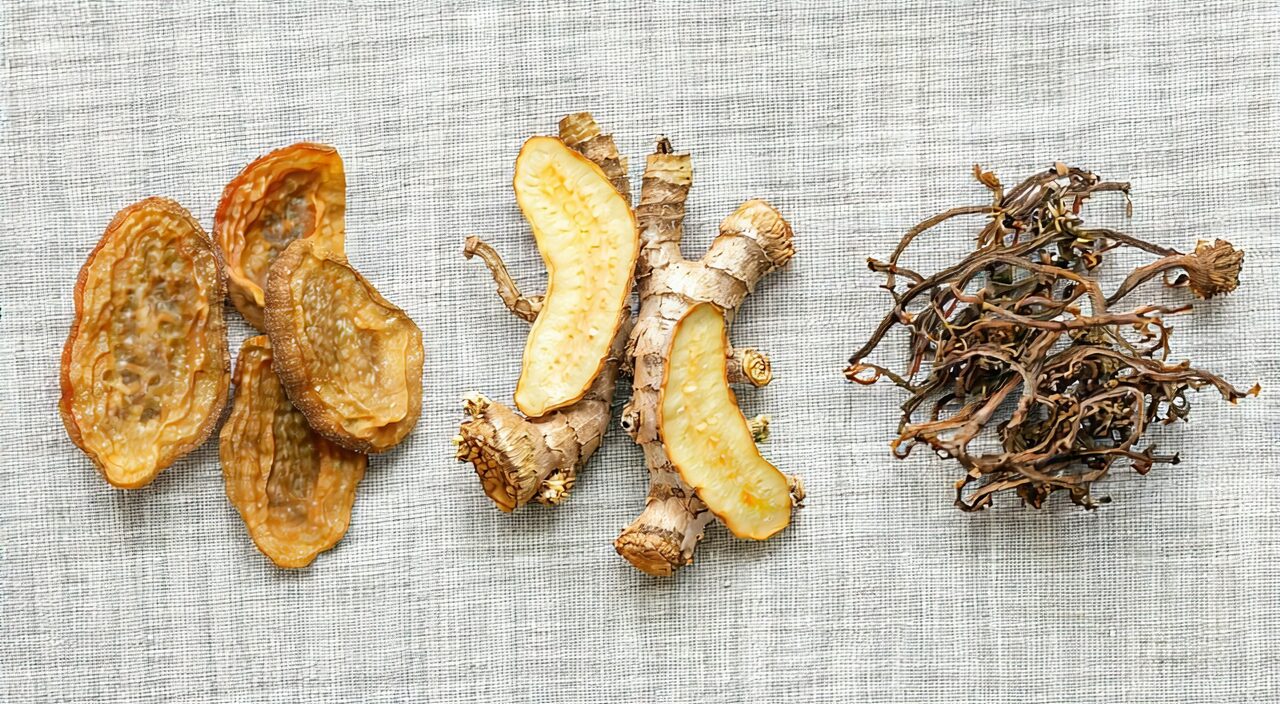
In traditional formulas, longan aril often plays the role of tonifying the heart and spleen and nourishing qi and blood. Below are several formulas or dietary tonic preparations commonly seen in literature and daily regulation.
- Guipi Decoction (Restore the Spleen Decoction): A classic formula for supplementing qi and nourishing blood, strengthening the spleen and nourishing the heart. In the original formula, longan aril is combined with ginseng, atractylodes, astragalus, Chinese angelica, spiny jujube seed, polygala, and others. Traditionally used for patterns of heart-spleen qi and blood dual deficiency manifesting as forgetfulness, palpitations, insomnia, low food intake, and bodily fatigue. Longan aril within the formula emphasizes nourishing heart-spleen blood and assisting in calming the mind.
- Yuling Paste: A steamed paste preparation mainly composed of longan aril and American ginseng, sometimes with a small amount of white sugar. Traditionally used for regulating qi and blood deficiency, fatigue and weakness, and lack of vitality. Here, longan aril serves as the main blood-nourishing ingredient, while American ginseng supplements qi; the two work together to achieve dual supplementation of qi and blood.
- Longan Aril Paste: Simply a thick paste made by simmering pure longan aril with water. It is a convenient dietary tonic method. Traditionally it is considered helpful for the aged and weak, those with qi and blood insufficiency, and those with light sleep tendency. However, because of its high sugar content, it should not be consumed in excess, and whether it is suitable for long-term use must be determined based on individual circumstances.
These formulas and dietary tonic ideas are accumulations of traditional experience. Each person’s constitution and actual presentation differ; whether they are suitable still requires comprehensive judgment in combination with product descriptions, personal conditions, and professional advice.
What Precautions Should Be Taken When Using Longan Aril?
Although longan aril is generally regarded as a mild tonic, several aspects still require special attention.
First, regarding glucose metabolism. Longan aril has a relatively high sugar content. Individuals with unstable blood sugar control or existing glucose metabolism abnormalities should decide on the amount and frequency of consumption under medical guidance and should not consume large amounts on their own.
Second, constitutional factors. Longan aril is sweet and warm, tending toward supplementation. If one’s constitution is characterized by internal damp-heat or phlegm-fire exuberance—for example, a yellow greasy tongue coating, copious sticky phlegm, or sticky unresolved stools—consuming large amounts may aggravate sensations of fullness and discomfort. During colds and fever, especially when coughing yellow sticky phlegm, it is also generally not recommended to use the warming and tonifying longan aril alone.
Additionally, do not consume longan aril casually in very large quantities just because it is a food material. Any tonic substance emphasizes “suitability,” not “the more the better.” Overconsumption may impair spleen-stomach transportation and transformation, triggering abdominal distension, indigestion, and other problems.
If there is long-term, recurrent severe insomnia or it is accompanied by obvious anxiety, palpitations, weight loss, and other manifestations, one should not rely solely on longan aril for regulation but should seek medical assistance promptly.
Summary
Longan aril is a traditional medicinal substance obtained from the aril of Dimocarpus longan, primarily appearing as yellowish-brown, translucent thin slices. Traditionally it is used in the direction of tonifying the heart and spleen, nourishing blood, and calming the mind. It differs fundamentally from jujube fruit and lychee seed in source and medicinal part. When using it, practical considerations such as glucose metabolism and constitutional tendencies also need attention. The formulas introduced in this article, such as Guipi Decoction and Yuling Paste, are all traditional combination strategies and do not equate to individual treatment recommendations. It is advisable to base understanding of longan aril on objective knowledge and individual conditions, and consult professionals when necessary.