
What Is Lu Feng Fang? Medicinal Parts, Identification, and Common Formulas
When many people first hear about Lu Feng Fang, they associate it with honey, beeswax, or edible honeycomb. In fact, Lu Feng Fang comes from the nests of wasps in the Vespidae family. It is an animal-derived Chinese medicinal material and is not the same thing as honeycomb from honeybees. Because of its unusual source, potential concerns may include wasp venom, insect proteins, environmental contaminants, and processing hygiene. Understanding what Lu Feng Fang is, how to identify it, and what limitations apply to its use is generally more important than focusing solely on its traditional effects. This article is intended for educational purposes about Chinese medicinal materials and cannot replace diagnosis or treatment advice from a doctor or qualified professional.
What Does Lu Feng Fang Look Like? How Can It Be Identified?
Appearance and Texture
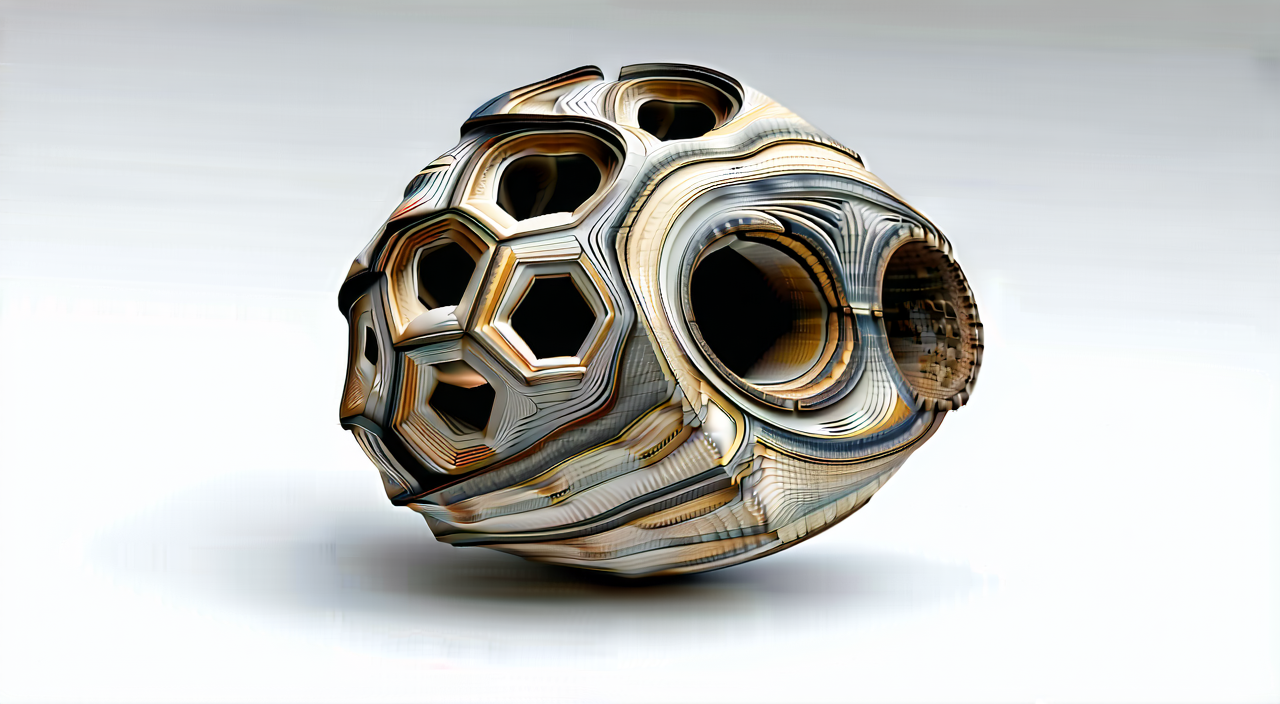
Traditional Lu Feng Fang medicinal material usually appears as an irregular disk-shaped, clumped, or roughly lotus-pod-shaped structure. The nest is generally made of papery material formed after wasps chew plant fibers. The surface and broken sections often show hexagonal cells arranged in a pattern that is not completely regular. Differences in wasp species, nest age, and processing methods can affect its appearance, so it cannot be identified reliably from a single image or color alone.
Its color is generally grayish white, grayish yellow, or grayish brown. The material is relatively light and brittle; it may become soft when damp and can easily break or crumble when dry. Some samples may retain layers of nest walls, small amounts of shed insect skins, or other impurities, although properly prepared medicinal materials are usually sorted and cleaned. Samples with obvious mold, an unusual odor, damp stickiness, severe insect damage, or unclear sourcing and processing information should not be used without professional guidance.
Limitations of Identification
What Lu Feng Fang looks like cannot be determined solely by its color and nest cells. The market may contain nests from other insects, broken nest fragments, or adulterated products that have not been properly processed. When examining it, consider the papery layers of the nest, the shape of the cells, its light and brittle texture, and its source information. Also check whether it has undergone standardized processing or testing. For users outside China, translated names, species differences, and import regulations may also affect identification. When necessary, consult a pharmacist or another qualified professional.
What Is the Medicinal Part of Lu Feng Fang?
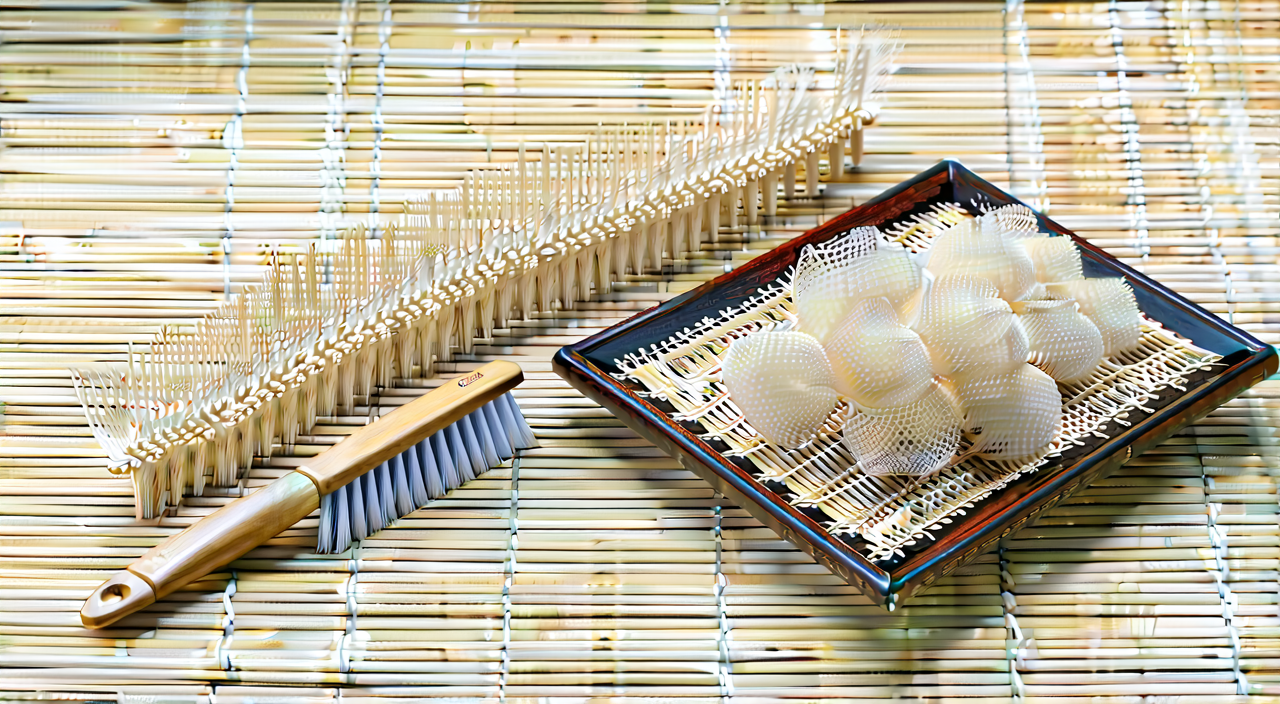
The traditional medicinal part of Lu Feng Fang is mainly the nest of wasps in the Vespidae family. This is the nest structure built layer by layer from insect secretions, plant fibers, and other nest materials. After collection, the wasps, larvae, eggs, soil, sand, and other visible impurities are generally removed. The material is then dried or further processed according to medicinal material standards. Differences in source, harvesting time, and processing methods may lead to variations in appearance, odor, and composition.
The medicinal part here is neither honey nor the beeswax found in a nest. Before being used medicinally, Lu Feng Fang generally needs to be cleaned so that an active insect nest is not simply crushed or decocted. Damaging a nest that is still in use can cause stings and also increase the risk of contamination and incorrect species identification. The material should be stored in a dry, clean place and kept separate from food and items accessible to children.
How Does Traditional Chinese Medicine Understand Lu Feng Fang?
Within traditional Chinese medicine theory, Lu Feng Fang is commonly understood in terms of detoxifying and killing parasites, dispelling wind, and relieving pain. Its historical applications have often been associated with local skin discomfort, insect-related problems, rheumatic pain, and localized gum or oral issues. These are traditional herbal and formula-based perspectives and should not be treated as modern medical diagnoses or treatment conclusions for specific diseases.
In actual traditional prescribing, Lu Feng Fang is generally not used alone without pattern differentiation. Practitioners consider the symptoms, disease course, constitution, local condition, and other medicinal materials together. External and internal use also involve different approaches, and dosage, processing methods, and compatibility requirements should not be inferred independently from an online article. When pain, swelling, recurring skin problems, or oral symptoms are present, the underlying cause should first be clarified. Consult a doctor or qualified traditional Chinese medicine practitioner when necessary.
What Does Modern Research Focus On?
Modern research on Lu Feng Fang mainly focuses on insect proteins, organic compounds in the nest material, volatile substances, and changes that may result from different processing methods. Some experimental studies examine antioxidant, antimicrobial, or inflammation-related indicators. However, there remains an evidence gap between laboratory findings, animal studies, and actual human use, so definite clinical effects cannot be inferred from these results.
The source and hygiene of Lu Feng Fang are also important research concerns. Wasps may come into contact with pesticides, heavy metals, mold, or other environmental contaminants. The nest may also retain insect excrement, eggs, and allergens. Different production areas, species, and processing standards can affect test results. Therefore, the value of modern research lies mainly in improving understanding of its composition, safety, and quality-control boundaries, rather than treating Lu Feng Fang simply as an everyday food or health product.
How Does Lu Feng Fang Differ From Beeswax and Honeycomb?
Lu Feng Fang consists primarily of the papery nest built by wasps. It is often grayish white or grayish brown, has a light and brittle structure, and contains multiple nest-wall layers and cells. Beeswax, by contrast, is a waxy material secreted by honeybees. It is generally more pliable, softens easily when heated, and is commonly used in food products, cosmetics and household goods, or traditional crafts. The insects of origin, constituent materials, and uses of the two substances are different.
Honeycomb is a food form in which honey, beeswax, and other substances within the hive are consumed together. Its key considerations are its food use and food-hygiene management. Lu Feng Fang is not a substitute for honeycomb, and because both may have cell-like structures, the medicinal material should not be chewed as food or steeped in water as a drink. People who are sensitive to bee products, bee venom, or insect proteins should be especially careful to distinguish between them.
Which Traditional Formulas Contain Lu Feng Fang?
Traditional formulas include names such as Lu Feng Fang San and Feng Fang Tang. Lu Feng Fang may also be combined with other medicinal materials in formulas intended for external detoxifying and pain-relieving applications. Because versions in classical texts, regional traditions, dosages, and processing methods may differ, formulas with the same name do not necessarily have exactly the same ingredients. When encountering a formula name, verify its source, composition, preparation method, and intended use rather than judging its suitability from the name alone.
Lu Feng Fang San is often discussed as a traditional formula approach, and Feng Fang Tang can also be found in related herbal or formula discussions. These formulas are not suitable for everyone. In particular, descriptions of classical formulas should not be directly converted into self-administered oral or topical treatments. Anyone considering a related formula should take into account their constitution, symptoms, allergy history, current medications, and product instructions, and should seek the professional judgment of a qualified traditional Chinese medicine practitioner or doctor.
For externally applied formulas intended to detoxify and relieve pain, also consider whether the skin is broken and whether an infection or contact allergy is present. When first using a topical preparation containing Lu Feng Fang, do not apply it over a large area. If marked redness, swelling, itching, burning pain, or breathing difficulty occurs, stop contact immediately and seek medical attention.
What Precautions Apply When Using Lu Feng Fang?
The first concern is the risk of allergy. Lu Feng Fang contains insect-derived proteins and other complex components. People with a history of allergy to bee venom, bee products, insect proteins, or related topical medicines should consult a qualified professional beforehand. If hives, swelling of the face or lips, throat tightness, wheezing, dizziness, or similar symptoms occur after use, seek emergency medical help as soon as possible.
Individual differences should also be taken seriously during pregnancy and breastfeeding, and among children, older adults, and people with chronic illnesses. Before using an animal-derived medicinal material, these groups should tell a doctor or pharmacist about their health status and any medicines they are taking. During pregnancy in particular, do not independently try Lu Feng Fang from an unknown source, with an unclear dosage, or without standardized processing.
Contamination and collection risks also deserve attention. Do not destroy an active wasp nest yourself or collect nests casually in the wild. Do not use samples that are moldy, damp, strongly odorous, or impossible to trace to a reliable source. A reputable source, standardized processing, and clear labeling are basic quality indicators. If symptoms are severe or keep recurring, or if they are accompanied by marked anxiety, depression, palpitations, chest tightness, pain, abnormal breathing, severe abdominal pain, persistent vomiting, black stools, or weight loss, consult a doctor promptly. Do not use Lu Feng Fang or a related formula as a reason to delay medical evaluation.
Summary
Lu Feng Fang is an animal-derived Chinese medicinal material made from the papery nests of wasps in the Vespidae family. It is commonly grayish white or grayish brown, light and brittle, and marked by hexagonal cells. It differs from beeswax and honeycomb in both source and use. Traditionally, it may be understood in terms of detoxifying and killing parasites, dispelling wind, and relieving pain, but formulas and methods of use must be assessed according to the individual. Because of allergy, contamination, and collection-related safety risks, this article is for educational reference only and cannot replace professional diagnosis or treatment advice.