
What Is Calamine? Medicinal Source, Identification, and Common Preparations
What is calamine? For overseas Chinese readers who regularly encounter traditional topical medicines, skincare preparations, or traditional Chinese medicine culture, calamine is not an ordinary herbal medicine but a traditional medicinal material of mineral origin. It commonly appears as a powder, lotion, or other topical preparation, and its appearance and name can easily raise questions. It is important to note that medicinal calamine typically undergoes standardized processing, refinement, and quality control. Naturally occurring mineral ore should not simply be processed and used at home.
What Does Calamine Look Like? How Can It Be Identified?
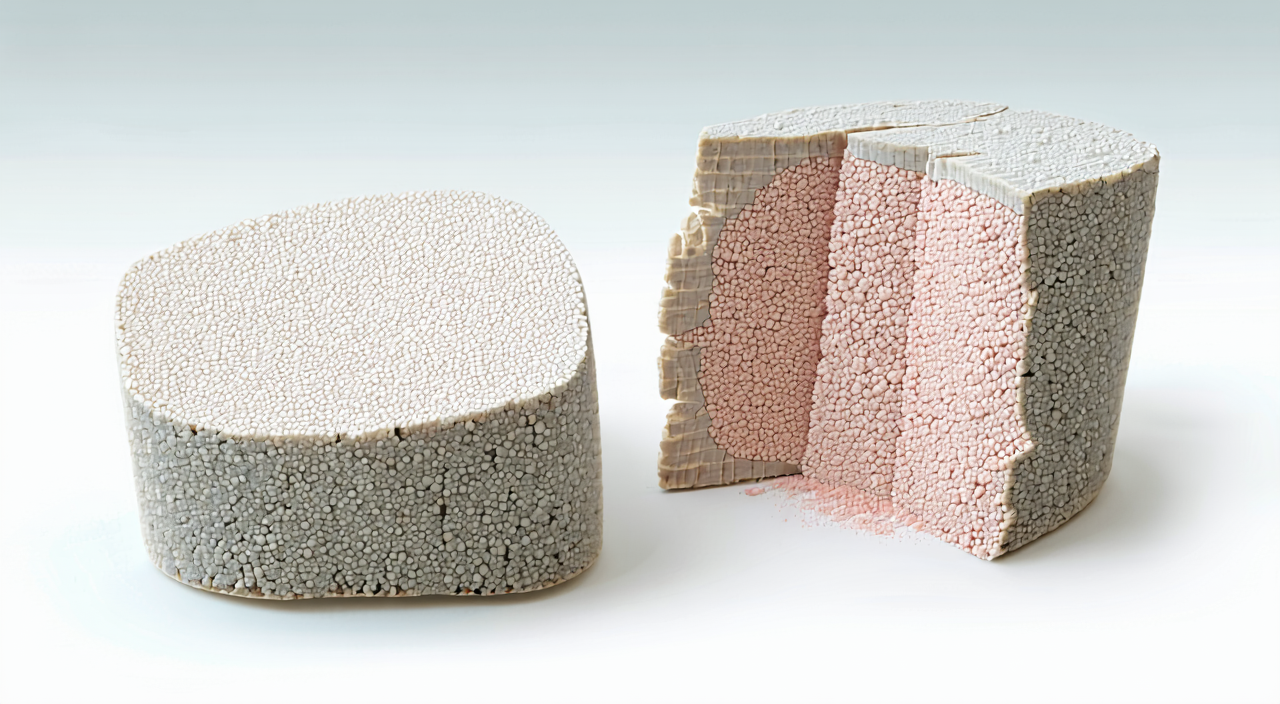
Appearance and Texture
Calamine used as a traditional medicinal material usually appears as irregular chunks or broken pieces. Its color is commonly grayish white or pale red, although variations may occur depending on associated minerals and processing methods. The surface is generally not very smooth and may show pores, uneven areas, or a loose structure. Overall, it is relatively lightweight. Compared with many dense, hard ores that have a distinct glassy luster, calamine often appears more porous and powdery.
After being broken or ground, the fracture surface is usually powdery, and its color may be more uniform than the exterior. Calamine that has undergone standardized processing is generally made into a fine powder with a smooth texture. However, color, feel, or ease of grinding alone cannot confirm its medicinal identity. Materials with similar mineral names but different sources may be confused with one another. Raw materials intended for medicinal preparations require source identification, compositional testing, and relevant quality inspections.
Appearance Alone Is Not Enough for Identification
Knowing what calamine looks like can provide only a preliminary impression; it should not be used as a basis for collecting minerals independently or replacing professional identification. Natural minerals may contain other substances and may also be affected by their origin, processing method, and storage conditions. When calamine is intended for use in a topical preparation, priority should be given to reputable sources, product labels, approval information, and directions for use rather than bulk mineral powder from an unknown source.
What Is the Medicinal Source of Calamine?
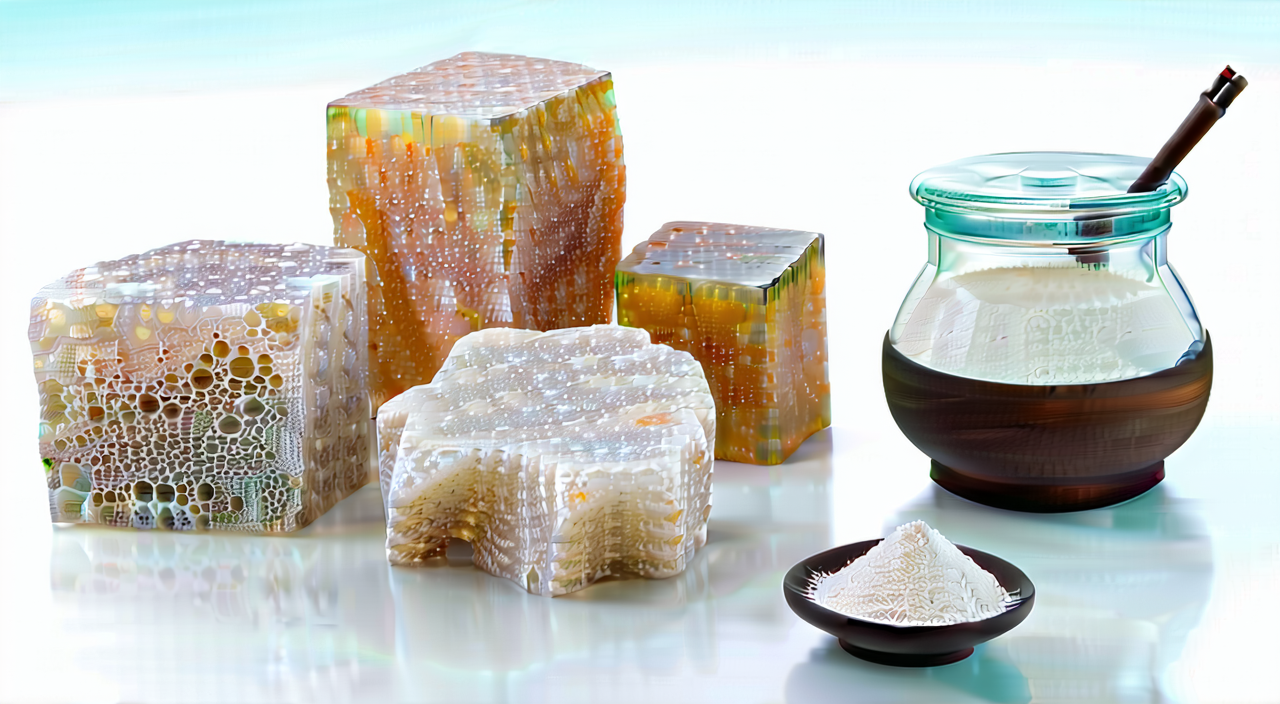
Calamine comes from a mineral medicinal source rather than a plant root, stem, leaf, or fruit. In traditional terminology, the medicinal portion mainly refers to mineral raw materials that meet medicinal standards and their properly processed forms. Its composition is generally dominated by zinc-containing minerals and may include zinc carbonate and other compounds. However, the composition of natural minerals can vary by source, so the quality of medicinal raw materials cannot be judged by name alone.
What Are Calcination and Water-Floating Processing?
In the context of traditional processing, calcination involves standardized heating to alter the physical properties or compositional state of a medicinal material. Water-floating processing uses suspension and sedimentation in water to further refine mineral medicines, separate impurities, and obtain a finer powder. After compliant processing, calamine is generally more suitable for incorporation into topical preparations.
These processes involve temperature, time, equipment, impurity control, and finished-product testing. Home calcination, grinding, or water-floating processing is not recommended. Improper processing may cause inhalation of dust, make it difficult to determine whether unsuitable substances have been removed, and fail to ensure that indicators such as microorganisms, heavy metals, and particle size meet requirements. When learning about the medicinal source of calamine, refer to pharmacopoeial standards, legitimate medicines, or information on compliant products.
How Is Calamine Viewed in Traditional Chinese Medicine?
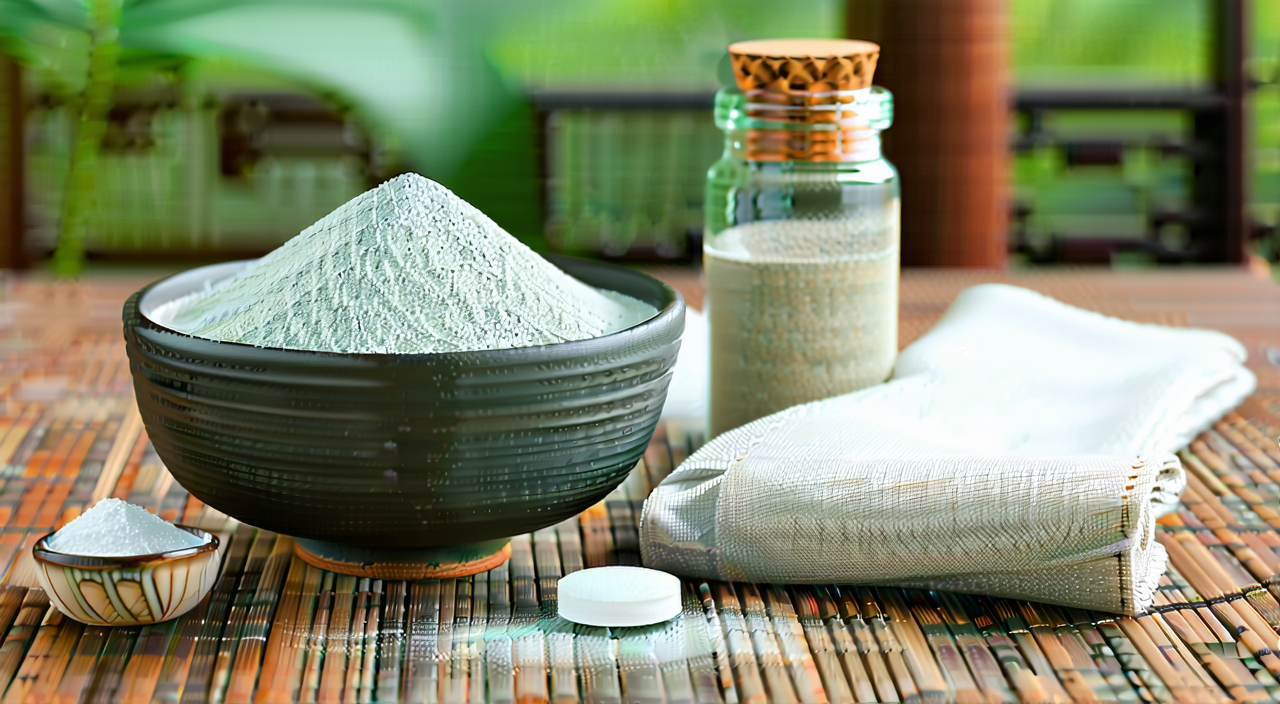
Traditional Chinese medicine commonly understands calamine in terms of the properties and intended uses of topical mineral medicines. In related materia medica records and practical experience, calamine has traditionally been used in topical approaches described as clearing toxins, improving vision and reducing corneal opacity, drying dampness, relieving itching, and helping to astringe sores. These descriptions reflect traditional medicinal theory and usage directions. They do not constitute a diagnosis of a specific skin or eye condition and should not be used to replace professional care.
In traditional topical applications, calamine is commonly found in powders, lotions, or compound preparations. The concentration, excipients, application site, and intended users may differ between products. A product’s directions should not be applied to another product simply because they share the same name. This is especially important for use around the eyes, in children, during pregnancy, or on skin with a significantly impaired barrier. Product instructions and professional advice should be taken into account.
If a local condition does not improve, keeps recurring, or is accompanied by significant pain, purulent discharge, fever, or rapid spreading, consult a doctor or another qualified professional promptly. Eye discomfort should not be managed solely on the basis of traditional descriptions of calamine’s effects.
What Aspects Are Addressed in Modern Research?
Modern research generally examines the composition of zinc compounds and other minerals in calamine, as well as particle size, surface properties, and formulation stability. Zinc-containing ingredients may have certain adsorptive, covering, or barrier-related properties in topical materials. As a result, calamine preparations are often studied for their protective effects on the surface of local skin. However, specific effects are influenced by raw-material purity, particle size, formulation, application site, and individual skin condition. Experimental observations should not be directly equated with treatment efficacy for a particular disease.
Quality control is an important part of using mineral medicines. It generally involves source identification, analysis of principal components, impurity testing, heavy-metal testing, microbial testing, particle-size analysis, and assessment of formulation uniformity. Products intended for ophthalmic use must also meet the relevant sterility and ophthalmic preparation requirements. When choosing a product, consumers should check the complete label, approval information, manufacturing details, expiration date, and storage requirements. Products with unknown origins or incomplete packaging information should be avoided.
How Does Calamine Differ from Zinc Oxide and Talc?
Calamine, zinc oxide, and talc may all be discussed in connection with topical powders or skin preparations, but they are not the same material.
| Comparison | Calamine | Zinc Oxide | Talc |
|---|---|---|---|
| Mineral or compositional source | Usually a natural mineral medicine containing compounds such as zinc carbonate | A zinc compound primarily composed of zinc oxide | A natural mineral primarily composed of magnesium silicate |
| Common forms | Irregular raw chunks or fine powder | White or off-white powder, creams, and similar forms | White or nearly white fine powder with a smooth, slippery texture |
| Typical formulation uses | Traditionally used in topical lotions, powders, and similar preparations | Commonly found in skin-barrier products or compound topical preparations | Commonly used in moisture-absorbing, lubricating, or powder-based products |
| Key considerations | Mineral source and impurity control require attention | Use according to the specific product label | Pay attention to source, purity, and inhalation risks |
The table is intended only to clarify differences between the raw materials and cannot determine which one is more suitable for an individual’s situation. Topical preparations may also contain glycerin, starch, emulsifiers, or other pharmaceutical excipients. The final feel and intended uses should be determined by the specific product instructions.
What Common Calamine Preparations Are Available?
Calamine Lotion
Calamine lotion is one of the more common topical dosage forms. It is generally made by combining fine calamine powder with a liquid base and may need to be shaken thoroughly before use according to the instructions. These preparations are generally intended for topical skin care, but the formulation, concentration, and intended uses vary between products. Avoid contact with the eyes, mouth, and other mucous membranes, and follow the label directions.
Compound Calamine Lotion
In addition to calamine, compound calamine lotions may contain other ingredients intended to provide astringent, cooling, or skin-care effects. A compound product is not necessarily more suitable simply because it contains more ingredients. Suitability should be considered in light of the local symptoms, age, allergy history, previous medication use, and product instructions. If significant stinging, redness, swelling, worsening of the rash, or other discomfort occurs after use, stop using the product and consult a professional.
Other Legally Approved Topical Preparations
Some legally approved topical skin preparations or specialized ophthalmic products may also contain calamine or related zinc compounds. Ophthalmic preparations must be specially designed and undergo appropriate quality control. Ordinary calamine lotion, loose powder, or homemade mineral powder must not be used in the eyes. Approval scopes may vary between countries and regions, so overseas users should check local product labels and regulatory information.
What Precautions Should Be Taken When Using Calamine?
Calamine-related products are generally intended only for external use. They should not be taken orally, and inhalation of the powder should be avoided. When using a powder, minimize dust and avoid handling large amounts in poorly ventilated areas. If the skin has a deep infection, obvious pus, extensive damage, severe exudation, or burn-like changes, calamine products should not be relied on as the sole treatment.
For use around the eyes, choose only a specialized preparation clearly labeled for ophthalmic use and compliant with sterility requirements. Ordinary lotions, topical powders, and nonsterile products must not be used in the eyes. Children, pregnant or breastfeeding individuals, and people with a history of allergies to zinc compounds, mineral powders, or formulation excipients should consult a doctor or pharmacist before use.
If symptoms are severe, persistent, or recurrent, or if they are accompanied by marked anxiety, chest tightness, breathing abnormalities, fever, severe pain, persistent vomiting, or other systemic or local abnormalities, seek medical help promptly. This article is intended only as educational information about traditional Chinese medicine and topical mineral medicines and cannot replace professional diagnosis or treatment advice.
Summary
Calamine is a traditional topical medicinal material of mineral origin. Common characteristics include an irregular chunky form, grayish-white or pale-red color, porous structure, light weight, and a powdery fracture surface, but appearance cannot replace professional identification. Calamine differs from zinc oxide and talc in both source and formulation uses. Common products include calamine lotion and compound topical preparations. Use only compliant topical products, and avoid oral use, inhalation, and accidental application to the eyes. When symptoms are severe, persistent, or recurrent, consult a qualified professional.