
What Is Aloe Vera in Chinese Medicine? Medicinal Parts, Identification, and Common Formulas
Many people use aloe gel, aloe drinks, or skincare products with aloe in daily life, but when “aloe” appears in a Chinese herbal formula, it is quite different from the fresh aloe leaf or gel products we are familiar with. For Chinese-speaking readers living abroad, understanding what aloe is as a medicinal substance, what medicinal aloe looks like, how to identify it, and how it differs from ordinary aloe gel helps build a clearer picture of how TCM uses this herb, and helps avoid the mistake of using a topical gel as an internal medicine.
What does medicinal aloe look like? How to identify it
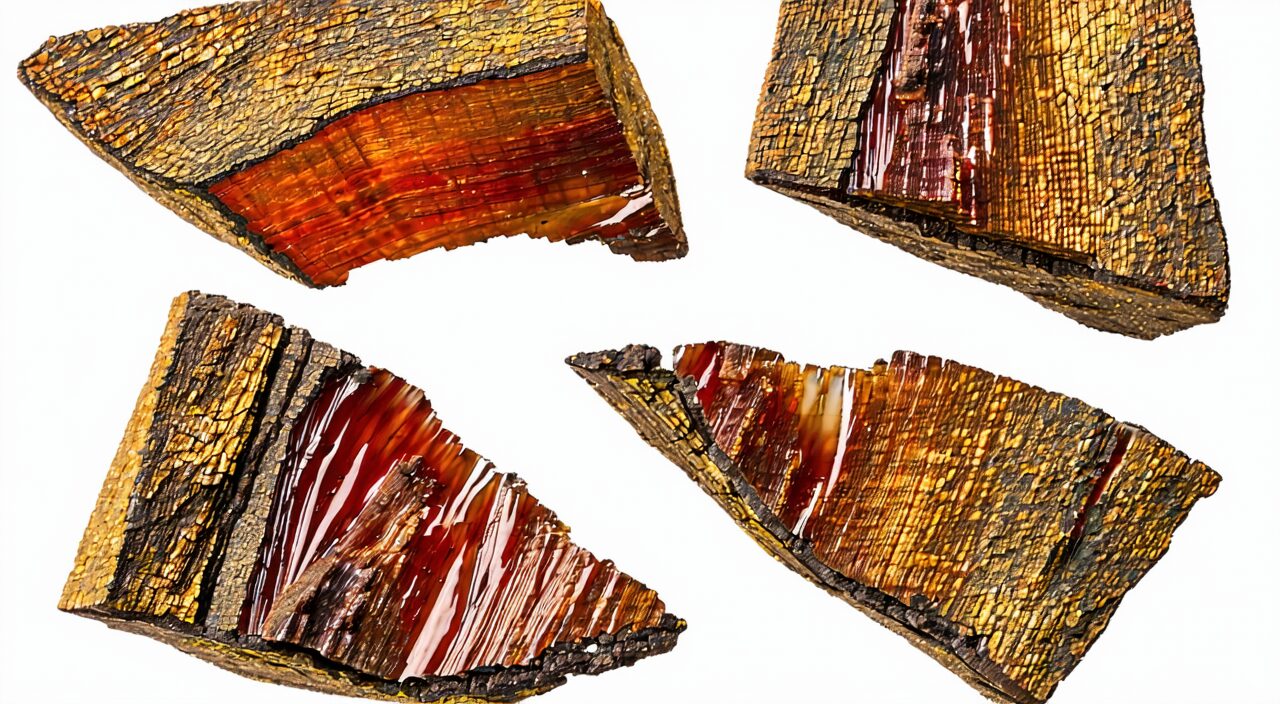
In Chinese medicine, aloe is usually not a dried leaf, but irregular lumps or fragments that are hard and brittle. The whole crude drug often appears as masses of varying sizes, and the broken surface often shows an obvious glassy luster, one of the characteristics formed after the aloe juice is concentrated and dried. The surface color is generally dark reddish-brown, deep brown, or blackish-brown, with slight differences depending on the species and processing method.
When you open the package and smell it, medicinal aloe has a rather distinctive odor. This smell resembles a stuffy, mixed aroma of aged plant matter with a slightly sour note, completely different from the fresh, clean scent of fresh aloe. When tasted, it is extremely bitter, which is also typical of its use as a purgative herb. If the appearance seems overly bright in color, the smell is very faint, or it tastes somewhat sweet, it is likely adulterated or poorly stored. In traditional experience, a small piece of aloe will melt into a sticky liquid when heated and become brittle again upon cooling, which also serves as a supplementary identification method.
The medicinal part of aloe – concentrated dried leaf juice
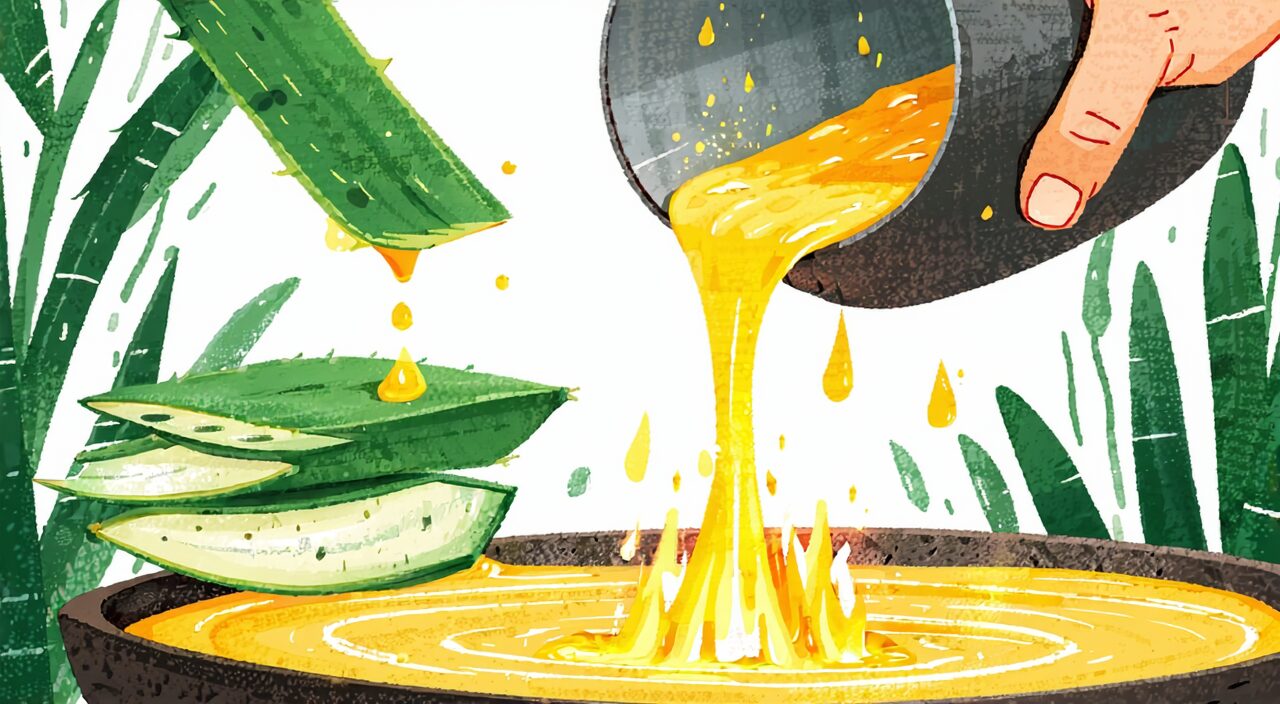
Many people assume that TCM aloe is directly the leaf or leaf pulp, but in fact the medicinal part is the concentrated dried leaf juice. During collection, the leaves of Aloe barbadensis (Curaçao aloe), Aloe ferox (Cape aloe), or other closely related species of the same genus are usually selected. The leaves are cut to collect the yellow-green juice that flows out, and then the juice is heated and boiled in pots or concentrated by sun-drying or other methods, finally cooling and solidifying into lumps.
This processing changes the original proportion of constituents in aloe. A large amount of water in the fresh leaf is removed, and the active substances are concentrated. The aloe used in Chinese medicine is precisely this dried product, not the fresh leaf pulp or homemade gel. Understanding this point is especially important, because some people may try to crush homegrown aloe leaves and take them directly. This practice may carry uncertain safety risks due to dosage, constituents, and hygiene. Traditionally, what enters a formula is always the processed dry lump.
How does TCM understand the uses of aloe?
Traditional Chinese medicine conventionally understands the actions of aloe from the perspectives of draining downward to unblock the bowels, clearing the liver, and expelling parasites. Aloe is bitter and cold in nature, and mainly enters the liver, stomach, and large intestine channels. Its bitter-cold property is relatively strong and it excels at promoting downward drainage, so it is selected in cases of heat-type constipation with binding, exuberant liver fire, or stagnation and accumulation in the bowels.
For clearing the liver, ancient physicians often combined aloe with herbs that calm the liver and clear heat-fire, using it in approaches for patterns such as irritability, dizziness, distending headache, and hypochondriac distension and pain that belong to excess heat in the liver channel. The parasite-expelling direction is mostly seen in traditional records for childhood nutritional impairment (gan syndrome) and abdominal pain due to worm accumulation. Aloe is often used together with anthelmintic and spleen-fortifying herbs. It should be noted that these applications are all based on the TCM syndrome differentiation system. Whether it is suitable for a person’s current body condition still needs to consider individual constitution, specific manifestations, and the judgment of a professional. One should not use aloe based on just one symptom alone.
What has modern research found about aloe?
Modern research mainly focuses on anthraquinone compounds in aloe, such as aloin (barbaloin) and aloe-emodin. Under certain conditions, these constituents can stimulate the intestinal mucosa and promote bowel movement, thereby producing a laxative effect. In addition, some in vitro studies have observed that aloe extracts exhibit inhibitory activity against certain bacteria and skin fungi, providing some scientific background for its traditional topical use.
However, findings in the laboratory do not fully equate to actual effects in the human body. In particular, different extraction methods and dosages lead to considerable differences in effects and safety. Applications involving internal use still require more rigorous clinical research to support them. Therefore, these modern research results are more like background information for understanding, and should not be taken as a basis for use.
What are the differences between medicinal aloe, aloe gel, and fresh aloe leaves?
These three forms differ markedly in their processing methods, constituents, and directions of use. Fresh aloe leaves are mainly used ornamentally or for homemade skincare. The leaf contains a large amount of gel and a small amount of yellow sap. The yellow sap contains anthraquinone compounds and is quite irritating. Aloe gel is mostly extracted from the gel portion of the fresh leaf, stabilized, and used topically for skin moisturizing and soothing. It generally contains no or only trace amounts of anthraquinones, so it does not have a laxative effect.
Medicinal aloe, on the other hand, is the dried product of concentrated leaf juice, which mainly retains the bitter principles and anthraquinone constituents, and is traditionally used for internal regulation. Using topical aloe gel or fresh aloe leaves directly as an internal medicine for laxation or liver clearing is very dangerous. Not only is dosage difficult to control, but it may also lead to severe abdominal pain, diarrhea, or even electrolyte imbalance. Therefore, these three are fundamentally different and cannot be substituted for one another.
What are some common formulas that contain aloe?
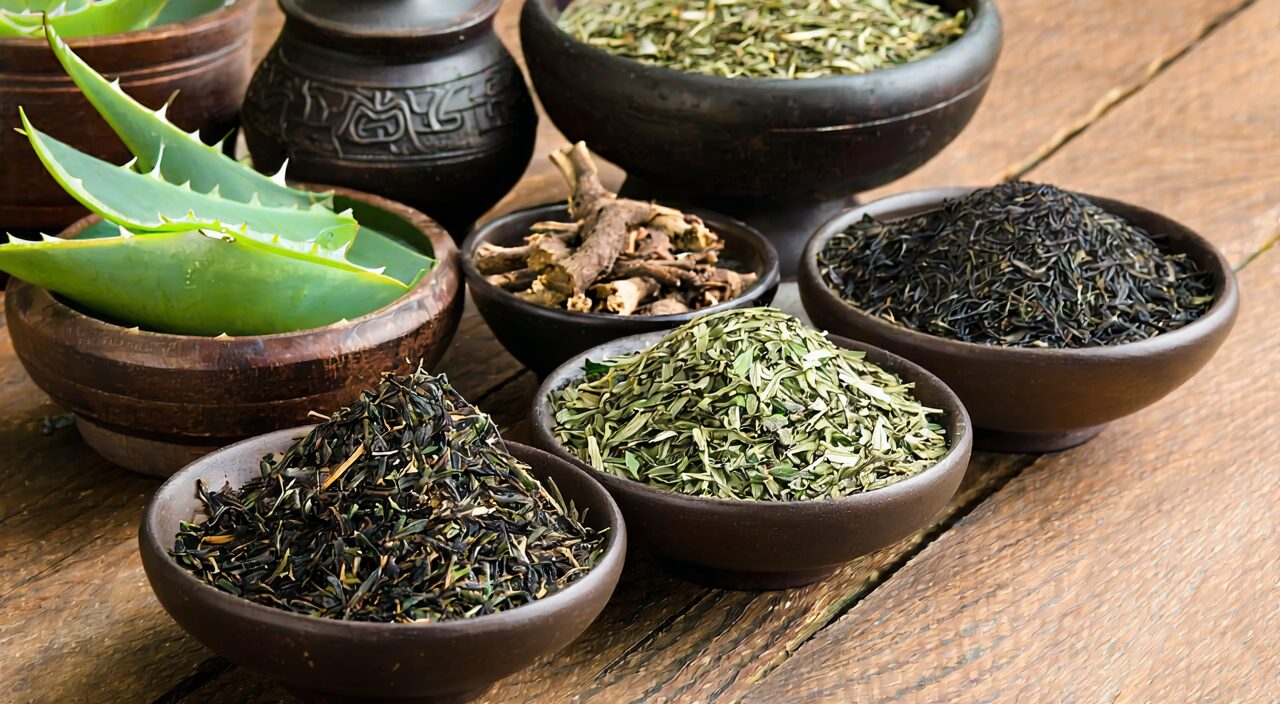
In formulas, aloe often serves as an assistant or envoy herb, usually in small doses, mainly to take advantage of its bitter-cold draining and descending nature. The following formulas are relatively common in traditional Chinese medicine, but their use requires alignment with specific pattern differentiation.
Danggui Longhui Wan is commonly seen in approaches addressing exuberant excess fire in the liver and gallbladder. The formula contains aloe, Chinese angelica (danggui), gentian (longdan), gardenia (zhizi), and other herbs, often used to deal with irritability, constipation, dizziness, and red eyes caused by heat excess. In this formula, aloe works together with gentian and other herbs to drain heat and unblock the bowels.
Gengyi Wan is a relatively simple small formula, mainly composed of aloe and cinnabar. Traditionally, it is used for heat-type constipation accompanied by heart-mind restlessness. However, because it contains cinnabar, its modern application is subject to many restrictions and must not be used casually.
Luhui Wan features aloe as the main herb, combined with other heat-clearing, parasite-expelling, spleen-fortifying, and accumulation-dispersing medicinals. It appears more often in records about childhood nutritional impairment and abdominal pain due to worm accumulation.
The specific composition, dosage, and applicable directions of these formulas vary according to the presenting pattern. It is advisable to evaluate whether a formula is suitable by combining product instructions, personal circumstances, and professional advice rather than simply matching symptoms.
What special precautions should be taken when using aloe?
Aloe is bitter and cold, so there are many aspects to pay attention to during use. It should be avoided during pregnancy because its downward-draining action may affect the pregnancy. People who usually have spleen-stomach deficiency cold and are prone to diarrhea are also unsuitable for internal use of aloe products.
Long-term or large-dose internal use may cause abdominal cramping, diarrhea, and even electrolyte loss and intestinal dysfunction. Those with underlying kidney problems should be even more cautious, because anthraquinone constituents may increase the burden on the kidneys during excretion. Furthermore, topical aloe gel must never be used as an internal medicine; these two are completely different in constituents and use. In daily life, if persistent constipation, blood in the stool, abdominal pain, or sudden weight loss occurs, one should not self-treat with aloe but should consult a doctor promptly to investigate underlying problems.
Summary
Aloe in Chinese medicine is the concentrated dried product of the juice from specific aloe leaves. Its appearance is a dark reddish-brown or blackish-brown lump with a glassy luster and a distinctive odor, completely different from the aloe gel encountered in everyday life. In traditional Chinese medicine, it is often used around the directions of draining downward to unblock the bowels, clearing the liver and venting heat, and expelling parasites. Common relevant formulas include Danggui Longhui Wan, Gengyi Wan, and Luhui Wan, but all require careful selection based on pattern differentiation. For overseas users, perhaps the most important thing is to recognize the essential differences between medicinal aloe, fresh aloe leaves, and aloe gel, to avoid safety risks from misuse. At the same time, no matter the method of use, if discomfort appears or symptoms recur, seeking professional help should always be the priority.