
What Is Lu Jiao Shuang? Medicinal Part, Identification, and Common Formulas
Among overseas Chinese users, Lu Jiao Shuang is often mistaken for deer antler powder or deer antler glue. In fact, it is a processed product made from the bony antler pieces left after deer antler is decocted to produce deer antler glue. Understanding its source, appearance, and traditional use can help you form a basic judgment when you encounter related formulas. This article focuses on the core question of “What is Lu Jiao Shuang?” and explains it from several angles: identification, medicinal part, differences from deer antler glue, common formulas, and precautions.
What Does Lu Jiao Shuang Look Like? How Is It Identified?
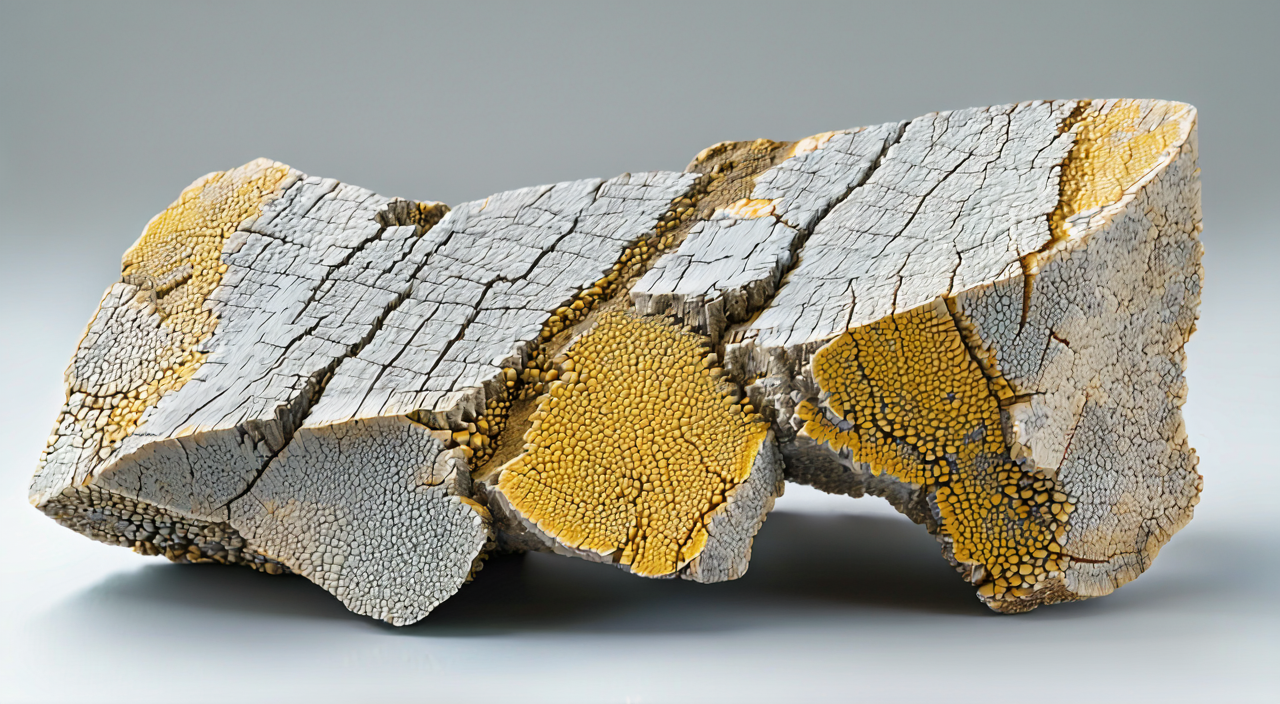
The typical appearance of Lu Jiao Shuang is irregular lumps or flakes, and the size is often quite inconsistent. Commercial products are mostly grayish-white or yellowish-white, while some may have a light grayish-brown or dark gray tone. The material is relatively light, and the surface and cross-section often show pores of varying sizes, resembling a honeycomb or lightweight pumice. When gently pressed or broken by hand, it feels brittle and crumbles easily, revealing a loose bony texture on the broken surface. Sometimes small bone cavities or residual textures can also be seen.
When identifying it, you can observe from three aspects: first, whether the form is an irregular mass rather than a complete antler branch; second, whether it has a porous, loose structure; and third, whether the surface color tends to be grayish-white or yellowish-white and shows bony traces. The odor is usually mild and should not have an obvious musty or rancid smell. It is important to note that different processing batches may differ in color depth and pore density, so appearance alone cannot fully replace judgment based on source and channel.
What Is the Medicinal Part of Lu Jiao Shuang?
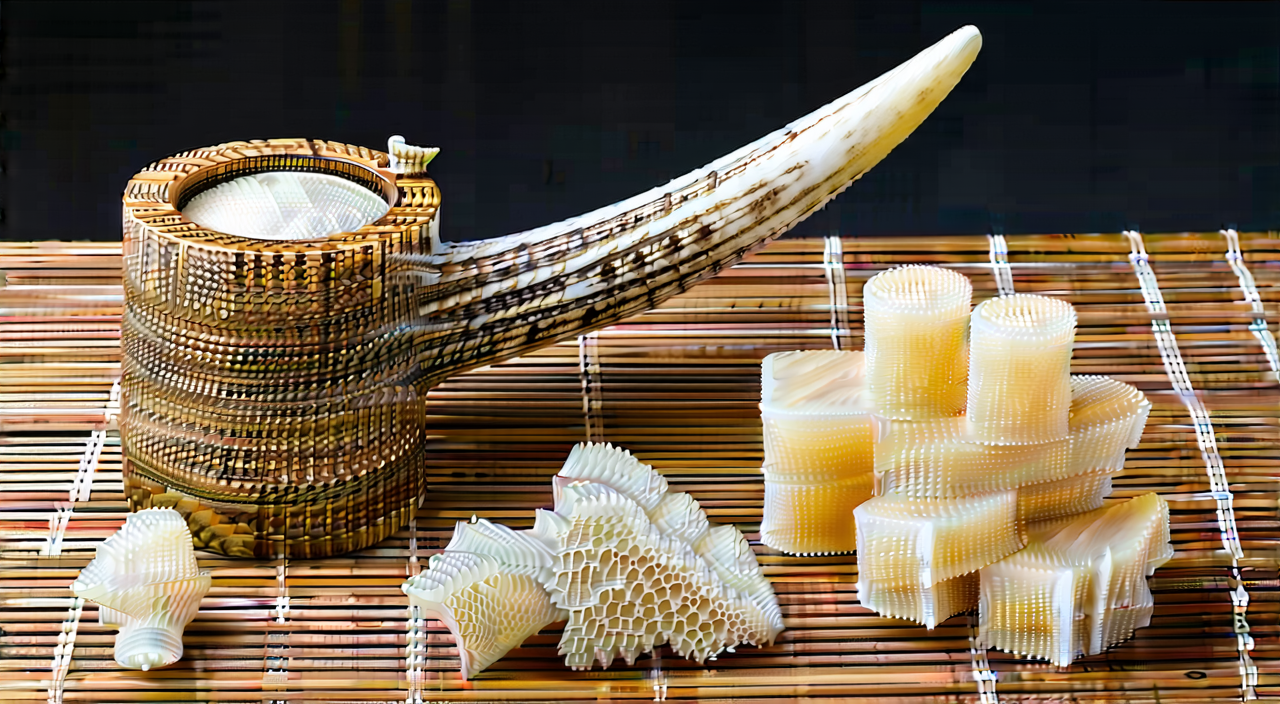
Lu Jiao Shuang is not the same as fresh sliced deer antler. In traditional processing, fully ossified deer antler is usually used. It is decocted in water for a long time so that the gelatinous components dissolve into the water, and the liquid is then concentrated to produce deer antler glue. After the glue has been extracted, the remaining insoluble bony antler material is dried, sorted, broken, or ground to obtain Lu Jiao Shuang. Therefore, its medicinal part is essentially the residual horny material left after deer antler has been decocted for gelatin.
This point is important to understand. Although deer antler, deer antler glue, and Lu Jiao Shuang are all related to deer antler in traditional medicinal materials, they undergo different processing steps, so the resulting material properties are also different. Lu Jiao Shuang is not deer antler glue, nor is it an antler slice taken directly from deer antler without decoction. Its formation depends on the gelatin-extraction process, which also explains why it is porous, light, and brittle.
How Does Traditional Chinese Medicine Understand Lu Jiao Shuang?
Traditional Chinese medicine usually understands Lu Jiao Shuang from the perspectives of warming the kidneys and assisting yang, astringing and stopping bleeding, and securing and checking vaginal discharge. Because it undergoes prolonged decoction during processing, it is traditionally considered to have a gentler yang-warming effect than deer antler glue, while its astringing and securing effects are more prominent. Some traditional texts classify it under the kidney channel or liver-kidney related regulating approaches, and use it to address body manifestations related to insufficient kidney yang and instability of the lower jiao.
In practical empirical formulas or ancient prescription books, Lu Jiao Shuang usually appears as one ingredient in a compound formula rather than being used alone as the main medicine. It is often combined with kidney-warming, astringing, or tonic medicinals to form regulating approaches for frequent nighttime urination, cold and aching lower back and knees, thin and clear vaginal discharge, and abnormal uterine bleeding. These descriptions belong to traditional understanding, and whether it is suitable for use still needs to be judged in combination with individual constitution, specific symptoms, and professional advice.
How Does Modern Research View Lu Jiao Shuang?
There has been relatively little modern research attention on Lu Jiao Shuang, mainly focusing on basic component analysis and some in vitro experiments. Because it is the bony material left after gelatin extraction, it may contain relatively abundant inorganic components such as calcium and phosphorus, and also retain small amounts of organic substances. Some studies have attempted to explore its potential activities in bone metabolism, coagulation-related indicators, or immune regulation, but the overall evidence is still preliminary.
Therefore, modern research is better viewed as a direction for understanding rather than as evidence that Lu Jiao Shuang is a fully validated medicine. For overseas readers, there is a certain distance between its traditional uses and modern pharmacological research. When considering related products, one should be cautious about the relationship between “component activity” or “experimental findings” and actual human use.
What Are the Differences Between Lu Jiao Shuang, Deer Antler Glue, and Deer Antler?
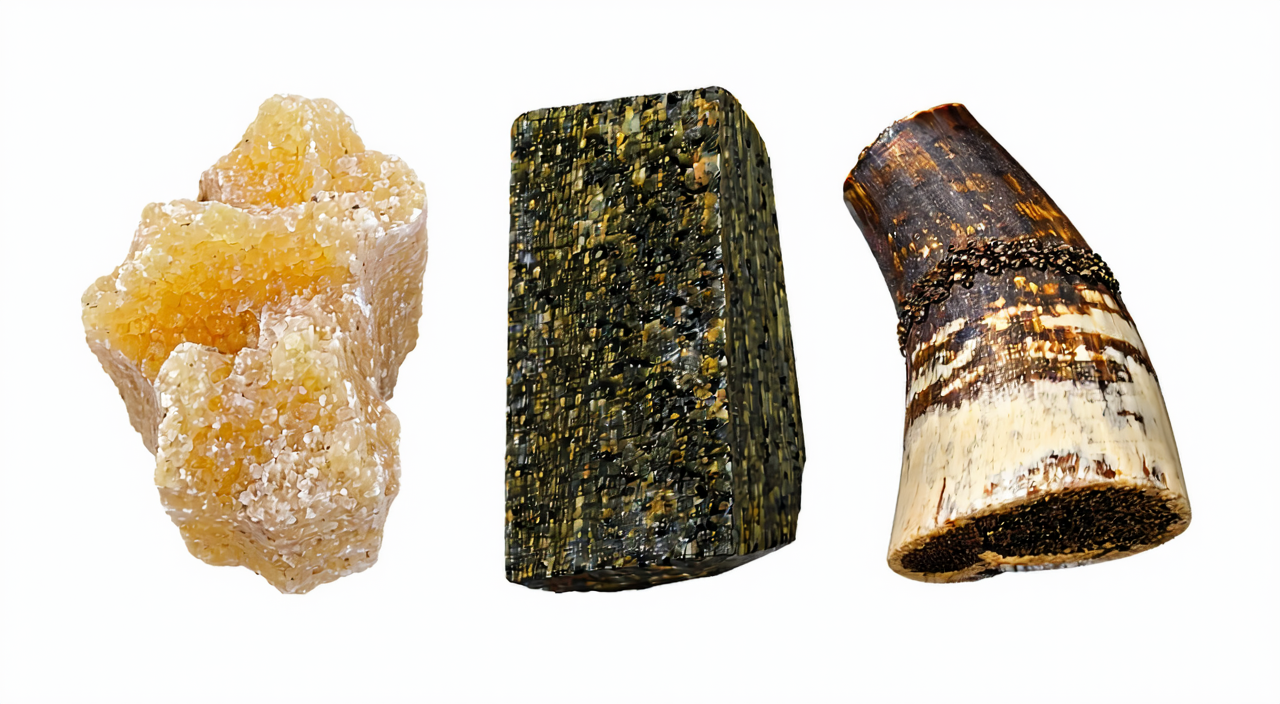
The differences among the three are first reflected in their processing stages and appearance. Deer antler generally refers to the ossified antler or shed antler base of deer in the family Cervidae. It is intact or branch-like, hard in texture, and dense on the cut surface. Deer antler glue is a glue block obtained by decocting deer antler in water and then concentrating the liquid. It is mostly brown or blackish-brown, hard and brittle, but softens easily when heated. Lu Jiao Shuang is the bony antler mass left after glue extraction. It appears as irregular lumps or flakes, with a grayish-white or yellowish-white surface, and is porous, light, and brittle.
In terms of traditional use, the three also have different emphases. In traditional understanding, deer antler tends to warm kidney yang, strengthen sinews and bones, and invigorate blood and reduce swelling; deer antler glue tends to warm and supplement essence and blood and stop bleeding; Lu Jiao Shuang tends to warm the kidneys and assist yang, and astringe and secure, with a relatively gentler action. Because of the different processing methods, the three cannot simply be substituted for one another. If you encounter Lu Jiao Shuang in a formula, you should pay attention to its astringing and securing direction rather than treating it as equivalent to deer antler glue or deer antler powder.
Which Formulas May Include Lu Jiao Shuang?
Among formulas that contain Lu Jiao Shuang, traditional formulas named “Lu Jiao Shuang Wan” (Lu Jiao Shuang Pill) are relatively common. In ancient texts, such formulas are often used to regulate deficiency-cold of the lower jiao, frequent urination, weakness of the lower back and knees, or thin and clear vaginal discharge. They usually combine Lu Jiao Shuang with kidney-warming and securing-type medicinals.
Kidney-warming and bleeding-stopping formulas may also use Lu Jiao Shuang. Traditionally, some regulating approaches for bleeding or abnormal uterine bleeding related to deficiency-cold use Lu Jiao Shuang as an auxiliary astringent and hemostatic medicinal, combined with qi-supplementing, yang-warming, or bleeding-stopping medicinals. Formulas that secure and stop vaginal discharge are also common; in these, Lu Jiao Shuang mainly exerts an astringing and securing action, and is often paired with spleen-fortifying, dampness-drying, or kidney-warming medicinals.
It should be noted that the above formulas belong to traditional directions of use, and their names and compositions may differ in various ancient texts. They should not be directly regarded as modern clinical protocols or standards, and one should not prepare medicines according to these formulas by oneself. Whether they are suitable to use should be determined by considering an individual’s constitution, symptom presentation, product instructions, and professional advice.
What Should You Pay Attention to When Using Lu Jiao Shuang?
First, Lu Jiao Shuang is traditionally considered warm in nature, so people with yin deficiency with fire hyperactivity, or those prone to tidal fever, night sweats, dry mouth, and dry throat, should be cautious. If you already have obvious heat signs, inflammatory manifestations, or are taking other medications, consult a doctor or professional pharmacist before use.
Second, legal and compliant sourcing is very important. Lu Jiao Shuang involves animal-derived material, and import, distribution, and species protection requirements may differ between regions. When researching or purchasing, overseas users should choose channels with clear sourcing, complete product information, and compliance with local regulations, and avoid processing deer antler of unknown origin on their own.
Third, because Lu Jiao Shuang is a byproduct of gelatin production, its quality is related to whether processing was sufficient and drying was proper. If a product shows obvious mold, rancidity, or excessive impurities, it should not be used. Lu Jiao Shuang is also unsuitable for home preparation, because it is difficult to accurately control the degree of gelatin extraction, drying, and hygiene under household conditions.
Finally, if you experience long-term, recurrent, or progressive discomfort, especially cold pain in the lower back and knees, abnormal urination, bleeding, abnormal vaginal discharge, or accompanying marked anxiety, palpitations, chest tightness, or weight loss, seek medical attention promptly. Do not delay professional evaluation because you have learned about a particular medicinal on your own.
Summary
Lu Jiao Shuang is a processed product made from the bony antler pieces left after deer antler has been decocted to produce deer antler glue. Its appearance is mostly irregular lumps or flakes, grayish-white or yellowish-white, porous, light, and brittle. It differs from both deer antler glue and unprocessed deer antler, and in traditional use it leans more toward warming the kidneys and assisting yang, as well as astringing and securing. Formulas containing Lu Jiao Shuang mostly involve traditional regulating approaches such as warming the kidneys, stopping bleeding, or checking vaginal discharge. Whether it is suitable for an individual should be judged by combining constitution, symptoms, and professional advice. This article is for general educational reference only and cannot replace professional diagnosis or treatment advice.