
What Is Deer Antler? Medicinal Parts, Identification, and Common Formulas
In Chinese medicinal materials, deer antler is not an unfamiliar name, but many people confuse it with similar concepts such as velvet antler, deer antler glue, and deer antler frost. For overseas Chinese readers, wanting to understand “what deer antler is” often goes beyond a simple definition; they also care about what it looks like, how to determine its medicinal part, how it differs from velvet antler, and why deer antler appears in common formulas. This article uses the source of ossified deer antler as a thread, and organizes information from several aspects: visual identification, medicinal parts, traditional Chinese medicine understanding, modern quality concerns, formula examples, and precautions for use. The content is for informational reference only.
What Does Deer Antler Look Like? How Is It Identified?
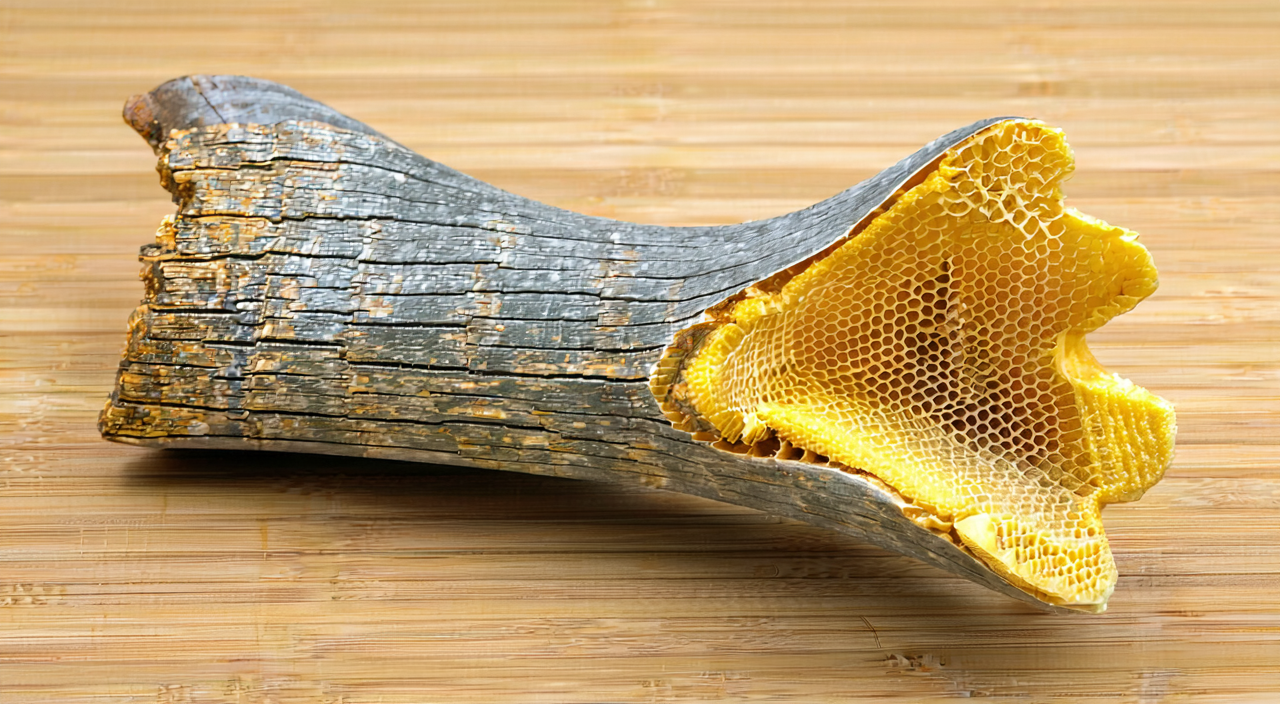
Deer antler usually comes from the ossified antler of sika deer or red deer. In appearance, it is often branched, commonly with three to four tines, although some antlers may have fewer branches due to age or injury. The overall texture is hard, and the surface is mostly grayish yellow, yellowish brown, or grayish brown, with irregular longitudinal ridges, fine texture, or slight protrusions. After cutting, the cross-section often shows a honeycomb-like bony structure, which is especially obvious at the saw cut; this is also one of the first details many people pay attention to when identifying ossified antler. Compared with unossified velvet antler, the surface of deer antler generally is not covered with dense velvet, and it feels heavier. In actual identification, it is necessary to make a comprehensive judgment based on the complete shape, cut-surface features, and source information; it is not advisable to draw a conclusion based only on color or branch number.
What Is the Medicinal Part of Deer Antler?
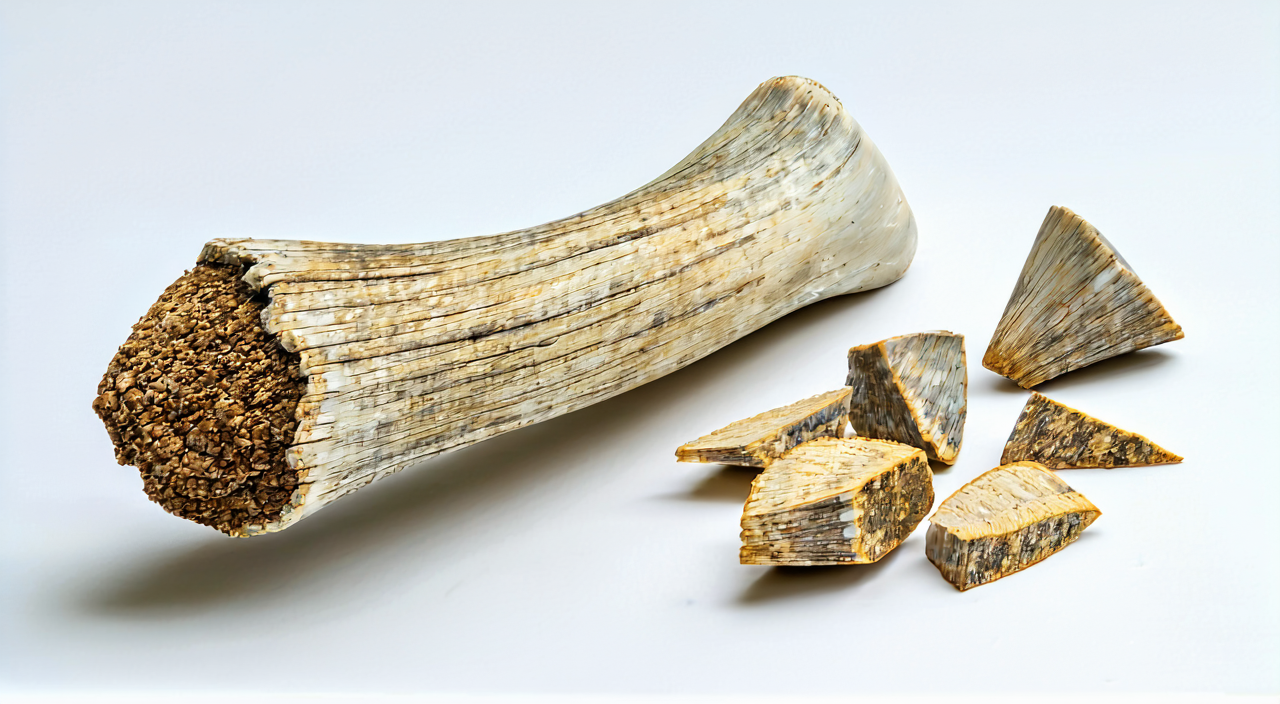
The medicinal part of deer antler is the ossified antler. It may come from naturally shed antlers, or from antlers that have been artificially sawn off and then processed. In traditional processing, deer antler is often sawn into small sections, split, or further processed before use. A particular distinction should be made here: the medicinal part of velvet antler is the unossified young antler, while deer antler refers to the antler after ossification is complete. In other words, deer antler is not a type of velvet antler; rather, they are medicinal materials from different growth stages. Because the source of animal-derived medicinal materials is sensitive, deer antler should come from compliant farming or lawful collection, and should not be sawn from wild deer without authorization. For ordinary users, understanding the medicinal part also helps avoid substituting it with processed products such as deer antler glue and deer antler frost.
How Does Traditional Chinese Medicine Understand Deer Antler?
Traditional Chinese medicine has traditionally understood deer antler from the perspectives of warming and tonifying kidney yang, strengthening sinews and bones, and moving blood to reduce swelling. For people with kidney yang deficiency, soreness and weakness of the lower back and knees, aversion to cold, and cold limbs, deer antler may be mentioned as a possible approach for regulation. Traditionally, deer antler is considered salty in flavor and warm in nature, and it mainly enters the kidney and liver channels. Therefore, in some traditional surgical or bone-injury formulas, it is also used to address patterns related to cold stagnation and blood stasis. However, these are traditional understandings and cannot simply be equated with modern medical conclusions, nor do they mean deer antler is suitable for everyone. Whether deer antler is appropriate should be judged comprehensively based on individual constitution, specific manifestations, and professional advice; it is not advisable to use it on one’s own based only on a single feeling such as “fear of cold” or “soreness of the lower back.”
What Do Modern Studies Focus On?
Modern research on deer antler focuses more on animal source identification, degree of ossification, processing methods, and quality and safety control, rather than on a single effect alone. Because deer antler is an animal-derived medicinal material, whether the species source is clear, whether harvesting is standardized, and whether there are heavy metal or veterinary drug residue issues can all affect its quality. Deer antler from different regions may appear similar, but when the source is unclear, it should not be used casually. For overseas Chinese readers, it is advisable to first understand the product’s legal source information, inspection statements, or quality control documents. If this information cannot be confirmed, caution is warranted. The modern research perspective is more suitable as a foundation for consumers to establish safety awareness.
What Are the Differences Between Deer Antler, Velvet Antler, Deer Antler Glue, and Deer Antler Frost?
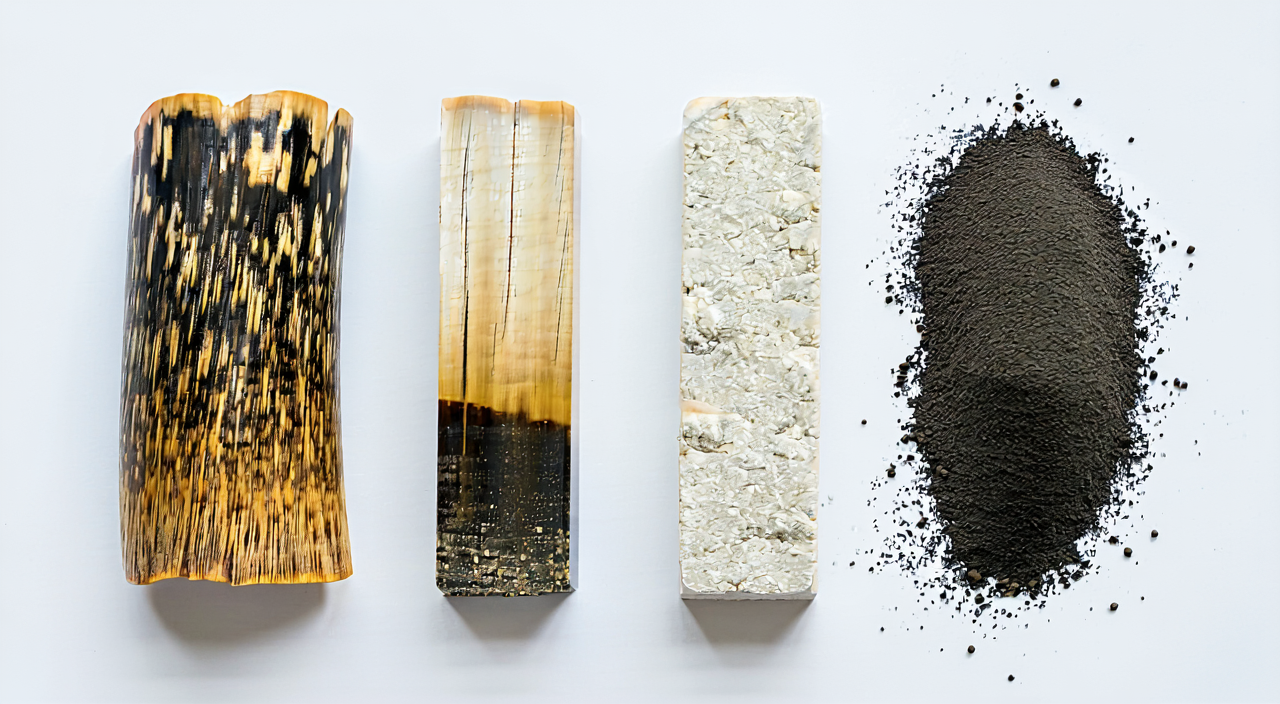
Although these four are closely related in source, they differ in growth stage and depth of processing. Velvet antler is the unossified young antler, with a fuzzy surface and relatively soft texture; deer antler is the ossified antler, with a hard texture and a surface that is mostly grayish yellow or yellowish brown. Deer antler glue is made by further processing deer antler into a solid gelatinous block, while deer antler frost is the bony residue left after extracting deer antler glue, with a whitish color and relatively light texture. It can be understood this way: velvet antler emphasizes “unossified,” deer antler emphasizes “ossified,” and deer antler glue and deer antler frost are products at different stages after deer antler has been processed. Because the degree of ossification and processing stage differ, their traditional directions of use also differ, so they should not be substituted for one another.
Which Formulas May Use Deer Antler?
In traditional formulas, names such as Deer Antler Powder and Deer Antler Pill are relatively common, often appearing in approaches that warm the kidney and disperse cold or regulate deficiency-cold patterns. The composition and uses of Deer Antler Powder and Deer Antler Pill recorded in different texts may vary; some lean toward cold pain in the lower back and knees and weakness of sinews and bones, while others are related to discomfort caused by cold stagnation. Formulas that warm the kidney and disperse cold often consider cold signs and kidney yang deficiency, but this does not mean that all people who fear cold are suitable. Deer antler is usually combined with other medicinal materials in formulas to adjust the overall direction. The formula name alone cannot determine whether it is suitable for an individual. If you want to understand Deer Antler Powder, Deer Antler Pill, or formulas that warm the kidney and disperse cold, it is advisable to first view them as traditional directions of use, and then make a comprehensive judgment based on your own constitution, symptoms, and professional advice. Do not prepare formulas on your own or take them long-term.
What Precautions Should Be Taken When Using Deer Antler?
Before using deer antler, several situations require special caution. People with yin deficiency with effulgent fire, who are prone to dry mouth, tidal fever, night sweats, or obvious bleeding tendencies, should generally not use it on their own. Pregnant women, breastfeeding women, children, and people with chronic diseases should be evaluated under medical guidance. Deer antler is an animal-derived medicinal material and may involve wild animal sources and cross-border regulation. Overseas users should confirm whether the product source is legal and understand local regulations on the import and export of Chinese medicinal materials. Do not saw off or process wild deer antlers without authorization. If discomfort occurs during use, stop using it and promptly consult a doctor or professional.
Summary
What is deer antler? In terms of source and form, it can be understood as the ossified antler of sika deer or red deer. It is different from unossified velvet antler, as well as deer antler glue and deer antler frost, which are at different processing stages or growth states. Traditional Chinese medicine mostly understands deer antler from the perspectives of warming kidney yang, strengthening sinews and bones, and moving blood to reduce swelling, but whether it is suitable still needs to be judged based on individual constitution and professional advice. This article is for informational reference only and cannot replace professional diagnosis or treatment advice.