
What Is Luo Bu Ma Leaf? Medicinal Parts, Identification, and Common Preparations
What is Luo Bu Ma leaf? It is a traditional Chinese medicinal material derived from the dried leaves of the Luo Bu Ma plant. It is commonly found as a sliced medicinal herb, herbal tea, and ingredient in some legally approved Chinese patent medicine preparations. Because Luo Bu Ma leaf is often discussed in relation to blood pressure, restlessness, or sleep, many people also want to know what it looks like, which part is used medicinally, and whether it resembles Eucommia leaves or mulberry leaves.
Two types of products should be distinguished first: ordinary Luo Bu Ma tea is generally a beverage or herbal tea and should not be treated as equivalent to a medicine. By contrast, products such as Compound Luo Bu Ma Tablets and Luo Bu Ma Blood Pressure-Lowering Tablets are legally approved preparations. Their specific uses, dosage, and contraindications should be determined according to the product leaflet and local regulatory information. The following sections explain these issues from the perspectives of herbal identification and safe use.
What Does Luo Bu Ma Leaf Look Like?
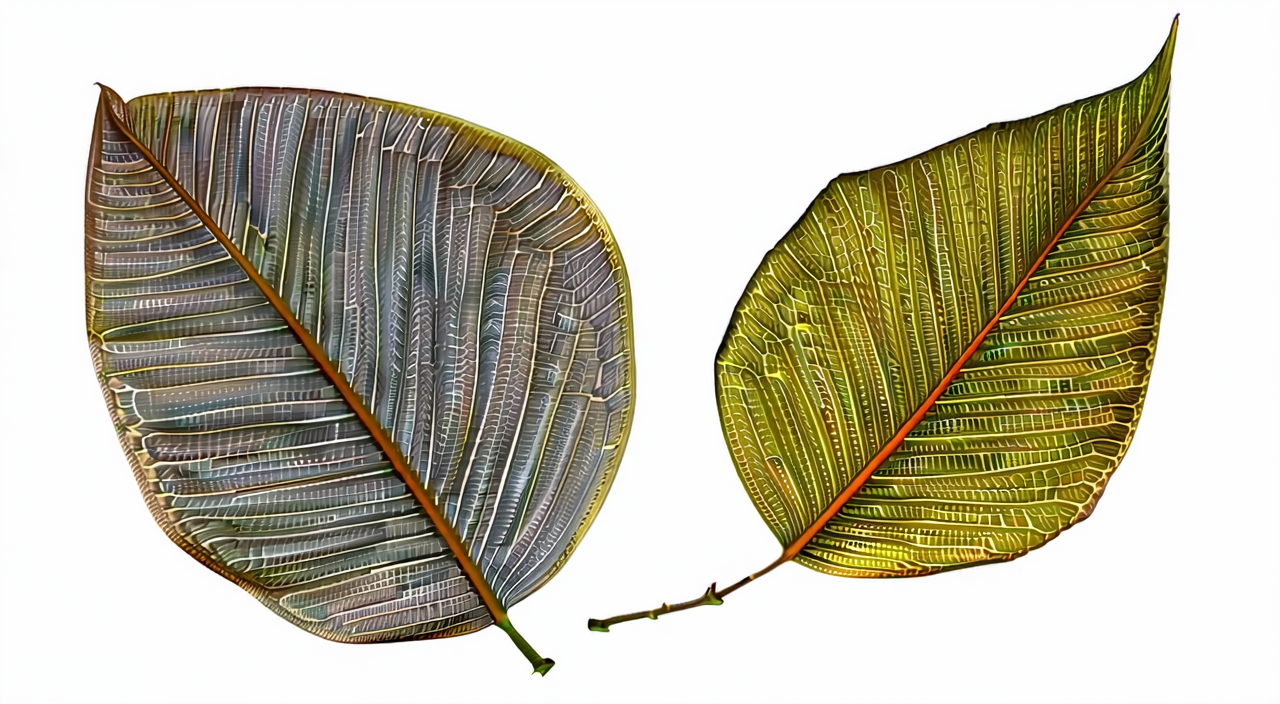
Luo Bu Ma is a plant in the dogbane family, and its dried leaves are a commonly used medicinal material. Fresh leaves are generally elliptic-lanceolate and relatively narrow and elongated. Both ends of the leaf are usually gradually pointed, making the leaf noticeably different from round or nearly heart-shaped leaves. After drying, the leaves may become curled, wrinkled, or broken to varying degrees, so identification should not be based solely on the complete shape of an individual leaf.
In terms of color, Luo Bu Ma leaves are commonly gray-green, yellow-green, or slightly brownish green. Prolonged storage, exposure to moisture, and different processing methods may all change the color. The leaf margin usually has small serrations or fine teeth. The petiole is short, while the midrib extends from the base toward the tip and the lateral veins are relatively distinct. When the leaf is unfolded, its shape, margin, veins, and texture should be considered together for identification.
Dried Luo Bu Ma leaves are relatively thin and may become brittle when broken, although moisture levels in different batches can affect their texture. They generally have a plant-like odor, and the infusion is often yellow-green or pale brownish yellow. The color or aroma of the tea, or the name printed on the package, is not enough to confirm the origin of the herb. When purchasing loose sliced herbs, pay attention to reputable suppliers, labeling, and quality inspection information.
What Is the Medicinal Part of Luo Bu Ma?
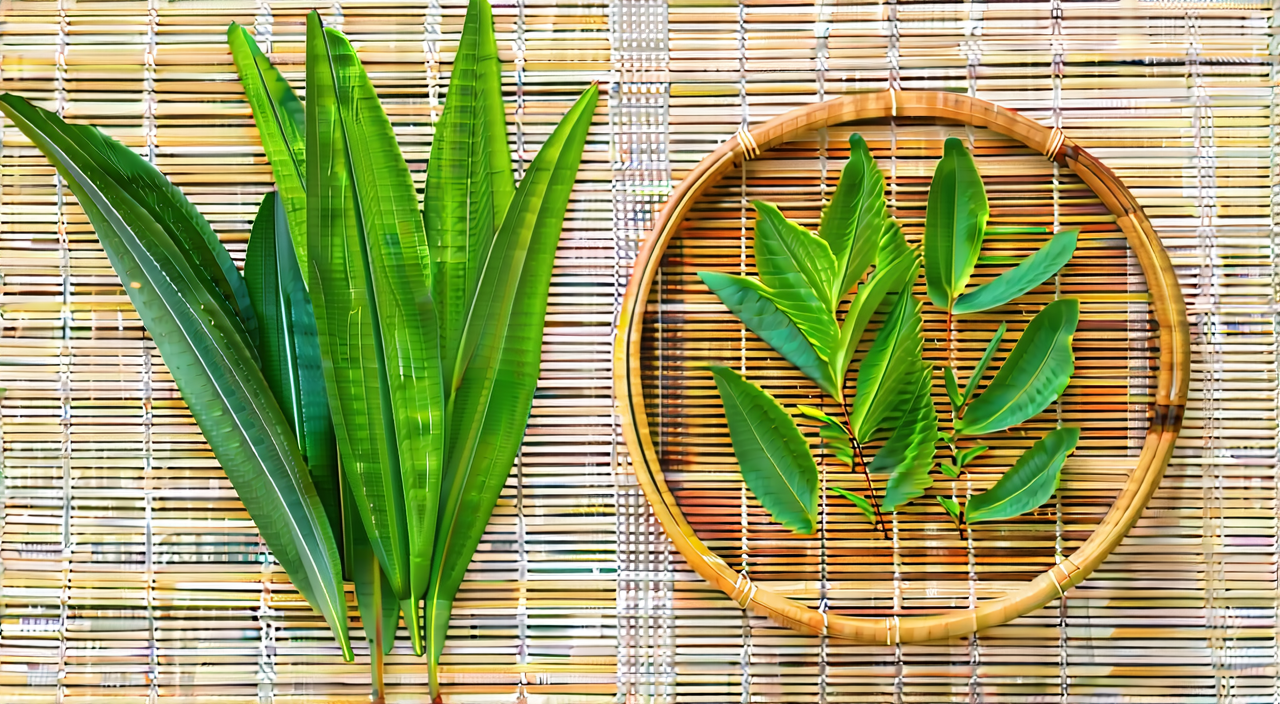
The medicinal part of Luo Bu Ma is primarily its leaves. They are usually harvested in summer and used after impurities are removed and the material is dried. The herb may appear as whole leaves, broken leaves, or cut slices. Its exact appearance depends on the harvest time, drying method, and processing specifications.
The medicinal part referred to here is the leaf, not the root, stem, flower, or seed of Luo Bu Ma. Different plant parts may contain different compounds, and their traditional uses, quality standards, and methods of use may also differ. Therefore, similarly named plant parts should not be substituted for Luo Bu Ma leaf without professional guidance.
Ordinary Luo Bu Ma tea may use dried leaves, but it may also contain other plant materials. If a product is labeled as a compound preparation, check its complete formula and approval information. For users outside China, the classification of herbal teas, dietary supplements, and medicines may vary by country or region. Its regulatory status cannot be determined from the Chinese name alone.
How Does Traditional Chinese Medicine Understand Luo Bu Ma Leaf?
Traditional Chinese medicine commonly understands Luo Bu Ma leaf in terms of approaches such as calming the Liver, settling the spirit, clearing heat, and promoting urination. In this context, “calming the Liver” is a theoretical term in traditional Chinese medicine and does not refer to a diagnosis of liver disease in modern medicine. Similarly, “settling the spirit” and “promoting urination” should be interpreted in relation to the overall pattern, constitution, and specific symptoms.
In traditional use, Luo Bu Ma leaf is often considered in approaches related to excessive Liver yang, an unsettled mind, edema, or difficulty urinating. These descriptions cannot replace modern medical examinations and should not be used to determine the cause of high blood pressure, abnormal heart rhythm, insomnia, kidney problems, or other diseases.
The same medicinal material may not be suitable for everyone. Age, underlying conditions, current medications, constitutional characteristics, and the duration of symptoms can all affect the choice. When using Chinese herbal slices, herbal teas, or Chinese patent medicines, decisions should be based on the product information and professional advice rather than treating traditional indications as a fixed plan suitable for all people.
What Does Modern Research Say About Luo Bu Ma Leaf?
Modern research has examined flavonoids, glycosides, and other plant compounds in Luo Bu Ma leaf, with studies exploring possible relationships to blood pressure, cardiovascular function, urination, and sedation. Laboratory research, animal studies, and small observational clinical studies can help researchers develop hypotheses, but they do not automatically constitute established clinical evidence for treatment.
This distinction is especially important in discussions about blood pressure. The existence of research related to blood pressure is not the same as evidence that the herb can replace standard medical care. Blood pressure is influenced by many factors, including genetics, diet, body weight, sleep, emotions, kidney function, and cardiovascular health. Whether medication is needed should be determined by a doctor based on repeated measurements, medical history, and examination results—not on a single reading or personal experience with an herbal tea.
At present, Luo Bu Ma tea, single-herb Luo Bu Ma leaf slices, and legally approved compound preparations do not necessarily have the same ingredients, dosages, quality controls, or research conditions. When reviewing a research finding, also consider the study population, preparation form, dosage, duration, and quality of evidence. Preliminary research should not be interpreted as proof of a definite effect.
How Does Luo Bu Ma Leaf Differ from Eucommia and Mulberry Leaves?
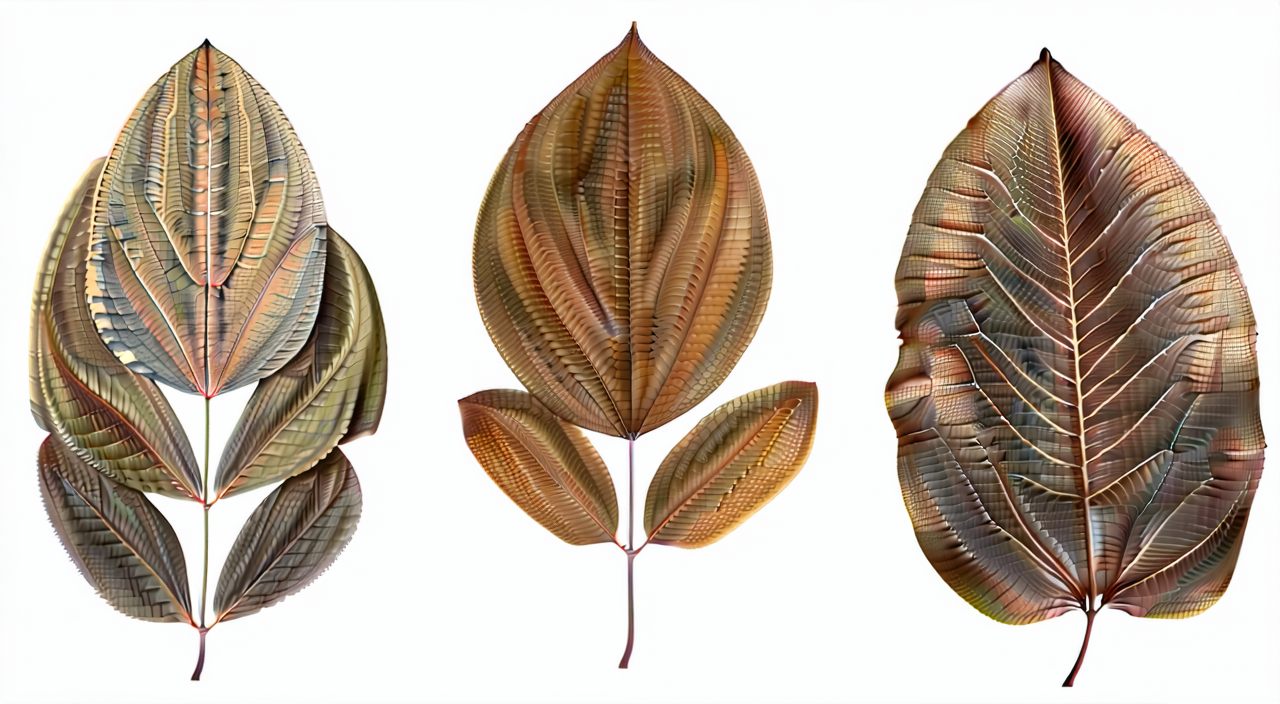
Luo Bu Ma, Eucommia, and mulberry leaves may all appear as dried leaves or herbal teas, but they come from different plants and have different appearance characteristics. They should not be substituted for one another based only on names such as “leaf tea” or “blood pressure tea.”
In terms of shape, Luo Bu Ma leaves are usually elliptic-lanceolate, relatively narrow and elongated, with fine teeth along the margin and a short petiole. Eucommia leaves are generally broader, with noticeable surface texture and lateral veins. When folded or torn, they may produce characteristic fine, thread-like strands, a feature often mentioned when identifying Eucommia leaves; however, drying conditions and leaf condition can affect this characteristic, so it should not be used as the sole basis for identification. Mulberry leaves vary considerably in shape. They are commonly ovate or broadly ovate, usually have more prominent serrations, may have a heart-shaped or nearly heart-shaped base, and often show distinct veins.
All three may become yellow-green, gray-green, or brownish green after drying, so color alone has limited value. For identification, unfold the leaves fully and consider their shape, margin, midrib, and lateral veins together with their aroma, texture, package labeling, and source. If the product is intended for medicinal use, choose a reputable product with a clear name, batch number, and quality information, and consult a professional when necessary.
What Common Preparations Contain Luo Bu Ma Leaf?
Luo Bu Ma leaf products generally fall into three categories. The first includes Luo Bu Ma leaf slices or single-herb teas, whose methods of use and product positioning may vary. The second includes Compound Luo Bu Ma Tablets, which combine Luo Bu Ma leaf with other medicinal ingredients and are legally approved preparations. The third includes preparations with Luo Bu Ma in their names, such as Luo Bu Ma Blood Pressure-Lowering Tablets. The formulas, specifications, approved indications, and precautions differ among products.
Ordinary Luo Bu Ma tea should not be treated as equivalent to Compound Luo Bu Ma Tablets or Luo Bu Ma Blood Pressure-Lowering Tablets. The fact that they all contain Luo Bu Ma leaf does not mean that their effects, dosages, and risks are identical. Before choosing or using a product, check its category, complete ingredient list, directions, dosage, contraindications, and adverse-effect information. When purchasing or using these products overseas, also consider local regulations governing medicines and herbal products.
These formulas or Chinese patent medicines are often used within traditional approaches related to the conditions discussed above. However, suitability still depends on individual constitution, symptoms, current medications, and professional advice. Multiple Luo Bu Ma products should not be combined without guidance.
What Precautions Apply When Using Luo Bu Ma Leaf?
People with normally low blood pressure, frequent dizziness, or fatigue, as well as those with heart rhythm problems or a history of fainting, should consult a doctor or pharmacist before considering Luo Bu Ma leaf products. Anyone taking blood pressure medication, diuretics, medicines that affect heart rate, or other long-term prescription drugs should also inform a healthcare professional so that possible additive effects and monitoring needs can be assessed.
People who are pregnant or breastfeeding, children, older adults, and those with abnormal liver or kidney function should not self-use these products based solely on information found online. If marked dizziness, fatigue, palpitations, chest tightness, a rash, gastrointestinal discomfort, or other unusual symptoms occur, do not increase the dose on your own and seek professional advice promptly. If blood pressure remains abnormal or is accompanied by chest pain, breathing difficulties, severe headache, changes in consciousness, or similar symptoms, seek medical care as soon as possible.
Luo Bu Ma leaf products cannot replace physician-prescribed blood pressure medication or other prescription drugs. Starting an herbal tea or Chinese patent medicine is not a reason to stop, reduce, or change prescribed treatment without medical advice. For symptoms that persist, recur, or gradually worsen, identify the underlying cause first and then discuss whether any supportive approach may be appropriate.
Summary
Luo Bu Ma leaf primarily refers to the dried leaves of the Luo Bu Ma plant. Common features include elliptic-lanceolate leaves, a gray-green or yellow-green appearance, finely toothed margins, short petioles, and a relatively distinct midrib. It differs from Eucommia and mulberry leaves in leaf shape, venation, and tearing characteristics. Ordinary Luo Bu Ma tea is also not equivalent to legally approved medicinal products. When blood pressure, heart rhythm, or long-term medication is involved, decisions should be based on product information and professional advice. This article is for general educational purposes only and cannot replace diagnosis or treatment advice.