
What Is Ephedra? Medicinal Parts, Identification Methods, and Common Formulas
For many people overseas who follow traditional Chinese medicine, Ephedra (Mahuang) is both familiar and unfamiliar. It appears frequently in classic formulas, yet it is strictly regulated due to its ephedrine alkaloids.
Understanding what Ephedra is, what its herbaceous stems look like, and why the root and stem lead to completely different directions of use helps in viewing this herb more rationally. This article will provide a popular science reference suitable for overseas Chinese readers by covering aspects such as botanical origin, morphological identification, traditional understanding, modern research concerns, differences from Ephedra root, related formulas, and precautions for use.
What Does Ephedra Look Like? How to Identify It?
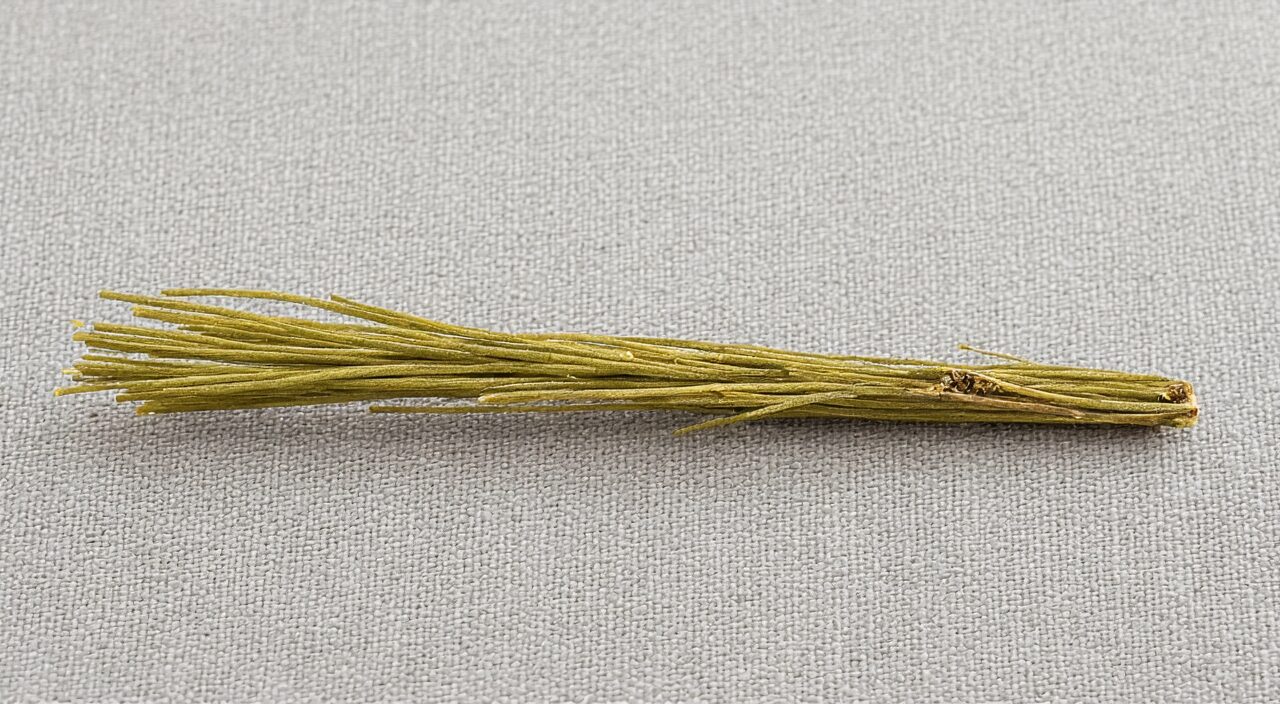
Ephedra is not a broad leaf; its medicinal part usually appears as slender, cylindrical herbaceous stems. When looking at the dried cut segments alone, one might mistake them for a pile of yellowish-green or light greenish-brown thin sticks.
Typical morphological characteristics include:
- The stem surface has fine longitudinal ridges, and touching it reveals a slightly rough longitudinal texture.
- Nodes are very distinct, with opposite, membranous scale leaves at each node. The scale leaves are often shed or broken, but the position of the node remains visible.
- When broken, the cross-section is somewhat fibrous, and the center may have a reddish-brown or dark pith, sometimes becoming hollow.
- The overall texture is light and brittle, with a faint aroma and an astringent or slightly numbing sensation when tasted.
The slender cylindrical shape, distinct nodes, and longitudinal ridges are relatively stable identification markers, though materials from different sources may vary slightly.
If you see a living Ephedra plant in its native habitat or a botanical garden, it usually appears as a multi-branched small shrub, resembling a messy cluster of green branches from afar. The leaves are reduced to scales, and overall, there is a lack of broad leaves—an adaptation to arid environments.
What Is the Medicinal Part of Ephedra?
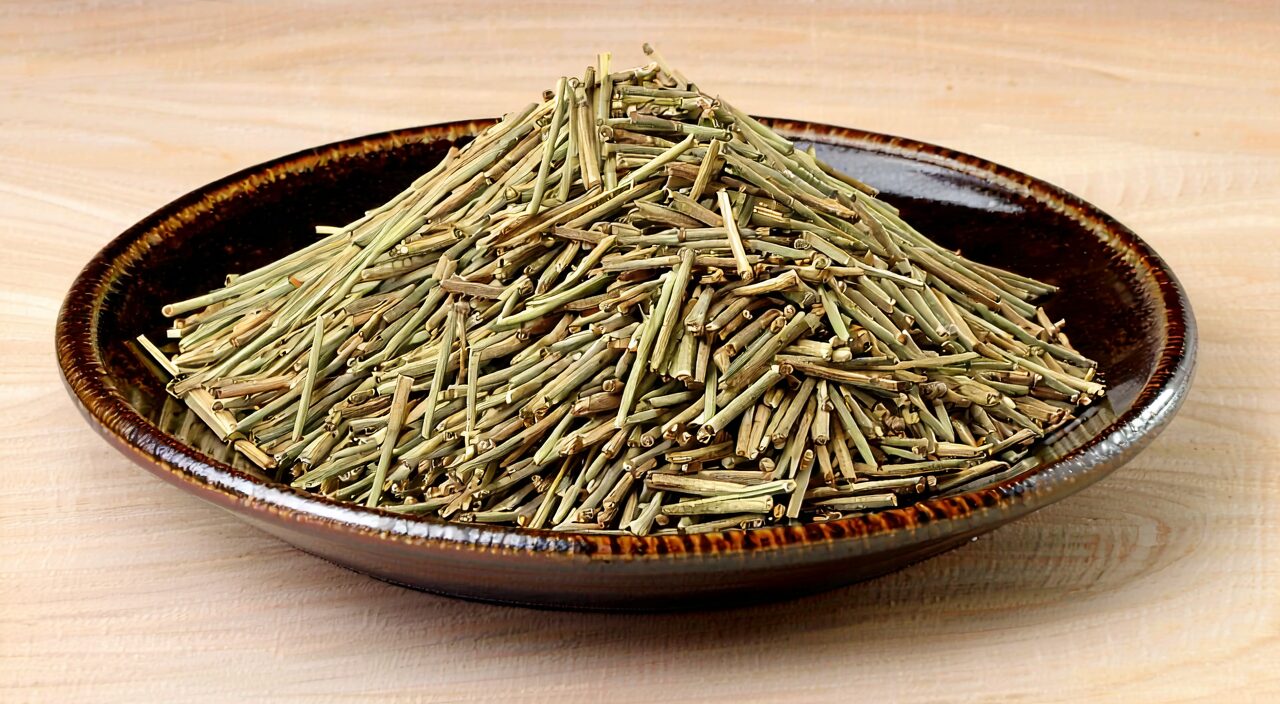
The medicinal part of Ephedra is mainly its dried herbaceous stems. Harvesting usually occurs in autumn, when the active compounds in the aerial stems are relatively concentrated. Traditional processing involves removing impurities from the harvested stems, drying them in the sun or in the shade, and then cutting them into segments.
Cut Ephedra segments are often fine cylindrical pieces about 2 to 3 mm in diameter, with visible longitudinal ridges and nodes on the surface. Both the harvest time and drying method affect the quality of the medicinal material. In reputable supply channels, a full pith at the cross-section, bright color, and minimal impurities are used as visual reference points.
It is important to note that the aerial herbaceous stem and the underground root and rhizome of Ephedra are entirely different medicinal parts, and they are used in almost opposite ways in traditional practice, as will be explained later.
How Does Traditional Chinese Medicine Understand Ephedra?
In traditional Chinese medicine (TCM), Ephedra is primarily associated with two actions: “dispersing wind-cold” and “disseminating and unblocking lung qi.” This can be understood from the following perspectives:
- Inducing sweating to release the exterior: In cases of external wind-cold invasion accompanied by chills, fever, and absence of sweating, Ephedra is often viewed as a force that disperses outward, helping to drive yang qi to the body surface, open the pores, and allow pathogenic factors to be expelled through sweat.
- Disseminating lung qi and calming wheezing: Ephedra has an ascending action. Externally, it opens the interstices, and internally, it disseminates and unblocks lung qi. When wind-cold constrains the exterior, causing lung qi to become obstructed with chest tightness, coughing, and wheezing, it is commonly used to restore smooth breathing.
- Promoting urination and reducing edema: In some patterns with edema and difficult urination, Ephedra is also used to assist in moving water and reducing swelling, especially when the edema occurs in the upper body and is related to an exterior disorder.
These actions typically require combination with other herbs based on a person’s constitution and pattern, and Ephedra is rarely used alone. TCM emphasizes that “a specific formula is applied to a specific pattern”; Ephedra-containing formulas are not prescribed simply because coughing, wheezing, or edema are present.
What Components and Effects Does Modern Research Focus On?
Modern research on Ephedra is inseparable from the ephedrine-type alkaloids it contains, mainly l-ephedrine and pseudoephedrine. These compounds can affect the cardiovascular system, central nervous system, and bronchial smooth muscle.
Pharmacologically, ephedrine has sympathomimetic effects, capable of constricting blood vessels, raising blood pressure, increasing heart rate, and dilating bronchi. Precisely because these effects are strong, many countries and regions around the world have clear regulatory provisions for products containing ephedrine alkaloids, typically managing them as prescription drugs or strictly controlled substances.
It must be explicitly stated that this article does not guide the use of Ephedra for weight loss, performance enhancement, or daily stimulation. Such uses not only lack sufficient safety guarantees but can also pose serious risks. For ordinary consumers, understanding the component background of Ephedra is more for recognizing its safety boundaries and avoiding long-term self-administration as a daily herbal supplement.
What Is the Difference Between Ephedra Stem and Ephedra Root?
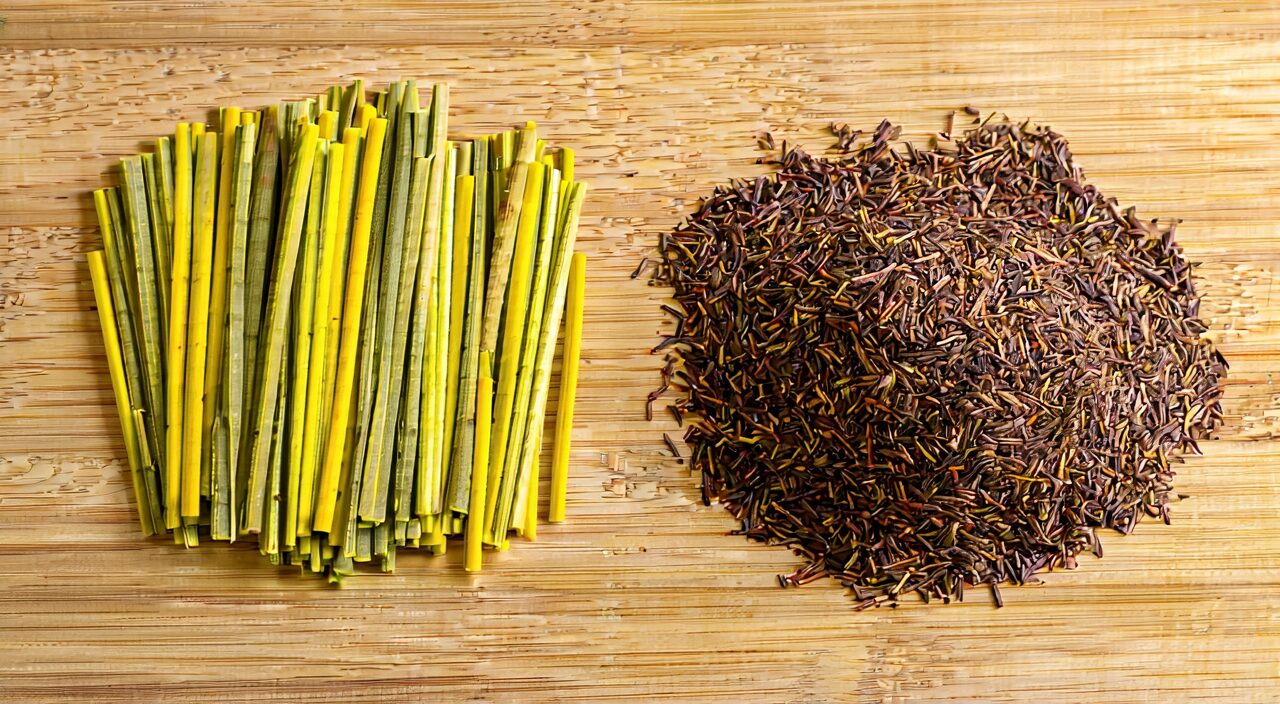
This is a common point of confusion for those first encountering Ephedra. Although Ephedra stem and Ephedra root come from the same plant, the medicinal parts are different, and their traditional usage directions are drastically different.
| Comparison Item | Ephedra (Herbaceous Stem) | Ephedra Root (Root & Rhizome) |
|---|---|---|
| Medicinal Part | Aerial herbaceous stem | Underground root and rhizome |
| Nature & Taste | Acrid, warm | Relatively sweet, neutral, or astringent |
| Action Direction | Dispersing, lifting and floating; often used to induce sweating and disseminate lung qi | Astringing, stopping sweating; often used for spontaneous sweating and night sweats due to deficiency |
| Precautions | Tends to “disperse”; misuse for stopping sweating may worsen sweating | Tends to “astringe”; misuse for inducing sweating may hinder exterior relief |
Simply put, one tends to “disperse” and the other to “astringe.” If Ephedra stem is mistakenly used when sweating needs to be stopped, or Ephedra root is mistakenly used when sweating is needed, not only will the desired effect not be achieved, but it may also cause imbalance. Therefore, professionals are often particularly careful to distinguish these two medicinal substances in formulation.
Which Formulas Use Ephedra?
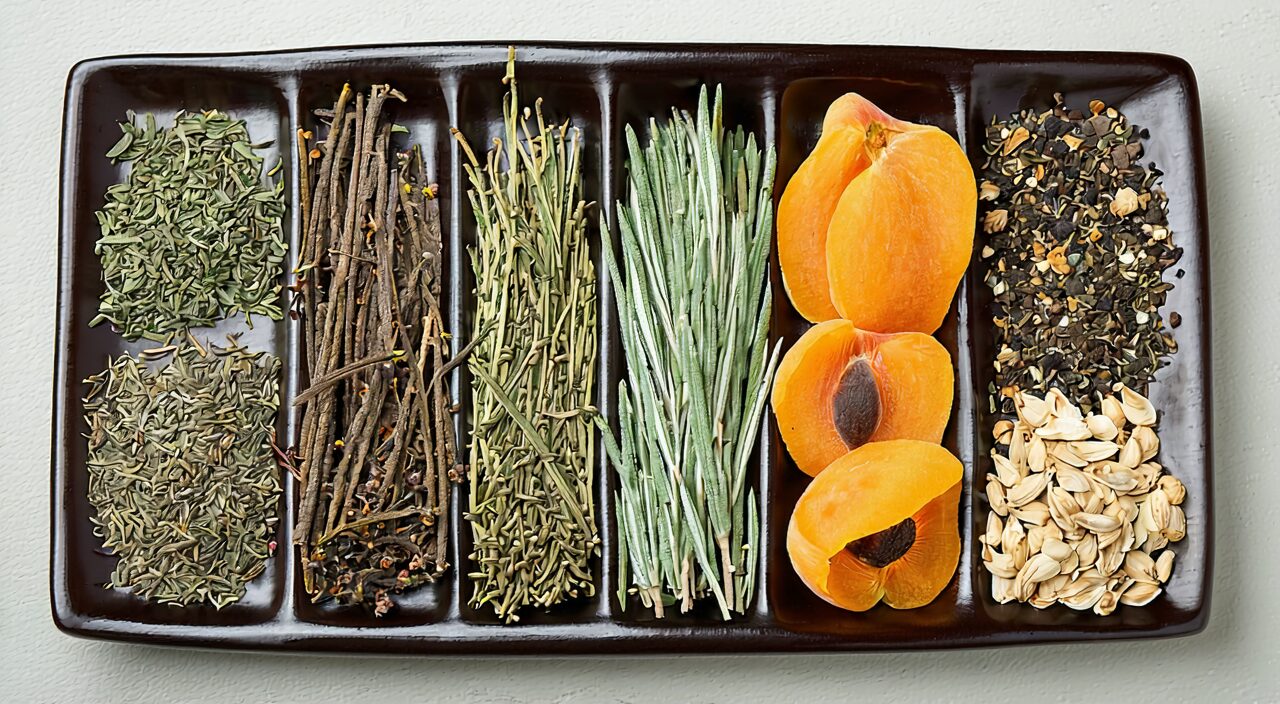
In traditional formulas, Ephedra often appears as the sovereign herb, especially in patterns involving wind-cold constraining the exterior and lung qi not disseminating. The following formulas are relatively common:
- Ephedra Decoction (Mahuang Tang): Often used for external wind-cold patterns with chills, fever, headache, body aches, absence of sweating, and wheezing. The approach is to relieve external excess patterns by dispersing wind-cold, disseminating lung qi, and calming wheezing.
- Major Bluegreen Dragon Decoction (Da Qinglong Tang): A modified version of Ephedra Decoction, aimed at external wind-cold with internal heat, manifesting as absence of sweating and irritability—a combined exterior-cold and interior-heat presentation.
- Minor Bluegreen Dragon Decoction (Xiao Qinglong Tang): Suitable for external wind-cold with internal cold-fluid retention causing cough and wheezing, often with clear, thin sputum or frothy sputum. The approach is to release the exterior, disperse cold, warm the lungs, and transform retained fluids.
- Ephedra, Apricot Kernel, Gypsum, and Licorice Decoction (Ma Xing Shi Gan Tang): A modification of Ephedra Decoction that emphasizes clearing heat and disseminating lung qi. It is commonly used for patterns where external pathogens are not resolved and lung heat is congested, with manifestations possibly including fever, thirst, cough, wheezing, and a rapid pulse.
All the above are classic traditional Chinese formulas. Whether a specific formula suits a certain constitution or pattern requires a comprehensive assessment of symptoms, tongue appearance, pulse, and overall condition. Individuals vary greatly in their tolerance and response to Ephedra, and these formulas should generally be used under professional guidance; self-prescribing based on symptoms alone is not recommended.
What Precautions Should Be Taken When Using Ephedra?
The precautions for using Ephedra are founded on both traditional experience and modern safety understanding. The following points deserve special attention:
- Ephedra and its related preparations are not suitable for long-term or excessive use. It is even less advisable for individuals to purchase raw herbs and decoct them casually.
- People with underlying conditions such as hypertension, heart disease, arrhythmia, hyperthyroidism, or glaucoma usually need to avoid products containing Ephedra.
- The elderly, children, pregnant women, and breastfeeding women are considered special sensitive populations with higher risks and require extra caution.
- Ephedra may interact with certain medications, such as some antihypertensives, antidepressants, and other stimulants, potentially causing adverse reactions.
- If noticeable palpitations, dizziness, headache, insomnia, nausea, elevated blood pressure, or other discomfort occur after using a product containing Ephedra, discontinue use immediately and consult a doctor.
- In daily life, avoid treating Ephedra as an ordinary herbal tea or a daily conditioning product, especially refraining from self-use for purposes like weight loss or energy boosting.
If there are any uncertainties, or the personal situation is complex, priority should be given to consulting a qualified physician or pharmacist.
Summary
Ephedra is a medicinal herb with clear usage directions in traditional Chinese medicine. Its dried herbaceous stems are used medicinally and have characteristics of dispersing wind-cold and disseminating lung qi to calm wheezing. However, because it contains ephedrine alkaloids, its safety margin is narrow. Although Ephedra root comes from the same plant, its action is astringent, which is opposite to the dispersing stem.
For the general user, understanding the appearance features of Ephedra, the traditional application background of classic formulas, as well as cautions regarding cardiovascular risks and contraindications for special populations, is far more important than hastily trying to take it. This article serves only as a popular science reference and cannot replace professional diagnosis or treatment advice. Be sure to consider your personal situation and professional judgment, and never engage in long-term self-administration.