
What Is Ma Lan Cao? Medicinal Parts, Identification, and Common Formulas
What is Ma Lan Cao? The name usually refers to the whole Ma Lan plant or its root, and it is commonly mentioned in traditional herbal and folk medicine contexts. In some regions, the young stems and leaves of Ma Lan are called Ma Lan Tou and are also eaten as a spring wild vegetable. However, food use and medicinal use belong to different contexts, so the same name should not be taken to mean that they can be used interchangeably. For Chinese-speaking readers overseas, understanding the plant’s appearance, medicinal parts, and source is the foundation for learning about Ma Lan Cao.
This article mainly introduces how to identify the appearance of Ma Lan Cao, its traditional uses, common formula names, and important considerations for use. The information is provided for educational purposes about Chinese herbal medicine and cannot replace a doctor’s assessment of specific symptoms, the cause of bleeding, or an appropriate treatment plan.
What Does Ma Lan Cao Look Like? How Can It Be Identified?
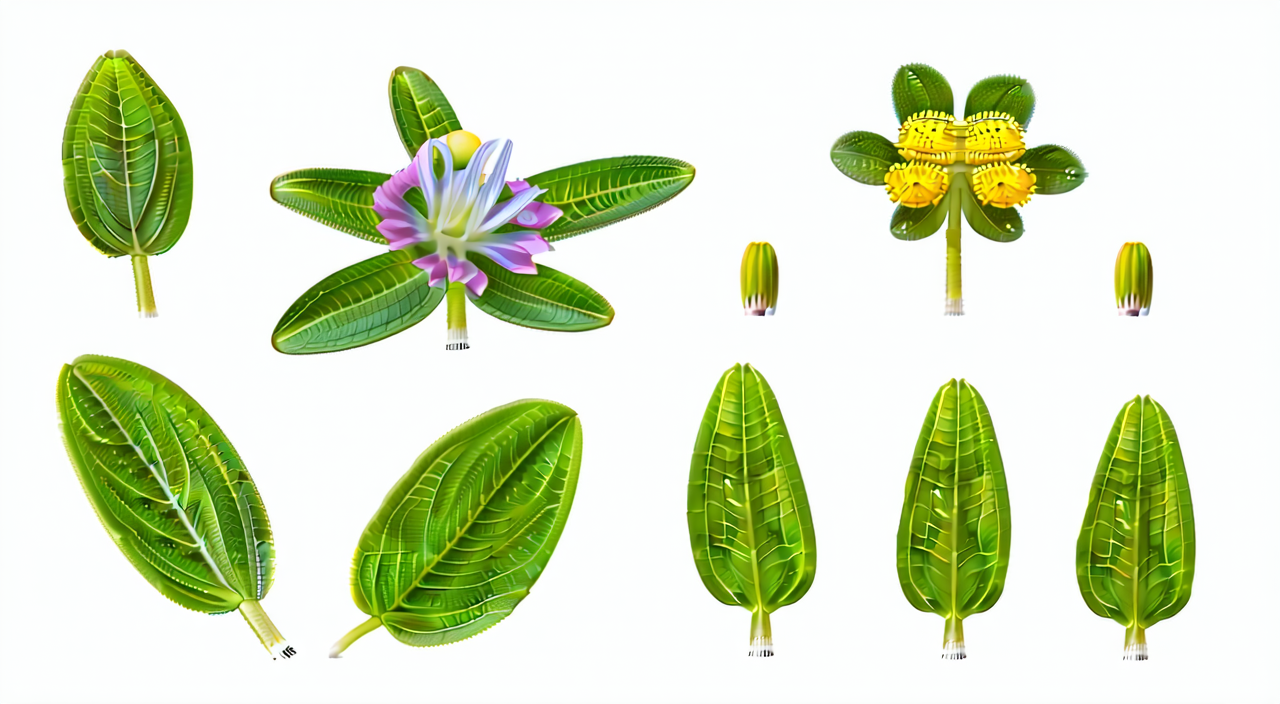
Ma Lan is a perennial herb in the Asteraceae family. It is commonly found beside fields and roads, in moist grasslands, and near ditches. The plant usually has relatively upright stems, with multiple branches toward the upper portion. Its overall height varies depending on the growing environment and season. The stems are relatively flexible; young parts tend to be green, while older stems may have a slight purplish-red color.
The leaves are generally arranged alternately. They are usually lanceolate, narrowly elliptic-lanceolate, or narrowly ovate, with pointed tips and finely serrated margins. Ma Lan leaves are relatively thin and may have a grassy aroma when crushed. The lower leaves are usually larger, while the upper leaves gradually become smaller, and the length of the petiole may vary according to its position on the plant.
The flower head is one of the important features used to identify Ma Lan. Like many plants in the Asteraceae family, Ma Lan has capitula. The ray florets are usually pale purple, purplish red, or nearly white, while the central tubular florets are yellowish. The flower heads may grow singly or in clusters at the ends of branches. Because they resemble those of several wild Asteraceae plants, flower color alone is not sufficient for accurate identification.
The underground portion usually consists of slender roots and rhizomes. The rhizomes may extend horizontally, helping the plant grow in suitable environments. When collecting or identifying the plant, the stems, leaves, flower heads, and underground parts should be considered together. If necessary, ask an experienced herbal-material practitioner or other qualified professional for confirmation. Collecting the plant solely by comparing it with online images is not recommended.
What Are the Medicinal Parts of Ma Lan Cao?
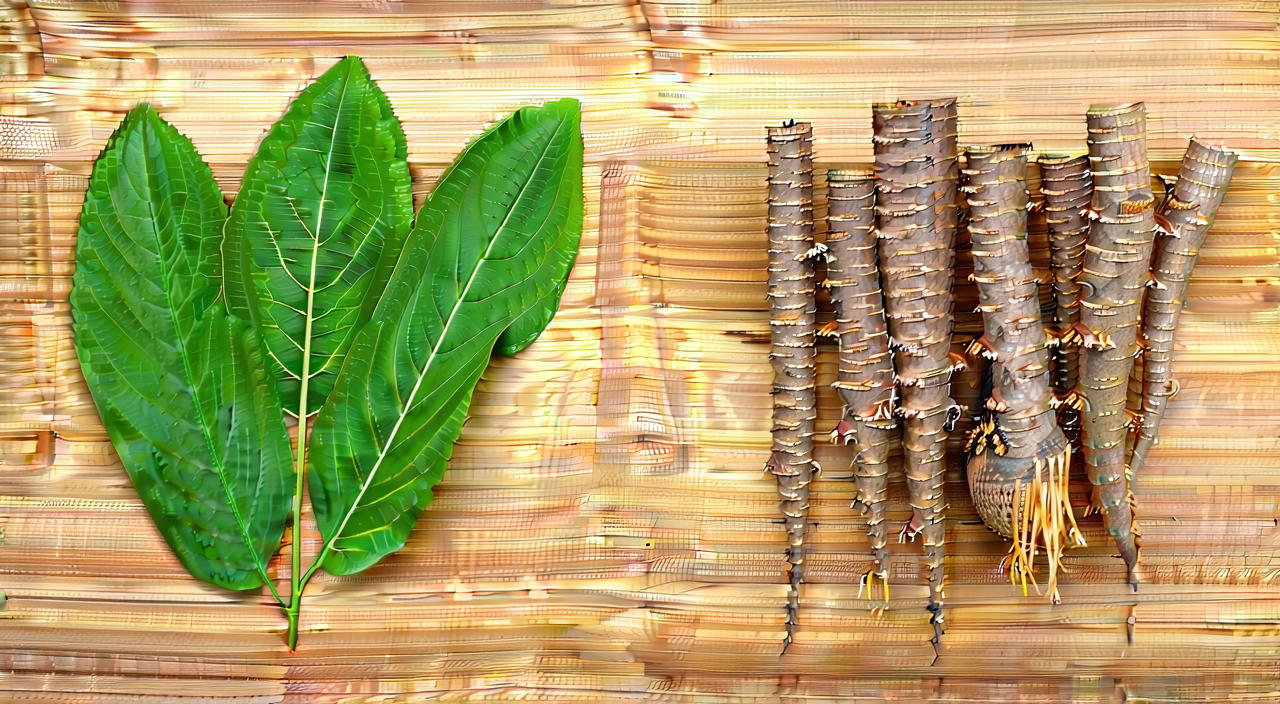
In traditional medicinal contexts, Ma Lan Cao usually refers to the whole plant. Some sources and regional practices also use Ma Lan root. The whole plant generally includes the above-ground stems, leaves, flowers, and some young branches. The root refers mainly to the cleaned underground roots and rhizomes. The names of herbal materials, harvesting times, medicinal parts, and processing methods may vary by region. When purchasing or using the product, follow local herbal-material standards, the product label, and professional advice.
After harvesting, the plant generally needs to be cleaned of soil and impurities before being dried in the shade or through another suitable drying method. The degree of dryness affects storage quality. Herbal material should not be used if it shows obvious mold, an unusual odor, insect damage, or signs of moisture exposure. Dried whole-plant material may appear shrunken, with the leaves changing from green to yellow-green or brownish green. The roots may appear slender, curved, or attached to rhizomes.
The relationship between Ma Lan Tou and Ma Lan Cao is mainly reflected in their shared or closely related plant source. Ma Lan Tou usually refers to the young stems and leaves of Ma Lan, emphasizing its use as a food or wild vegetable. Ma Lan Cao more often appears in herbal medicine, folk-use, or medicinal-material descriptions, emphasizing the traditional use of the whole plant or root. The two should not simply be regarded as exactly the same commercial product, and experience with eating the plant should not be directly treated as medicinal advice.
How Does Traditional Chinese Medicine Understand Ma Lan Cao?
Traditional Chinese medicine commonly understands Ma Lan Cao from perspectives that include clearing heat and detoxifying, cooling the blood and stopping bleeding, and promoting urination to resolve dampness. These descriptions mainly come from classical herbal records, local experience, and traditional use. They belong to the theoretical framework of Chinese medicine and are not equivalent to modern medical diagnoses of diseases or symptoms.
From the perspective of traditional use, Ma Lan Cao is sometimes used in approaches related to signs of heat, blood heat, throat discomfort, sores, or damp heat. In some regions, Ma Lan root is associated with approaches for cooling the blood and stopping bleeding. Individual constitution and symptom patterns may affect the choice. For example, dry mouth, throat discomfort, or skin problems may have different underlying causes, so a person should not apply a remedy based on a single symptom alone.
People with a cold and deficient digestive system, a tendency toward diarrhea, or sensitivity to cooling substances should be particularly cautious with herbs traditionally used to clear heat or cool the blood. If there is recurrent bleeding, heavy bleeding, black stools, blood in the urine, persistent fever, significant pain, or unexplained weight loss, seek medical care first to identify the cause rather than relying on herbs for self-treatment.
Optional Modern Research: How Should Related Information Be Viewed Rationally?
Modern research may examine Ma Lan and its extracts from the perspectives of phytochemical constituents, antioxidant characteristics, in vitro experiments, or animal studies. Such research can help improve understanding of the plant’s components and potential areas of activity. However, experimental findings cannot be directly equated with effects in human use, nor can they be used to draw treatment conclusions for specific diseases.
When reading related information, pay attention to whether the research involved fresh herb, dried whole plant, roots, or an extract; whether the dosage and preparation method were the same as those used in everyday herbal practice; and whether the study included properly conducted human observation. Online articles that emphasize only one component or a single experiment are generally insufficient grounds for self-medication. Pregnant or breastfeeding individuals, children, older adults, and people taking anticoagulants or other medications should consult a doctor or a qualified Chinese medicine professional before use.
What Is the Difference Between Ma Lan Cao, Violet Viola, and Chrysanthemum?
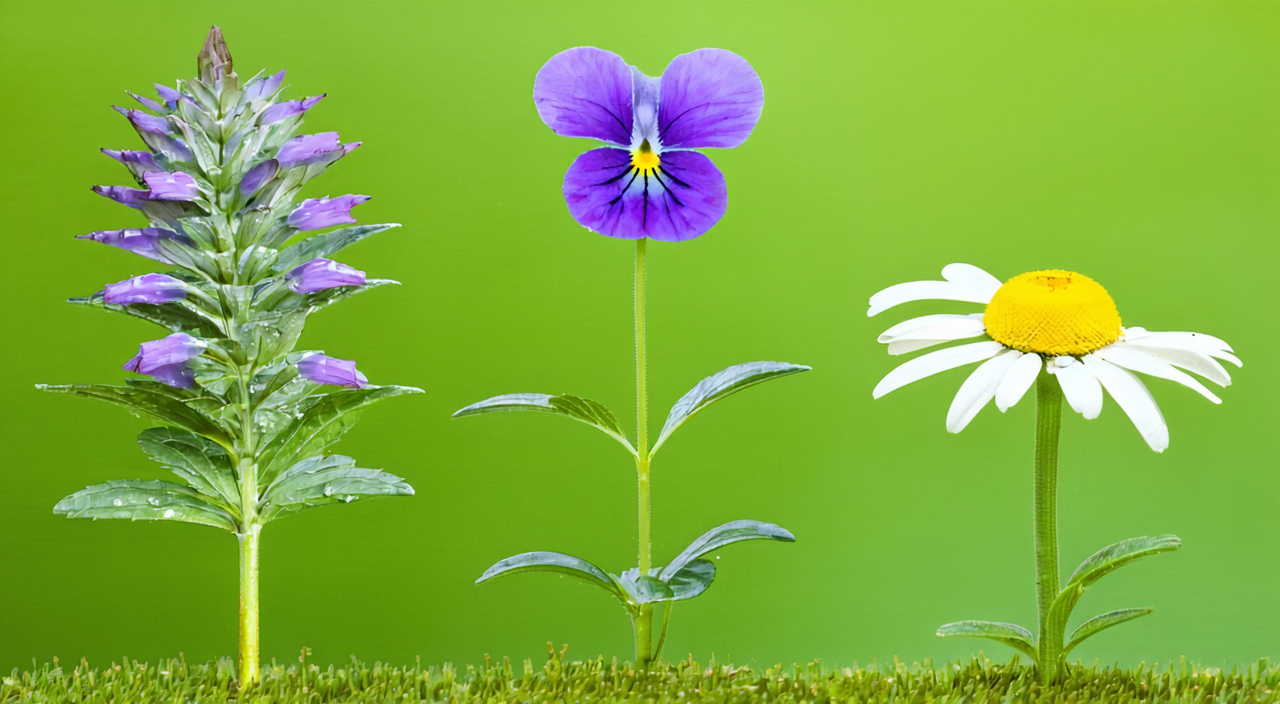
Ma Lan Cao, violet viola, and chrysanthemum may all appear in discussions of herbs used to clear heat and detoxify or for related purposes. However, they are different plants, with differences in both appearance and traditional use.
Ma Lan usually has relatively upright, branched stems. Its leaves are mostly lanceolate and arranged alternately, with serrated margins. Its flower heads generally consist of pale purple ray florets surrounding yellow tubular florets. Violet viola usually grows close to the ground in a rosette-like form, with leaves emerging mainly from the base. Its flowers are generally solitary and borne on slender stalks, giving it a different appearance from the upright, branched Ma Lan. Chrysanthemum refers to cultivated or wild plants in the Chrysanthemum genus. The main medicinal part is commonly the dried flower head, while leaf shape, flower-head size, and cultivar characteristics can vary considerably.
When identifying plants in the wild, do not rely on flower color alone. Observe whether the plant is upright, how the leaves are arranged, the leaf margins, the structure of the flower heads, and the characteristics of the roots. Purple flowers are not a reliable single identifying feature. Misidentification and collection may create hygiene and medicinal-use risks.
Which Formulas Use Ma Lan Cao?
Traditional formulas and regional practices include names such as Ma Lan Cao Tang and Ma Lan Gen San. Ma Lan Cao or Ma Lan root may also be combined with other herbs in formulas traditionally associated with cooling the blood and detoxifying. It is important to note that formulas with the same name may differ in their ingredients, dosages, preparation methods, and intended uses across different medical texts, regions, or lineages. The exact composition cannot be determined from the formula name alone.
Ma Lan Cao Tang can generally be understood as a formula name that illustrates traditional combination approaches involving Ma Lan Cao. Ma Lan Gen San places greater emphasis on using the root in a powder-based formula. Formulas traditionally associated with cooling the blood and detoxifying may also combine different herbs according to signs of heat, bleeding patterns, damp heat, and other accompanying symptoms. These represent traditional areas of use and do not indicate a fixed effect against any particular disease.
If you encounter a formula containing Ma Lan Cao, first confirm the herbal name, the part used, the processing status, and the complete formula. Its suitability should then be considered in relation to your constitution, symptoms, medical history, and current medications. Evaluate the product information together with professional advice. Do not replace herbs or extend the duration of use on your own simply because two formula names sound similar.
What Precautions Should Be Taken When Using Ma Lan Cao?
First, pay attention to digestive reactions. Herbs traditionally associated with clearing heat, cooling the blood, or promoting urination may not be suitable for people with a cold and deficient digestive system, a tendency toward diarrhea, poor appetite, or a constitution considered cold. If persistent abdominal pain, diarrhea, nausea, a rash, or other discomfort develops after use, stop self-treatment and consult a qualified professional.
Second, avoid confusing wild vegetables with similar plants. Although Ma Lan Tou is eaten as a wild vegetable in some regions, similar-looking Asteraceae plants may be found in the wild. Areas beside roads, near garbage dumps, around industrial zones, and fields where pesticide use is unknown may carry contamination risks and should not be harvested casually. Even when the plant is confirmed to be Ma Lan, food use and medicinal use should be distinguished, and attention should be paid to cleaning, sourcing, and storage conditions.
Unexplained nosebleeds, bleeding gums, blood in the stool, black stools, blood in the urine, unusually heavy menstruation, or recurrent bleeding under the skin should not be attributed only to blood heat. Persistent or recurrent bleeding, especially when accompanied by marked anxiety, palpitations, chest tightness, abnormal breathing, severe abdominal pain, persistent vomiting, fever, or weight loss, requires prompt medical advice. Pregnant or breastfeeding individuals, children, people with chronic diseases, and those taking prescription medications should also obtain professional advice before use.
Summary
Ma Lan Cao generally refers to the whole Ma Lan plant or its root. In some regions, its young stems and leaves are called Ma Lan Tou, but food terminology and medicinal parts should not be treated as completely interchangeable. For identification, examine the upright, branched stems, alternate lanceolate leaves, serrated margins, pale purple flower heads, and underground roots and rhizomes together. Ma Lan Cao Tang, Ma Lan Gen San, and formulas traditionally associated with cooling the blood and detoxifying can be understood as examples of traditional use. Whether they are appropriate depends on the source of the material, individual constitution, symptoms, and professional advice. This article is for educational reference only and cannot replace diagnosis or treatment advice.