
What Is Nux Vomica? Medicinal Parts, Identification, and Common Preparations
Nux vomica is a traditional Chinese medicinal material that requires particular caution. It comes from the mature seeds of Strychnos nux-vomica, a plant in the Strychnaceae family, and contains alkaloids such as strychnine and brucine. It is highly toxic and has a very narrow safety margin. The crude drug, processed slices, and related preparations seen in daily life should not be tried independently based on appearance or personal experience. Traditional use is generally based on standardized processing, clearly defined dosage forms, and professional judgment. Clinical use should also be limited to properly processed products or legally approved preparations. The following sections explain what nux vomica is from the perspectives of appearance, medicinal part, traditional understanding, modern research, and usage precautions.
What Does Nux Vomica Look Like? How Can It Be Identified?
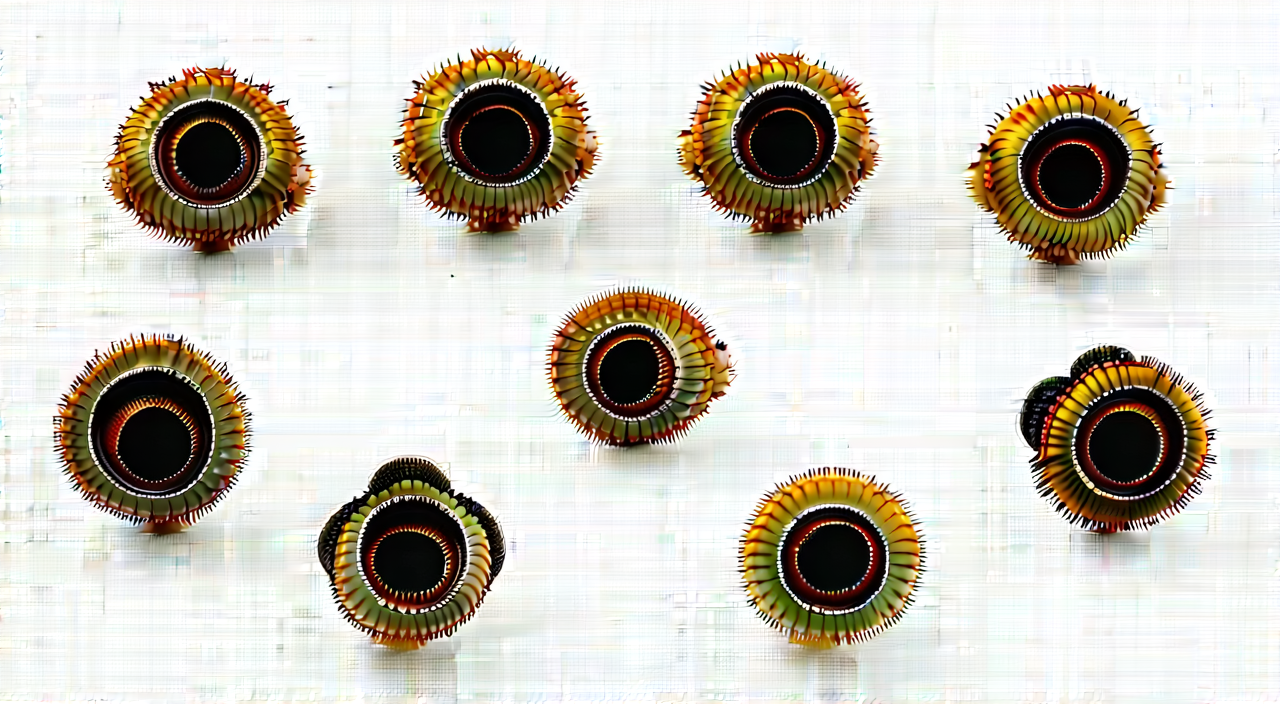
Nux vomica is typically a flat, round, or slightly button-shaped seed, usually about one to two centimeters in diameter and relatively thin. Its surface is commonly gray-green, gray-brown, or light brown, and it is densely covered with silky hairs radiating from the center toward the edges. These hairs give the seed a distinctive appearance and texture. The edge of the seed is often slightly raised, while the hilum and other structures may be visible in the center or on one side, creating an overall disk-like outline.
Natural medicinal materials may vary in color, size, and the completeness of their hair covering depending on their origin, maturity, drying conditions, and processing method. The silky hairs on some samples may have fallen off, while moisture or improper storage may also alter their appearance. Therefore, authenticity cannot be determined solely from a picture, color, or a single feature. Nux vomica may also be confused with some medicinal seeds of similar appearance. Without professional identification, it should not be collected or purchased for self-use, and its visual similarity to another seed should never be a reason to taste or ingest it.
What Is the Medicinal Part of Nux Vomica?
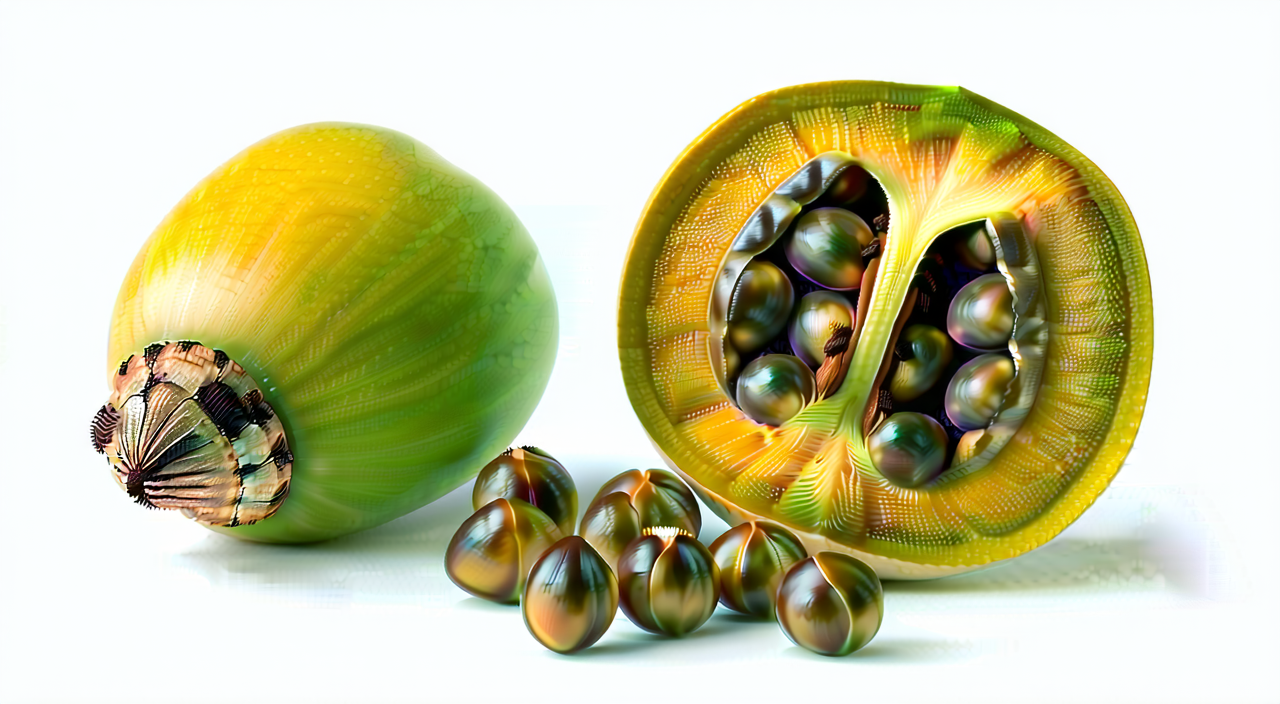
The medicinal part of nux vomica is the mature seed of Strychnos nux-vomica, not the root, stem, leaves, or fruit pulp. After drying, mature seeds may be examined as crude medicinal material, but the traditional medicinal context also commonly refers to processed nux vomica. Processed nux vomica is a medicinal material that has undergone standardized processing intended to reduce or control some irritant and toxicity risks. It is not the same as heating, soaking, or decocting the material at home.
Processing involves professional procedures such as temperature control, timing, manufacturing methods, and quality control. Improper treatment may result in unstable control of the active constituents, so information found online should not be treated as a guide for home processing. Even a processed product does not mean it can be used freely without regard to its dosage form, package insert, or professional guidance. Nux vomica with an unknown source, incomplete packaging, or an unconfirmed processing status should not be handled or taken orally.
How Does Traditional Chinese Medicine Understand Nux Vomica?
Traditional Chinese medicine commonly understands the application of nux vomica in terms such as unblocking the channels, relieving pain, dispersing masses, and reducing swelling. Historically, it has been included in treatment approaches for certain patterns involving obstruction, pain, masses, and swelling. Because its medicinal properties are intense, traditional use emphasizes pattern identification, compatibility with other ingredients, processing, and dosage management. It is not regarded as an everyday wellness ingredient.
From a health education perspective, these descriptions of traditional effects belong to the theory and historical practice of traditional Chinese medicine and cannot be directly equated with modern medical conclusions about disease treatment. Whether a formula or Chinese patent medicine containing nux vomica is appropriate depends on a comprehensive assessment of an individual’s constitution, symptoms, medical history, current medications, and the product information. Pregnant or breastfeeding individuals, children, older adults, and people with neurological or respiratory problems should consult a doctor or qualified professional before use.
What Risks Are Highlighted by Modern Research?
An important reason nux vomica has attracted attention is that it contains alkaloids such as strychnine and brucine. Strychnine can affect the central nervous system and cause abnormally increased neuromuscular excitability. The risk may be influenced by the amount taken, individual differences, processing conditions, and preparation quality. The distance between a potentially effective amount and a toxic amount is small; in other words, the therapeutic window is generally extremely narrow.
Possible signs of toxicity may begin with restlessness, tension, muscle stiffness, difficulty swallowing, or increased sensitivity to sound and light. These may be followed by muscle twitching and generalized tonic spasms. In severe cases, opisthotonus, involvement of the respiratory muscles, respiratory failure, and other life-threatening conditions may occur. If poisoning is suspected, do not wait to observe what happens, induce vomiting on your own, or continue taking other medicines. Contact emergency services immediately and keep the medicine, herbal slices, or packaging so medical staff can determine the source of exposure.
What Is the Difference Between Nux Vomica, Mok-Bie-Zi, and Castor Beans?
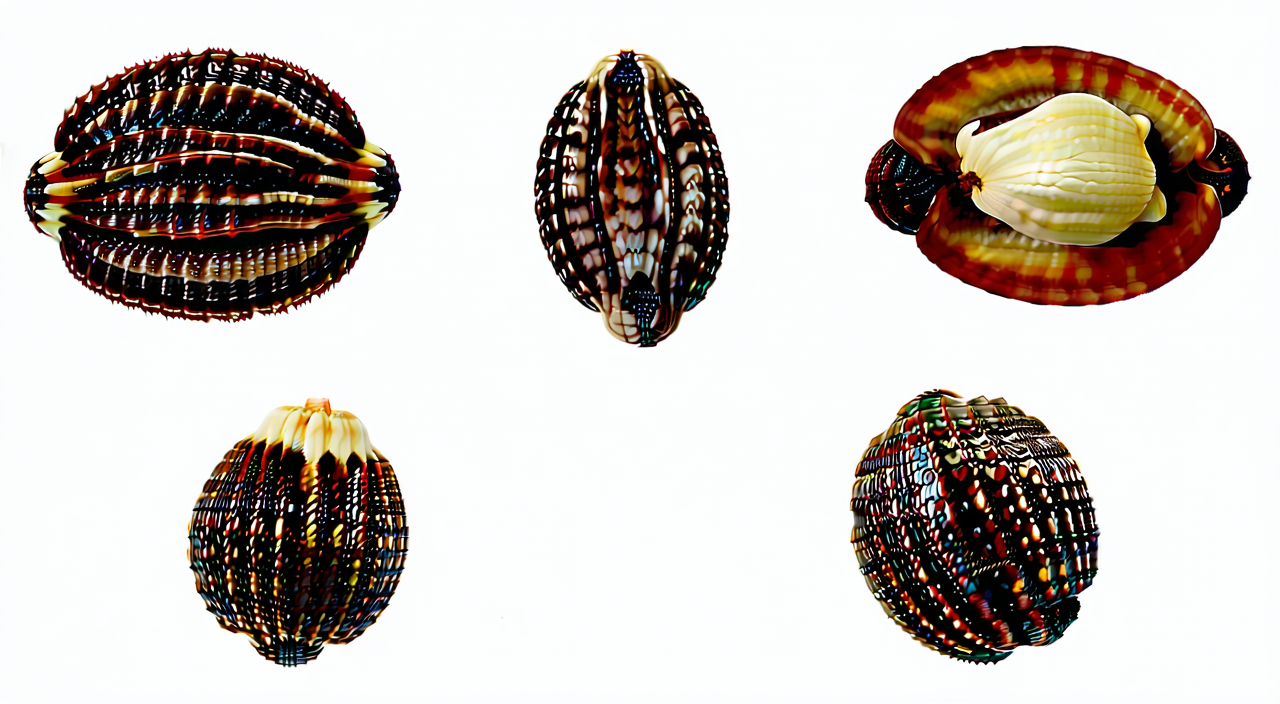
Nux vomica, mok-bie-zi, and castor beans may all appear in seed form, but they come from different plants and have different appearances and traditional uses. Nux vomica is generally flat and button-shaped, with dense, radially arranged silky hairs on the surface. Mok-bie-zi usually comes from the mature seeds of Momordica cochinchinensis; its shell is relatively thick, and its surface is often rough or unevenly textured, unlike the fine silky hairs of nux vomica. Castor beans come from the castor plant. Their seeds are usually smoother, with prominent spots or markings, and their outline is more oval or egg-shaped.
Visual comparison is suitable only for basic education and cannot replace botanical identification, morphological examination, or quality testing. The constituents and risks of different seeds are not the same. Mistaking one for another and then decocting, grinding, or soaking it in alcohol for self-use may lead to serious consequences. This is especially important overseas, where medicinal names, product labels, and translations may not be standardized. A medicinal material should never be identified solely from an online image or a seller’s description.
What Common Preparations Contain Nux Vomica?
In legally approved products that meet quality requirements, nux vomica may appear as a prescription ingredient or an important component. Common names include Jiufen San, Nux Vomica Powder, and Shufeng Dingtong Wan. The ingredients, processed raw materials, dosage forms, indications, and package insert requirements of different products are not necessarily the same. The presence of nux vomica in a product name does not mean that all such products should be used in the same way.
These formulas or Chinese patent medicines may be used to understand traditional directions of use, but they do not constitute personal medication recommendations. Before use, verify the legitimate packaging, approval information, complete package insert, and expiration date. Decisions should take into account individual constitution, symptoms, concurrent medications, and professional advice. This article does not provide dosages and does not recommend dividing finished products, increasing the amount, mixing them with other medicinal wines, or reprocessing preparations into powder.
What Precautions Should Be Taken When Using Nux Vomica?
First, do not take crude nux vomica or processed nux vomica from an unknown source by mouth, and do not soak it in alcohol, grind it into powder, decoct it, or process it at home. Second, do not substitute one dosage form for another, such as external-use products, powders, and pills, and do not adjust the amount based on someone else’s experience. Third, if you are taking medicines that affect the nervous system, muscles, or respiratory function, inform your doctor or pharmacist in advance.
If nux vomica is accidentally swallowed or exposure is suspected, seek local medical help as soon as possible even if there are no obvious symptoms at first. If muscle twitching, body rigidity, opisthotonus, difficulty swallowing, breathing difficulty, abnormal consciousness, or other concerning symptoms occur, seek emergency care immediately. Severe, persistent, or recurrent pain, swelling, and other symptoms should also be professionally evaluated rather than treated by independently seeking products containing nux vomica.
Summary
Nux vomica is the mature seed of Strychnos nux-vomica. Its common features include a flat, round, button-like shape, a gray-green or gray-brown surface, and radiating silky hairs. Although mok-bie-zi and castor beans are also seed-based medicinal materials, they come from different sources and have different appearances. Because nux vomica contains highly toxic compounds such as strychnine and has an extremely narrow safety window, it should only be understood or used in the context of standardized processing, compliant preparations, and professional judgment. Self-medication, soaking in alcohol, grinding into powder, and home processing are strictly discouraged. This article is for general educational reference only and cannot replace professional diagnosis or medication advice.