
What Is Mao Dong Qing? Medicinal Parts, Identification, and Common Preparations
What is Mao Dong Qing? This is a question often encountered by overseas Chinese-speaking users learning about traditional Chinese medicinal materials, cardiovascular-related preparations, or holly plants. Mao Dong Qing generally refers to a medicinal material derived from the dried root of the Mao Dong Qing plant, and it is not the same medicinal part as the holly leaves commonly mentioned in everyday use. In modern markets, Mao Dong Qing is also found in some regulated preparations related to the circulatory system. However, it cannot replace emergency treatment for chest pain, stroke, or other acute conditions, nor should it be used independently as a substitute for prescription medicines prescribed by a doctor. The following provides general information about its plant appearance, medicinal parts, traditional understanding, common preparations, and precautions.
What Does Mao Dong Qing Look Like? How Can It Be Identified?
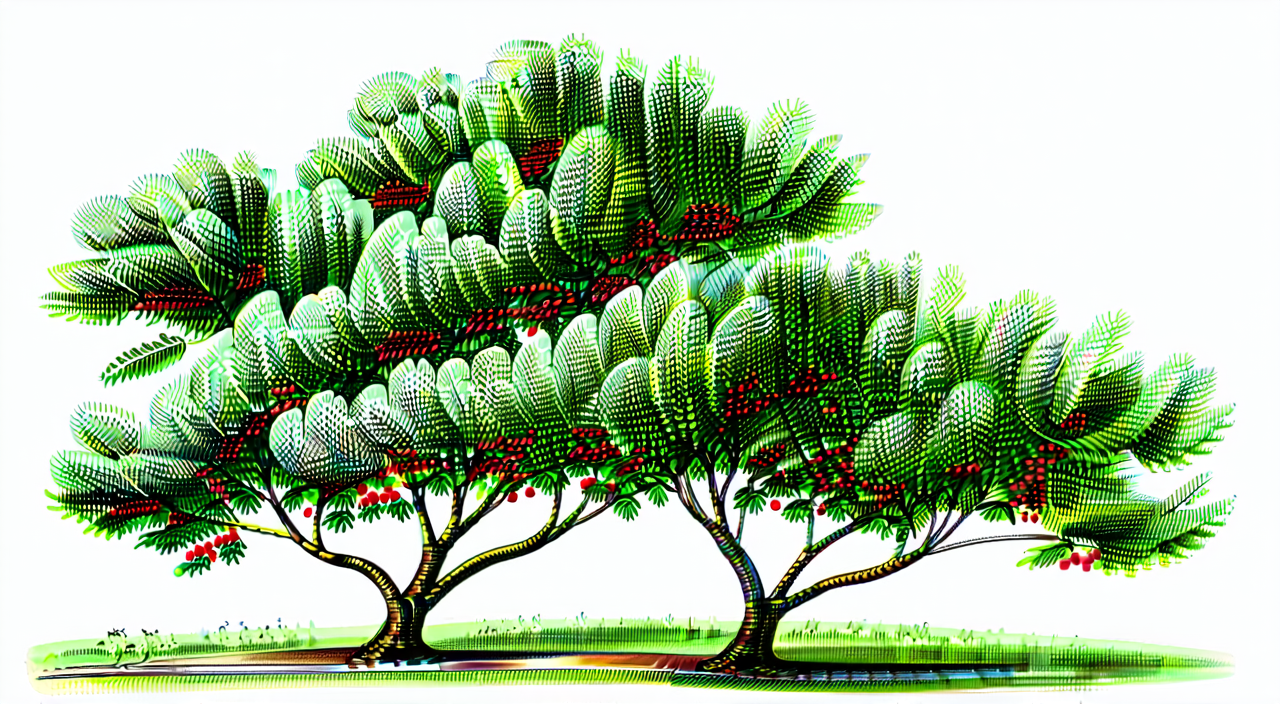
Mao Dong Qing belongs to the holly family and the Ilex genus. It usually grows as a shrub or small tree and is commonly found in warm, humid regions. Its appearance may vary depending on the place of origin, harvesting season, and processing method. Therefore, plant morphology can only be used for preliminary observation and cannot replace standardized identification.
Characteristics of the Leaves, Fruits, and Branches
The leaves of Mao Dong Qing are generally elliptical, ovate-elliptical, or narrowly lanceolate. They are relatively thick and have a somewhat leathery texture. The upper surface of the leaves is usually fairly smooth, while fine hairs may be seen on the underside. This is one of the morphological clues commonly associated with the word “hairy” in its name. However, the visibility of the hairs may vary depending on whether the leaves are young or mature and on their storage condition. The branches are generally slender, and the plant commonly has a shrub-like form.
When mature, the fruits are usually red or reddish-brown. They typically have a small, berry-like structure and a vivid color, although their size is limited. Red fruits alone cannot confirm that a plant is Mao Dong Qing, because other species in the same genus or related plants may produce similar fruits. Identification should be based on the leaves, branches, place of origin, and professional identification information together.
Root Appearance and Cross-Section
The outer surface of Mao Dong Qing roots used as a medicinal material is commonly gray-brown, grayish-brown, or brownish-brown. After washing and cutting into sections or slices, the cross-section may show a relatively pale yellowish-white woody center. The thickness, slice shape, color, and texture of commercial medicinal materials can be affected by the age of the root, processing, and drying conditions. Dried root slices with similar colors can easily be confused with roots from other plants, so it is not recommended to harvest them independently and use them directly.
What Is the Medicinal Part of Mao Dong Qing?
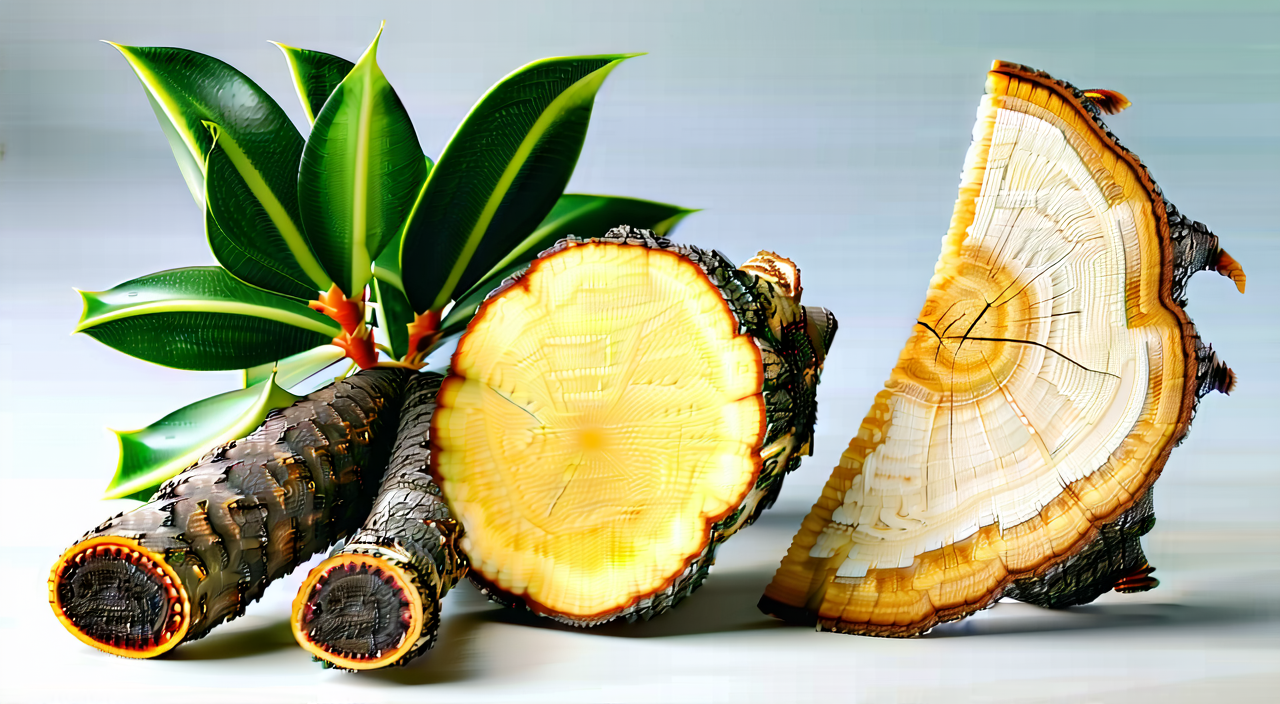
The main traditional medicinal part of Mao Dong Qing is the root. The roots are harvested and processed into sliced medicinal materials through washing, cutting into slices or sections, drying, and other steps. The Mao Dong Qing medicinal material sold on the market generally does not refer to the leaves or fruits. The outer bark and woody tissue together form the appearance of the medicinal material. After slicing, the outer root bark and the relatively pale woody center can be seen.
What Should Be Considered During Harvesting and Processing?
The harvesting time, root size, and place of origin of Mao Dong Qing roots can affect the appearance of the processed slices. Standard processing generally includes removing soil and sand, sorting the roots, cutting, and drying. The specific method should be based on medicinal material standards, production processes, and product instructions. Processed slices should not be considered suitable for self-medication without proper identification and dosage requirements. Materials of unknown origin, with mold, a noticeable abnormal odor, or incomplete labeling should be treated with caution.
When purchasing or using related products across borders, it is also important to distinguish between Mao Dong Qing medicinal materials, Chinese patent medicines containing Mao Dong Qing, and botanical specimens. Requirements for medicinal material names, specifications, production permits, and usage information may differ by region. In actual use, priority should be given to checking the formal packaging, ingredient list, and product instructions.
How Does Traditional Chinese Medicine Understand Mao Dong Qing?
Traditional Chinese medicine and regional medicinal practices commonly understand Mao Dong Qing from perspectives such as promoting blood circulation, unblocking the channels, and clearing heat and toxins. Some traditional applications are associated with concepts such as impaired blood circulation and localized heat or toxicity. These belong to traditional Chinese medicine theory and traditional usage contexts and cannot be directly equated with modern medical judgments about diseases, causes, or efficacy.
Different regions, practitioners, and product formulas may not assign exactly the same role to Mao Dong Qing. When Mao Dong Qing is combined with other ingredients in a formula, it must also be understood in relation to the other medicinal materials, dosage form, dosage, and intended users. People with chronic diseases, those currently taking medication, or those with persistent symptoms should not infer that it is suitable for them solely from terms such as “promoting blood circulation” or “unblocking the channels.”
How Does Modern Research Understand Mao Dong Qing?
In modern research, Mao Dong Qing and its related compounds are sometimes studied in connection with blood vessels, blood flow, inflammatory responses, or cardiovascular-related areas. Such research may include in vitro experiments, animal studies, compound analyses, or limited human data. These findings can help researchers understand potential areas of activity, but differences exist among research models, sample sizes, preparation forms, and evaluation indicators.
It is especially important to distinguish between research involving the circulatory system and confirmed efficacy for a specific disease. Laboratory findings do not mean that taking a particular product will necessarily produce the same effects, nor can they replace first aid, medical examinations, or standardized prescription treatment. People experiencing recurrent chest tightness, chest pain after activity, pronounced palpitations, abnormal breathing, or sudden weakness on one side of the body or unclear speech should seek medical help promptly rather than wait for a medicinal herb to take effect.
What Are the Differences Between Mao Dong Qing, Holly Leaves, and Jiu Bi Ying?
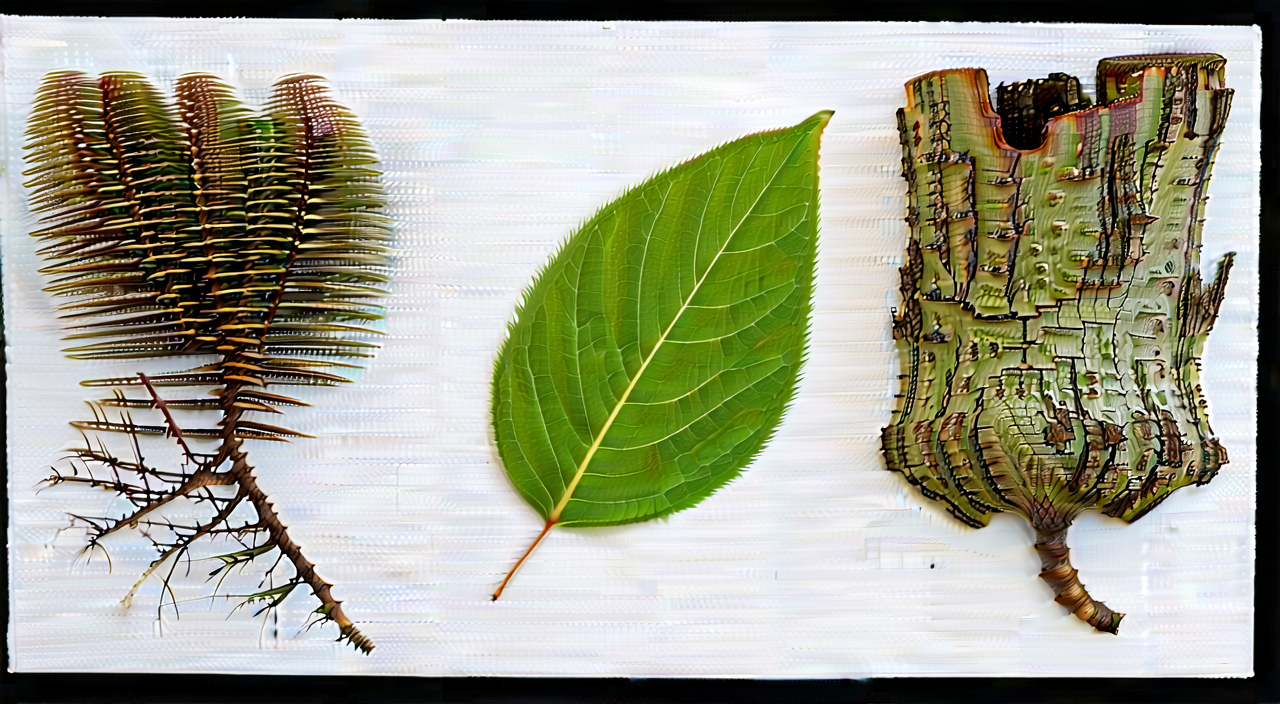
Holly plants have similar names, and their appearances and traditional uses may also be confused. They can generally be distinguished by their botanical origin, medicinal part, and product name, but specific commercial products should still be assessed according to legally recognized standards and packaging labels.
| Name | Common distinguishing features | Medicinal part or source information |
|---|---|---|
| Mao Dong Qing | Fine hairs are often present on the underside of the leaves; the root is the main medicinal part | Usually refers to the dried root of Mao Dong Qing |
| Holly leaves | The name emphasizes the leaves; the botanical source and standards may vary by region | Usually refers to the leaves of holly plants as the medicinal part |
| Jiu Bi Ying | Often associated with the name of another Ilex species, with different morphology and medicinal parts | The commonly used medicinal part is the bark or root bark; the specific standard must be confirmed |
The key difference between Mao Dong Qing and holly leaves is not simply whether the leaves have hairs. Their botanical origins and medicinal parts must also be considered. Jiu Bi Ying should not be regarded as a substitute for Mao Dong Qing merely because it belongs to the same genus or has a similar name. When purchasing loose medicinal materials, identification becomes less reliable if only a common name is provided without the Latin name, medicinal part, batch information, or testing details. When combining products or using them for an extended period, it is advisable to ask a pharmacist, doctor, or other qualified professional to verify them.
What Common Preparations of Mao Dong Qing Are Available?
Products available on the market may include Mao Dong Qing tablets, Mao Dong Qing capsules, and legally approved related combination preparations. The proportion of Mao Dong Qing extract, excipients, specifications, intended uses, and dosage may differ between products. The ingredients or method of use cannot be determined from the product name alone.
Mao Dong Qing Tablets
Mao Dong Qing tablets are a tablet formulation and generally use Mao Dong Qing medicinal material or extract as the main ingredient. The specific composition must be checked on the packaging and in the product instructions. These products are often included among traditional medicines or conditioning products related to the circulatory system. However, whether they are suitable for a particular person should still be assessed based on symptoms, underlying diseases, current medications, and professional advice.
Mao Dong Qing Capsules
Mao Dong Qing capsules use capsules as the delivery form and are convenient to take according to the stated specifications. Products approved by different manufacturers and in different regions may vary, so the instructions for one product should not be applied to another. Before use, confirm the ingredients, contraindications, precautions, storage requirements, and expiration date. Do not increase the dosage or extend the duration of use without guidance.
Legally Approved Combination Preparations
Combination preparations containing Mao Dong Qing may also include other Chinese medicinal materials. Their traditional uses and precautions may change according to the combination. If Western medicines or other herbs are being used at the same time, provide the doctor or pharmacist with a complete list of products so that potential additive effects can be assessed.
What Precautions Should Be Taken When Using Mao Dong Qing?
Products related to Mao Dong Qing are not suitable for every situation. Because traditional use often involves blood vessels or circulation, people with low blood pressure, a tendency to bleed, recent surgery, or bleeding disorders should consult a professional first. People taking anticoagulant or antiplatelet medicines such as warfarin, aspirin, or clopidogrel, as well as those taking blood pressure medication, should not combine them with Mao Dong Qing products without guidance. The specific medicines and health conditions must be considered.
People who are pregnant, planning to become pregnant, or breastfeeding; children and older adults; and those with impaired liver or kidney function should obtain individualized advice from a doctor or pharmacist before use. If dizziness, fatigue, abnormal bleeding, yellowing of the skin or eyes, persistent gastrointestinal discomfort, or other symptoms occur after taking it, stop self-directed use and consult a professional promptly.
If persistent or recurrent chest pain, marked chest tightness, difficulty breathing, fainting, a sudden severe headache, weakness on one side of the body, slurred speech, persistent vomiting, black stools, or unexplained weight loss occurs, seek medical evaluation or emergency care as a priority. Mao Dong Qing tablets, Mao Dong Qing capsules, and related combination preparations cannot replace emergency treatment or be used independently as substitutes for prescription medicines. This article is for general educational reference only. Actual use should be based on the product instructions, individual circumstances, and professional advice.
Summary
Mao Dong Qing generally refers to a traditional Chinese medicinal material in which the dried root is the medicinal part. It can be preliminarily identified through clues such as its shrub-like form, fine hairs on the undersides of the leaves, red fruits, and root cross-section, but standardized identification is still necessary. It differs from holly leaves and Jiu Bi Ying in botanical origin and medicinal part, and related tablets, capsules, and combination preparations should be used according to their instructions. In situations involving low blood pressure, bleeding risks, anticoagulant or blood pressure medicines, pregnancy, or acute chest pain, consult a professional first or seek medical attention promptly. This article is for general educational reference only.