
What Is Cat’s Claw Herb? An Introduction to Its Medicinal Parts, Identification, and Common Preparations
Among the names used for Chinese medicinal herbs, cat’s claw herb is one that easily arouses curiosity. It is not another name for cat’s claw vine, nor was it named after the shape of its leaves. Instead, its name comes from the fact that multiple small tuberous roots cluster underground and somewhat resemble a cat’s paw. For readers who want to understand what cat’s claw herb is, what it looks like, or how to identify related preparations, it is more important to first understand its source, medicinal part, and the differences between similar names. This article is intended for general educational purposes and cannot replace individualized advice from a doctor or pharmacist.
What Does Cat’s Claw Herb Look Like? How Is It Identified?
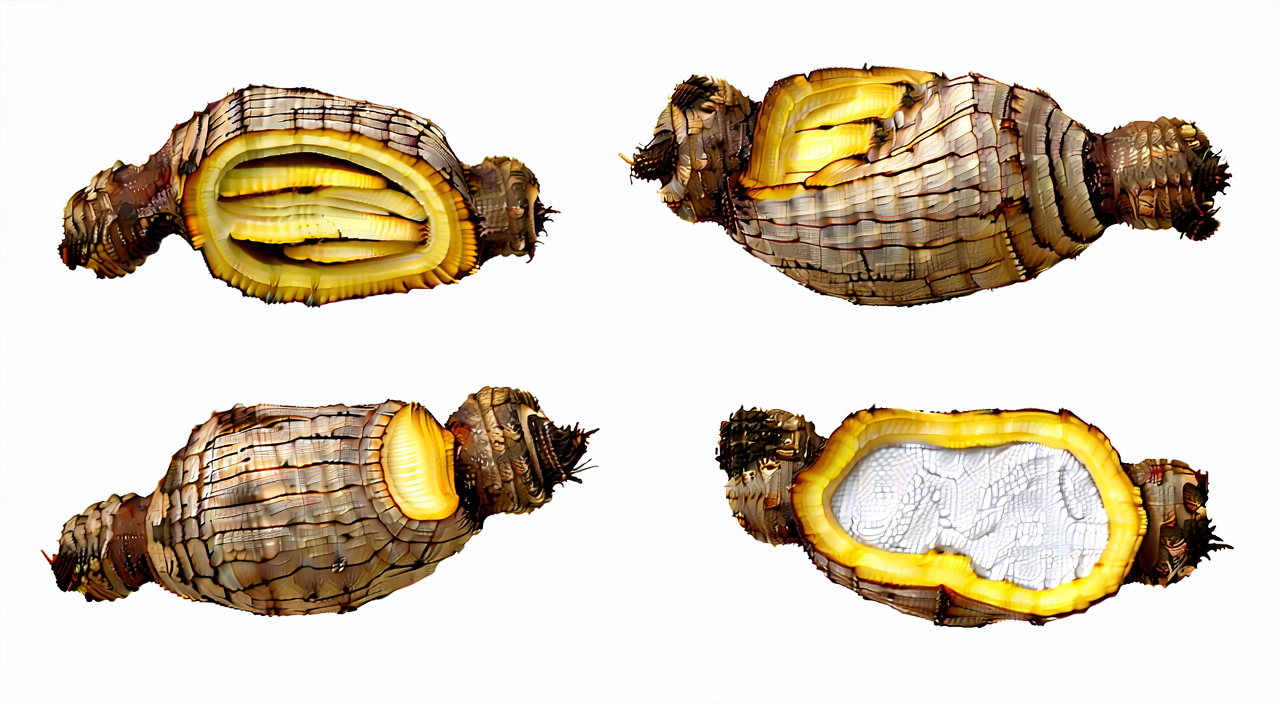
Cat’s claw herb comes from the dried tuberous roots of the small buttercup, a plant in the buttercup family. The medicinal material usually consists of multiple small tuberous roots clustered together, forming an irregular mass or a shape somewhat resembling a cat’s paw. Individual tuberous roots are generally spindle-shaped, with some slightly pointed at both ends and more swollen in the middle. Their size may vary according to the growing region, harvest time, and processing method.
In appearance, cat’s claw herb is usually yellowish brown, brownish yellow, or light brown. Fine ring-shaped markings may be visible on the surface, along with traces of fibrous roots and small depressions left after the roots have fallen away. The texture is generally firm, and the dried material does not break easily by hand. When cut or broken, the cross-section is usually whitish and somewhat powdery, with a relatively compact internal structure. It generally has a faint plant-like aroma, but smell alone is not a reliable basis for determining authenticity.
Identification should not rely solely on whether the material “looks like a cat’s paw.” The size, color, and degree of clustering may differ between batches, while moisture absorbed during storage can also alter the surface color and texture. In practice, identification should take into account the source, the characteristics of the processed herb, processing records, and the reliability of the supply channel. Relying only on online images or the name to make a personal identification can easily lead to confusion with other root-based medicinal materials.
What Is the Medicinal Part of Cat’s Claw Herb?

The medicinal part of cat’s claw herb is the tuberous root of the small buttercup, not its leaves, flowers, or vines. Traditional harvesting generally involves digging up the underground tuberous roots during the appropriate season, then sorting, washing, removing impurities, and drying them to produce material for use as a processed herb or in preparations. Different processing methods may affect the herb’s appearance, moisture content, and storage condition, so finished products may not all have exactly the same form.
Tuberous roots are underground plant organs that store nutrients. The concentrated growth of multiple small tuberous roots is an important source of both the herb’s name and its identifying characteristics. When purchasing or handling related processed herbs, pay attention to the product name, specifications, place of origin, and production information on the packaging. This helps prevent plants with similar names but different sources from being mixed up. For wild plants collected personally, it is not advisable to rely on appearance alone and decoct them for consumption, as misidentification may occur.
How Does Traditional Chinese Medicine Understand Cat’s Claw Herb?
Within the theory of traditional Chinese medicine, cat’s claw herb is often understood from the perspectives of transforming phlegm, dispersing nodules, detoxifying, and reducing swelling. It commonly appears in traditional approaches involving phlegm accumulation, masses, or localized swelling. Here, “phlegm” and “masses” are concepts used in traditional Chinese medicine pattern identification and do not correspond directly to a specific disease or test result in modern medicine. Whether it is appropriate for an individual generally requires consideration of constitution, symptoms, tongue and pulse findings, and other medicines being used.
The traditional uses of a Chinese medicinal herb cannot simply be equated with effects recognized by modern medicine. Even when traditional sources record a particular use, this does not mean that everyone with similar discomfort is suitable for taking the herb. In particular, if you feel a lump, notice changes in the lymph nodes, or experience persistent localized swelling with no clear cause, necessary medical examinations should be prioritized rather than relying solely on herbs or proprietary Chinese medicines for self-treatment.
How Does Modern Research View Cat’s Claw Herb?
Modern research on cat’s claw herb may involve its chemical constituents, in vitro experiments, animal studies, and observational data related to lymph nodes. Such studies can help researchers understand its potential areas of activity and safety concerns. However, experimental conditions, doses, and study subjects are not exactly the same as those involved in everyday use. Therefore, experimental findings should not be treated directly as definitive evidence of effects in humans.
Some sources discuss observations involving cat’s claw herb and lymph node-related manifestations, but it is important to distinguish case observations, clinical studies, and high-quality controlled trials. Sample size, differences between preparations, combined medications, and follow-up periods can all affect the conclusions. Based on limited research, cat’s claw herb should not currently be described as an anticancer treatment, nor should it replace imaging examinations, pathological assessment, or a diagnostic and treatment plan developed by a doctor. Readers interested in modern research should pay attention to the study type and strength of evidence rather than relying only on promotional claims presented as conclusions.
What Is the Difference Between Cat’s Claw Herb, Cat’s Claw Vine, and Shanci Gu?
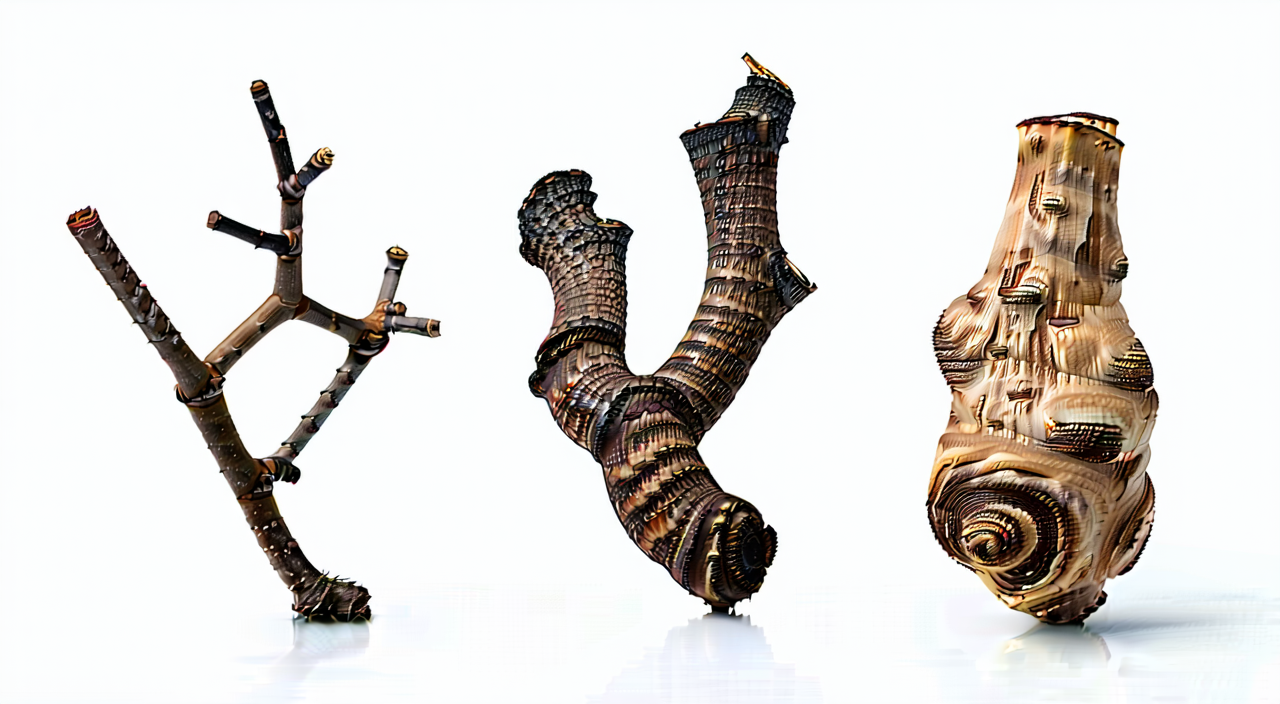
Cat’s claw herb, cat’s claw vine, and Shanci Gu have similar-sounding names, but their sources and medicinal parts are different. Cat’s claw herb comes from the small buttercup and primarily uses the dried tuberous roots, which are characterized by multiple spindle-shaped small tuberous roots clustered into a mass. Cat’s claw vine generally refers to a name associated with climbing plants, with the stem or vine being the key morphological feature. The two should not be confused simply because both names contain the words “cat’s claw.”
Shanci Gu is another name used for a Chinese medicinal herb. Its traditional sources may include the pseudobulbs or bulbs of different plants, so the specific species and regional names should be confirmed according to the pharmacopoeia, local standards, or product labeling. It differs from cat’s claw herb in plant source, the form of its underground organs, and its traditional range of use. Identification should not be based solely on the name, and traditional descriptions such as “dispersing nodules” should not be used as a reason to substitute one herb for another. Properly sourced processed herbs should have clear product names and source information. If there is any uncertainty, consult a Chinese medicine practitioner or pharmacist for assistance.
What Common Preparations Contain Cat’s Claw Herb?
Common products associated with cat’s claw herb include cat’s claw herb capsules, cat’s claw herb granules, and legally approved compound preparations intended for dispersing nodules. Different preparations may use different combinations of herbs, extraction processes, specifications, and directions for use and dosage. Their ingredients or suitability for particular people therefore cannot be inferred from the product name alone. Even products that all belong to the category of cat’s claw herb preparations may have different package insert information.
These formulas or proprietary Chinese medicines are often used within traditional approaches for related conditions, but they should not be treated as a fixed treatment for a particular lump or lymph node problem without professional guidance. Before use, check the approval information, ingredients, directions and dosage, contraindications, and precautions. Consider these details together with your constitution, symptoms, and current medications. If you are also taking prescription medicines, immune-related drugs, or other herbal products, consult a doctor or pharmacist first to reduce the risk of duplicate ingredients and drug interactions.
What Precautions Are Needed When Using Cat’s Claw Herb?
People who are pregnant, planning to become pregnant, or breastfeeding, as well as children, older adults, and those with liver or kidney disease or a history of allergies, should consult a qualified professional before using cat’s claw herb or related preparations. People who are sensitive to plant-based ingredients should stop self-use and seek advice promptly if they develop a rash, itching, gastrointestinal discomfort, or other unusual symptoms after taking it. Do not assume that a product is suitable for long-term use, high-dose use, or combination use with multiple medicines simply because it is naturally derived.
If a lump or lymph node remains enlarged, gradually increases in size, or repeatedly reappears, or if it is accompanied by fever, marked fatigue, pain, weight loss, or other symptoms, seek medical evaluation as soon as possible. Significant anxiety, palpitations, chest tightness, abnormal breathing, persistent vomiting, or similar symptoms should also not be managed by decocting cat’s claw herb on your own for observation. Without pattern identification and professional guidance, long-term self-decoction is not recommended. Cat’s claw herb should never be used to replace necessary examinations or appropriate medical treatment. This article is provided for general educational reference only; actual use should follow the product labeling and professional advice.
Summary
Cat’s claw herb is made from the dried tuberous roots of the small buttercup. Its multiple spindle-shaped small tuberous roots cluster together, with a yellowish-brown surface and ring-shaped markings, while the cross-section is often whitish and powdery. These are among its more characteristic identifying features. It differs from cat’s claw vine and Shanci Gu in both source and medicinal part, and related capsules, granules, and compound preparations should not be treated as interchangeable. Traditional uses do not equal conclusions established by modern medicine. If you have a persistent lump or abnormal lymph nodes, seek medical examination first and make decisions in consultation with a qualified professional. This article is for general educational reference only and cannot replace diagnostic or treatment advice.