
What Is Plum Blossom? Medicinal Parts, Identification, and Common Formulas
Plum blossoms are not only common ornamental flowers in winter and early spring; they also have a specific medicinal meaning in the context of traditional Chinese herbal medicine. Medicinal plum blossom usually refers to the flower buds or newly opened flowers of the plum tree, with green-calyx plum blossom being a common commercial name. Because ornamental plum blossoms, wintersweet flowers, and medicinal plum blossoms do not always come from the same plants or share identical appearances, it is important to first distinguish their species, medicinal parts, and sources when learning about their uses. The following introduction explains what plum blossom is, how to identify it, and its common traditional uses from the perspective of traditional Chinese medicine education.
What Does Plum Blossom Look Like? How Is It Identified?
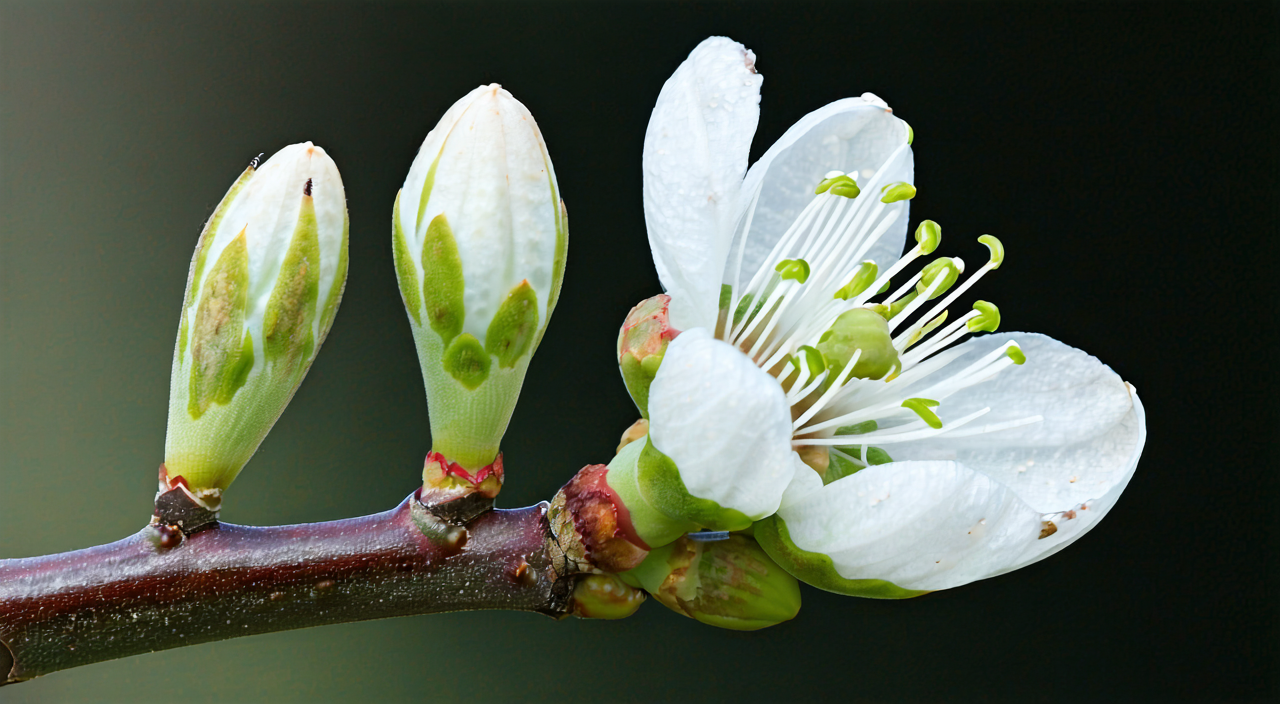
Examining the Shape of the Flower Buds and Flowers
Medicinal plum blossom is generally harvested at the bud stage or shortly after opening. Once dried, the flower buds are usually small and nearly spherical, although some may be slightly flattened and spherical. Their sizes are not completely uniform. The petals are usually white, but they may also have pale yellow or light pink tones. The petals are relatively thin and tend to shrink during drying. When the flowers have fully opened, their petal shape is more apparent, but their suitability as a medicinal material still needs to be assessed together with harvesting standards and commercial source.
The calyx is an important feature when identifying plum blossom. It is usually green, but may also appear greenish-brown or reddish-brown, and is located at the base of the petals. Green-calyx plum blossom gets its name from the greenish color of its calyx. In dried medicinal materials, the petals, calyxes, and small flower stalks may be present at the same time. Their color can vary depending on the harvesting period, drying method, and storage conditions.
Smell and Overall Condition
Good-quality plum blossom typically has a light, natural plum fragrance. It should not have an overly pungent smell or an obvious musty or smoky odor. When examining the material, also check whether it is dry and clean and whether it contains excessive stems, leaves, or fragments of other plants. Products that are unusually bright in color, have an abnormal odor, or have absorbed moisture and become clumped should not be judged for quality based on appearance alone.
It is important to note that photographs, flower color, or fragrance alone cannot complete the identification of a medicinal material. For products intended for medicinal use or long-term consumption, choose materials with a clear source, complete labeling, and appropriate quality controls. When necessary, consult a traditional Chinese medicine practitioner, pharmacist, or another qualified professional.
What Are the Medicinal Parts of Plum Blossom?
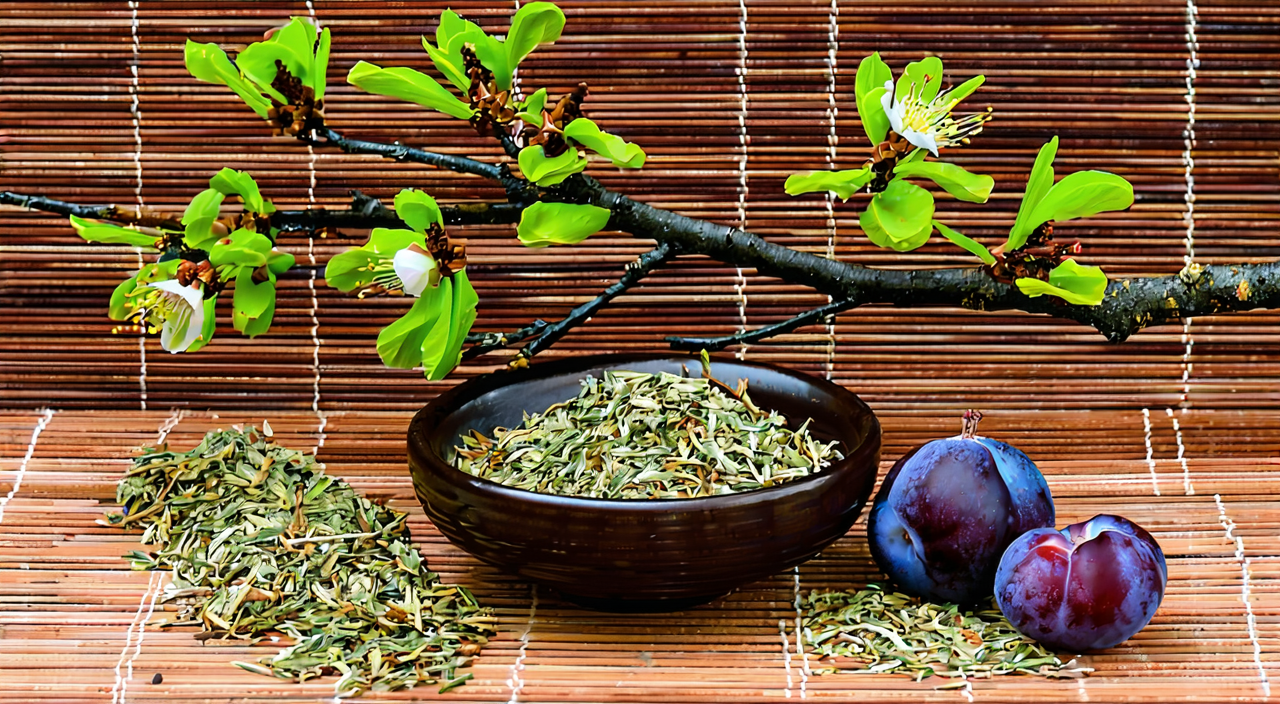
The primary medicinal parts of plum blossom are the flower buds or newly opened flowers of the plum tree, not the bark, fruit, or ornamental branches. Traditional harvesting generally takes place when the buds have not fully opened or have just begun to open. The flowers are then sorted and dried for use as sliced herbal materials or ingredients in related herbal products.
Differences Between Flower Buds and Newly Opened Flowers
At the bud stage, the material is relatively compact and the petals have not fully unfolded. Newly opened flowers show some of their petals and have a more relaxed appearance. Both forms may be found in commercial plum blossom products, and their proportions can be affected by the growing region, harvest time, and processing method. The same herbal name does not mean that every batch will have exactly the same color, size, or fragrance.
Plum blossoms should not be collected directly from gardens, roadside landscaping, or flower shops and then used as medicinal materials. Ornamental plants may have been treated with pesticides, preservatives, or other horticultural products, and they may also have been exposed to environmental pollution. There is no way to confirm that they meet medicinal standards. When purchasing or using the product, check its name, botanical source, batch information, and storage instructions.
How Does Traditional Chinese Medicine Understand Plum Blossom?
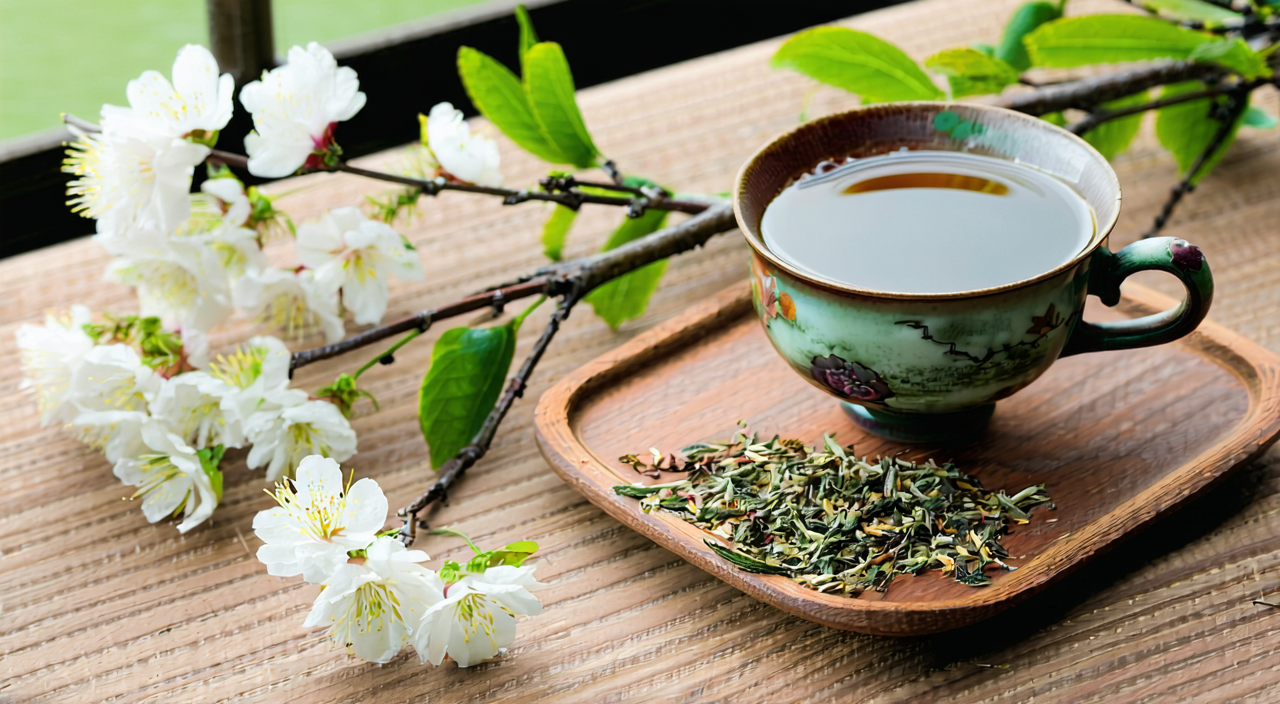
Traditional Chinese medicine commonly understands plum blossom from the perspectives of soothing the liver, harmonizing the middle, transforming phlegm, and dispersing clumps. “Soothing the liver” is a traditional Chinese medicine approach to regulation and does not correspond to the diagnosis or treatment of liver disease in modern medicine. “Harmonizing the middle” generally describes the traditional understanding of manifestations such as disharmony of the spleen and stomach or discomfort in the upper abdomen. “Transforming phlegm and dispersing clumps” is also a traditional Chinese medicine term that must be considered together with the overall pattern of symptoms and signs; it should not be interpreted simply as targeting a particular modern disease.
Common Traditional Use Concepts
In traditional herbal texts and formula applications, plum blossom is sometimes included in combination approaches addressing emotional constraint, discomfort in the chest and hypochondriac region, abdominal or gastric fullness, and poor appetite. Because these manifestations may result from many different factors, actual use generally requires a comprehensive assessment of the tongue, pulse, diet, sleep, emotions, and other physical symptoms. A single symptom should not be used as the sole basis for choosing an herb.
The nature, flavor, meridian associations, and combination methods of plum blossom belong to traditional Chinese medicine theory and should not replace modern medical examinations. If discomfort persists or repeatedly returns, or if it is accompanied by significant anxiety, depression, palpitations, chest tightness, persistent pain, weight loss, or other concerning symptoms, consult a doctor or qualified professional promptly.
What Does Modern Research Say?
Modern research on plum blossom and related plant materials may examine volatile compounds, flavonoids, and other phytochemicals. Some laboratory studies investigate antioxidant or anti-inflammatory activity, or effects on indicators related to gastrointestinal function. However, differences remain between laboratory findings, animal studies, and actual human use, so definite health benefits cannot be inferred from these findings alone.
Different plum species, harvesting stages, growing regions, and processing methods may affect compound levels and research results. For ordinary consumers, modern research is best viewed as supplementary information for understanding the herb, rather than a basis for replacing medical care or adjusting a prescription independently. When using herbal beverages, compound formulas, or herbs together with other medicines, decisions should still be based on individual circumstances and professional advice.
How Does Green-Calyx Plum Blossom Differ from Rose and Wintersweet Flower?
Green-calyx plum blossom, rose, and wintersweet flower may all appear as dried flower buds or flowers, but they have different botanical sources and visual characteristics and should not be confused.
| Name | Botanical source | Common appearance | Key identification features |
|---|---|---|---|
| Green-calyx plum blossom | Flower buds or newly opened flowers of the plum tree | Petals are usually white, with a greenish calyx | Look for the green calyx and plum fragrance |
| Rose | Flower buds or flowers of roses or related plants in the genus Rosa | Usually pink, purplish-red, or red, with numerous layers of petals | Petal color and the characteristic flower shape of the genus Rosa |
| Wintersweet flower | Flowers of plants in the genus Chimonanthus of the family Calycanthaceae | Usually yellow to waxy yellow, with relatively thick petals | Flower color, waxy texture, and fragrance differ from plum blossom |
“Green-calyx plum blossom” is a common commercial name for a medicinal material, but this does not mean that every white plum blossom can automatically be regarded as the same standardized herbal product. Rose has different traditional combination uses, while wintersweet flower has its own botanical source and commercial characteristics. If the package only says “flowers” or does not provide botanical source information, confirm the details with the supplier or a qualified professional first.
Which Traditional Formulas Use Plum Blossom?
There are various traditional formulas and tea preparations that contain plum blossom. Their names, ingredient ratios, and intended applications may vary according to medical texts, regions, and product specifications. The following information is provided only as an introduction to traditional use concepts and does not constitute an individual prescription or medication recommendation.
Green-Calyx Plum Blossom Tea
Green-calyx plum blossom tea generally uses green-calyx plum blossom as its primary herbal ingredient. In folk or herbal tea preparations, it may sometimes be combined with other flowers or herbs traditionally associated with regulating qi and harmonizing the middle. The exact composition of these beverages is not standardized, so suitability should be assessed based on individual constitution, gastrointestinal condition, allergy history, and product instructions.
Plum Blossom Powder
Plum Blossom Powder is one traditional formula name, but descriptions of its ingredients and applications may differ among sources. When encountering formulas with the same name, do not determine their contents based on the name alone, and do not use an online recipe independently for an extended period. For compound herbal products, verify the complete formula, dosage, directions, and intended users, and consult a traditional Chinese medicine practitioner or pharmacist when necessary.
Formulas for Soothing the Liver and Harmonizing the Stomach
In traditional combination approaches, plum blossom is sometimes used with herbs associated with soothing the liver, regulating qi, harmonizing the stomach, and transforming phlegm. This is used to describe a traditional regulatory approach when emotional and gastric discomfort appear to influence each other. However, “formulas for soothing the liver and harmonizing the stomach” is not the name of one fixed prescription. The specific formula must be selected according to the traditional pattern and the individual’s circumstances. Pregnant or breastfeeding individuals, children, older adults, and people taking prescription medicines should obtain professional advice before use.
What Precautions Should Be Taken When Using Plum Blossom?
First, be aware of possible allergies to pollen or plant constituents. People who are sensitive to pollen, floral herbs, or aromatic ingredients should stop using the product and seek medical help immediately if they develop a rash, swelling of the lips, throat discomfort, wheezing, or similar symptoms after contact or consumption. If breathing problems occur or symptoms progress rapidly, seek medical attention promptly.
Second, plum blossom and compound products containing plum blossom should not be used independently during pregnancy or breastfeeding. Children, people with chronic illnesses, and those receiving medical treatment should also consult a doctor, pharmacist, or qualified traditional Chinese medicine professional first. Particular attention is needed because compound products may contain other herbal ingredients.
Third, consider the source of the medicinal material and the risk of pesticide residues. Choose products with clear labeling, traceable sources, and intact packaging whenever possible, and store them according to the instructions. Materials that have absorbed moisture, become moldy, developed an obvious abnormal odor, or changed color should not be used. Plum blossoms from ornamental gardens, flowers collected beside roads, and decorative flowers sold by florists should never be directly used as medicinal plum blossom.
Finally, if stomach discomfort, chest tightness, pain, persistent vomiting, black stools, significant weight loss, or other abnormal symptoms continue, do not rely solely on flower tea or herbal products for self-treatment. Consult a doctor as soon as possible. This article is intended only as educational reference information about Chinese medicinal materials and cannot replace professional diagnosis or treatment advice.
Summary
Understanding what plum blossom is begins with distinguishing ornamental flowers from medicinal plum blossom. Traditional medicinal plum blossom generally refers to the flower buds or newly opened flowers of the plum tree, and green-calyx plum blossom is a common commercial name. When identifying it, look for the nearly spherical buds, petal color, green calyx, and light fragrance. Beverages or formulas containing plum blossom reflect traditional use concepts, and their suitability should be assessed based on the source, individual constitution, symptoms, product instructions, and professional advice. Pregnant individuals, people with allergies, and those with significant or persistent symptoms should take extra care.