
What Is Mu Bie Zi? Medicinal Parts, Identification, and Common Preparations
What is Mu Bie Zi? This is a common question among overseas Chinese readers interested in the appearance and traditional use of Chinese medicinal materials. Mu Bie Zi comes from the mature seeds of the cucurbit plant Momordica cochinchinensis. Although it has been documented in traditional Chinese medicine, it is not an ordinary food suitable for self-experimentation, but a toxic medicinal substance.
Traditional use generally emphasizes source identification, proper processing, dosage limits, and suitability for the individual. It is more commonly found in professional prescriptions or legally approved preparations. The sections below introduce its appearance, medicinal parts, traditional understanding, modern research, and important safety considerations.
What Does Mu Bie Zi Look Like? How Can It Be Identified?
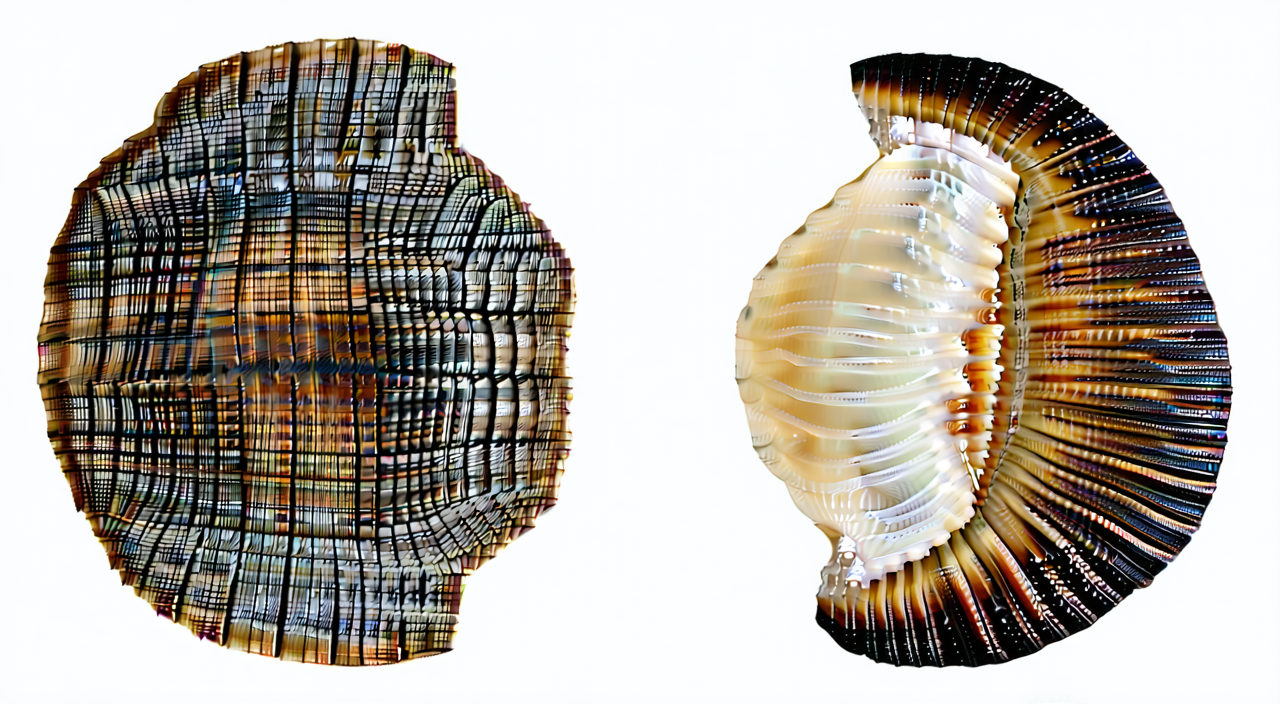
The main identification features of Mu Bie Zi include the shape of the seed, its surface texture, edge structure, and internal appearance. Mature seeds are usually flattened and round, flattened and oval, or somewhat irregular in shape, resembling small, compressed discs. Differences in place of origin, maturity, and processing may affect their size and color, so identification should not rely on a single feature.
The outer color is commonly gray-black, gray-brown, or brownish-gray. The surface often has prominent net-like raised patterns or intersecting longitudinal and transverse ridges. The edges are not completely smooth, and some samples have small tooth-like projections. This is a useful feature for making an initial distinction from seeds with a similar appearance. The kernel is usually oily, and the lighter-colored, relatively firm interior may be visible on a cross-section or after the shell is removed.
In practical identification, also check whether the material is intact and whether it shows mold, insect damage, or unusual odors. Packaging labels, source information, and professional identification should also be considered. Comparing internet images or relying on visual inspection alone cannot replace medicinal-material quality testing. Unidentified seeds should not be ground up or tested for use at home.
What Is the Medicinal Part of Mu Bie Zi?
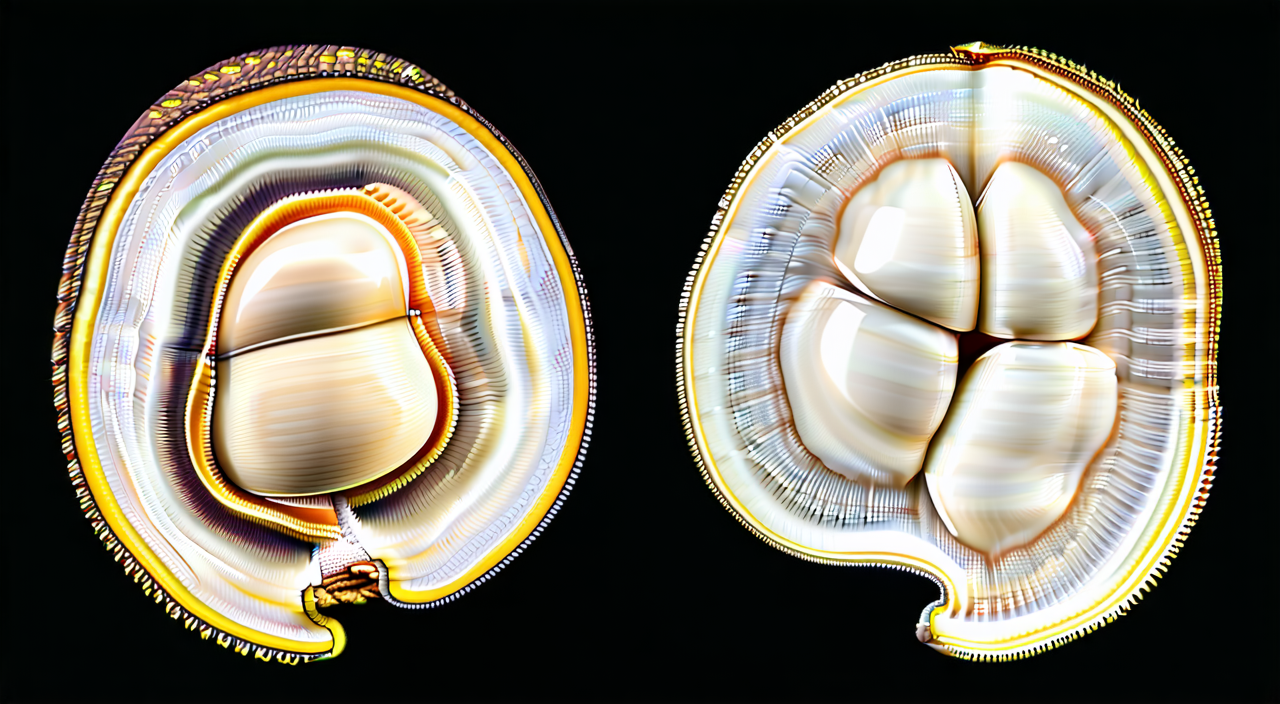
In traditional medicine, Mu Bie Zi primarily refers to the mature seeds of Momordica cochinchinensis. After the mature fruit is harvested, the seeds are cleaned, dried, and otherwise processed to produce the commonly used medicinal form. Some traditional processing methods also involve removing the shell and using the kernel, but the specific procedures should be carried out by qualified professionals according to established standards.
It is particularly important to understand that Mu Bie Zi is toxic. The risks associated with the shell, kernel, and different processing states cannot be judged based on experience alone. At home, people should not remove the shell, fry, decoct, grind, or formulate it themselves. Nor should they assume that the risk has disappeared simply because the shell has been removed or the material has been processed. Medicinal materials used by pharmacies, medical institutions, or regulated preparations should have appropriate information on their source, processing, and quality control.
If you come into contact with loose seeds, avoid putting them in your mouth, minimize exposure to dust, and store them where children and pets cannot reach them. If you have questions about the medicinal part, processing specifications, or product labeling, consult a Chinese medicine professional, pharmacist, or local healthcare provider.
How Does Traditional Chinese Medicine Understand Mu Bie Zi?
In traditional Chinese medicine theory, Mu Bie Zi is often understood in terms such as “dispersing nodules and reducing swelling” and “removing toxins and treating sores.” These descriptions commonly appear in traditional contexts involving external medicine and sores. Such terminology belongs to the classification systems of traditional materia medica and formulas. It should not be equated directly with modern medical diagnoses or taken to indicate a proven effect for any particular disease.
Historically, Mu Bie Zi has sometimes been included in traditional formulas or external-use approaches for reducing swelling in surgical conditions. Because of its toxicity and potential irritation, traditional use often emphasizes processing, combinations with other ingredients, dosage, application site, and observation of reactions. Whether it is appropriate for a particular person still depends on their specific symptoms, skin condition, constitution, age, current medications, and professional advice.
In particular, it should not be applied casually to the face, mucous membranes, around the eyes, or large areas of skin based on folk practices. If the skin is already damaged, oozing, or visibly inflamed, consult a professional before using any product containing Mu Bie Zi, and carefully read the instructions for legally approved products.
What Ingredients and Safety Boundaries Are Studied in Modern Research?
Modern research on Mu Bie Zi has examined triterpenoid saponins, fatty oils, and other phytochemical constituents. Experimental studies may focus on component analysis, pharmacological activity, and toxicological characteristics. However, laboratory findings, animal studies, or in vitro observations cannot be directly interpreted as evidence that it is suitable for self-administered internal or external use.
The key issue with Mu Bie Zi is that potential activity and toxicity must be considered together. Different parts, places of origin, levels of maturity, processing conditions, and preparation methods may all affect constituent levels and usage risks. Describing a particular component as “natural and therefore safe” does not accord with the basic principles of risk management for Chinese medicinal materials.
For this reason, modern health education is better served by understanding Mu Bie Zi as a toxic medicinal material requiring strict identification and regulated management, rather than as a plant seed for self-directed wellness use. For internal use, external application, or use alongside other medicines, decisions should be based on professional assessment and information from regulated products.
How Does Mu Bie Zi Differ from Nux Vomica and Castor Seeds?
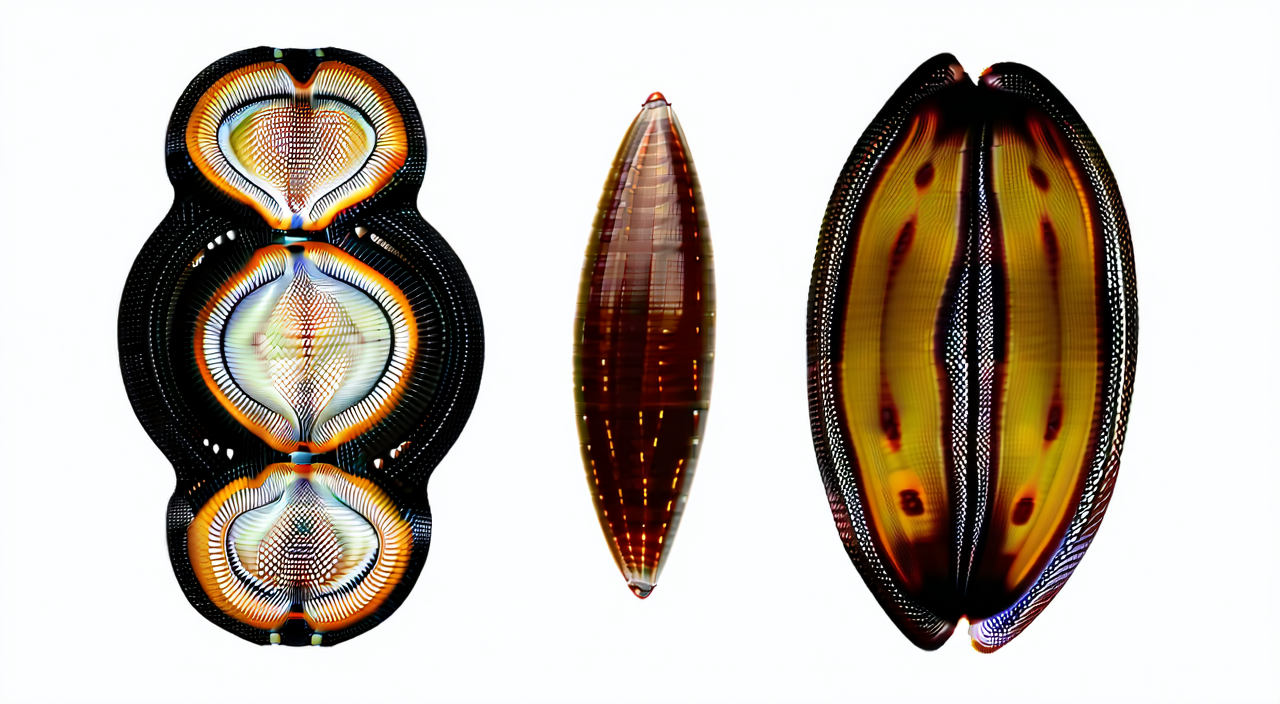
Mu Bie Zi, nux vomica, and castor seeds may all appear in seed form, but they come from different plants and have different surface features and traditional medicinal properties. They must not be substituted for one another.
| Comparison | Common appearance clues | Identification tips |
|---|---|---|
| Mu Bie Zi | Usually a flattened, round, or irregular disc shape; gray-black or gray-brown; a net-like raised surface; edges may have tooth-like features | Look for the prominent net pattern, edge structure, and oily kernel |
| Nux vomica | Usually disc-shaped, gray-yellow or gray-brown, with fine silky hairs on the surface; its texture differs from the net-like raised surface of Mu Bie Zi | Focus on the silky hairs rather than a grid-like pattern |
| Castor seed | Usually more oval or egg-shaped, with a glossy surface, common mottled markings, and a distinct seed ridge or caruncle structure | The mottled markings and oval outline are relatively distinctive |
These features are intended only as general educational references for initial identification. Once seeds have been sliced, crushed, soaked, or mixed with other materials, their visible clues are greatly reduced, making reliable identification difficult for nonprofessionals. Mistaking Mu Bie Zi, nux vomica, or castor seeds for ordinary nuts, seeds, or other medicinal materials may create serious risks, so they should never be tasted or ingested.
What Common Preparations Contain Mu Bie Zi?
Traditional literature and Chinese medicine sources include names such as Mu Bie Zi San, and some traditional formulas for reducing swelling in external conditions also combine Mu Bie Zi with other ingredients. The composition, processing requirements, directions, and intended uses of different formulas vary. Similar names do not mean that preparations can be substituted for one another. This information is best used to understand traditional preparation categories and should not be used to formulate products or adjust dosages independently.
Modern markets may also contain legally approved topical preparations with Mu Bie Zi ingredients. When choosing a product, check its approval information, complete ingredient list, intended uses, directions, contraindications, and storage requirements. Do not convert a topical preparation for internal use, and do not confuse powders, raw medicinal materials, and finished preparations.
If you are also using other topical medicines or prescription drugs, or if you have a chronic skin condition, consult a doctor or pharmacist first. Pregnant or breastfeeding individuals, children, older adults, and people who are particularly sensitive to medicinal ingredients should be especially cautious and should not handle or use products containing Mu Bie Zi without professional advice.
What Precautions Apply When Using Mu Bie Zi?
Mu Bie Zi is a toxic medicinal material. Ordinary users should not take it internally, grind it, decoct it, or prepare external-use mixtures themselves. Whether whole or powdered, it should be kept away from accidental ingestion and inhalation. During handling, avoid contact with the eyes, mouth, nose, and damaged skin. Without professional guidance, do not make Mu Bie Zi San or other topical mixtures based on formulas found online.
When using a legally approved topical preparation, follow the product instructions and professional advice carefully. Do not increase the frequency, apply it to a larger area, or extend the duration of use without guidance. If marked burning, redness, swelling, itching, blistering, dizziness, nausea, vomiting, palpitations, breathing abnormalities, or other symptoms occur, stop contact immediately and seek medical advice as soon as possible.
In the event of accidental ingestion or inhalation, or if symptoms are severe or progress rapidly, contact local emergency services or a poison control center promptly and provide the product packaging or sample information. Accidental exposure or ingestion during pregnancy, breastfeeding, or childhood requires especially prompt professional assistance. This article is for general educational reference regarding Chinese medicinal materials and does not replace professional diagnosis or treatment advice.
Summary
Mu Bie Zi is the mature seed of Momordica cochinchinensis. Common features include a flattened or irregular disc shape, a gray-black or gray-brown appearance, net-like raised patterns, and toothed edges. It is not the same medicinal material as nux vomica, which has a silky-hairy surface, or castor seed, which has mottled markings. Because Mu Bie Zi is toxic, traditional use emphasizes proper processing and professional guidance. It should not be taken internally, ground, or applied to damaged skin without appropriate supervision. Preparations containing it should also be assessed according to their instructions and the individual’s circumstances. This article is for educational reference only and does not replace professional advice.