
What Is Kapok Flower? Medicinal Parts, Identification, and Common Formulas
Kapok flower is a Lingnan plant material that many people become familiar with in spring. Its flowers are large and vividly colored, and they are often seen beneath the tree after falling. This leads many people to ask: What is kapok flower, can fallen flowers picked by the roadside be used directly, and which part of the kapok tree is used as medicine?
From the perspective of Chinese herbal medicine, kapok flower usually refers to the dried flowers of the kapok plant. Fresh flowers that naturally fall from ornamental trees, medicinal flowers that have been properly collected and dried, and the fibers surrounding the seeds of the kapok tree are materials with different uses. The following sections distinguish them by appearance, medicinal parts, and traditional applications.
1. What Does Kapok Flower Look Like? How Can It Be Identified?
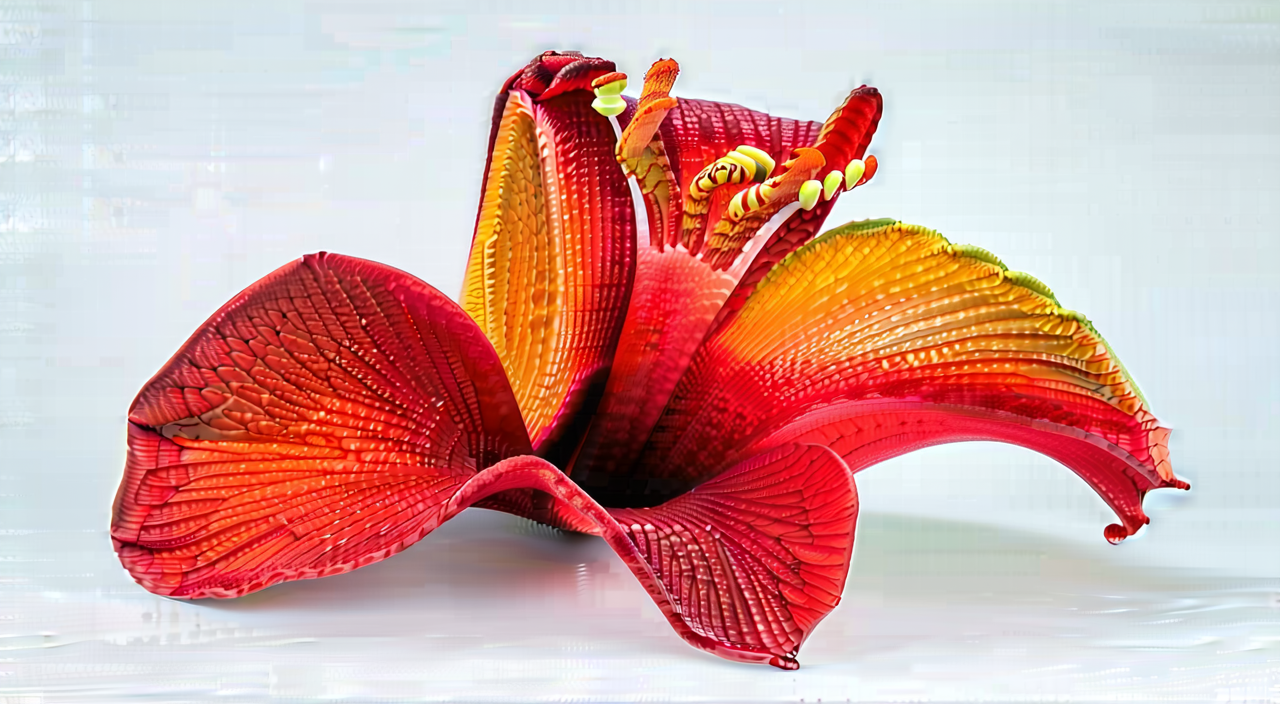
Kapok trees generally bloom in spring, with flowers usually appearing before or at the same time as the leaves. The fresh flowers are relatively large and are commonly red or orange-red, although cultivated varieties with lighter colors also exist. Their most distinctive feature is that they usually have five petals. The petals are broad, thick, and somewhat fleshy, giving the flower a full appearance when open.
Kapok petals are not fine and fragmented like chrysanthemum petals, nor are they as thin and delicate as those of small wildflowers. The center of the flower has a prominent stamen structure, while a bell-shaped or cup-shaped calyx can be seen at the base. The calyx is relatively thick and is usually dark brown, grayish brown, or tinged with green. After naturally falling, the fresh petals may retain a relatively complete shape, although they can also become discolored or damaged by impact, rain, and sunlight.
Identification can be based on three features: the flower is relatively large; it has five broad, thick petals that are usually red; and there is a prominent bell-shaped calyx at the base. Color alone is not a reliable guide, because many flowers are red, and their color changes after drying. If the flower is intended for medicinal use, its source, harvesting method, drying condition, and possible contamination should also be considered.
2. What Is the Medicinal Part of Kapok Flower?
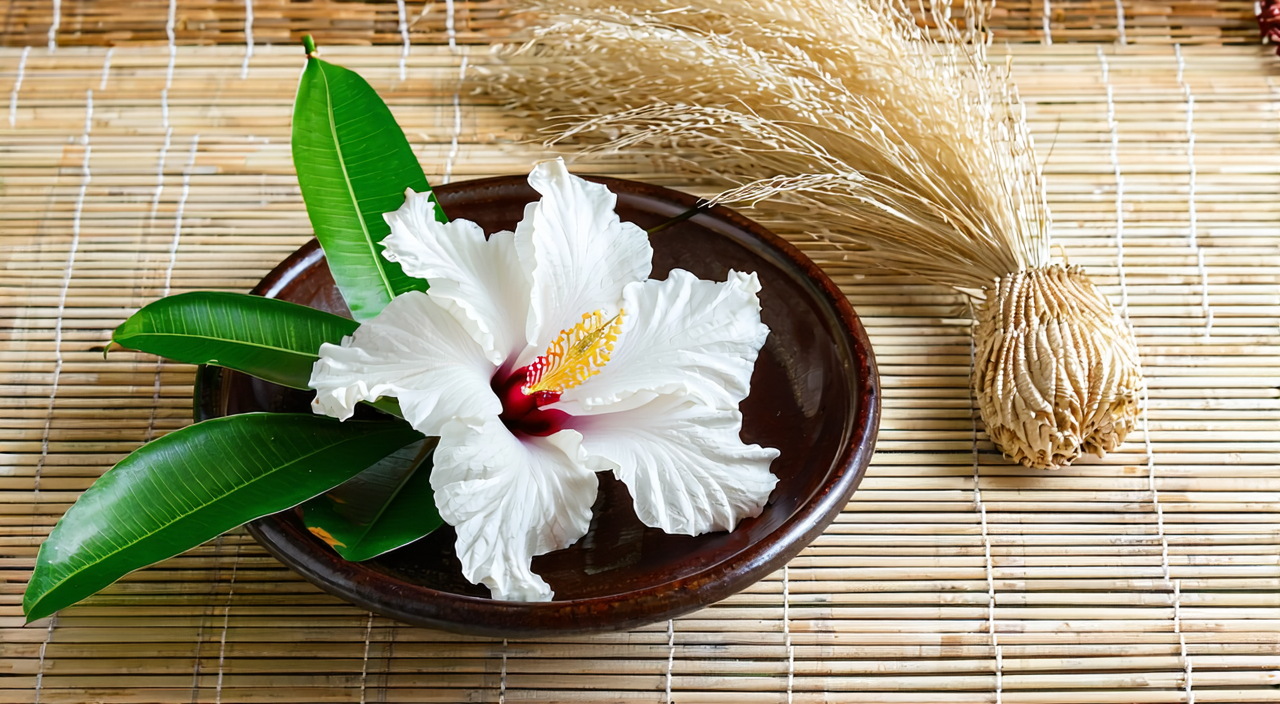
The main medicinal part of kapok flower is the flower of the kapok plant, usually collected, cleaned, and dried before use. Traditionally, the flowers are harvested when they are open or nearly open and still relatively intact. They are then cleared of impurities and dried for storage and later combination with other ingredients.
Dried kapok flowers often have reddish-brown or dark red petals. Their texture is relatively thin but still resilient, and the calyx is usually clearly visible. Differences in origin, harvest time, and drying method may affect their color, smell, and degree of intactness. The flowers used in herbal medicine are not the same medicinal parts as the bark, roots, seeds, or cotton-like fibers of the kapok tree. They should not be mixed simply because they all come from the same plant.
It is especially important to note that fallen flowers from urban roads, parks, or areas with heavy traffic may come into contact with dust, vehicle emissions, pesticide residues, or other contaminants. Ornamental fallen flowers differ from properly processed medicinal materials in terms of hygiene and standards of use. It is not advisable to collect them yourself and use them directly for decoctions or tea.
3. How Does Traditional Chinese Medicine Understand Kapok Flower?
Traditional Chinese medicine commonly understands kapok flower from the perspectives of clearing heat and promoting the elimination of dampness. In the Lingnan region, where the climate is relatively warm and humid, the ideas of clearing heat and dispelling dampness are also emphasized in folk diets and herbal tea culture. Kapok flower is therefore often included in soups, compound formulas, or herbal tea combinations used in these traditional contexts.
Some traditional materia medica texts and local practices also describe kapok flower in relation to detoxification and止血, or stopping bleeding. However, these are theories and usage experiences from traditional herbal medicine and should not be treated as conclusions regarding the diagnosis or treatment of specific diseases. Traditional Chinese medicine pattern identification generally also considers the tongue, pulse, constitution, diet, and duration of symptoms. A single symptom does not automatically mean that the same herb is suitable.
In actual combinations, kapok flower is often not the ingredient that determines the overall direction of a formula on its own. The ingredients, dosage, preparation methods, and intended uses of different formulas may vary. Whether it is suitable for an individual should be assessed according to their constitution, symptoms, and professional advice.
4. What Areas Can Modern Research Explore?
Modern research examines kapok flower in areas such as its phytochemical components, antioxidant activity, microbiological experiments, and the material basis of its traditional uses. Some laboratory studies focus on flavonoids, phenolic acids, and other plant compounds, but there is still a gap between laboratory research, animal studies, and actual use in humans.
For this reason, modern research findings are best regarded as reference points for understanding kapok flower. They cannot be directly used to infer a definitive effect on a particular disease, nor can they replace appropriate clinical diagnosis. When reading related information, consumers should distinguish between traditional experience, basic research, and clinical evidence that has been adequately validated.
5. What Are the Differences Between Kapok Flower, Safflower, and Trumpet Creeper Flower?
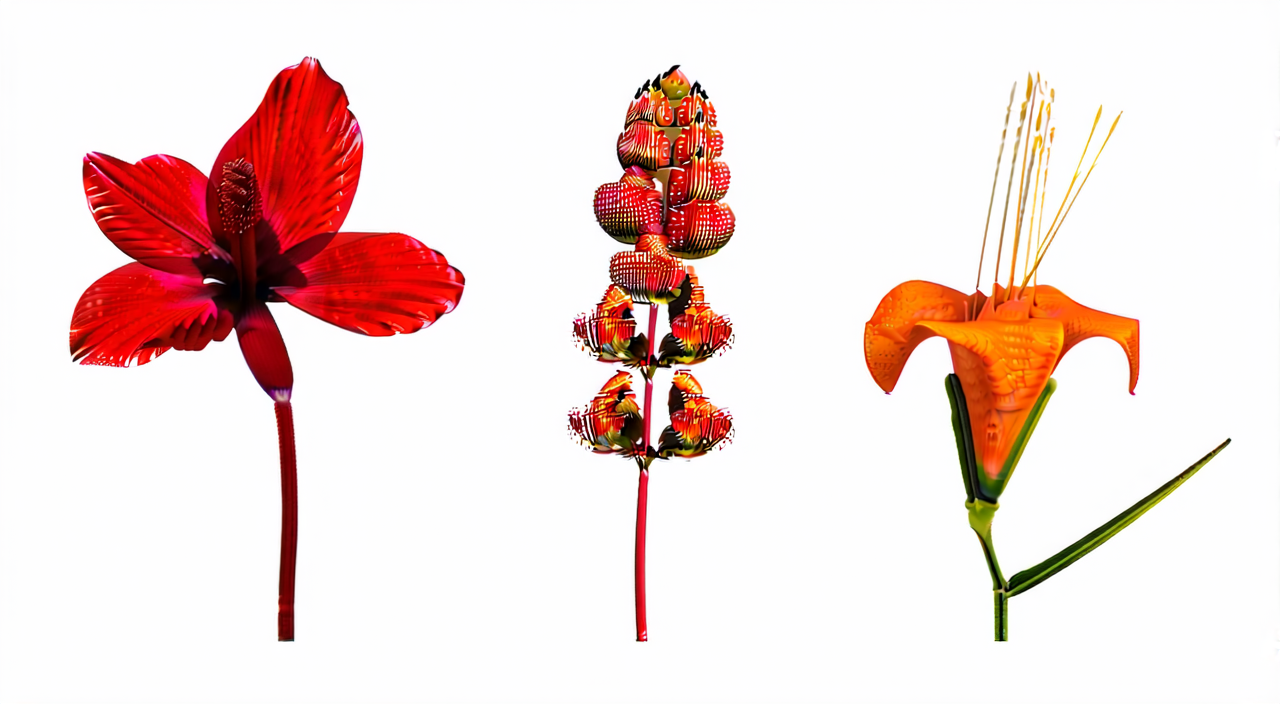
Kapok flower, safflower, and trumpet creeper flower may all be red or orange-red, but their structural features are quite different. They cannot be identified by color alone.
Kapok Flower
Fresh kapok flowers are large and usually have five petals. The petals are broad, thick, and distinctly fleshy, giving the flower a full overall shape. A prominent bell-shaped calyx is commonly found at the base. Even after drying, the broad outline of the petals may remain visible, giving the herbal material a relatively chunky or leaf-like appearance.
Safflower
In Chinese herbal medicine, safflower usually refers to the dried flowers of Carthamus tinctorius, a member of the Asteraceae family. Its flowers are smaller, with slender tubular corollas. The dried herb is usually made up of fine orange-red threads or strips, often mixed with numerous fragments of corollas. Compared with the broad, intact petals of kapok flower, safflower is finer and more fragmented and does not have the outline of a large, bell-shaped flower.
Trumpet Creeper Flower
Trumpet creeper flowers are usually orange-red or red. Their corollas are funnel-shaped or trumpet-shaped, with relatively thin petals that generally divide into five lobes at the tip. Compared with kapok flower, their form is lighter and thinner, with more prominent petal edges and tubular corolla characteristics. Their medicinal source, traditional properties, and combination uses also differ from those of kapok flower.
In simple terms, kapok flower can be recognized by its large, thick five-petaled flower; safflower by its slender orange-red threads; and trumpet creeper flower by its trumpet-shaped corolla. If the material is fragmented or severely discolored, visual identification alone may be difficult. It is best to consult reliable herbal medicine information and a qualified professional.
6. Which Traditional Formulas Contain Kapok Flower?
In traditional Lingnan herbal practices and local food culture, kapok flower may be found in kapok flower soup, Lingnan compound formulas traditionally used to clear heat and dispel dampness, and certain herbal tea formulas. The ingredients and names of formulas may vary between regions, and formulas with the same name may also have different combinations.
Kapok flower soup is generally a traditional soup concept in which kapok flower is one of the main identifying ingredients. It may also be combined with other materials traditionally associated with clearing heat or promoting the elimination of dampness. Lingnan formulas for clearing heat and dispelling dampness may be modified according to the season, region, and individual constitution, so they should not be regarded as fixed recipes. Herbal tea formulas also vary considerably. Some are intended for everyday drinking, while others contain multiple Chinese herbs, so not all herbal teas should be considered the same product.
When learning about these formulas, it is advisable to check the product information, complete ingredient list, intended users, and directions for consumption. People who are pregnant or breastfeeding, children, older adults, and those taking other medications should consult a doctor, traditional Chinese medicine practitioner, or pharmacist first. Formulas and herbal teas should only be understood as traditional approaches and should not be used to replace professional treatment for a disease.
7. What Precautions Should Be Taken When Using Kapok Flower?
First, kapok flower is traditionally associated with clearing heat and promoting the elimination of dampness. People with a cold or weak digestive system, a tendency toward diarrhea, poor appetite, or discomfort after drinking cooling herbal teas should exercise caution. Suitability should be assessed according to the individual’s circumstances. If abdominal discomfort, nausea, a rash, or any other unusual reaction occurs, stop using it and seek professional advice.
Second, people who are allergic to pollen, plants, or other flowers may experience itchy noses, sneezing, skin redness, or other allergic symptoms after contact with kapok flower. Ensure good ventilation when handling dried flowers and avoid directly inhaling dust. If difficulty breathing or significant swelling of the face or throat occurs, seek medical attention promptly.
Third, do not treat ornamental fallen flowers from roadsides, parks, or unknown sources as medicinal herbs. Medicinal kapok flower should be obtained from a clearly identified source and processed according to appropriate standards. The storage environment should be dry and clean, and the product should be checked for mold, unusual odors, or insect damage.
Finally, herbal teas and traditional soups cannot replace medical treatment. If symptoms are severe, persistent, or recurrent, or if they are accompanied by marked anxiety, depression, palpitations, chest tightness, pain, abnormal breathing, severe abdominal pain, persistent vomiting, black stools, unexplained weight loss, or other concerning symptoms, consult a doctor or another appropriate healthcare professional as soon as possible.
Summary
Kapok flower usually refers to the dried flower of the kapok plant. It can be identified by its large, thick, five-petaled red or orange-red flowers and prominent bell-shaped calyx. It differs from the fine, thread-like flowers of safflower and the trumpet-shaped corolla of trumpet creeper flower. Traditional Chinese medicine commonly views kapok flower from the perspective of clearing heat and promoting the elimination of dampness. The suitability of related formulas and herbal teas should still be assessed according to individual constitution, symptoms, product information, and professional advice. This article is for educational reference only and cannot replace professional diagnosis or treatment advice.