
What Is Mu Zei? Medicinal Parts, Identification, and Common Formulas
The name Mu Zei is familiar to many plant lovers and readers of traditional Chinese medicine. It may appear beside a water feature in a garden or as a dried medicinal material in a Chinese medicine cabinet. Many people hearing the name for the first time ask what Mu Zei is, how it differs from ordinary weeds, and why the aerial stem is used medicinally. This article outlines the basics of Mu Zei from the perspectives of appearance and identification, medicinal part, traditional understanding, and common formulas to help readers build a safer understanding.
1. What Does Mu Zei Look Like? How Is It Identified?
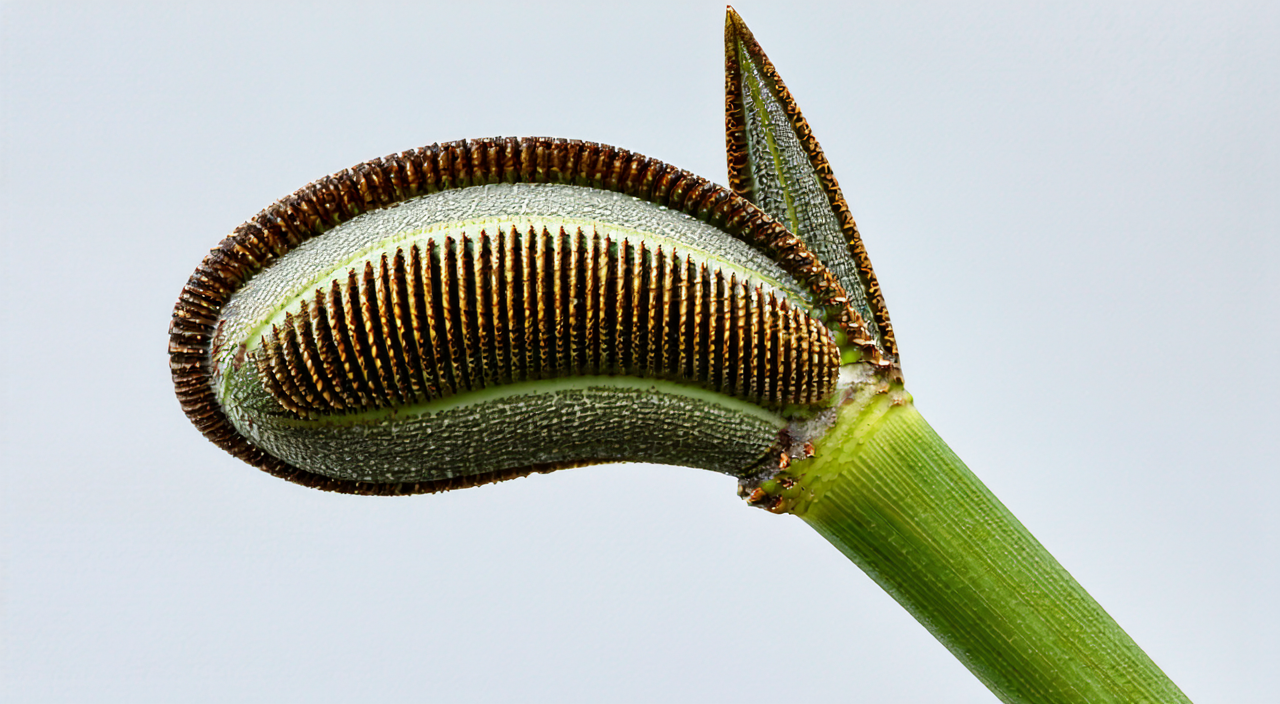
Mu Zei is the dried aerial stem of the plant Equisetum hiemale of the Equisetaceae family. Fresh Mu Zei stems are slender, cylindrical, and usually grow upright, with height varying by environment. When used as a medicinal material, it is usually seen as cut and dried stem segments.
When identifying Mu Zei, several features can be observed. First, the stem is hollow, and a cavity is often visible in cross-section. Second, the stem has obvious nodes that divide it into internodal segments; brown or light brown sheath-like scale leaves can sometimes be seen at the nodes. Third, the stem surface has longitudinal ridges that are relatively distinct and feel rough or slightly astringent to the touch; this is also one of the sources of the name Mu Zei. Fourth, the color is mainly gray-green, yellow-green, or light green, and becomes paler after drying. Overall, Mu Zei is not identified by its flowers or fruit but by the morphological features of its stem.
Because some wild ferns or Equisetum-like plants look similar, it is not advisable to collect them on your own based only on a few pictures or brief descriptions. If used only for horticulture or plant observation, the intact stem nodes, longitudinal ridges, and rough surface can help with identification; if used for medicinal purposes, it is even more important to choose medicinal materials from regulated sources.
2. What Is the Medicinal Part of Mu Zei?
The medicinal part of Mu Zei is the dried aerial stem, not the root, leaves, or whole herb. Traditionally it is mostly harvested in summer and autumn. The aboveground parts are cut, impurities are removed, and the stems are tied into small bundles and dried in the sun, or cut into sections and dried. On the medicinal material market, Mu Zei is commonly seen in short segments, and sometimes as longer strip-like sections.
As a medicinal material, the aerial stem of Mu Zei is often assessed by intact stems, a gray-green or yellow-green surface, a hollow cross-section, and a brittle texture that breaks easily. Cut Mu Zei decoction pieces are usually small cylindrical segments with a rough outer surface, visible longitudinal ridges along the edges, and often a hollow cross-section. When using it, follow the actual prescription or product instructions; do not change the medicinal part on your own.
In other words, although the whole Mu Zei plant looks grass-like at first glance, its medicinal use is concentrated in the dried aerial stem. This feature also helps distinguish it from some plants whose whole herb or rhizome is used medicinally.
3. How Is Mu Zei Understood in Traditional Chinese Medicine?
Traditional Chinese medicine often understands Mu Zei from the perspective of dispersing wind-heat, brightening the eyes, and removing nebula. Its nature, flavor, and channel tropism are usually described as sweet and bitter, neutral, entering the lung and liver channels. Traditionally, Mu Zei is often associated with discomfort related to wind-heat or the liver channel, such as red eyes, tearing when exposed to wind, and a sensation as if there is a film over the eye.
However, these descriptions are traditional empirical summaries. In Chinese medicine, Mu Zei is often combined with herbs such as chrysanthemum flower, cicada slough, cassia seed, and tribulus fruit in order to adjust the approach according to the overall pattern of symptoms. It is not an herb that can simply be used whenever there is an ‘eye problem.’ Whether it should be combined with other herbs, what dosage should be used, and how long it should be used should all be determined according to the individual’s constitution and specific presentation.
Therefore, readers can understand Mu Zei as a supporting herb in traditional eye-related formulas, rather than as a single solution for eye problems. There are many types of eye problems, and some require modern ophthalmic examination rather than being managed only through the approach of clearing the liver and brightening the eyes.
4. How Does Modern Research View Mu Zei?
Modern phytochemical research mostly focuses on constituents in Mu Zei, such as flavonoids, phenolic acids, and silicates. Some experimental studies have explored antioxidant and antimicrobial directions, but these studies mainly help explain its chemical basis and cannot be directly equated with clinical efficacy, nor can they replace standard medical care.
From a science education perspective, understanding modern research helps explain why Mu Zei has been valued traditionally, but it should not be overinterpreted as having a confirmed therapeutic effect. For overseas readers, it is especially important to note the difference between ‘research’ and ‘efficacy’ in Chinese and Western contexts. The activity of a plant’s constituents is not equivalent to being able to self-treat a disease with that herb.
5. What Are the Differences Between Mu Zei, Ma Huang, and Gu Jing Cao?
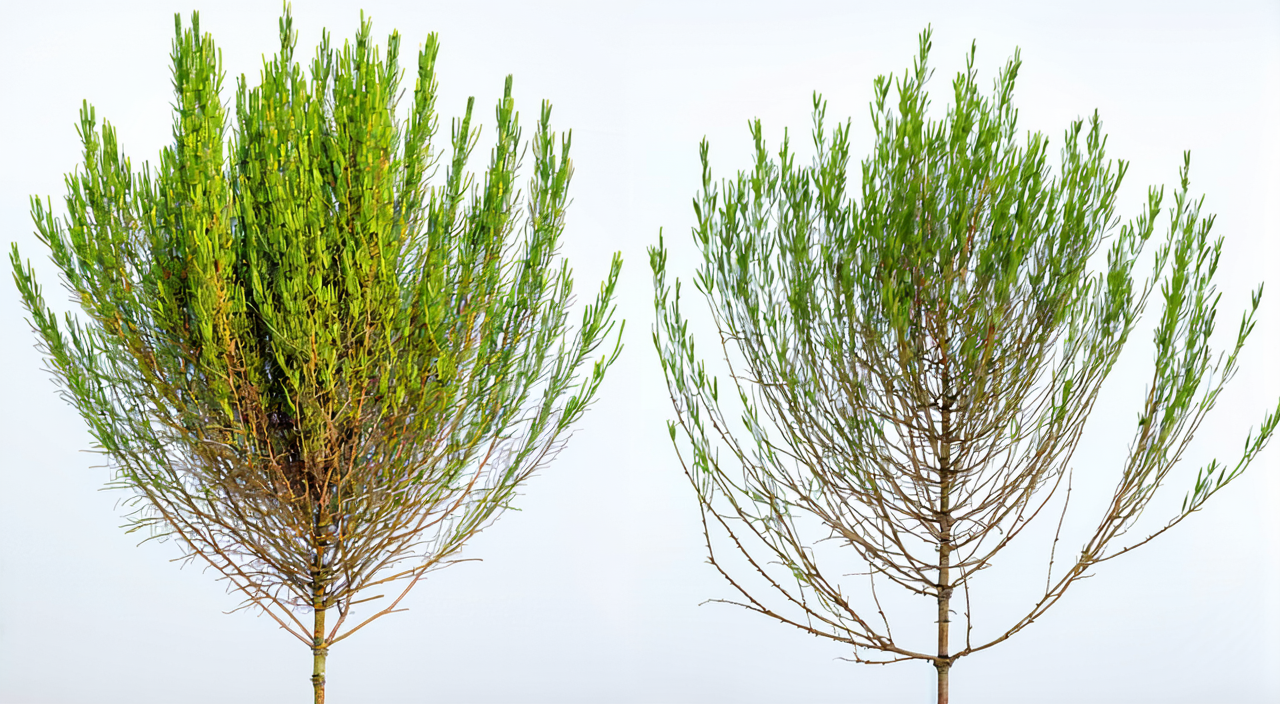
Mu Zei and Ma Huang (Ephedra) do look similar in their dried stem form: both are slender, jointed, and hollow in cross-section, so they are often confused. The differences can be viewed from several aspects. Ma Huang stems usually have more branches, finer longitudinal lines, a darker green or yellow-green color, and mostly membranous scale leaves at the nodes, with a bitter and astringent taste. Mu Zei generally has few or inconspicuous branches, coarser longitudinal ridges, a rough texture, a gray-green or yellow-green color, more obvious sheath-like scale leaves at the nodes, and a bland or slightly astringent taste. More importantly, Ma Huang is traditionally used to induce sweating, release the exterior, ventilate the lungs, and relieve wheezing, which is different from Mu Zei’s direction of dispersing wind-heat, brightening the eyes, and removing nebula; the two cannot replace each other.
Although Gu Jing Cao (pipewort) and Mu Zei are both often used in formulas for brightening the eyes and removing nebula, their medicinal parts are different. Gu Jing Cao is usually the flower head with its flowering stem, so its appearance is an inflorescence rather than a hollow stem. The two may appear together in traditional formulas, but their roles are not the same.
It is especially important to note that you should not collect plants on your own simply because they look hollow and jointed. Misidentifying Ma Huang, Mu Zei, or other similar-looking plants in the wild can be risky. For general readers, identification is mainly for learning purposes and should not be directly used for wild harvesting or self-use.
6. Which Formulas Use Mu Zei?
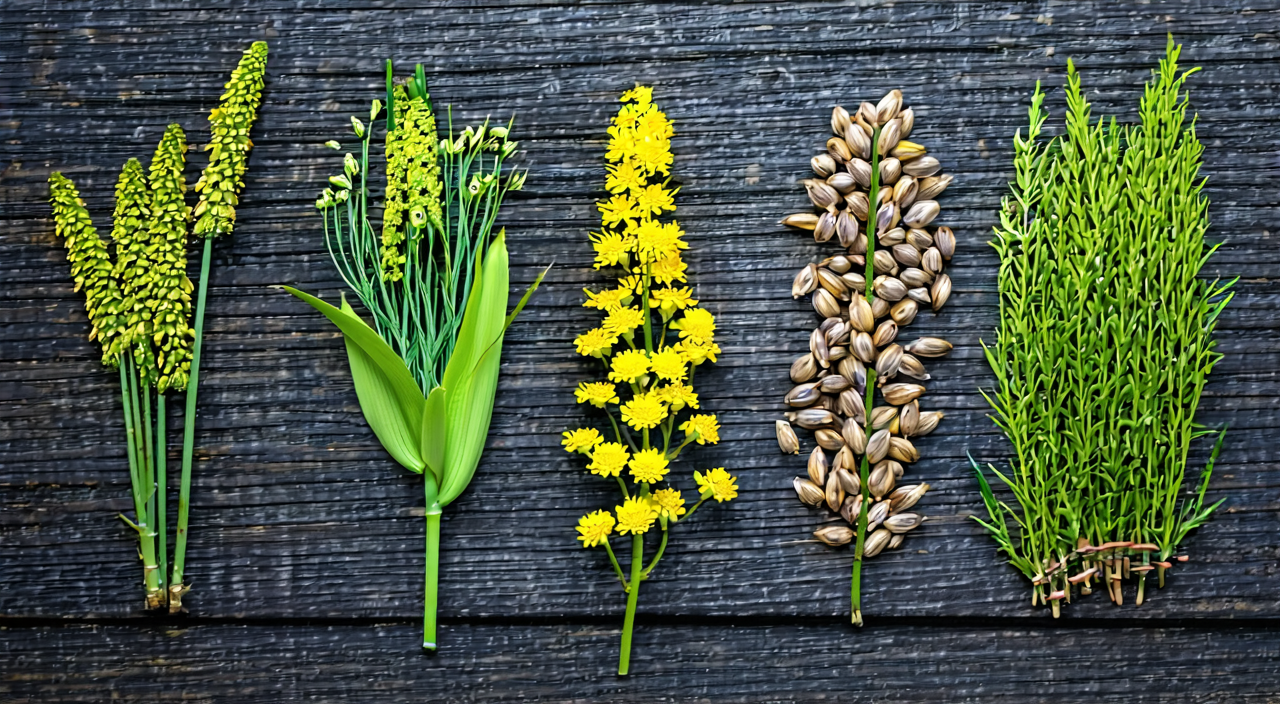
In some traditional formula names, Mu Zei San, Shen Xiao San, and certain formulas for brightening the eyes and removing nebula use Mu Zei. Mu Zei San is one of the traditional formula names and is often recorded for red, swollen, painful eyes and excessive tearing caused by wind-heat attacking the upper body. Shen Xiao San is also recorded in ancient texts for eye symptoms and is often combined with cicada slough, Mu Zei, Gu Jing Cao, chrysanthemum flower, and other herbs. Formulas for brightening the eyes and removing nebula form a broader category, and Mu Zei is often used as a supporting herb together with herbs that clear the liver, brighten the eyes, and disperse wind-heat.
Here it should be emphasized that traditional formula names and compositions may differ among different texts, and different regions also have different usages. These formula names are listed only to help interested readers understand the place of Mu Zei in traditional formulas; they do not mean that any formula is suitable for an individual to take directly. Whether a formula is suitable, how it should be modified, and what dosage should be used all need to be determined by an experienced Chinese medicine practitioner based on the individual’s constitution and symptoms. Overseas users should also choose regulated channels when obtaining related products and should make a comprehensive judgment based on the product instructions, their personal situation, and professional advice.
7. What Precautions Should Be Taken When Using Mu Zei?
Although Mu Zei is often regarded as a relatively mild medicinal material, it is not suitable for everyone. Traditionally, it is believed that people with qi and blood deficiency should use it with caution, or should not take it alone for a long time. Because Mu Zei tends to disperse wind-heat and brighten the eyes and remove nebula, it may be inappropriate if the presentation is not related to wind-heat or the liver channel.
If there is sudden vision loss, severe eye pain, obvious redness and swelling, trauma, worsening photophobia, or a long-term recurrent eye condition that does not improve, you should not rely only on Mu Zei-type herbs for self-management; consult an ophthalmologist or other professional promptly. People with accompanying systemic symptoms such as marked anxiety, palpitations, chest tightness, headache, or nausea also need a clear diagnosis first.
In addition, wild collection can easily lead to misidentification. Mu Zei, Ma Huang, Jie Jie Cao, and other plants have similar appearances, so non-professionals are not advised to collect and use them on their own. Pregnant women, breastfeeding women, children, older adults, and people taking other medications should be even more cautious before using any medicinal material. This article is for informational reference only and cannot replace professional diagnosis or treatment advice.
Summary
What is Mu Zei? In short, it is a traditional medicinal material whose dried aerial stem is used medicinally. When identifying it, look mainly at the slender, hollow stem; obvious nodes; rough longitudinal ridges; and gray-green or yellow-green surface. It is easily confused with Ma Huang and Gu Jing Cao, but their medicinal parts and traditional uses are different. Mu Zei commonly appears in Mu Zei San, Shen Xiao San, and formulas for brightening the eyes and removing nebula. Whether it is suitable to use depends on the individual’s constitution and professional advice. Eye problems should not be self-treated with herbs, and long-term or sudden conditions should receive medical attention as early as possible.