
What Is Qing Hao? Medicinal Parts, Identification Methods, and Common Formulas
When Qing Hao (sweet wormwood) is mentioned, many people immediately think of artemisinin. Yet in Traditional Chinese Medicine (TCM), Qing Hao as a whole herb has a much longer history of use than its isolated single compound. For readers outside China wanting to understand Qing Hao from the ground up, the most common questions are: what does Qing Hao look like, which part is actually used, is Qing Hao the same as Yin Chen, and which traditional formulas contain it. The following sections address identification, the medicinal part, traditional concepts, and common formulas to help form a clearer overall picture.
What does Qing Hao look like? How to identify it
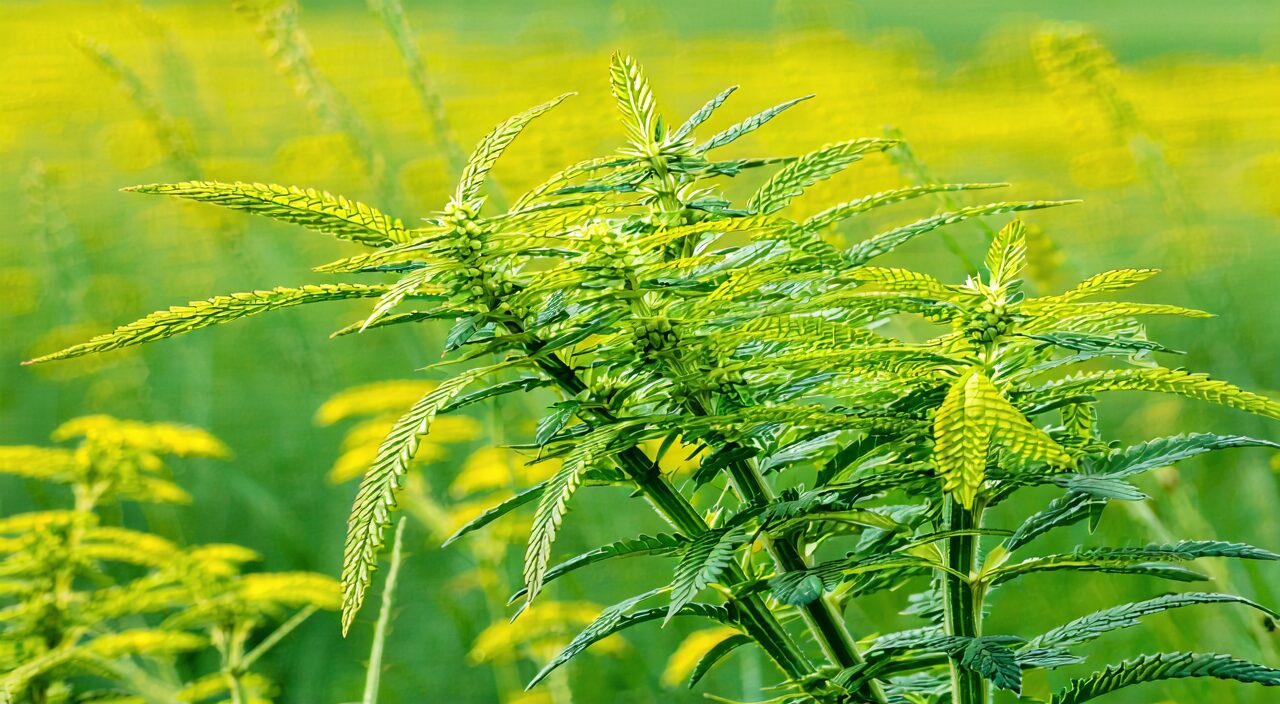
The dried decoction pieces and the fresh plant of Qing Hao have quite distinctive features, and a few key points make identification straightforward.
The Qing Hao commonly found in herbal markets is mostly cut into segments, yellowish-green or brownish-yellow, and quite fragmented. The stems are thin and cylindrical, with longitudinal ridges on the surface; they are fairly hard but break easily. The leaves are typically deeply divided in a pinnate pattern, with small, short-linear or thread-like lobes. They are papery thin, and after drying they often curl up. If you pick up dried Qing Hao and smell it, a special, cool, refreshing aroma is apparent — a characteristic shared by many Artemisia species, but Qing Hao’s scent is relatively brisk and not heavy or stifling.
Whether in the wild or as a crude herb, focus on “thin stems, deeply pinnatifid leaves, yellowish-green fragmented pieces, and a distinctive cool aroma”. The stems are relatively slender and much branched, the leaf lobes are finely divided, the overall color leans toward yellowish-green, and the smell is clear and slightly grassy. These traits combined make a fairly typical Qing Hao profile. Of course, plant identification should never be based on just one or two features. If harvesting or purchasing, it is advisable to check against reliable physical samples or illustrated references.
Which part of Qing Hao is used medicinally?
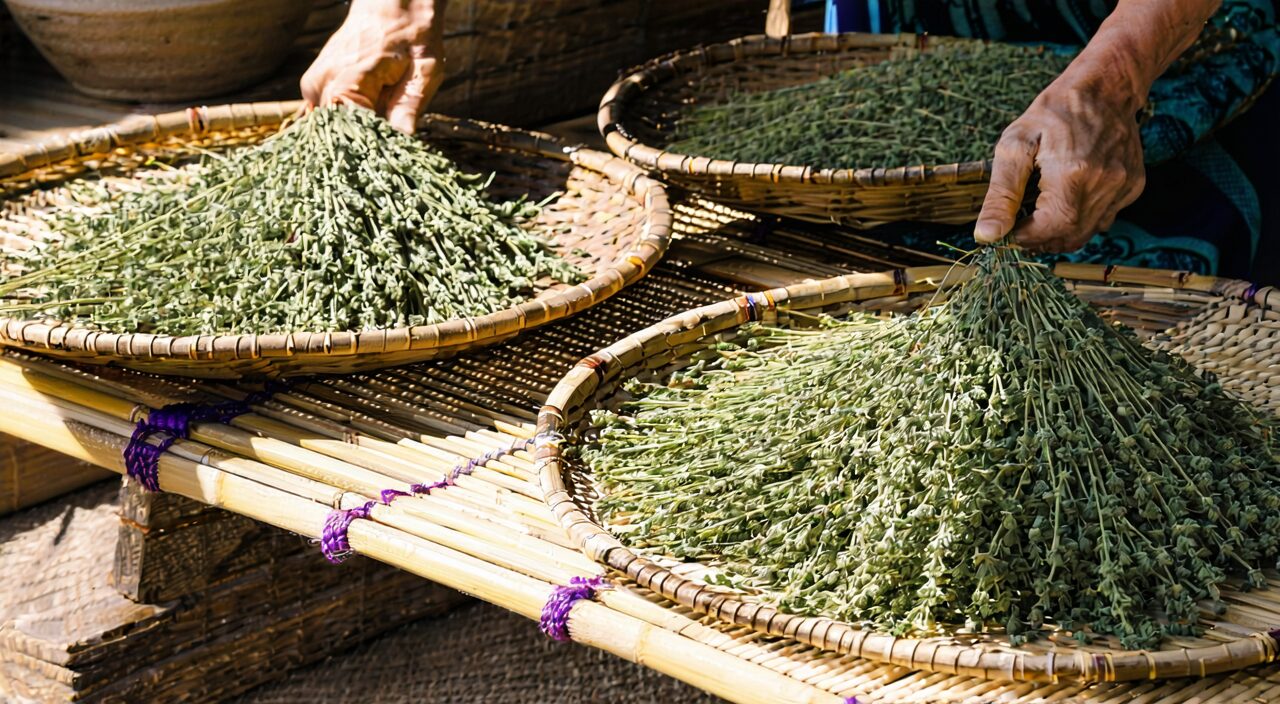
The medicinal part of Qing Hao is the dried aerial portion of Artemisia annua, a plant in the Asteraceae family. In other words, neither the roots nor just the leaves are used, but rather the above-ground parts, including the stems, leaves, and possibly flowering branchlets.
Harvesting typically takes place before flowering in summer, when the aerial parts are growing vigorously and the active constituents are at relatively ideal levels. After cutting the above-ground portion, the coarse, woody old stems are removed, and the tender stems and leaves are kept, cut into sections, and dried. Dried Qing Hao mostly appears as short broken segments of varying lengths, with stems and leaves mixed together.
In traditional usage, Qing Hao is sometimes used fresh, especially for certain summerheat-related applications. When preparing decoctions, Qing Hao is often added “at the last stage” — that is, after the other herbs have been boiled, it is added and simmered only briefly. This approach is primarily intended to preserve its volatile constituents and avoid dispersing the aromatic qi through prolonged heating. How exactly it is used afterward normally needs to be determined by the overall formula and individual presentation.
How does TCM understand Qing Hao?
Within the framework of Traditional Chinese Medicine, Qing Hao is bitter and acrid in taste, cold in nature, and enters primarily the Liver, Gallbladder, and Kidney channels. It is not simply a “heat-clearing herb” but has several rather specific directions of action.
First, Qing Hao is often used to clear deficiency heat and relieve bone steaming. “Bone steaming” can be understood as a subjective sensation of heat steaming out from the bones, most often occurring in the afternoon or at night, with heat in the palms and soles, and sometimes accompanied by irritability, even though the measured body temperature may not be very high. Such presentations are traditionally ascribed to yin insufficiency with lingering heat, and Qing Hao is adept at venting heat from the yin level, frequently appearing in formulas for these patterns.
Second, Qing Hao is also commonly used to resolve summerheat and transform dampness. During seasons when summerheat is mixed with dampness, with manifestations such as fever, chest oppression, a heavy sensation in the head, and sticky taste in the mouth, some formulas combine Qing Hao to diffuse and vent the summerheat pathogen.
Additionally, classical texts record the use of Qing Hao to interrupt malaria — addressing malarial attacks in a traditional context. However, it must be expressly noted that this belongs to historical traditional usage; modern-day malaria is a communicable disease requiring standardized diagnosis and pharmacological treatment, and one must absolutely not use Qing Hao on one’s own as a substitute for proper antimalarial therapy.
Furthermore, Qing Hao also appears in some traditional approaches to jaundice, generally in connection with clearing heat, disinhibiting dampness, and soothing the liver and gallbladder. All such applications, however, are based on traditional experience; whether they are suitable for a particular individual requires consideration of specific constitution, symptoms, and professional evaluation.
A modern research perspective: the difference between artemisinin and the whole herb Qing Hao
Modern research has extracted artemisinin from Qing Hao and confirmed its significant activity against the malaria parasite, a discovery that has gained high international recognition. Yet it must be clearly understood that artemisinin is a single compound, whereas Qing Hao decoction pieces or the whole Qing Hao herb are a complex matrix containing multiple constituents. The studies on artemisinin cannot be directly equated with the full range of actions of Qing Hao as a Chinese medicinal, and it is inappropriate to simply treat the whole herb as if it were artemisinin.
For readers outside China, understanding this point is important: as a herbal material, Qing Hao in the TCM line of thinking is more often used together with other medicinals. Its actions span multiple dimensions — deficiency heat, summerheat, damp-heat — rather than targeting only one specific pathogen. Any attempt to use dried Qing Hao or its water extracts to replace antimalarial drugs poses health risks and should be avoided.
What are the differences between Qing Hao, Yin Chen, and Artemisia annua?
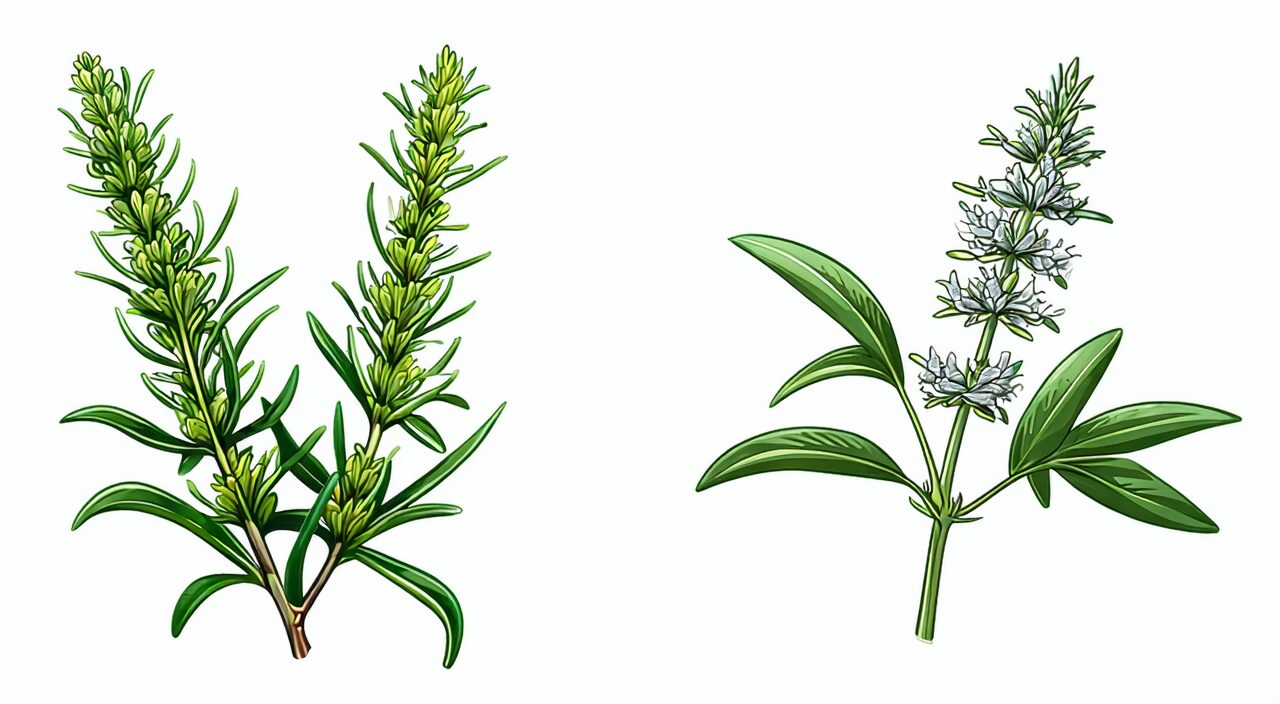
Many people confuse Qing Hao with Yin Chen, or are unclear about the exact relationship between Qing Hao and Artemisia annua. In fact, although they are all Artemisia species within the Asteraceae family, the differences in botanical origin and traditional usage are substantial.
First, according to the Chinese Pharmacopoeia, the source plant of Qing Hao is precisely Artemisia annua (Huang Hua Hao). That means the crude drug “Qing Hao” corresponds botanically to Artemisia annua; Qing Hao and the medicinal Huang Hua Hao are essentially the same thing. In contrast, Yin Chen primarily comes from Artemisia capillaris or Artemisia scoparia, using the dried aerial portions — particularly the young seedling stage of Artemisia capillaris. The visible difference is obvious: Yin Chen at the seedling stage has even finer leaves, often thread-like or linear, and is densely covered with white, downy hairs, giving the whole plant a grayish-white appearance. Qing Hao leaves, although also deeply divided, have relatively wider lobes and are predominantly yellowish-green with a more pronounced aroma. When the dried cut forms are compared side by side, Yin Chen tends toward gray-green or grayish-white, whereas Qing Hao tends toward yellowish-green to brownish-yellow.
In traditional usage, Yin Chen is noted for clearing heat, disinhibiting dampness, and abating jaundice, and is particularly common in patterns related to jaundice and damp-warmth disorders. Qing Hao, while also used for jaundice in some contexts, places more emphasis on clearing deficiency heat, relieving summerheat, and venting heat outward. The directions of action differ, and the two cannot be substituted casually.
Which formulas include Qing Hao?
Qing Hao plays an important role in many traditional formulas. Some of the more representative ones are Qing Hao Bie Jia Tang (Artemisia Annua and Turtle Shell Decoction), Hao Qin Qing Dan Tang (Artemisia and Scutellaria Gallbladder-Clearing Decoction), Qing Gu San (Bone-Clearing Powder), and Qing Hao Tang (Artemisia Annua Decoction).
Qing Hao Bie Jia Tang is often regarded as a classic formula for nourishing yin and venting heat. In it, Qing Hao is combined with Bie Jia (turtle shell); one vents heat outward, the other enriches yin and anchors yang. It is traditionally used at the later stages of febrile illness when lingering heat has not cleared and yin fluids are already damaged, often manifesting as night fever and heat in the palms and soles.
Hao Qin Qing Dan Tang is primarily used to clear the gallbladder, disinhibit dampness, and harmonize the stomach and transform phlegm. This formula pairs Qing Hao with Huang Qin (scutellaria) and Zhu Ru (bamboo shavings), and is commonly applied to alternating chills and fever, chest oppression, bitter taste in the mouth, and a greasy yellow tongue coating — manifestations associated with damp-heat in the shaoyang. The traditional strategy is to diffuse and clear, allowing damp-heat to dissipate from the interior outward.
The name Qing Gu San itself reveals its close connection with “bone steaming”. The formula combines Qing Hao with Yin Chai Hu (stellaria root) and Hu Huang Lian (picrorhiza rhizome), focusing on clearing deficiency heat and abating bone steaming. It is often indicated for prolonged low-grade fever or tidal fever sensations resulting from yin insufficiency and deficiency fire harassing the interior.
Various versions of Qing Hao Tang appear in different TCM texts. Some use Qing Hao as the chief herb, combined with other heat-clearing and dampness-disinhibiting ingredients, and are directed toward urinary difficulty, damp-heat, and related patterns. Whatever the variant, Qing Hao in the formula generally exerts heat-venting and clearing-dampness actions.
The formulas listed above are all traditional usage directions and are not suitable for every constitution. In practice, whether a formula containing Qing Hao is appropriate should be judged based on the individual’s specific presentation, constitutional features, and guidance from a qualified professional.
What precautions should be observed when using Qing Hao?
Qing Hao is cold in nature, and several important precautions need to be understood.
Those with spleen-stomach deficiency cold should exercise particular caution. This type of constitution often manifests as aversion to cold, a preference for warmth on the abdomen, and loose or easily diarrheic stools. The cold nature of Qing Hao may aggravate such discomforts. Pregnant and breastfeeding women should also thoroughly assess the situation before use and avoid self-administration without clear guidance.
For infectious diseases such as malaria, it must be stressed again that one should not use Qing Hao on one’s own as a substitute for standardized antimalarial or other anti-infective therapy. Although Qing Hao contains precursors of artemisinin, the effective dose from a herbal decoction cannot come close to that of scientifically validated artemisinin preparations, and the therapeutic effect is not controllable. If malaria or another infection is suspected, timely medical attention must be sought.
When decocting and using Qing Hao decoction pieces, it is generally recommended to add them at the last stage to limit the loss of volatile constituents. In addition, long-term or large-dose use is inadvisable, so as not to damage spleen and stomach yang qi. Whether a formula containing Qing Hao is suitable should be comprehensively assessed based on product instructions, individual constitution, and the advice of a professional.
Summary
Qing Hao is the dried aerial part of Artemisia annua. Its identification can be anchored by several key features: thin stems, yellowish-green deeply pinnatifid leaves, and a distinctive cool aroma. In Traditional Chinese Medicine, Qing Hao is mainly used to clear deficiency heat, relieve bone steaming, resolve summerheat, and interrupt malaria in a traditional sense. Although Yin Chen also belongs to the Artemisia genus, its origin and usage direction are distinctly different. Several classical formulas, such as Qing Hao Bie Jia Tang and Hao Qin Qing Dan Tang, list it as an important ingredient. These insights provide a traditional perspective for understanding Qing Hao, but they do not mean it can be applied indiscriminately to all constitutions. Of particular note, Qing Hao is cold by nature and should be used cautiously by those with spleen-stomach deficiency cold. Infectious diseases must never be treated with herbs in place of standardized medical care. Whether choosing Qing Hao-containing products or formulas, such decisions are best made after thoroughly understanding one’s own condition and consulting a qualified professional.