
What Is Frankincense? Medicinal Parts, Identification Methods, and Common Formulas
Many people encounter “frankincense” when they come into contact with aromatherapy or incense culture, but the frankincense used in pharmacies is not exactly the same as essential oils and incense products. In traditional Chinese medicine, frankincense is usually classified as a blood-activating and stasis-resolving medicinal. Its source, appearance, and application methods are relatively clearly defined. This article will discuss what frankincense looks like, where its medicinal part comes from, how it differs from myrrh and benzoin, and common formulas that contain frankincense, hoping to provide a clear TCM science reference for readers who want to understand frankincense.
What Does Frankincense Look Like? How to Identify It?
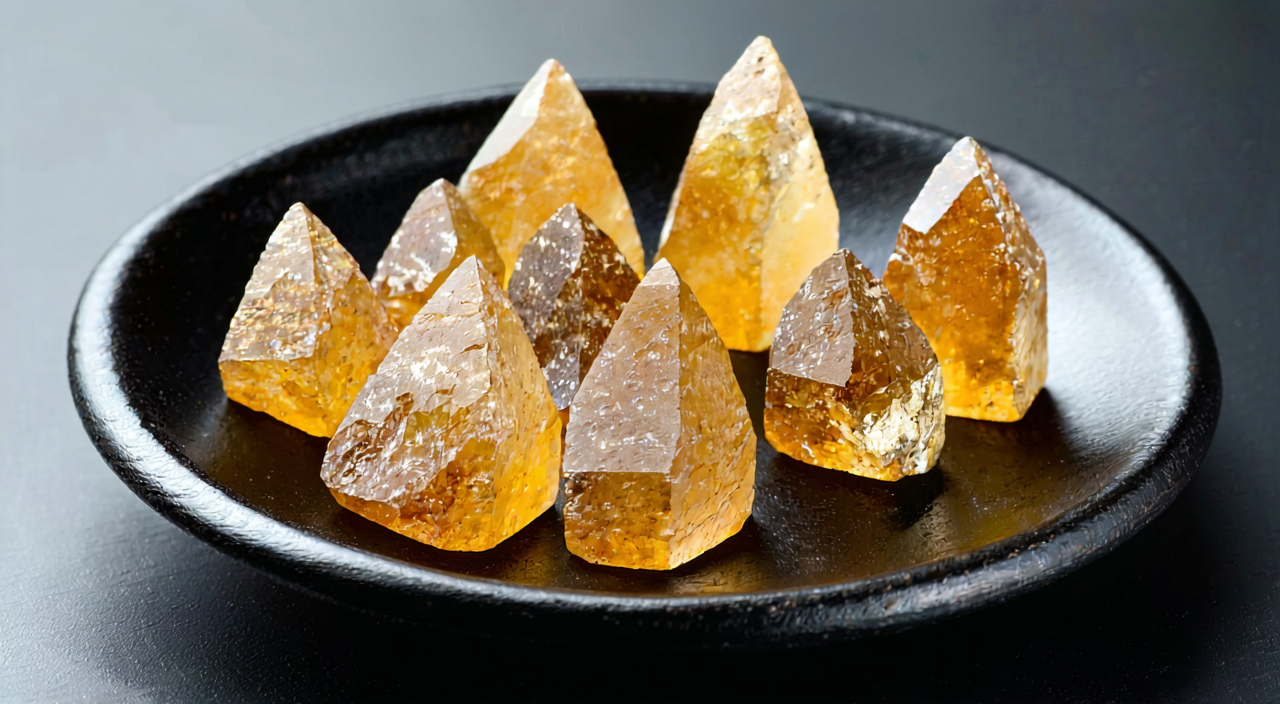
Medicinal frankincense mostly appears as irregular small pieces or granules. Some are teardrop-shaped or nipple-shaped, while others are masses stuck together. The surface color ranges from pale yellowish-white to yellowish-brown, and some surfaces have a whitish or pale yellow powdery bloom. The texture is relatively brittle and easily broken. The fractured surface shows a glassy or waxy luster and appears semi-translucent.
It has a distinctive resinous aroma and a slightly bitter taste. When chewed, it gradually softens and releases a more noticeable fragrance. It does not feel obviously sticky in the hand, but if crushed or warmed, it shows a certain oily quality. The quality of frankincense on the market varies considerably. Traditionally, granules that are intact, pale yellowish-white, semi-translucent, free of sand and other impurities, and have a strong and long-lasting aroma are considered best. If the color is too dark, impurities are numerous, or the aroma is weak, it may indicate improper storage or reduced quality.
What Is the Medicinal Part of Frankincense?
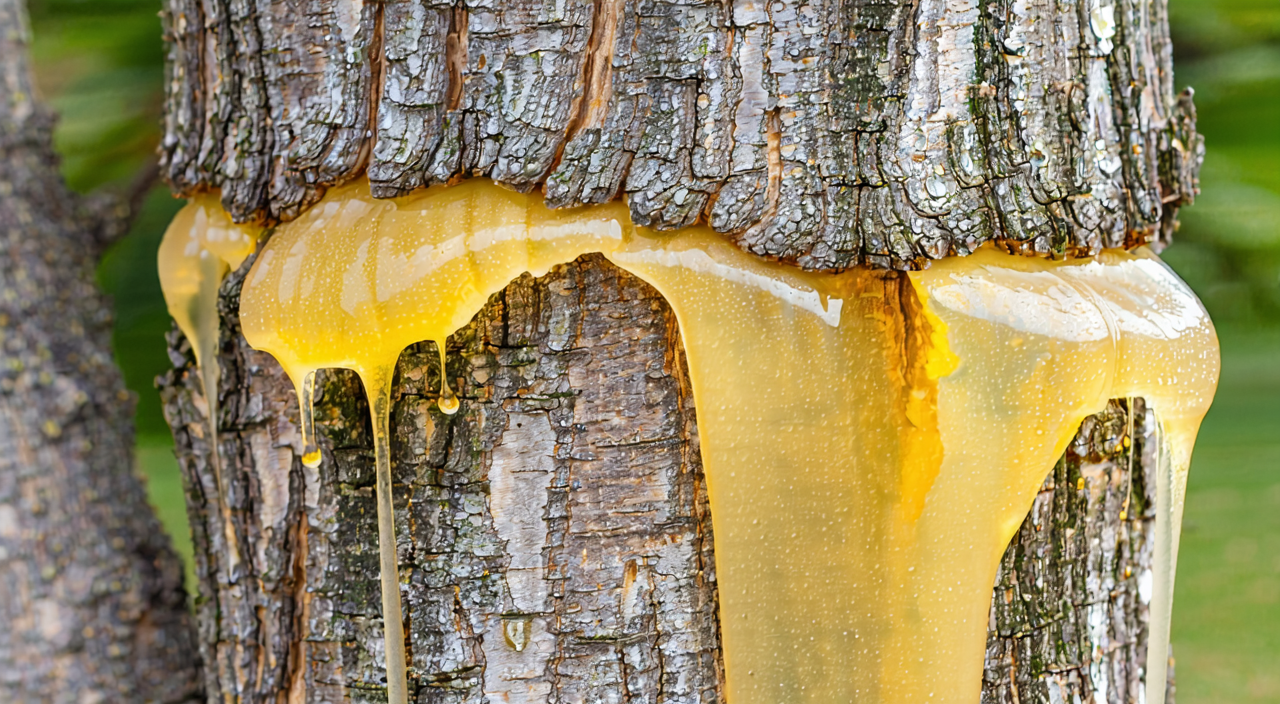
The medicinal part of frankincense is the oleo-gum resin exuded from the bark of plants in the Burseraceae family, specifically Boswellia carterii or several other Boswellia species in the same genus. Usually, wounds are cut into the bark of the trunk, and the resin slowly flows out. After contact with air, it gradually hardens into a solid. People collect the hardened resin, remove bark, sand, and other impurities, and dry it to obtain raw frankincense.
To reduce the irritation of frankincense to the stomach and intestines, vinegar-processed frankincense is often used in Chinese medicine. The processing method generally involves stir-frying clean frankincense over gentle heat until the surface slightly melts, then spraying rice vinegar over it, and stir-frying it again until dry before cooling. After vinegar processing, the surface color of frankincense becomes somewhat darker and the luster is reduced, but it still retains the resinous aroma. Traditionally, this treatment is believed to make it more suitable for internal use. Whether raw or vinegar-processed, frankincense is essentially an oleo-gum resin. This is very different from essential oils, which are volatile components obtained by distillation, in both chemical composition and use. Therefore, the two are not equivalent and should not be confused.
How Does Traditional Chinese Medicine Understand Frankincense?
From the perspective of traditional Chinese medicine, frankincense is often classified as a blood-activating and pain-relieving medicinal. Its nature and flavor are usually described as acrid, bitter, and warm, and it mainly enters the Heart, Liver, and Spleen meridians. Traditionally, the problems addressed with frankincense focus on two main areas. First, it activates blood and relieves pain, and is commonly used for traumatic injuries, blood stasis swelling and pain, chest obstruction and heart pain, or amenorrhea and painful menstruation, where blood stasis is considered to be present. Second, it reduces swelling and promotes tissue regeneration, and is suitable for sores and ulcers with swelling and pain, wounds that heal slowly, or the early stages of abscesses and carbuncles.
Frankincense appears together with myrrh in many classic combinations, because ancient practitioners believed the two could reinforce each other’s ability to resolve stasis and reduce swelling. However, this traditional understanding needs to be considered in light of a person’s specific constitution. Not all pain or wounds are suitable for frankincense. Modern research has isolated various boswellic acids from frankincense and observed some anti-inflammatory and immune-modulating activities, but these studies are still exploratory and cannot be directly equated with clinical effects. For ordinary consumers, this information can serve as background knowledge, but it is not recommended to use the medicinal material based on research findings alone.
What Are the Differences Between Frankincense, Myrrh, and Benzoin?
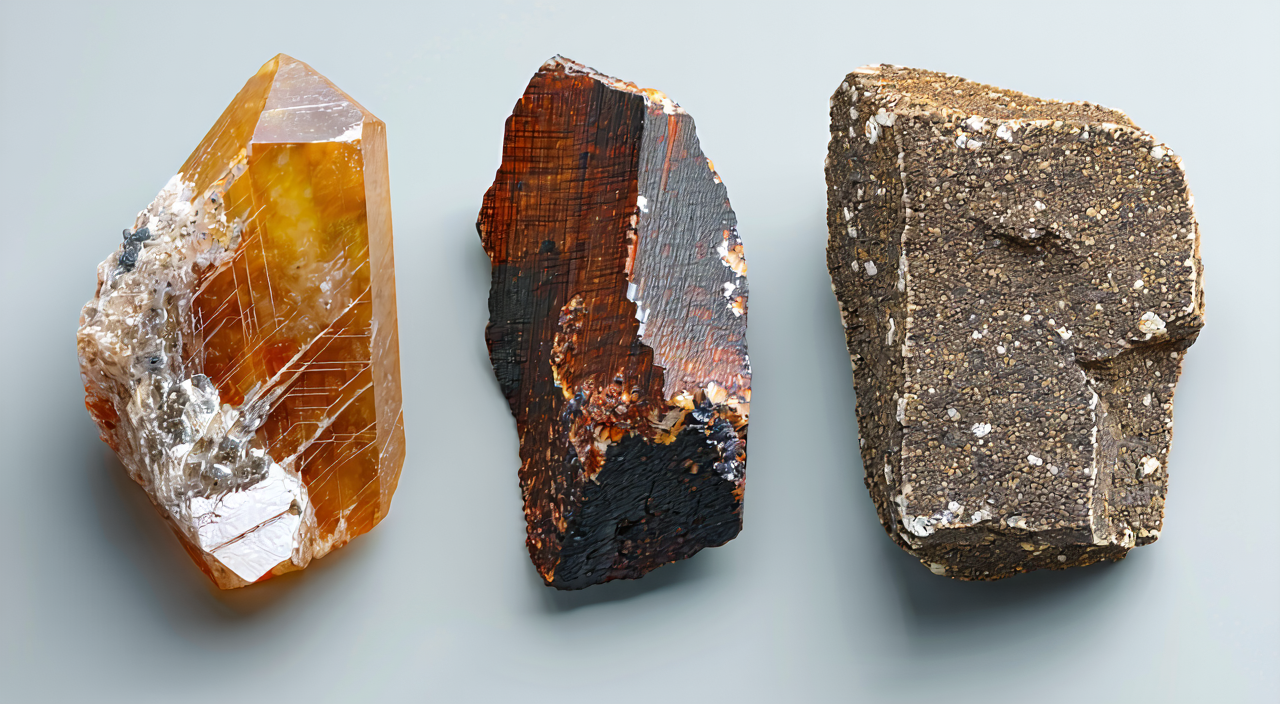
Frankincense, myrrh, and benzoin are all resinous medicinal materials, but their appearance and aroma are clearly different. Frankincense is mostly pale yellowish-white to yellowish-brown semi-translucent granules, with a relatively brittle texture and a glassy luster on the fractured surface. Its aroma is delicate and carries a hint of citrus. Myrrh is usually darker in color, reddish-brown or blackish-brown, with more irregular granules. Its fractured surface is often opaque or only slightly translucent, with an oily luster. Its aroma is stronger and slightly bitter, without the light, lifting quality of frankincense.
Benzoin is resin exuded from plants in the Styracaceae family. It is mostly irregular, flat small pieces with a rough surface and a color ranging from light brown to dark brown. Its texture is relatively brittle, and its aroma is stronger with a hint of vanilla-like sweetness. In traditional usage, there are also differences among the three: frankincense and myrrh are often paired to activate blood and disperse stasis, while benzoin is more often used in formulas to open the orifices, revive the spirit, dispel phlegm, and calm fright. When encountering resinous medicinal materials, if the color, transparency, or smell is uncertain, comparing these features can generally help distinguish them.
Which Formulas Contain Frankincense?
Frankincense is fairly common in some traditional formulas that activate blood, unblock collaterals, reduce swelling, and relieve pain. For example, Xianfang Huoming Yin is often used for early-stage sores and abscesses. In it, frankincense and myrrh are used together, mainly to resolve stasis and reduce swelling. Huoluo Xiaoling Dan also combines frankincense and myrrh with Salvia miltiorrhiza and Angelica sinensis. Traditionally, it is mostly used for limb pain caused by qi and blood stagnation. Qili San is a well-known trauma formula. Its composition includes frankincense, myrrh, dragon’s blood, and safflower, and it is generally used externally or taken orally in small amounts to address traumatic injuries and blood stasis swelling and pain. Xiaohuoluo Dan also often includes frankincense, aiming to strengthen the formula’s warming and unblocking effect.
However, these formulas each have their own bias. Some tend to be warming, while others have a stronger moving and penetrating action, so they are not suitable for all constitutions. For example, people with yin deficiency and internal heat, or those with a clear bleeding tendency, may need to avoid them. The formula names listed here are provided only to help understand traditional medication approaches. Whether a formula is suitable for you still requires comprehensive judgment based on symptoms, constitution, product instructions, and professional advice. Do not simply apply a formula on your own based on symptoms alone.
What Precautions Should Be Taken When Using Frankincense?
Although frankincense is common in many Chinese patent medicines and topical preparations, some caution is still needed when using it. First, frankincense can be somewhat irritating to the gastrointestinal mucosa in some people, and oral use may easily cause nausea or stomach discomfort. Therefore, the dosage should generally not be too large, and it is often recommended to take it with stomach-protecting herbs or after meals. Second, pregnant women need to be especially careful. Traditionally, frankincense is considered to have a strong blood-activating effect, so internal use or large-area topical use is generally avoided during pregnancy to prevent unnecessary risks.
People with a bleeding tendency, such as those who often have subcutaneous bruising, heavy menstrual bleeding, or are using anticoagulant drugs, should also be cautious about contact with products containing frankincense. Using them without syndrome differentiation may increase the risk of bleeding. In addition, essential oils cannot replace frankincense decoction pieces. Essential oils have high concentrations and different component profiles, and their oral safety is strictly restricted in some regions, so they are not suitable for self-directed internal use. Finally, regarding the smoke produced by burning frankincense as incense, inhaling large amounts over a long period may also irritate the respiratory tract. When enjoying its aroma, maintaining good ventilation is safer. If you are prone to allergies, have a fragile gastrointestinal tract, or have other chronic conditions, it is best to consult a doctor or pharmacist before use.
Summary
Frankincense comes from the oleo-gum resin exuded from the bark of plants in the Burseraceae family. After processing, it becomes a commonly used blood-activating and pain-relieving medicinal in traditional Chinese medicine. By recognizing its pale yellowish-white, semi-translucent granular appearance, it can be distinguished fairly easily from myrrh and benzoin. Whether used as an ingredient in a formula or as a topical dressing, frankincense should always be used based on individual constitution and specific circumstances, with special attention to gastrointestinal reactions, pregnancy, and bleeding tendency. This article is intended only as a TCM science reference, and any decision to use it should be made under the guidance of a professional.