
What Is Mountain Sesame? Medicinal Parts, Identification, and Safety Risks
When many people first hear the term mountain sesame, they associate it with the sesame found in the kitchen. Others may mistakenly assume that it can be used like an ordinary herbal tea because some local medicinal plant names are similar. In fact, mountain sesame generally refers to a regional medicinal herb used in certain areas. Existing records commonly involve the roots or root bark of plants in the mountain sesame genus or related plants, but the botanical origins, common names, and medicinal standards may vary between regions. It is not the same plant as edible sesame and should not be identified solely by its name, flower color, or images found online.
This article explains what mountain sesame is, what it looks like, which parts are used medicinally, its traditional use background, and its potential risks. The information is provided for general reference on plants and traditional medicinal materials only and cannot replace the identification and advice of a doctor, pharmacist, or qualified local professional.
What Does Mountain Sesame Look Like? How Is It Identified?
Common Appearance
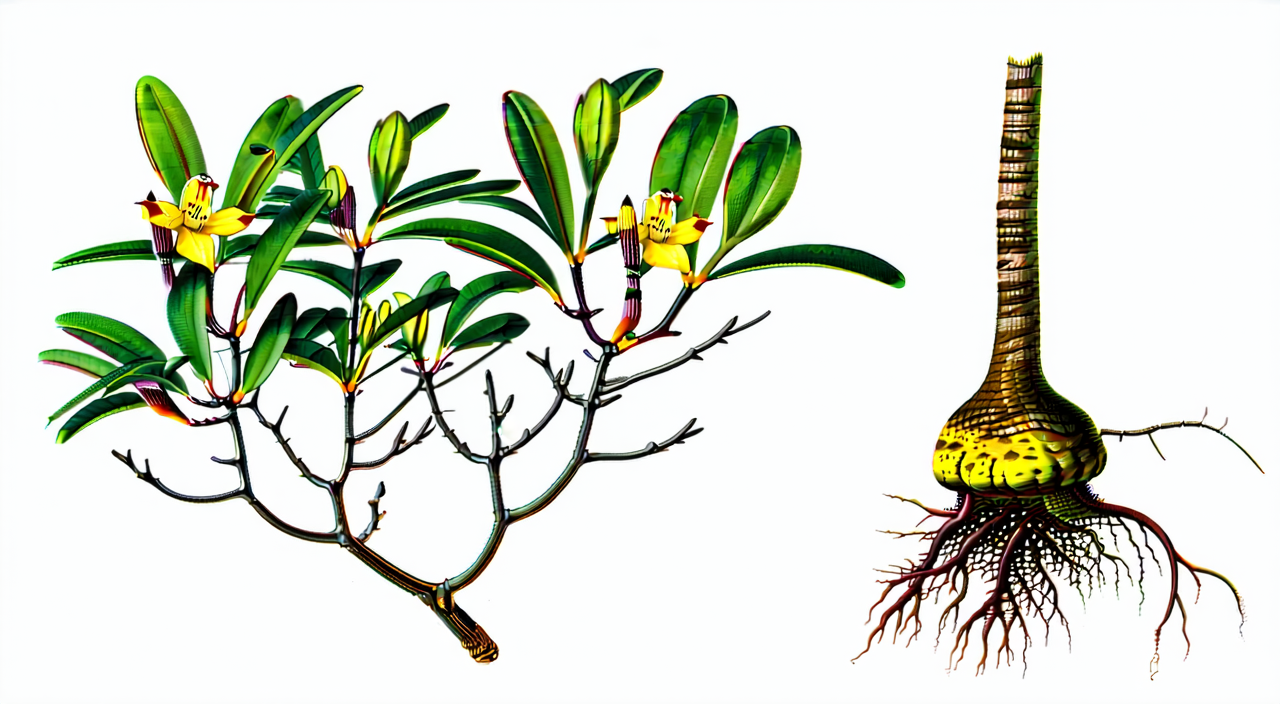
In some local references, mountain sesame is generally described as a shrub or small shrub. Its height and branching pattern may vary depending on the species, place of origin, and growing environment. The leaves are usually narrow or oblong, with relatively smooth margins in some plants. Their color may range from light green to dark green. The flowers often have a bell-shaped or nearly bell-shaped appearance and may be pale yellow, pink, or other colors. The flowering period may also vary according to the regional climate.
The underground parts are of particular interest when discussing identification and medicinal use. The roots are usually relatively slender and elongated. The outer root bark may be yellowish brown, reddish brown, or a combination of lighter and darker shades. When broken, the root may also show different textures and odors. The color, thickness, cross-section, and processing method of dried medicinal materials can be affected by harvest age, place of origin, and processing procedures. Therefore, no single appearance should be treated as the only identification standard.
Why Pictures Alone Are Not Enough for Identification
Regional medicinal plants may have different plants sharing the same name or the same plant being known by different names. The appearance of young plants, flowering plants, and dried roots may also differ considerably. When mountain sesame is mixed with other shrubs or wild root-based medicinal materials, identifying it solely by its narrow leaves, bell-shaped flowers, or yellowish-brown root bark creates a risk of misidentification. Identification should take into account botanical characteristics, specimen information, place-of-origin records, and local medicinal material standards. When necessary, it should be performed by an experienced professional. Unidentified wild plants should not be collected, boiled for consumption, or handled or tasted by children.
Which Parts of Mountain Sesame Are Used Medicinally?
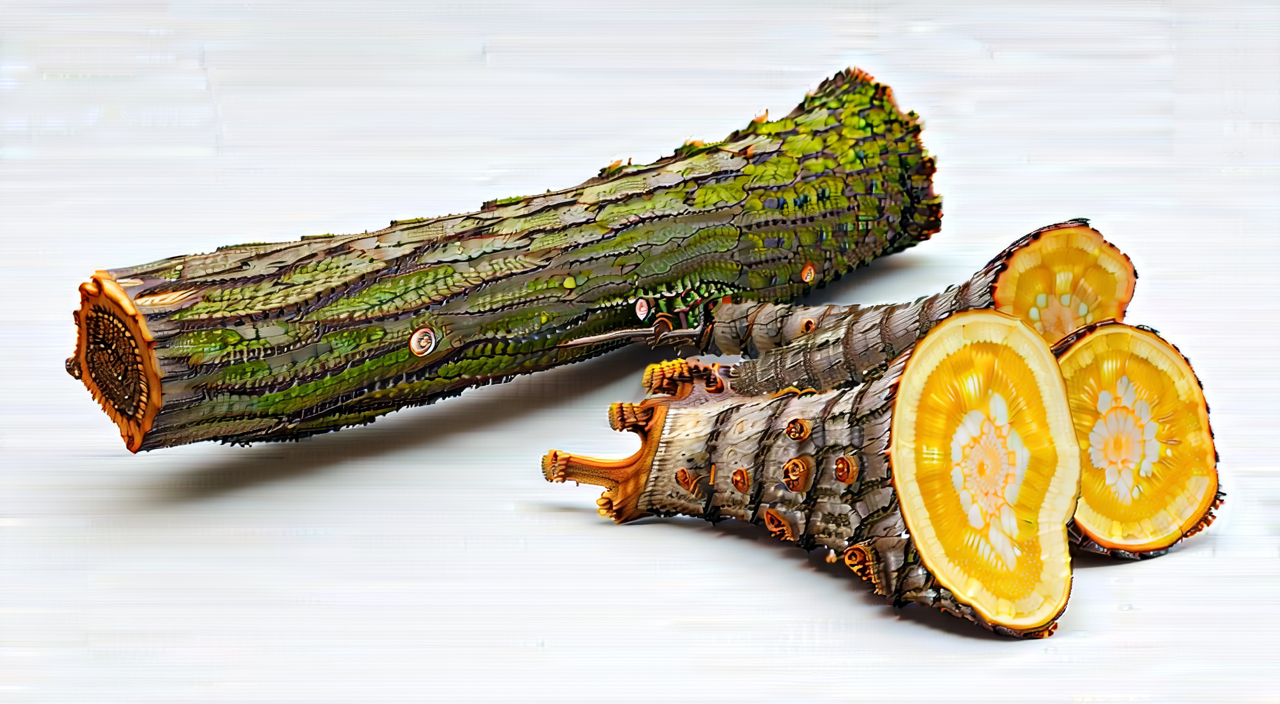
In traditional local use, the medicinal parts of mountain sesame generally refer to the root or root bark, rather than the fruit, seeds, or leaves. The roots need to be cleaned, sliced, and dried. Whether additional processing is required should be determined according to local standards, relevant pharmacopoeial listings, or the instructions for legally approved preparations. The chemical constituents and safety risks of different plant parts may not be the same. The fact that one part has been used traditionally does not mean that the entire plant is suitable for use.
During the circulation of medicinal materials, root-based materials with similar appearances may be misidentified or substituted. Roots collected in the wild may in particular contain other plants, be contaminated by soil, or become moldy because of improper harvesting or storage. Materials from unknown sources or with unclear labels, batch information, or quality data should be approached with caution.
How Is Mountain Sesame Viewed in Local Medicine?
In some local medical systems and traditional Chinese medicine contexts, mountain sesame has been associated with approaches such as clearing heat, detoxification, and soothing the throat. These descriptions mainly come from regional experience, folk herbal texts, or local medicinal traditions. They reflect historical usage contexts and do not constitute conclusions about disease treatment in the sense of modern medicine. They also should not be used to determine dosage, treatment duration, or suitable users without professional guidance.
Throat discomfort may be related to infection, allergies, reflux, environmental irritation, or other factors. Whether an herb or formula traditionally used for such purposes is suitable for an individual still depends on the symptoms, constitution, medical history, and professional advice. If a sore throat persists or recurs, or is accompanied by high fever, difficulty swallowing, abnormal breathing, or marked fatigue, consult a doctor promptly rather than relying solely on a local herbal remedy.
What Components and Risks Are Studied in Modern Research?
Modern research on mountain sesame often focuses on its botanical classification, chemical constituents in the roots, extract activity, and toxicological data. However, because different studies may use different species, plant parts, extraction methods, and doses, their findings cannot be directly equated with the effects of a particular batch of medicinal material in actual use. For regional medicinal herbs, confirming the botanical source and maintaining quality control are especially important.
In terms of safety, some root-based plants or their extracts may irritate the gastrointestinal tract. Excessive, prolonged, or inappropriate use may also increase the metabolic burden on the liver and kidneys. When available information is insufficient to establish a safe dose, mountain sesame should not be consumed long term as an everyday herbal tea or health beverage. If nausea, vomiting, abdominal pain, diarrhea, unusual urine color, yellowing of the skin or whites of the eyes, or marked fatigue occurs, stop using it without professional guidance and seek qualified help as soon as possible.
It is important to note that potential toxicity depends not only on the plant name but also on the specific species, medicinal part, processing method, amount used, frequency of use, and the individual’s health status. Pregnant or breastfeeding individuals, children, older adults, and people with liver or kidney disease or those taking medication should be particularly cautious and should not try mountain sesame from an unknown source without professional advice.
How Does Mountain Sesame Differ from Edible Sesame and Sophora Tonkinensis?
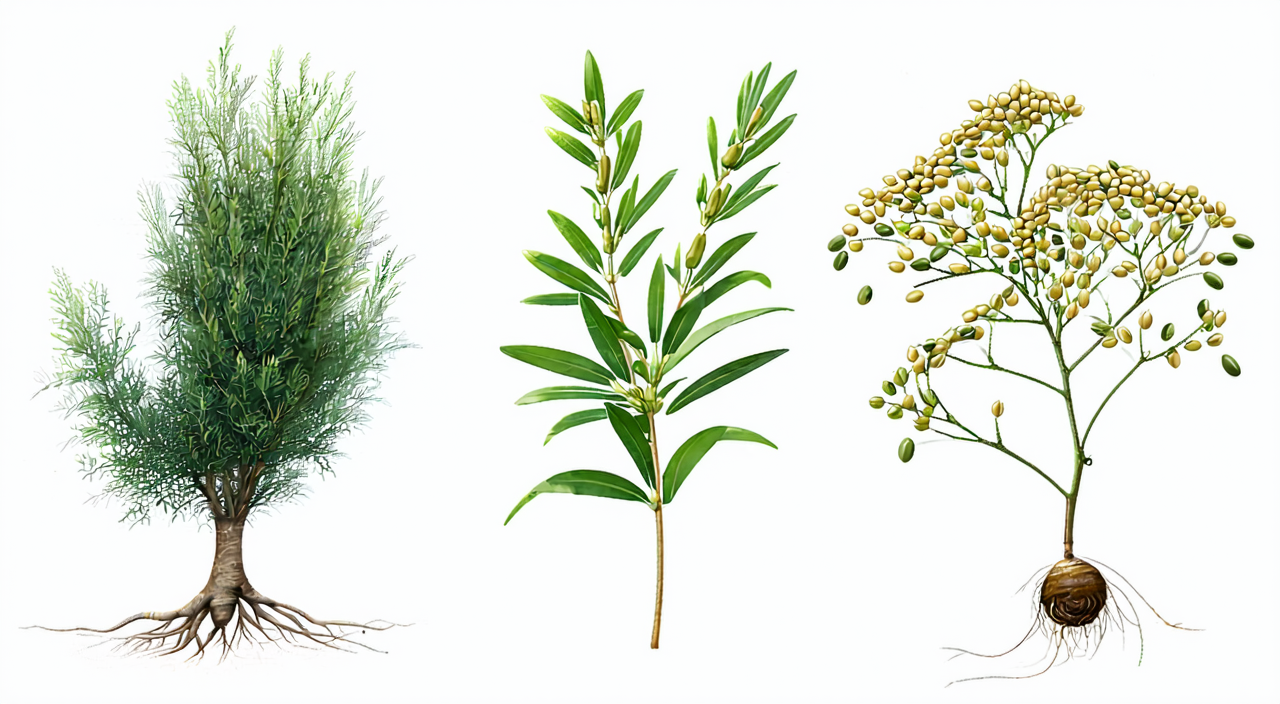
Mountain sesame and edible sesame are not the same plant. Edible sesame generally refers to sesame plants whose seeds are used as food, commonly in foods, cooking oils, and seasonings. In the context of regional medicinal materials, mountain sesame generally refers to certain shrub-like plants, with the root or root bark traditionally receiving attention. Their plant morphology, edible or medicinal parts, chemical composition, and safety requirements are all different. They must not be substituted for one another simply because both names contain the word “sesame.”
Mountain sesame should also not be confused with Sophora tonkinensis, another type of traditional medicinal herb with a different botanical source and different primary medicinal parts. Its commonly used medicinal parts are the root and rhizome, and it has its own safety considerations. Root-based medicinal materials on the market may look similar, making them even more difficult to distinguish by sight after drying. When materials have similar names or appearances, verify the standardized name, botanical source, medicinal part, and product label instead of substituting one based on experience.
What Is the Use Background of Local Throat-Soothing Preparations?
In some local medical systems, mountain sesame may be discussed as an ingredient in throat-soothing formulas or regional traditional combinations. Such formulas generally contain more than mountain sesame alone, and their composition, dosage, preparation method, and scope of use vary. For legally approved preparations, follow the packaging, product instructions, and regulatory information. Do not apply folk uses of a single herb to a finished product, and do not increase the dose or extend the duration of use on your own.
If you want to learn about local throat-soothing formulas or safer alternatives, first clarify the cause of the discomfort and your individual circumstances. Multiple formulas or traditional Chinese patent medicines should not be combined based solely on the name of a symptom. Pay particular attention to duplicate ingredients, drug interactions, and restrictions for special populations. A qualified professional can help determine whether a preparation is appropriate as an option to consider, rather than treating it as a self-diagnosis or self-treatment plan.
What Precautions Should Be Taken When Using Mountain Sesame?
First, do not collect, identify, or prepare it for consumption on your own. Wild plants may be confused with other plants sharing the same name, similar species, or contaminated materials, and improperly processed root bark may pose additional risks. Second, do not use mountain sesame long term as an herbal tea, tea substitute, or daily health supplement. The fact that something is “natural” does not mean that it cannot cause adverse effects. Third, children, pregnant or breastfeeding individuals, people with abnormal liver or kidney function, those with allergies, and people taking other medications should consult a doctor or pharmacist first.
When using a legally approved preparation, read the product information carefully and pay attention to contraindications, precautions, directions, dosage, and adverse reactions. If persistent vomiting, severe abdominal pain, black stools, yellowing of the skin, abnormal urine output, chest tightness, or abnormal breathing occurs after use, seek medical attention promptly. A sore throat that does not improve, keeps recurring, or is accompanied by significant fever, difficulty swallowing, weight loss, or anxiety should also receive professional evaluation.
Summary
Mountain sesame is generally a regional root-based medicinal material used in some areas, with medicinal discussions focusing mainly on the root or root bark. It is not the same as sesame grown for edible seeds and should not be confused or substituted with Sophora tonkinensis. Because its botanical source, plant part, and chemical constituents may vary, mountain sesame is not suitable for wild collection, self-prepared decoctions, or long-term use as an herbal tea. When choosing a related preparation, verify its source and product instructions, and seek professional advice for persistent throat discomfort or symptoms accompanied by obvious abnormalities. This article is for general educational reference only and cannot replace professional diagnosis or treatment advice.