
What Is Shiwei? Medicinal Parts, Identification, and Common Formulas
In traditional Chinese medicine, Shiwei (Pyrrosia leaf) is a commonly used herb, yet its name remains unfamiliar to many. Shiwei is the dried leaf of plants in the Polypodiaceae family, derived from Pyrrosia sheareri, Pyrrosia lingua, or Pyrrosia petiolosa. It is often used in patterns related to damp-heat or blood heat. For readers who wish to understand the leaf characteristics of medicinal plants, identification methods, and related common formulas, Shiwei provides a pathway to observe the thinking behind Chinese herbal medicine. The following will introduce it from aspects such as visual identification, medicinal parts, traditional understanding, differences from similar herbs, common formulas, and precautions for use.
What Does Shiwei Look Like? How to Identify It?
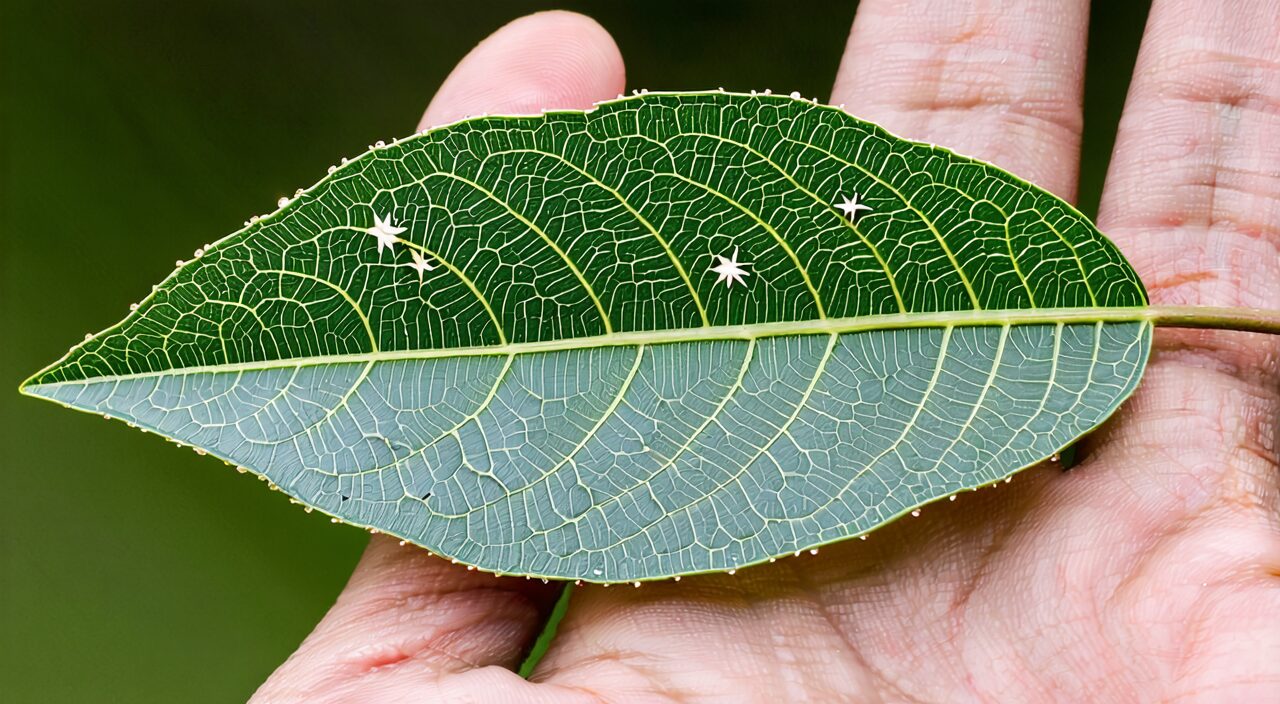
The leaf of Shiwei is usually lance-shaped or oblong-elliptic, with a leathery texture that feels stiff. The upper surface is generally yellowish-green or brownish-green, with some sunken dots; the underside is densely covered with stellate hairs, giving a velvety feel on touch. Whether fresh or dried, the lower surface is lighter in color. Under a magnifier, these stellate hairs appear radiating, which is an important identification feature of Shiwei.
In addition, neatly arranged sori (spore clusters) can be seen on the lower leaf surface, which are round or oblong and distributed between the lateral veins. The sori are light in color initially and turn brown when mature. Shiwei has no above-ground stem; the leaves grow directly from the rhizome. When collecting in the wild, one should judge based on multiple features including leaf shape, texture, stellate hairs, and sori to avoid confusion with similar-looking plants.
What Are the Medicinal Parts of Shiwei?
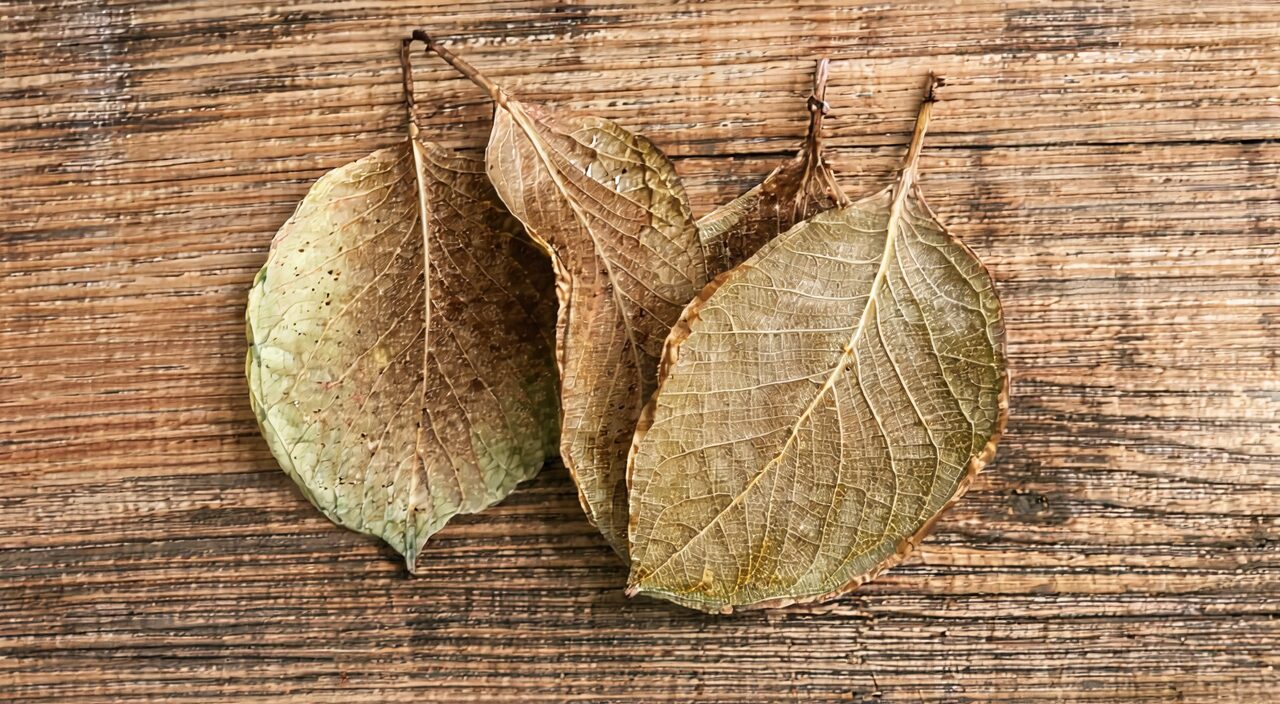
The medicinal part of Shiwei is its dried leaf. Harvesting is usually done in summer and autumn, selecting leaves that are mature but not overly aged. After harvesting, the rhizome and impurities are removed, and the leaves are washed and dried in the sun or by heat. In some regions, the leaves are tied into small bundles, or overlong leaves are cut. During processing, care should be taken to avoid excessive damage to the leaves, which reduces the shedding of stellate hairs and affects quality.
Commercially, better-quality Shiwei typically has intact leaves, abundant fuzz on the underside, brownish sori, and no impurities. Traditionally, based on the original plant source, a distinction is made between “large-leaf Shiwei” (such as from Pyrrosia sheareri) and “small-leaf Shiwei.” Their therapeutic directions are similar in practice, but there are slight differences in source and physical characteristics. Being aware of this helps to more accurately understand different commercial specifications.
How Does Traditional Chinese Medicine Understand Shiwei?
Traditional Chinese medicine usually understands Shiwei’s action from the perspectives of clearing heat and promoting free flow. Its nature and flavor are mostly recorded as bitter and sweet, slightly cold, and it enters the Lung and Bladder meridians. Bitterness can descend and drain, sweetness can moderate the middle, and cold can clear and resolve. Therefore, Shiwei is more often used in treatment plans related to damp-heat and blood heat.
The most common application ideas fall into three categories: first, promoting urination and relieving stranguria, targeting problems such as difficult urination, dribbling, and painful urination caused by damp-heat pouring down into the bladder; second, clearing the lungs and stopping cough, where Shiwei can help clear and descend lung qi for cough due to lung heat or phlegm-heat wheezing; third, cooling blood and stopping bleeding, used in conditions like blood-tinged urine or uterine bleeding due to reckless blood heat. It should be noted that these are only summaries of traditional experience. Whether they are suitable must be judged in light of an individual’s overall condition and by a professional, and cannot be directly equated with treatment protocols in modern medicine.
What Does Modern Research Say About Shiwei?
Modern phytochemical research has shown that Shiwei contains flavonoids, saponins, triterpenoids, polysaccharides, and other constituents. Some literature has focused on its diuretic, anti-inflammatory, and antitussive activities, and a few studies have explored its inhibitory effect on common bacteria associated with urinary tract infections. However, current conclusions are mostly based on animal experiments or in vitro tests; the scope and conditions for clinical application still need more evidence. Therefore, these findings mainly serve as a reference for understanding Shiwei’s traditional uses and should not be directly taken as a basis for use.
How Does Shiwei Differ from Mulberry Leaf and Plantain?
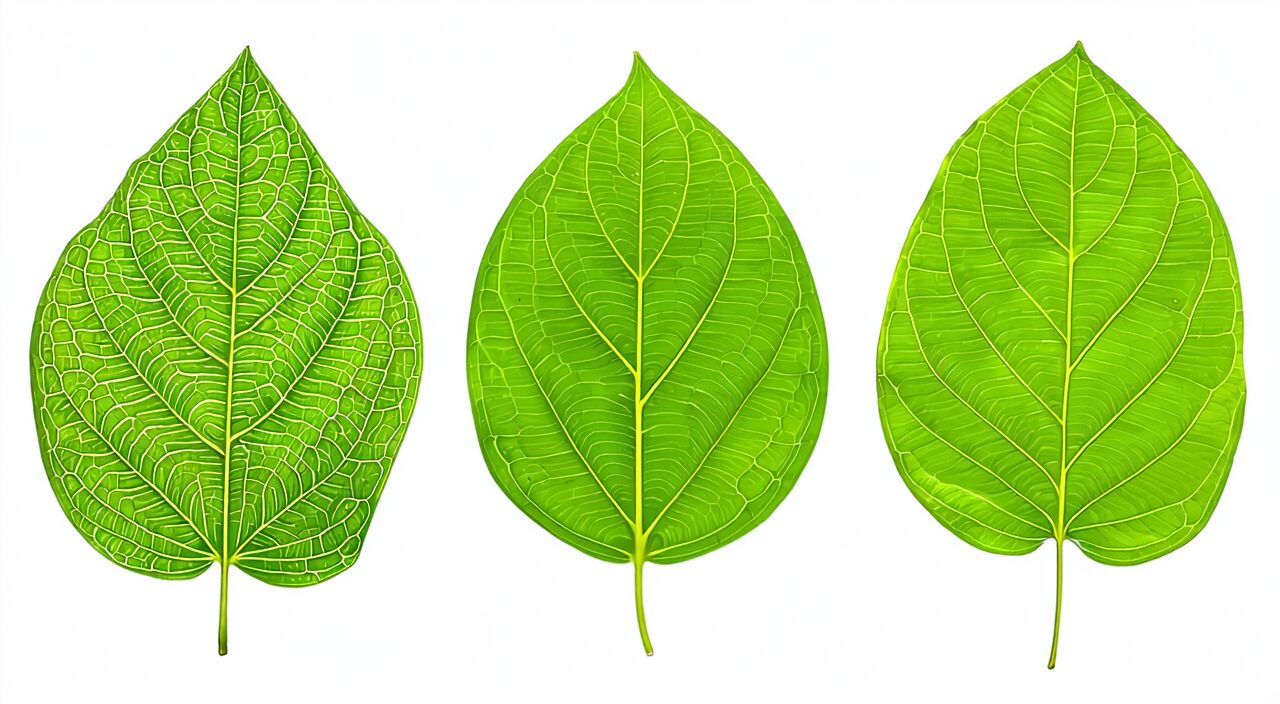
Shiwei, mulberry leaf, and plantain are all leaf-based medicinal materials and can be easily confused in appearance, but careful differentiation reveals several differences. Shiwei leaves are lanceolate or oblong-elliptic, leathery, with dense stellate hairs and sori on the underside, and have no or very short petioles. Mulberry leaves are ovate or broadly ovate, papery, with serrated margins, sparse hairs on the veins on the underside, a heart-shaped base, and usually a distinct petiole. Plantain leaves are ovate or elliptical, papery, basal, with parallel veins, a long petiole, and no stellate hairs or sori on the underside.
From the perspective of traditional application, Shiwei emphasizes promoting urination and relieving stranguria, clearing the lung and cooling blood; mulberry leaf tends to disperse wind-heat, clear the lung and moisten dryness, and is often used for wind-heat colds or liver-heat eye disorders; plantain is more oriented toward clearing heat, promoting urination, expelling phlegm, and cooling blood. Although all three can be used in the direction of promoting urination or clearing heat, their focuses and indications are different and they should not be substituted arbitrarily. If comparing and selecting by yourself, it is necessary to distinguish and choose based on specific manifestations and constitutional differences.
Which Formulas Use Shiwei?
In traditional formulas, Shiwei is often included as a component for promoting urination and relieving stranguria or for clearing heat and stopping bleeding. Three representative directions are as follows:
- Shiwei Powder: A classic formula for promoting urination and relieving stranguria. The original composition contains Shiwei, Dianthus (Qumai), Talc (Huashi), Plantain Seed (Cheqianzi), Cluster Mallow Seed (Dongkuizi), and others. The whole formula aims to clear and disinhibit damp-heat, relieve stranguria, and expel stones, often used for painful, difficult urination or sandy/stone stranguria caused by damp-heat in the lower burner. This formula focuses on disinhibition; those with a weak constitution or deficiency of yin fluids should use it with caution.
- Shiwei Decoction: Also uses Shiwei as the main herb, often combined with Japanese Thistle (Da Ji), Small Thistle (Xiao Ji), Gardenia (Zhizi), Rehmannia Root (Shengdihuang), and others, which cools blood and stops bleeding while also clearing and disinhibiting. It is traditionally used for bloody stranguria or blood-tinged urine with a blood-heat pattern. Since it involves hemostasis, the cause of bleeding should be clarified before use, and it should not be applied blindly on one’s own.
- Compound Shiwei Tablets: This is a modern Chinese patent medicine preparation, combining Shiwei with Astragalus (Huangqi), Sophora Root (Kushen), and others, commonly used for recurrent urinary discomfort caused by damp-heat in the lower burner, such as frequent urination, urgency, and painful urination. As a fixed-combination patent medicine, one should refer to the indications and contraindications on the package insert and seek professional advice to determine whether it is suitable.
The above formulas, within traditional Chinese medicine, are mostly developed from the perspectives of clearing damp-heat, disinhibiting waterways, or cooling blood and stopping bleeding. Different formulas target different situations and should not be mixed. If you are facing related troubles, you should consult a physician who can comprehensively evaluate your condition through the four diagnostic methods, and you should not self-prescribe based on these formulas.
What Precautions Should Be Taken When Using Shiwei?
Although Shiwei is commonly used to address damp-heat stranguria patterns or bleeding due to blood heat, it is not suitable for everyone. First, people with yin deficiency without damp-heat manifestations should not use it, because Shiwei’s nature tends to be cold and draining, which may worsen yin-fluid depletion. Second, if there is obvious urinary tract obstruction, such as an impacted stone or urethral stricture, relying solely on Shiwei to promote free flow may delay necessary surgical intervention, and one should promptly seek medical help for a clear diagnosis.
For bleeding conditions such as blood-tinged urine or uterine bleeding, if the cause of bleeding is unknown, or the blood color is pale with severe weakness, Shiwei should not be simply used to cool blood and stop bleeding; a clear diagnosis must be made first. In addition, wild Shiwei resources have received attention in some regions. When harvesting, it is recommended to avoid over-collection and to prioritize varieties from standard cultivation or with clear origins, in consideration of ecological protection. Finally, under any circumstances, long-term or high-dose use of Shiwei should be conducted under professional guidance, especially for pregnant women, children, the elderly, and those taking other medications.
Summary
Shiwei is a traditional medicinal material that uses the leaf. Its identification is based on key features such as lanceolate leathery leaves, stellate hairs on the underside, and sori. The medicinal part is the dried leaf, and harvesting and processing emphasize integrity and cleanliness. Traditional Chinese medicine uses its bitter, sweet, and slightly cool properties in directions such as promoting urination and relieving stranguria, clearing the lung and stopping cough, and cooling blood and stopping bleeding, while modern research has also identified some related constituents. When learning about Shiwei, one should note the differences in form and use from mulberry leaf and plantain, and when considering related formulas, one should judge according to one’s specific constitution and pattern, and should not apply them mechanically. This article is for general informational reference only. When matters involve personal medication or treatment direction, please consult a professional physician or pharmacist.