
What Is Suo Luo Zi? Medicinal Parts, Identification, and Common Formulas
Many Chinese-speaking users overseas first encounter Suo Luo Zi in the names of Chinese medicinal materials, traditional formulas, or botanical information related to horse chestnut trees. Suo Luo Zi comes from the mature seeds of the horse chestnut, Zhejiang horse chestnut, or Chinese horse chestnut. Because its appearance resembles that of some common nuts or fruit pits, it can easily be confused with other materials. It is important to note that the name of a medicinal material cannot be equated directly with the fruits of ornamental plants. Fruits produced by ornamental horse chestnut trees should not be eaten or used medicinally simply because they look similar.
What Does Suo Luo Zi Look Like? How Can It Be Identified?
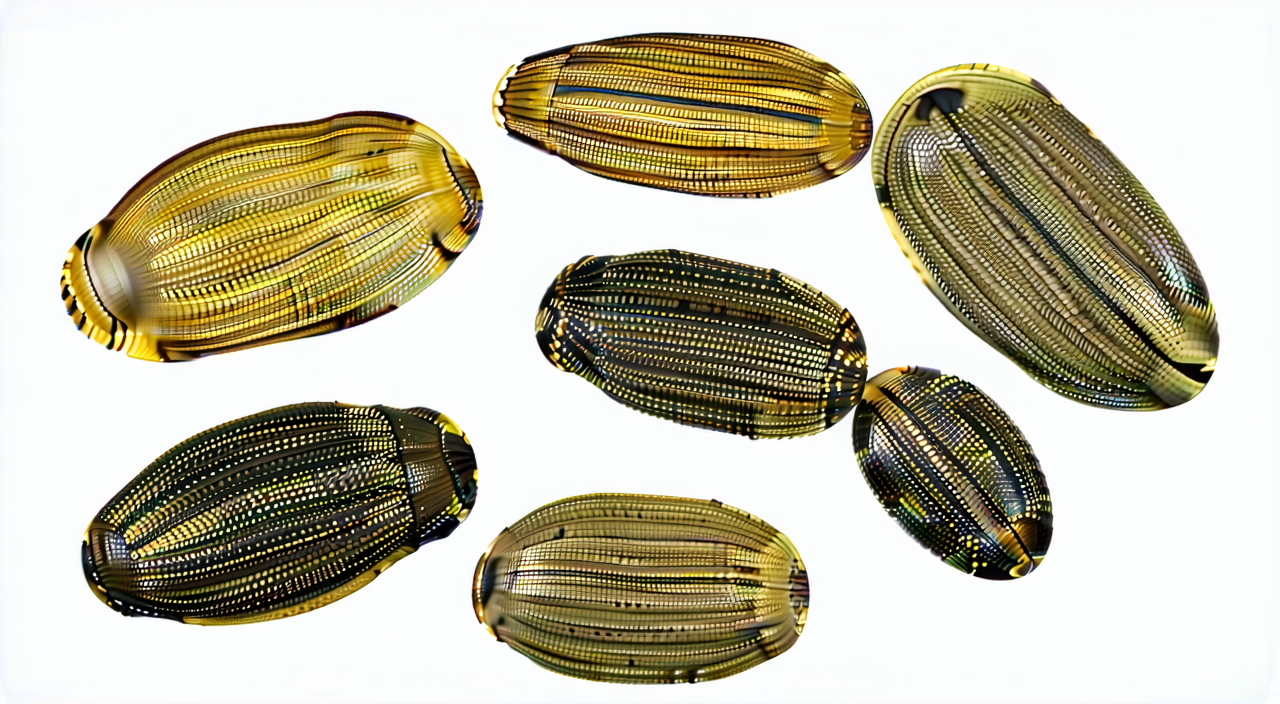
Suo Luo Zi is usually flattened and spherical, nearly spherical, or irregularly spherical. Its size can vary depending on the plant source, degree of maturity, and processing method. The surface is generally yellowish brown, brownish yellow, or brown. After maturity and drying, the seed coat becomes relatively hard, and the texture is usually drier and firmer than that of ordinary fresh fruit seeds. Some medicinal materials may show slight wrinkling, spots, or uneven coloration. These features should be assessed together with the source, processing method, and overall condition rather than identified by color alone.
One of the more distinctive identifying features of Suo Luo Zi is its hilum. The hilum is usually relatively broad and pale, appearing light yellowish white or light brown. It is located on one side of the seed or near the base, creating a contrast with the darker surrounding seed coat. Identification should consider the shape, color, hilum size, seed-coat texture, and odor together. Properly prepared herbal slices should generally be dry and free from obvious mold, insect damage, or unusual irritating odors.
In its natural botanical state, the fruit of the horse chestnut is usually enclosed in a husk covered with spines or spine-like projections. When mature, the husk splits open to reveal the seeds. Commercial medicinal materials usually have the outer husk removed and have been dried, so the complete fruits seen on ornamental trees cannot be used alone to determine medicinal identity. When identification is necessary, consult formal medicinal-material labels, source information, and qualified professionals whenever possible.
What Is the Medicinal Part of Suo Luo Zi?
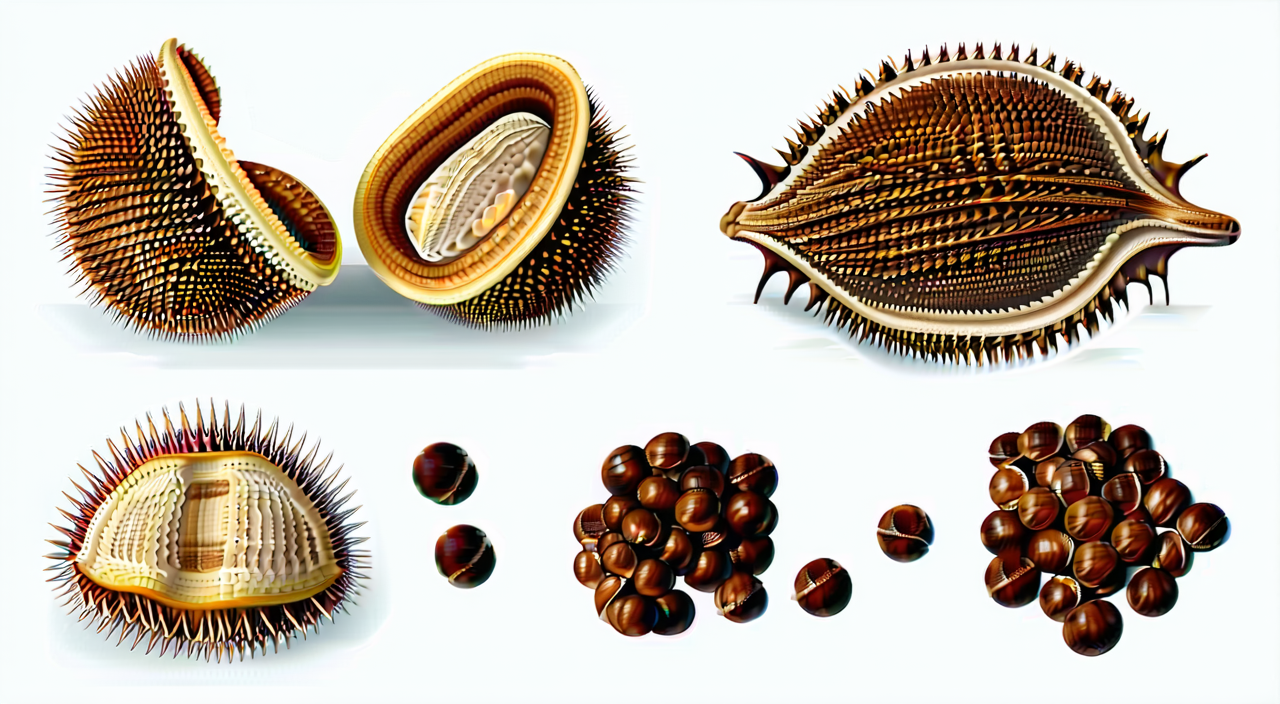
The medicinal part of Suo Luo Zi is the mature seed of the horse chestnut, Zhejiang horse chestnut, or Chinese horse chestnut. It is not the entire fruit, nor is it the bark, leaves, or inflorescence. The fruits are generally harvested after ripening, the outer husks are removed, and the seeds are extracted and dried to produce the commonly used Suo Luo Zi material. Differences in growing region, harvest time, and processing method may affect the color, size, and surface condition of the material.
From the perspective of medicinal use, sufficiently mature seeds are generally easier to preserve and process. After drying, the seed coat is relatively hard, while the internal tissue should not be noticeably damp, sticky, or moldy. Some traditional applications may involve additional processing according to the requirements of a specific formula. However, processing methods, dosages, and combinations are not the same for every product and should not be copied from online information without professional guidance.
It is also important to distinguish between a plant source and a medicinal standard. Even if a plant belongs to the horse chestnut genus, this does not mean that its fruits or seeds can automatically be used as Suo Luo Zi. Ornamental plants, cultivated varieties, and commercial medicinal materials may differ between regions. When purchasing or using the material, check the product information and seek assistance from a Chinese medicine practitioner or another qualified professional when necessary.
How Does Traditional Chinese Medicine Understand Suo Luo Zi?
Traditional Chinese medicine commonly discusses the applications of Suo Luo Zi in terms of soothing the Liver and regulating qi, harmonizing the Stomach, and relieving pain. According to this traditional framework, symptoms such as stagnant qi, chest or abdominal fullness, or discomfort in the epigastric region may be associated with patterns such as Liver–Stomach qi stagnation. Suo Luo Zi is therefore often understood within a formula strategy focused on regulating qi and harmonizing the middle burner. These “directions” reflect traditional theory and clinical experience; they are not equivalent to a diagnosis or treatment conclusion for a specific disease.
In traditional herbal texts and formula applications, Suo Luo Zi is generally not discussed as a stand-alone remedy without pattern differentiation. It is used together with other medicinal materials according to symptom characteristics, constitution, and formula compatibility. People with the same symptoms of abdominal distension, stomach discomfort, or pain may have different underlying causes, and their appropriate care strategies may also differ. Therefore, suitability cannot be determined solely from one symptom or the name of a medicinal material.
If discomfort recurs or is accompanied by significant anxiety, palpitations, chest tightness, persistent pain, severe abdominal pain, ongoing vomiting, black stools, unexplained weight loss, or other concerning symptoms, consult a doctor or qualified professional promptly and first rule out conditions requiring medical evaluation.
How Can Modern Research Be Viewed?
Modern research may examine the seed constituents, extract characteristics, quality control, and traditional applications of plants in the horse chestnut genus. Some studies may also investigate potential effects at the laboratory or basic research level. However, several factors—including dosage, preparation method, and individual differences—remain between experimental findings, constituent analysis, and everyday use. Preliminary results should not be interpreted directly as definitive efficacy against a particular disease.
Research on Suo Luo Zi products may also be influenced by the plant source, extraction method, processing technique, and sample size. When reading related information, consumers should distinguish between records of traditional use, basic experimental findings, and human studies that have undergone adequate validation. If the product is a proprietary Chinese medicine or a compound preparation, its complete formula, instructions, intended uses, and contraindication warnings should all be considered.
What Is the Difference Between Suo Luo Zi, Chestnuts, and Lychee Seeds?
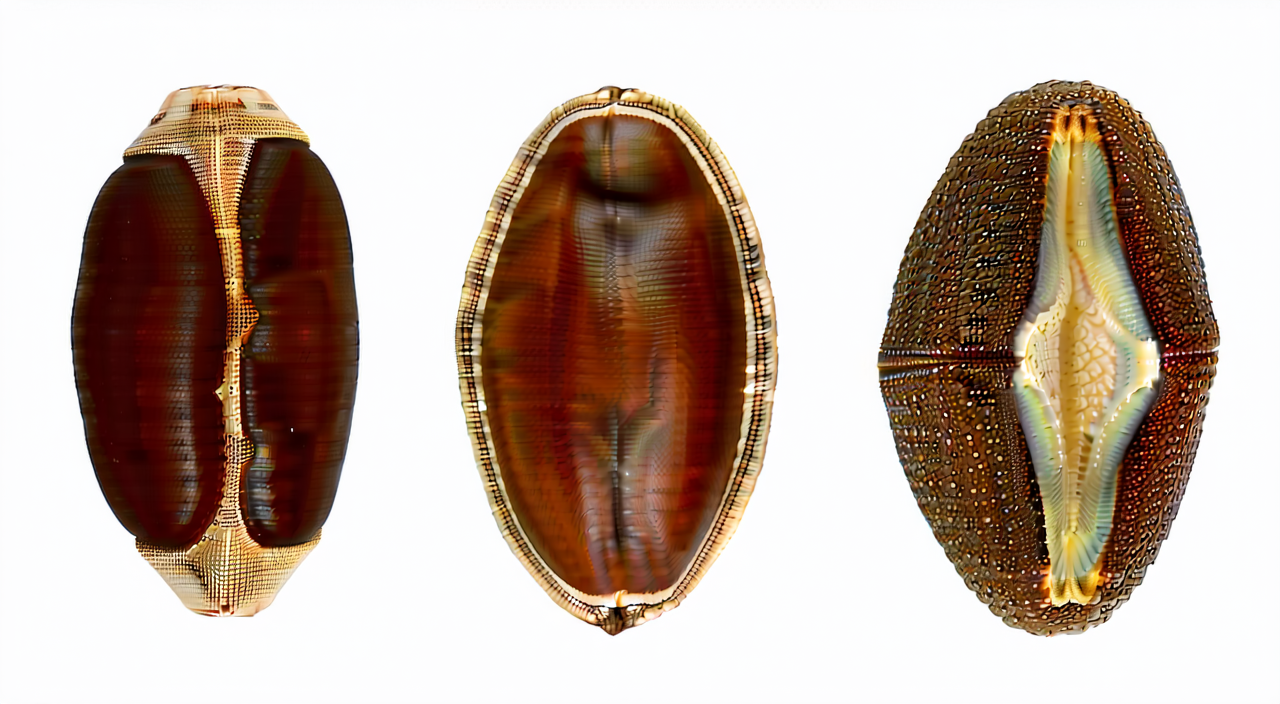
Suo Luo Zi, chestnuts, and lychee seeds may all appear as dried seeds or kernels, but their botanical sources, appearance, and hilum characteristics are different. Suo Luo Zi comes from the mature seeds of the horse chestnut, Zhejiang horse chestnut, or Chinese horse chestnut. It is usually flattened and rounded or irregular in shape, has a hard seed coat, and features a relatively conspicuous broad, pale hilum.
Chestnuts come from the fruit seeds of plants in the genus Castanea. Common chestnuts are usually hemispherical, oval, or relatively flat on one side, and their shell and seed-coat structure differ from those of Suo Luo Zi. Fresh chestnuts generally have a distinct shell and fuzzy inner layer. Even after shelling, they should not be confused with Suo Luo Zi based on color alone.
Lychee seeds are the seeds found inside lychee fruits. They are usually oval or elongated oval, brownish brown in color, and have relatively distinct lines or net-like wrinkles. Their overall outline is generally more elongated than that of Suo Luo Zi. The three materials differ in botanical source, hilum location, proportions, and traditional applications. When dealing with loose seeds of unknown origin, do not substitute one for another based only on photographs or similar appearance.
Which Traditional Formulas Contain Suo Luo Zi?
Traditional formulas or preparations containing Suo Luo Zi may include names such as Suo Luo Zi Wan and Suo Luo Zi San. It may also appear in formula strategies focused on regulating qi and broadening the middle burner. Formulas with the same name may differ in ingredients, dosage, preparation method, and intended uses depending on the classical text, manufacturer, or region. Therefore, the name alone cannot establish a formula’s specific function, and proportions found online should not be used to prepare a formula independently.
Suo Luo Zi Wan may be used as an example for understanding the traditional combination strategy involving Suo Luo Zi, while Suo Luo Zi San reflects the traditional designation of a powdered preparation. In traditional applications, these formulas may be discussed in relation to regulating qi, harmonizing the Stomach, and easing discomfort in the chest and abdomen. Whether they are suitable for a particular person still depends on constitution, symptoms, medical history, and the instructions for the specific product.
Formulas that regulate qi and broaden the middle burner can use a wide range of combinations. Some focus on promoting the movement of qi, while others also address harmonizing the Stomach, reducing distension, or other traditional objectives. People who are taking other medicines or supplements, or who are pregnant, breastfeeding, in childhood, or older adults, should be especially careful to verify the ingredients and usage requirements. Consider the product instructions and professional advice together, and do not treat a formula name as a basis for self-medication.
What Precautions Should Be Taken When Using Suo Luo Zi?
First, Suo Luo Zi should not be eaten raw, and fruits collected from ornamental horse chestnut trees should not be used directly as food or medicine. Fresh seeds, improperly processed seeds, and products of unknown origin may involve differences in constituents, sanitation risks, or misidentification. Suo Luo Zi should be obtained through a reliable channel and used according to the processing method and instructions for a regulated product.
Second, some people may experience gastrointestinal discomfort after using related seeds or preparations. If nausea, abdominal pain, diarrhea, unusual skin reactions, or other discomfort occurs, stop experimenting on your own and consult a qualified professional. Pregnant or breastfeeding individuals, children, older adults, and people with chronic gastrointestinal conditions, liver or kidney disease, or multiple medications should receive a professional assessment before use.
Third, medicinal-material identification should not rely on appearance alone. Different plants in the horse chestnut genus, ornamental tree species, and other similar seeds may be confused with one another. Chestnuts, lychee seeds, and other materials should not be substituted for Suo Luo Zi without proper verification. When purchasing, pay attention to compliant Chinese or local-language labeling, botanical source, medicinal part, processing status, and storage conditions. If symptoms are severe, persistent, or recurrent—especially when accompanied by marked anxiety, depression, palpitations, chest tightness, abnormal breathing, severe abdominal pain, persistent vomiting, black stools, or weight loss—seek medical attention promptly and do not delay necessary examinations.
Summary
Suo Luo Zi is the mature seed of the horse chestnut, Zhejiang horse chestnut, or Chinese horse chestnut. Its common features include a flattened or irregularly spherical shape, a yellowish brown to brown seed coat, and a relatively broad, pale hilum. In traditional Chinese medicine, it is generally understood in relation to soothing the Liver and regulating qi, harmonizing the Stomach, and relieving pain. Any related formula should be assessed according to its specific ingredients and the individual’s circumstances. Suo Luo Zi is not the same as ornamental tree fruit or other similar seeds. Before use, confirm the source, medicinal part, and product instructions. This article is for educational reference only and does not replace professional diagnosis or treatment advice.