
What Is Tu Jing Pi? Medicinal Parts, Identification, and Common Preparations
Many people first encounter the name Tu Jing Pi when learning about external treatments for ringworm-like conditions or traditional skin care. Tu Jing Pi is not a general term for ordinary tree bark; it is a Chinese medicinal material with a relatively specific source and scope of use. Because its potential for external irritation and the risks of misuse deserve attention, understanding what Tu Jing Pi is, which part of the plant is used medicinally, and how it differs from similar medicinal materials can help readers interpret product information more rationally. It should be noted first that Tu Jing Pi is primarily intended for regulated external use and should not be taken orally without professional guidance.
What Does Tu Jing Pi Look Like? How Is It Identified?
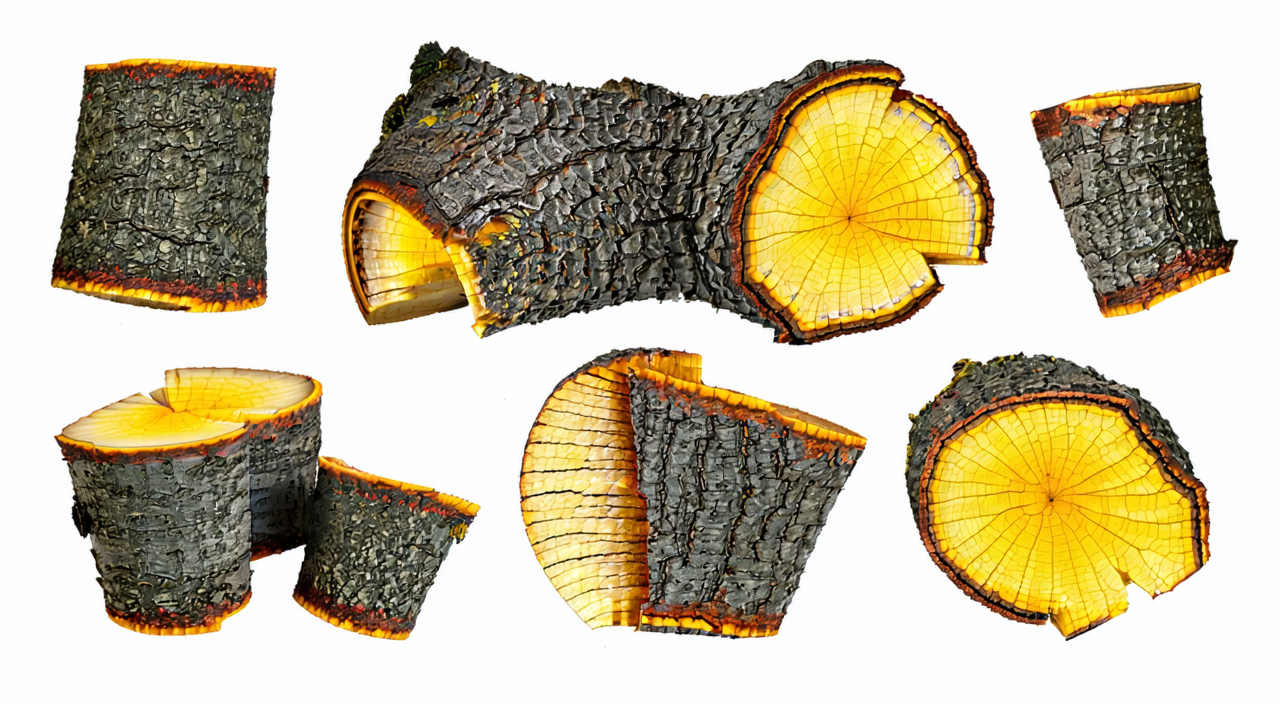
Appearance and Cross-Section Features
Traditional Tu Jing Pi usually appears as irregular pieces, trough-shaped sections, or rolled tubes, with variations in size and thickness. The outer surface is commonly grayish yellow, grayish brown, or reddish brown. It may be somewhat rough and may show longitudinal markings, cracks, or remnants of cork. The inner surface is relatively more yellowish brown and differs in texture from the outer surface.
When broken or cut, the cross-section often shows layered, fibrous, or overlapping sheet-like features. Dried material may be relatively brittle, but its appearance can be affected by the production region, harvested part, and processing condition. The odor is usually characteristic of bark-based medicinal materials, but its intensity should not be used as the sole basis for identification.
Color Alone Is Not Enough for Identification
Identifying what Tu Jing Pi looks like should not rely solely on online images or a single color characteristic. A complete identification generally also considers the source, material morphology, cross-section, odor, processing method, and, when necessary, professional authentication. After processing into slices, powder, or a compound preparation, a commercial product may no longer resemble the original medicinal material closely enough for visual identification.
If the material in hand has no clear source, or if the label only gives a vague name such as “tree bark,” it is not advisable to use it based solely on appearance. Tu Jing Pi can be confused with other bark-based medicinal materials in terms of names, appearance, and traditional uses. Similar appearance should never be treated as a reason to substitute one material for another.
What Is the Medicinal Part of Tu Jing Pi?
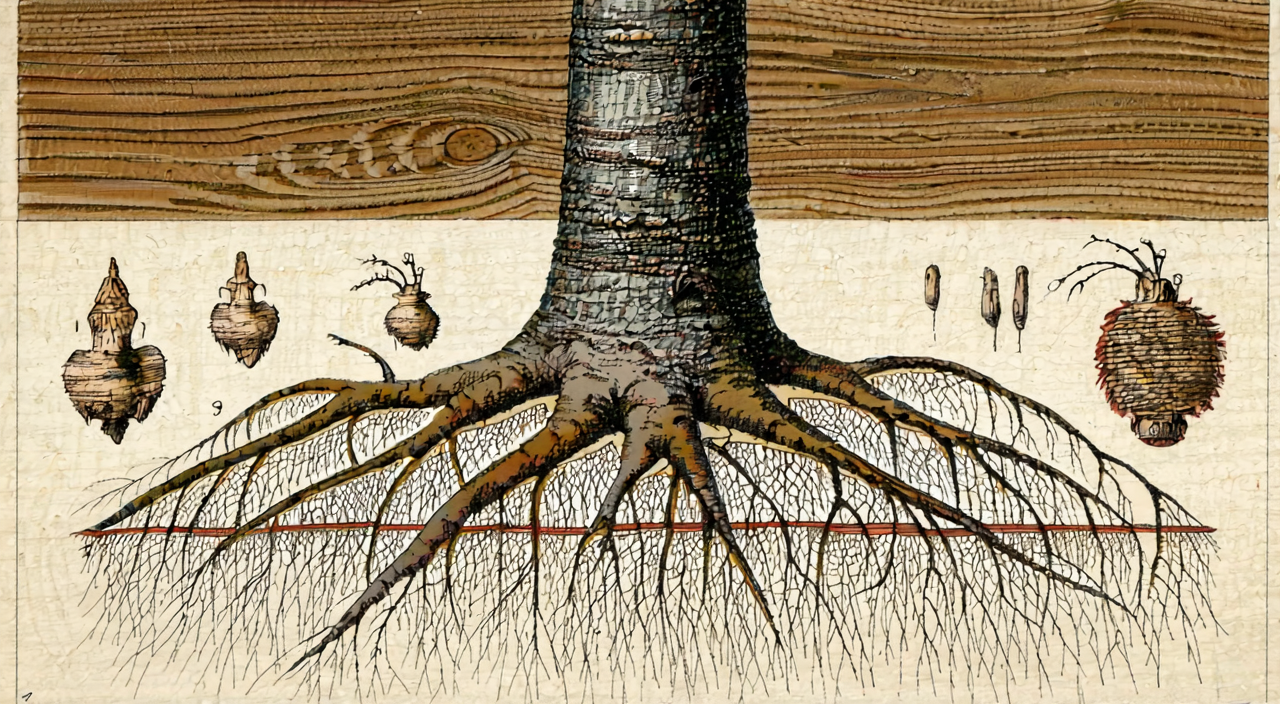
Tu Jing Pi comes from Pseudolarix trees. The parts traditionally used are mainly the root bark or bark near the roots—that is, the bark from the roots and the area close to the roots, rather than the outer bark of ordinary branches. After harvesting, it is generally peeled, sorted, and dried to form sliced or rolled medicinal material.
The Significance of Root Bark and Bark Near the Roots
Root bark and bark near the roots have specific meanings in medicinal-material standards. The chemical composition, texture, and traditional usage records of different plant parts may vary, so not all bark from a Pseudolarix tree can be directly called Tu Jing Pi. Confirming the source of the medicinal material is the basis for discussing subsequent external use and potential risks.
In overseas markets, some products may appear as infusions, tinctures, or compound preparations, meaning consumers may not see the original medicinal material directly. In such cases, pay close attention to the product name, ingredient label, intended application site, directions for use, and warnings. Do not purchase loose raw materials and formulate them yourself.
How Does Traditional Chinese Medicine Understand Tu Jing Pi?
Traditional Chinese medicine commonly understands Tu Jing Pi from an external-use perspective, including the traditional concepts of killing parasites and relieving itching. Historically, it has been used in external approaches for itchy skin and ringworm-like skin conditions. These traditional uses belong to the background of Chinese medicine knowledge; they do not constitute a diagnosis of a specific skin disease, nor do they mean that every rash is suitable for Tu Jing Pi.
Whether an external medicinal material is appropriate generally also depends on the appearance and extent of the skin lesion, whether it is oozing or damaged, and whether it is accompanied by pain, fever, or other symptoms. Skin problems may be caused by fungi, bacteria, allergies, irritation, or other factors. Similar appearances do not necessarily require the same treatment. If symptoms persist, recur, or interfere with daily life, consult a doctor or dermatologist.
From a usage perspective, Tu Jing Pi is more appropriately viewed as a local, short-term external medicinal material used according to instructions, rather than as a daily health product suitable for long-term application or self-directed oral use. When considering Tu Jing Pi tinctures or compound preparations, product instructions, individual circumstances, and professional advice should all be taken into account.
What Areas Does Modern Research Focus On?
Modern research has focused extensively on pseudolaric acid compounds associated with Tu Jing Pi, as well as the effects observed in in vitro studies or external-use research. Some research has examined their activity against certain skin microorganisms. However, laboratory research and pharmacological findings cannot be equated directly with actual results in human use, nor can they replace proper diagnosis and medication guidance.
Another important consideration is skin irritation. Tu Jing Pi and related preparations may cause irritation, a burning sensation, redness, dryness, or contact discomfort in some people, especially when the concentration is high, use is frequent, the application area is large, or the skin barrier has already been damaged. The solvent, concentration, and combination ingredients of different preparations can also affect how they feel on the skin.
If significant redness and swelling, burning pain, blisters, discharge, or rapid worsening of symptoms occurs after use, stop using the product promptly and seek professional advice. Do not increase the application frequency, extend the duration of use, or combine it with other irritating topical products in an attempt to achieve a stronger sensation.
How Does Tu Jing Pi Differ from Melia Bark and Dictamnus Root Bark?
Tu Jing Pi, Melia bark, and Dictamnus root bark may all appear in traditional knowledge concerning external skin use, but they are not the same medicinal material. They differ in source, medicinal part, odor, and traditional applications.
| Medicinal material | Common source and part used | Appearance or odor clues | Traditional application |
|---|---|---|---|
| Tu Jing Pi | Root bark or bark near the roots of Pseudolarix | Usually sliced or rolled; layered features may be visible in the cross-section | Traditionally understood for external use from the perspective of killing parasites and relieving itching |
| Melia bark | Bark or root bark of Melia and related plants | Its odor and bitterness may provide identification clues, but neither should be used alone for authentication | Traditionally recorded for different uses, including expelling parasites |
| Dictamnus root bark | Root bark of Dictamnus | Commonly found in rolled or sliced form, with a distinctive odor | Traditionally understood from the perspectives of clearing heat, drying dampness, dispelling wind, and relieving itching |
The table is intended only as an introductory reference and cannot replace medicinal-material authentication. The difference between Tu Jing Pi and Melia bark cannot be determined simply from the word “bark” in their names or from color. Dictamnus root bark should not be substituted for Tu Jing Pi merely because both are used in traditional skin-related applications. Their traditional uses and irritation risks differ, so both external and internal use should be based on a reliable source and professional advice.
What Are the Common Preparations of Tu Jing Pi?
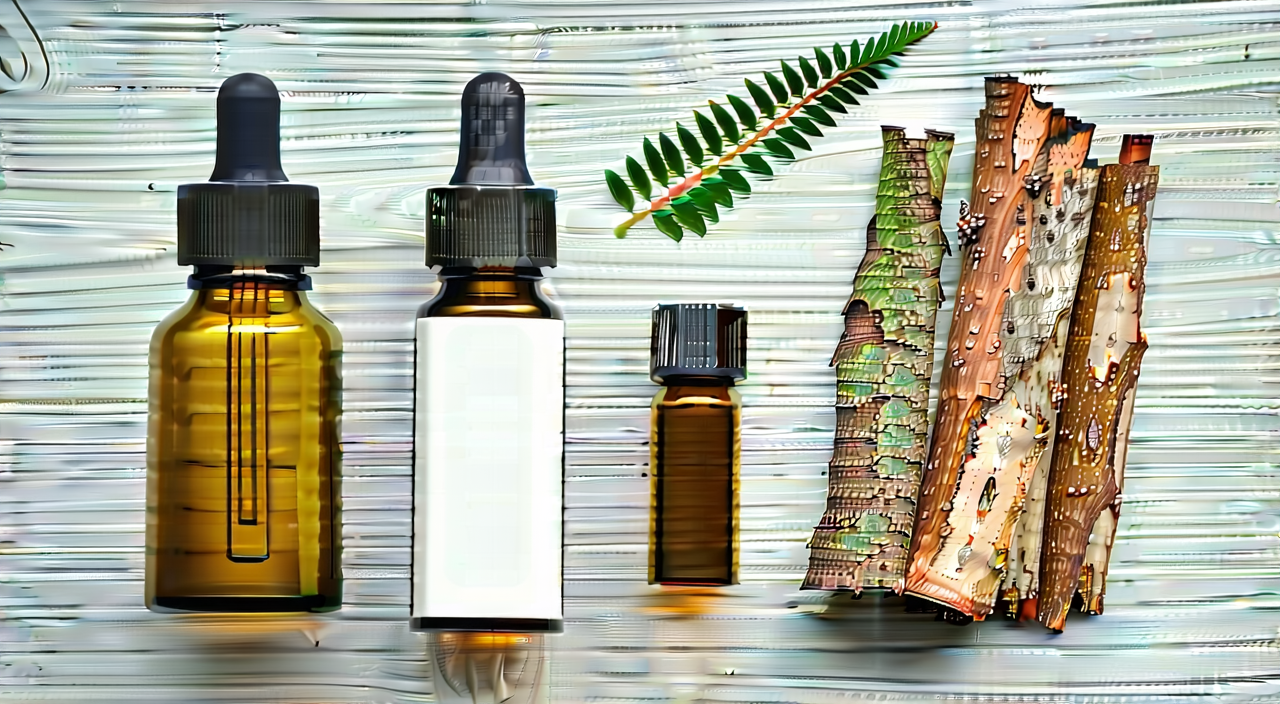
Tu Jing Pi Tincture
Tu Jing Pi tincture is generally an external liquid preparation made with extracts related to Tu Jing Pi. It is often convenient for local application, but the specific concentration, solvent, and frequency of use should follow the product label. Because liquids can run easily, avoid contact with the eyes, mouth, and other mucous membranes. It should also not be applied to visibly damaged or oozing skin.
Compound Tu Jing Pi Tincture
In addition to Tu Jing Pi-related ingredients, a compound Tu Jing Pi tincture may contain other medicinal herbs or active ingredients intended for external use. Approval information, formulas, and package inserts may differ between manufacturers and regions, so products with the same or similar names should not be assumed to be identical. Whether such a product is appropriate for a particular external-use purpose should be judged in light of the product information, skin presentation, and professional advice.
Approved External Treatments for Ringworm-Like Conditions
Some legally approved external treatments for ringworm-like conditions may also contain ingredients related to Tu Jing Pi. Whether such a product is appropriate depends first on local regulations, approval information, and the label. If a fungal infection is suspected—especially when the scalp, nails, face, genitals, or a large area of skin is affected—do not rely solely on traditional external preparations. Consult a doctor as soon as possible.
What Precautions Should Be Taken When Using Tu Jing Pi?
The most important precaution is that Tu Jing Pi must not be taken orally. Whether it is raw medicinal material, an infusion, or an external tincture, it should not be repurposed for oral use or used at a higher concentration or in a different dosage form without professional direction. Before use, confirm that the product is clearly labeled for external use and follow the stated method and application range.
Avoid the eyes, mouth, nasal passages, genitals, and other mucous membranes. Do not apply it to broken, eroded, visibly oozing, or freshly scraped skin. People who are pregnant or breastfeeding, children, older adults, and those with sensitive skin should consult a doctor or pharmacist before use. Anyone with a history of allergies to resins, alcohol, or other formulation ingredients should pay particular attention to the label.
Large-area, long-term, or frequent external use is not recommended. Do not use it at the same time as multiple exfoliating, acid-based, alcohol-based, or otherwise irritating products. When using it for the first time, cautiously observe your skin in accordance with the product instructions, but a small-area trial cannot rule out a later allergic reaction. If persistent stinging, severe itching, redness and swelling, blisters, breathing discomfort, or accidental ingestion occurs, stop using it immediately and seek medical help as appropriate.
If skin symptoms are severe, do not resolve over a long period, or recur repeatedly, or if they are accompanied by significant pain, fever, pus, rapid spread, facial swelling, or other concerning signs, consult a doctor or qualified professional. This article is provided for general educational reference about Chinese medicinal materials and cannot replace professional diagnosis or treatment advice.
Summary
Tu Jing Pi is a traditional Chinese medicinal material derived from the root bark or bark near the roots of Pseudolarix. It commonly appears in sliced or rolled form and is mainly considered for regulated external use. It is not the same medicinal material as Melia bark or Dictamnus root bark, and tinctures and compound preparations should be used according to their labels. Tu Jing Pi must not be taken orally and should be kept away from mucous membranes and damaged skin. Large-area or long-term use should be avoided, and specific circumstances should be discussed with a qualified professional.