
What Is Tu Niuxi? Its Medicinal Parts, Identification, and Common Formulas
Tu Niuxi is a name that is easily confused in discussions of Chinese medicinal materials and local herbal remedies. Because the name contains “Niuxi,” many people directly associate it with the pharmacopoeial Niuxi, Huai Niuxi, or Chuan Niuxi. In practice, however, this is not always correct. Depending on the region, Tu Niuxi may refer to local botanical sources such as Achyranthes aspera, Achyranthes longifolia, or other regional plants. Their botanical origins, medicinal parts, and customary uses may also differ. Therefore, to understand what Tu Niuxi is, it is important to consider its place of origin, botanical source, and applicable local standards rather than relying solely on the commercial name.
What Does Tu Niuxi Look Like? How Is It Identified?
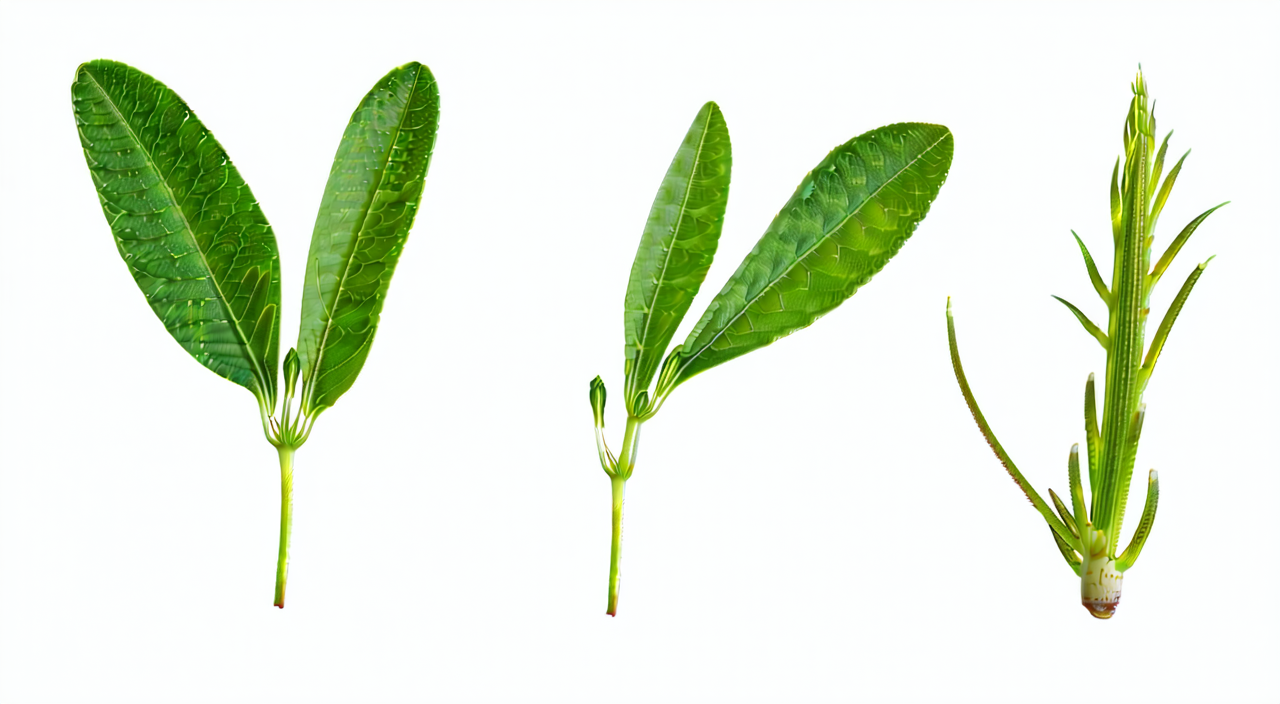
Tu Niuxi is generally a perennial herb. The plant usually grows upright, with relatively firm stems. Some local botanical sources may have fine hairs or longitudinal ridges on the stem surface. The leaves are generally simple and may be elliptic, lance-shaped, or similar to willow leaves. Their margins are usually fairly smooth, while the position and size of the leaves may vary according to the botanical source and growth stage.
Its inflorescences are often spike-shaped, with slender flower spikes and densely arranged flowers around the spike axis. When mature, the inflorescences may appear dry and firm. Some small flowers or fruits can easily attach to clothing or animal fur. It is important to note that wild or locally sourced Tu Niuxi does not have completely consistent plant height, leaf shape, stem hairs, or inflorescence density. Accurate identification is often difficult based on a single photograph or one external feature alone.
The root is an important part to examine when identifying this type of medicinal material. Tu Niuxi roots are generally slender, with surfaces ranging from yellowish brown and grayish yellow to reddish brown. The roots vary in thickness and may sometimes be branched. Commercial products are often washed, cut into sections, or dried. The cut surface may range from yellowish white to light brown, while the texture and fibrous nature may vary according to the botanical source, harvesting time, and processing method. If the material has an obviously unusual appearance, an excessively pungent odor, or contains a large amount of unidentifiable stems and leaves, it should be treated with caution. Its source and labeling information should be checked first.
What Are the Medicinal Parts of Tu Niuxi?
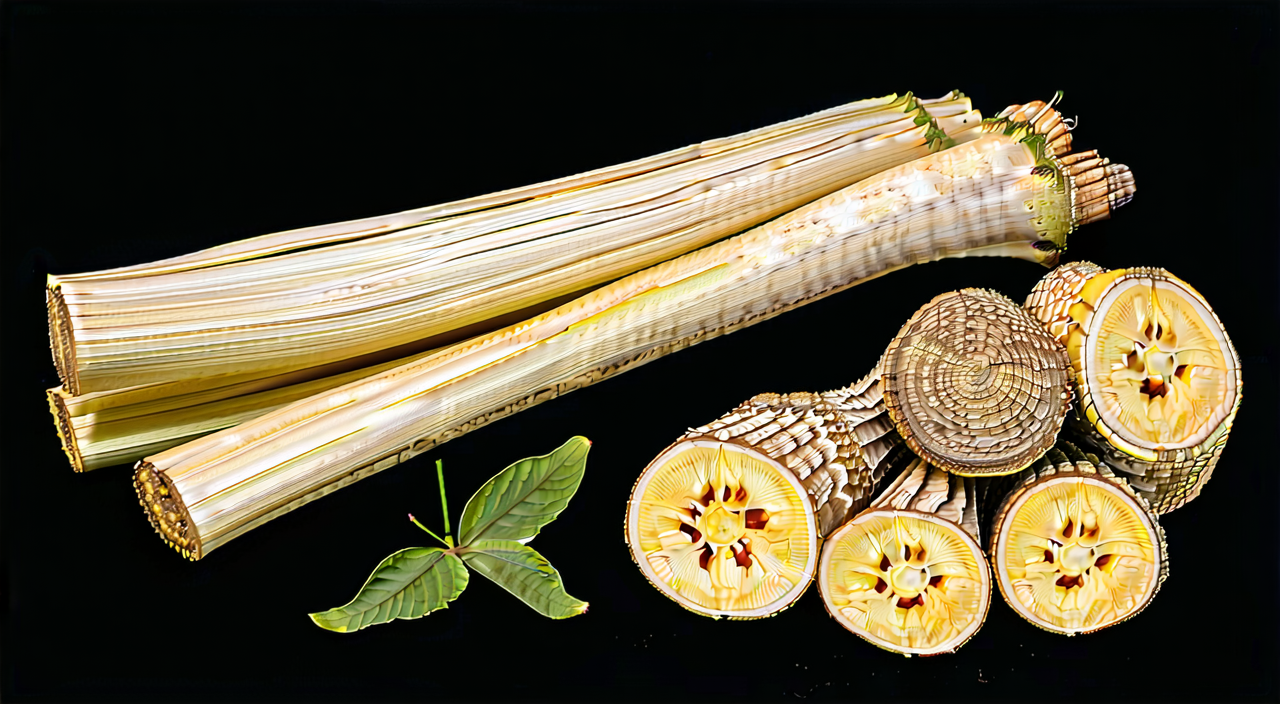
There is no single answer that applies to the medicinal parts of Tu Niuxi in every region. In many local practices, the root is primarily used, especially after washing, cutting, and drying. Some regional medical traditions or folk practices may also use the whole herb or collect the aerial parts during a particular season. Therefore, when you see the name “Tu Niuxi,” you should also confirm the botanical source, medicinal part, place of origin, and applicable production standard listed for the product.
The root is the more common form found on the market. After cutting, the outer skin, xylem, and finer fibrous structures can be observed. Use of the whole herb includes the stems, leaves, inflorescences, and roots, and its characteristics, storage methods, and traditional applications may differ. The root and the whole herb should not simply be regarded as the same medicinal material, nor should they be substituted for one another without professional evaluation.
Chinese-speaking users overseas should pay particular attention to differences in product naming across countries and regions. The same common name may refer to different plants, while one plant may also have several local names. Before purchasing or using the product, it is advisable to check the Latin name, medicinal part, place of origin, batch information, and testing details on the packaging. If the information is incomplete, its identity should not be judged solely by its Chinese common name.
How Do Regional Medical Traditions Understand Tu Niuxi?
Traditional Chinese medicine and regional medical traditions often discuss Tu Niuxi in relation to approaches such as clearing heat, soothing the throat, promoting blood circulation, and promoting urination. However, differences may exist among classical texts, regions, and specific botanical sources. Some local practices use it in traditional approaches related to throat discomfort, hoarseness, or localized sensations of heat. Other uses focus on difficulty urinating, painful or obstructed urination, or blood stasis. These descriptions refer to traditional applications and do not constitute a diagnosis or treatment conclusion for any specific disease.
From the perspective of traditional Chinese medicine pattern differentiation, the same throat discomfort or difficulty urinating may be associated with different constitutions and patterns. Whether Tu Niuxi is appropriate cannot be determined from a single symptom alone. Other medicinal materials may also be combined in formulas to reflect different approaches, such as clearing heat, promoting blood circulation, promoting urination, or soothing the throat. The use of Tu Niuxi decoctions, powders, or regional formulas should therefore be assessed in light of the symptoms, constitution, source of the medicinal material, and professional advice.
What Can Modern Research Tell Us About Tu Niuxi?
Modern research generally examines Achyranthes species and related plants from the perspectives of phytochemical constituents, in vitro experiments, animal studies, and quality identification. If the botanical sources differ, the chemical constituents and experimental findings may also differ. Findings from one plant cannot be directly applied to every regional medicinal material called Tu Niuxi.
Current understanding of Tu Niuxi should continue to emphasize sample source, extraction method, dosage, and research type. In vitro and animal studies may help clarify potential areas of interest, but they do not prove effects in humans and cannot replace standardized clinical evaluation. When reading related information, consumers should avoid interpreting experimental findings as definitive efficacy claims and should distinguish among traditional experience, experimental observations, and formal medical advice.
How Does Tu Niuxi Differ from Huai Niuxi and Chuan Niuxi?
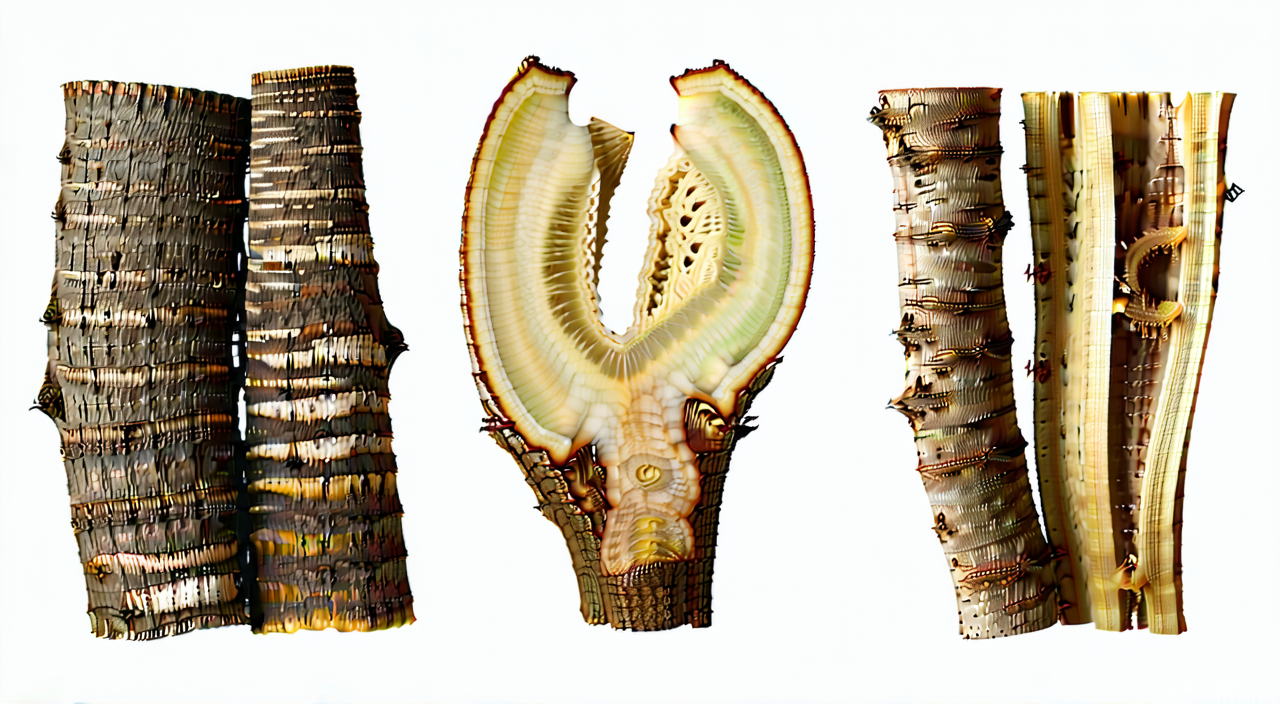
Although Tu Niuxi, Huai Niuxi, and Chuan Niuxi have similar names, their sources and degree of standardization are not exactly the same. Huai Niuxi is commonly used as a commercial name for Niuxi from a traditional producing region and is often associated with traditional origins in areas such as Henan. Chuan Niuxi generally refers to another type of medicinal material with a corresponding botanical source and regional production tradition. They may differ in root thickness, outer-skin color, cross-sectional features, texture, and emphasis in traditional use.
Tu Niuxi is more commonly used as a local name or in regional usage contexts. Specifically, it may refer to Achyranthes aspera, Achyranthes longifolia, or another locally recognized botanical source. In other words, “Tu” does not automatically indicate one fixed plant, nor does it simply mean ordinary Niuxi or lower-quality Niuxi. If a prescription specifically calls for Niuxi, Huai Niuxi, or Chuan Niuxi, the choice should follow the prescription and a standardized source. Local Tu Niuxi should not be substituted without professional guidance.
Identification may involve examining the plant, root, cut surface, and odor, while also checking the place of origin and applicable standards. For dried herbal slices, appearance alone is often insufficient for accurate identification. When necessary, the material should be assessed by a Chinese medicine practitioner, medicinal-material identification specialist, or another qualified professional.
Which Formulas Use Tu Niuxi?
Regional medical literature includes Tu Niuxi Decoction, Tu Niuxi Powder, and local formulas based on approaches such as soothing the throat or promoting urination. The ingredients, dosages, preparation methods, and descriptions of appropriate use may vary among regions. Formulas with the same name do not necessarily contain exactly the same combination of ingredients. When reviewing such information, it is important to verify not only the formula name but also the specific medicinal materials, amounts, and preparation method.
In some traditional practices, Tu Niuxi Decoction is combined with other ingredients in approaches related to the throat or blood stasis. Depending on the region, Tu Niuxi Powder may be used in approaches related to soothing the throat, promoting urination, or other traditional indications. Local formulas for soothing the throat and promoting urination are also often combined with other herbs. The actual choice should take into account the nature and duration of symptoms, constitution, and previous medication use. These formulas may be studied as examples of traditional applications, but they should not be used as a basis for creating a prescription or taking the herbs long term without professional guidance.
If symptoms are severe, persistent, or recurrent, especially when accompanied by significant pain, fever, abnormal breathing, palpitations, chest tightness, blood in the urine, severe abdominal pain, persistent vomiting, black stools, or unexplained weight loss, consult a doctor or qualified professional promptly. Do not rely solely on regional herbal remedies for self-care.
What Precautions Should Be Taken When Using Tu Niuxi?
First, the source and botanical identity should be taken seriously. Because the name Tu Niuxi varies by region, products with an unclear source, incomplete labeling, or no information about the medicinal part should not be used casually. Do not treat an unidentified wild plant as prescription Niuxi, and do not substitute a local product for Huai Niuxi, Chuan Niuxi, or standardized Niuxi specified in a prescription simply because their names are similar.
Second, people who are pregnant, trying to conceive, experiencing excessively heavy menstrual bleeding, or showing a clear tendency to bleed should exercise caution with Tu Niuxi products and consult a doctor or Chinese medicine professional before use. People taking anticoagulant or antiplatelet medications, or those preparing to undergo surgery, should also proactively inform a healthcare professional about their medications and herbal products.
Children, older adults, people with abnormal liver or kidney function, and those taking multiple medications should not determine dosage or treatment duration solely from an online article. If a rash, gastrointestinal discomfort, dizziness, or any other unusual reaction occurs after use, stop self-administering the product and seek professional advice. The specific product should be assessed together with its instructions, individual circumstances, and professional recommendations.
Summary
To understand what Tu Niuxi is, the key is to first confirm its local botanical source and medicinal part. It may refer to regional medicinal materials such as Achyranthes aspera or Achyranthes longifolia. The root is the most commonly used part, although some regions use the whole herb. It should not be directly equated with Huai Niuxi, Chuan Niuxi, or the Niuxi recognized by a pharmacopoeia. Tu Niuxi Decoction, Tu Niuxi Powder, and regional formulas for soothing the throat or promoting urination represent traditional areas of use. Whether they are appropriate depends on the source, constitution, symptoms, and professional advice. This article is for general educational reference only and cannot replace professional diagnosis or treatment advice.