
What Is Cuscuta? Medicinal Parts, Identification Methods, and Common Formulas
Cuscuta (Tu Si Zi) is a commonly used herb in TCM formulas, derived from the dried ripe seeds of Cuscuta australis or Cuscuta chinensis, plants of the Convolvulaceae family. The plant has slender, thread-like stems that often twine around and parasitize other plants, and its seeds are tiny and numerous—hence the name “Tu Si Zi” (dodder seed). For TCM enthusiasts abroad, understanding what it looks like, which part is used medicinally, how it differs from Shayuanzi, and which formulas commonly include it provides more practical help than simply memorizing a name.
What Does Cuscuta Look Like? How to Identify It
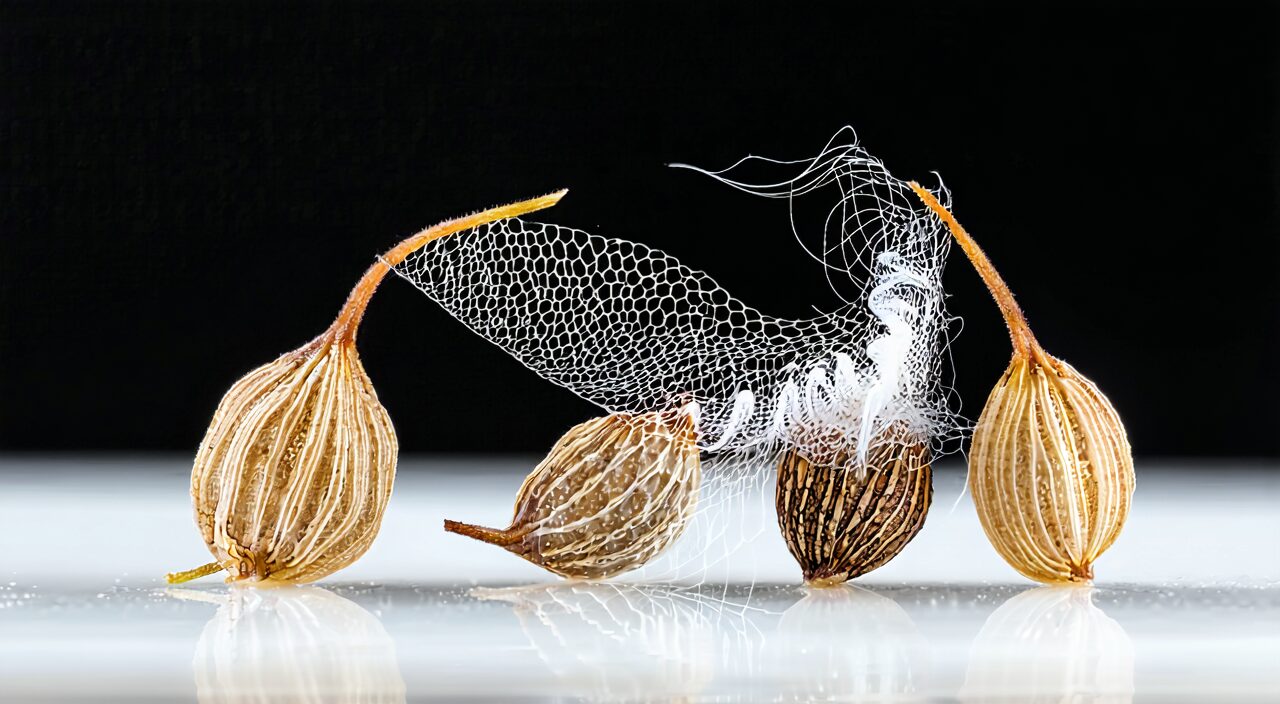
The seeds of Cuscuta are very small, approximately spherical or slightly ovoid, about 1–2 mm in diameter, with a grayish-brown or yellowish-brown surface; upon close inspection, fine net-like striations are visible. One end of the seed has a slightly sunken hilum. The texture is hard and not easily crushed.
A classic identification method is the boiling test: when placed in water and heated, the seed coat ruptures to reveal a yellowish-white, curled, thread-like embryo, as if a fine thread unfurls. This characteristic is not commonly seen in other seeds of similar shape, making it a practical distinguishing feature. When tools are unavailable, observing the surface reticulation and size with a magnifying glass can also improve identification accuracy.
What Is the Medicinal Part of Cuscuta?
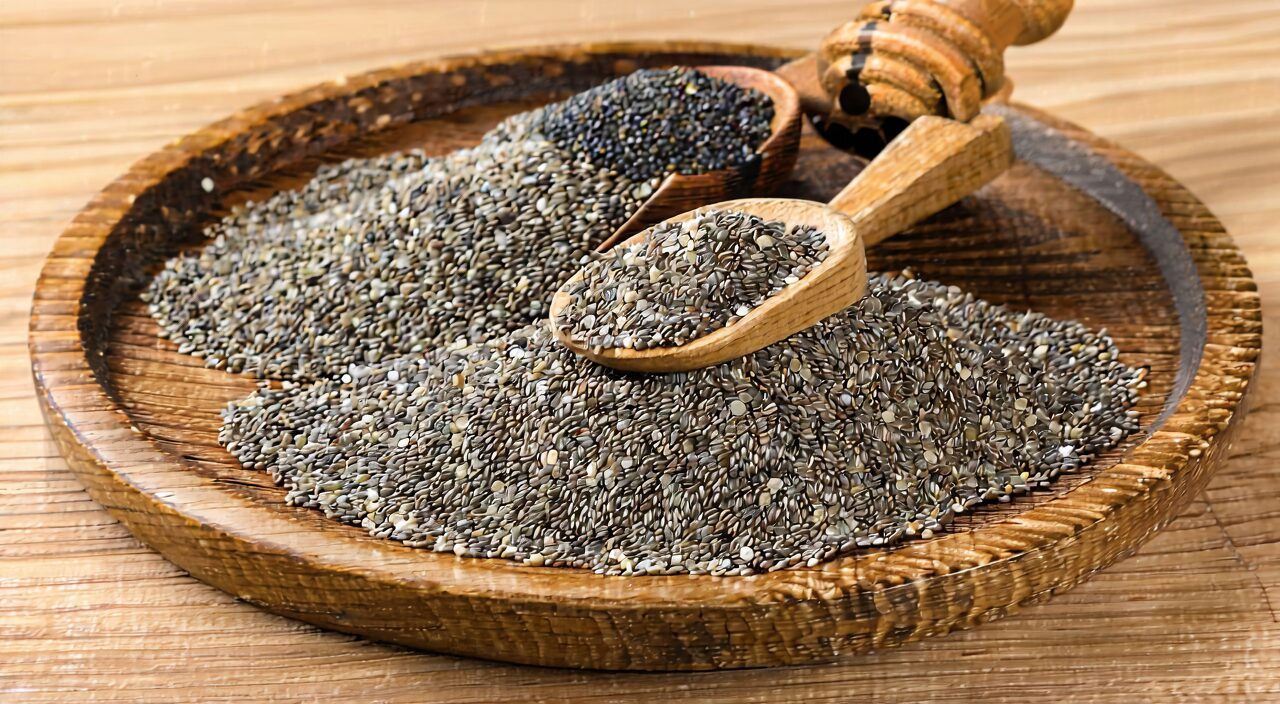
The medicinal part of Cuscuta is the ripe seed. Harvesting occurs in autumn when the plant withers; the entire plant along with its host is cut, dried in the sun, then the seeds are beaten out and impurities removed to obtain raw Cuscuta. Commercially available Cuscuta mostly appears as tiny granules, yellowish-brown or grayish-brown, with a faint odor and mild taste. Sometimes it is processed by stir-frying with salt water for easier dispensing; salt-processed Cuscuta has a slightly salty taste and a darker color.
In prepared form, Cuscuta is usually used as whole seeds in decoctions, or ground into powder for pills and powders. Understanding its processing helps in checking for mold, insect infestation, or adulterants when selecting the herb.
How Does TCM Understand Cuscuta?
Traditionally, Cuscuta is considered a yang-tonifying herb but leaning more towards balanced tonification. Its nature and flavor are acrid and sweet, neutral; it enters the Liver, Kidney, and Spleen meridians. Ancient practitioners observed that it excels at tonifying the liver and kidneys, securing essence and reducing urination, calming the fetus, brightening the eyes, and stopping diarrhea.
In traditional understanding, Cuscuta is often linked to patterns of liver and kidney insufficiency manifesting as soreness and weakness of the lower back and knees, dizziness, tinnitus, frequent urination, blurred vision, and threatened miscarriage. However, it is not a drastic tonic; rather, it gently and steadily replenishes to gradually strengthen kidney qi and liver blood. This characteristic also determines its role as an associate ingredient in formulas rather than a single strong remedy.
However, individual constitutions vary greatly, and the same symptoms may stem from different underlying causes. Whether Cuscuta is suitable requires comprehensive assessment based on tongue diagnosis, pulse examination, and the overall condition.
What Components and Effects of Cuscuta Are Studied in Modern Research?
Modern phytochemical studies show that Cuscuta contains flavonoids (such as hyperoside and kaempferol glycosides), polysaccharides, alkaloids, organic acids, and other components. Some experimental studies have observed that Cuscuta extracts exhibit antioxidant, immunomodulatory, and reproductive system protective biological activities in cell and animal models.
Some research also focuses on its effects on bone metabolism and neuroprotection. However, most of these studies remain at the in vitro or animal experiment stage, and there is still a gap between these findings and actual effects in the human body. Therefore, these findings are better viewed as directions for further exploration rather than directly equating to clinical treatment conclusions.
How Does Cuscuta Differ from Similar Herbs?
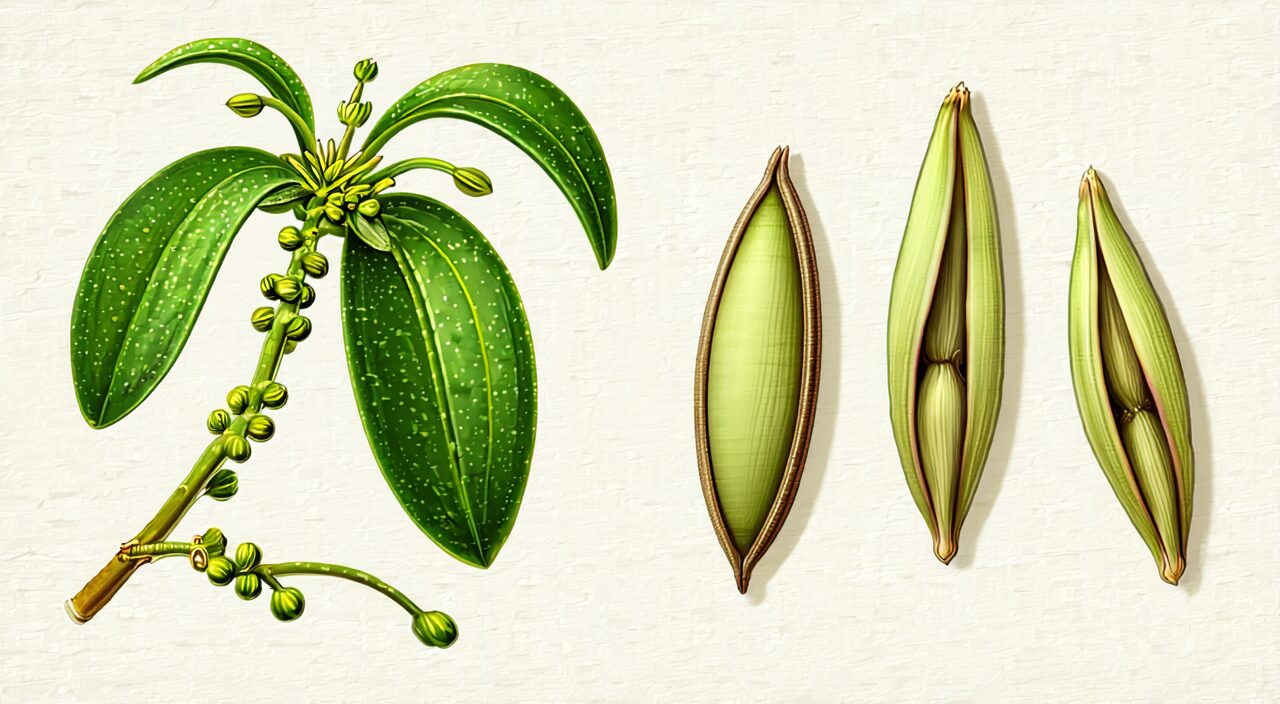
Cuscuta is most often compared with Shayuanzi (Astragali Complanati Semen). They overlap somewhat in appearance and functional direction but come from completely different sources. Shayuanzi is the dried ripe seed of Astragalus complanatus (a legume), slightly larger, about 2–2.5 mm long, with a slightly reniform and flattened shape, smooth surface, greenish-brown to grayish-brown, without obvious reticulate striations.
Both use seeds as the medicinal part, but in traditional application they have different emphases. Shayuanzi leans more toward warming and tonifying the liver and kidneys, securing essence and reducing urination, often used for kidney-deficiency lumbago, seminal emission, premature ejaculation, and dribbling urine; whereas Cuscuta, with its balanced tonification, also calms the fetus, brightens the eyes, and stops diarrhea, giving it a somewhat broader scope of use.
From an identification standpoint, the most direct differentiating method remains the boiling test: after boiling, Shayuanzi does not reveal white curled threads like Cuscuta; in fact, its seed coat is harder to rupture. If heating is not possible, initial screening can be done by checking for reticulate patterns and shape.
Which Formulas Use Cuscuta?
Cuscuta plays the role of tonifying the liver and kidneys in many classical formulas, often used synergistically with other herbs. The following formulas are relatively common and can serve as examples for understanding traditional combination principles.
Wu Zi Yan Zong Wan (Five-Seed Progeny Pill): composed of Cuscuta, Goji berry (Lycium), Raspberry (Rubus), Schisandra, and Plantain seed; traditionally used for kidney essence deficiency, with Cuscuta as the main herb to replenish kidney essence.
Shou Tai Wan (Fetus Longevity Pill): combines Cuscuta, Loranthus (mulberry mistletoe), Dipsacus, and Donkey-hide gelatin; commonly seen in pregnancy-related regimens, with Cuscuta mainly used to reinforce the kidney and prevent miscarriage.
You Gui Wan (Right-Restoring Pill): contains Cuscuta, Aconite, Cinnamon, Deer Antler Gel, and others, focusing on warming and tonifying kidney yang; Cuscuta here serves to tonify the liver and kidney in a balanced way and moderate dryness.
Tu Si Zi Wan (Cuscuta Pill): with Cuscuta as the chief herb, concentrates on stabilizing the kidney and astringing essence, often used for patterns such as frequent urination, nocturnal emission, and seminal leakage.
These formulas each have their own emphasis on applicable patterns. Whether they suit a particular constitution requires comprehensive assessment based on symptoms, tongue and pulse, and professional advice; one should not self-prescribe merely based on formula names.
What Precautions Should Be Taken When Using Cuscuta?
Although Cuscuta is relatively mild in nature, it is not suitable for everyone. Traditional experience points out that those with yin deficiency with fire effulgence, internal excess heat, scanty dark urine, dry stools or constipation should exercise particular caution. Because Cuscuta tends to tonify and astringe, under such conditions it might worsen discomfort.
Moreover, for chronic, recurrent symptoms, or when accompanied by significant anxiety, palpitations, chest oppression, abdominal pain, or wasting, one should prioritize consulting a physician rather than relying on any single herb or formula on one’s own. The use of any medicinal substance is recommended only after understanding one’s own constitution, reading product labels, and heeding professional advice.
Summary
Cuscuta is a herb that uses ripe seeds as the medicinal part, offering balanced tonification of the liver and kidneys. Its tiny spherical shape, reticulate surface, and the white curled thread that emerges after boiling allow it to be visually distinguished from similar herbs like Shayuanzi. It is commonly found in formulas such as Wu Zi Yan Zong Wan, Shou Tai Wan, and You Gui Wan, where it traditionally revolves around supplementing the liver and kidneys. After understanding these basics, it remains important to carefully consider individual body constitution and specific situations; this article should not be directly adopted as a basis for self-regulation or treatment.