
What Is Walengzi? Medicinal Parts, Identification Methods, and Common Formulas
Among the wide variety of Chinese medicinal materials, Walengzi (Ark Shell) is a marine shell medicinal with a highly recognizable appearance. Many people first encountering it wonder whether it is simply the shell of a shellfish we might find on the dinner table, why shells can be used as medicine, and how it differs from other marine‑derived materials such as oyster shell and sea clam shell. This article collates basic information about Walengzi for overseas readers interested in Chinese herbal medicine, covering visual identification, medicinal parts, traditional understanding, common formulas, and precautions for use, so as to provide a direction for further exploration.
What Does Walengzi Look Like? How to Identify It?
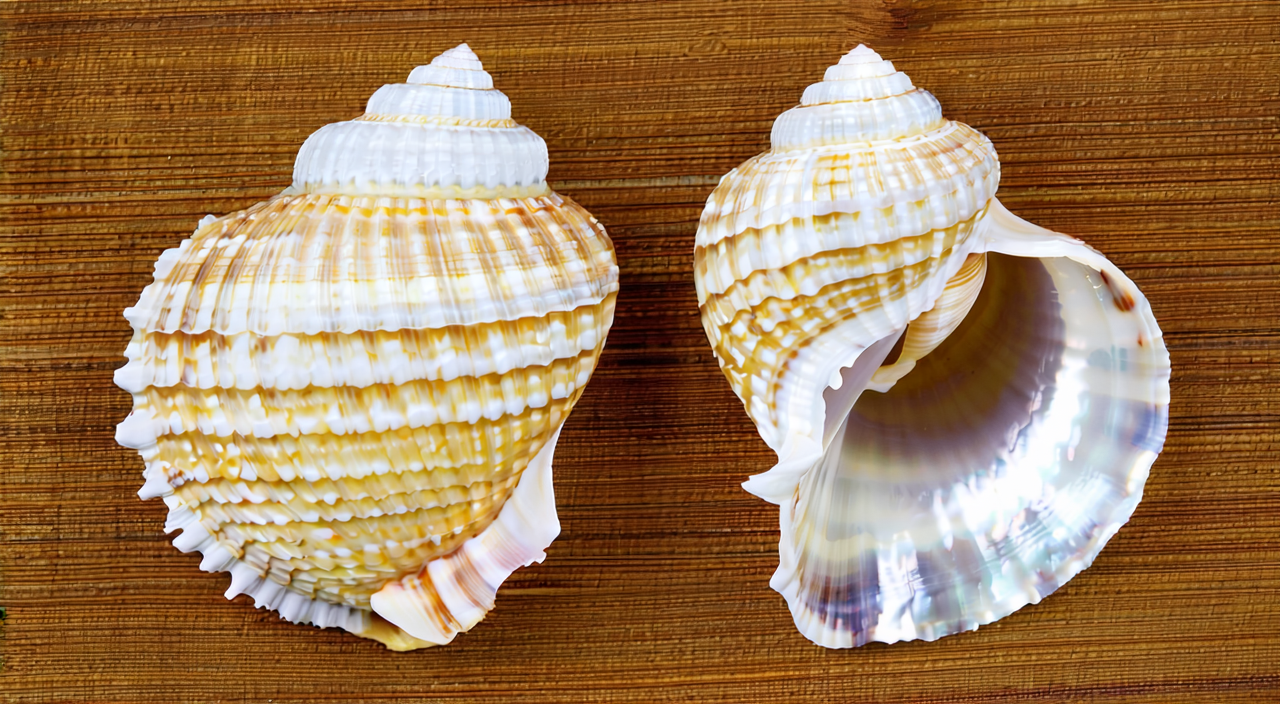
The origin of Walengzi is relatively clear; it is traditionally obtained from the shells of ark clams such as blood clams (Scapharca subcrenata), mud clams (Tegillarca granosa), or large ark clams. You can learn to recognize Walengzi by focusing on the following typical features.
Overall shape: Most Walengzi shells are fan‑shaped or nearly oval, with a convex back and a flatter ventral surface; the shell is hard but relatively thin. The two umbos usually protrude prominently and curve forward, giving the whole shell a sense of asymmetrical fullness.
Radiating ribs: This is the most prominent identification point for Walengzi. The shell surface is covered with longitudinal ribs radiating from the umbo toward the margin, usually numbering between twenty and over thirty. The thickness and density of the ribs vary slightly according to the specific species; some species even have small nodules on the ribs, creating a distinctly uneven feel when touched.
Shell surface color and texture: The exterior is generally greyish‑white or light brown, sometimes covered by a thin brown periostracum, and often retains fine growth lines. When the shell is opened, the inner surface is usually milky white or has a faint bluish luster, and the margin bears serrated notches corresponding to the radiating ribs—an important clue for distinguishing it from smooth‑shelled mollusks.
During identification, whether from the shape of the umbo, the arrangement of the radiating ribs, or the serrated shell margin, it is relatively easy to tell Walengzi apart from other shells of similar appearance. If you only encounter it in the form of prepared slices or powder, greater reliance on professional experience is necessary.
Which Part of Walengzi Is Used Medicinally?
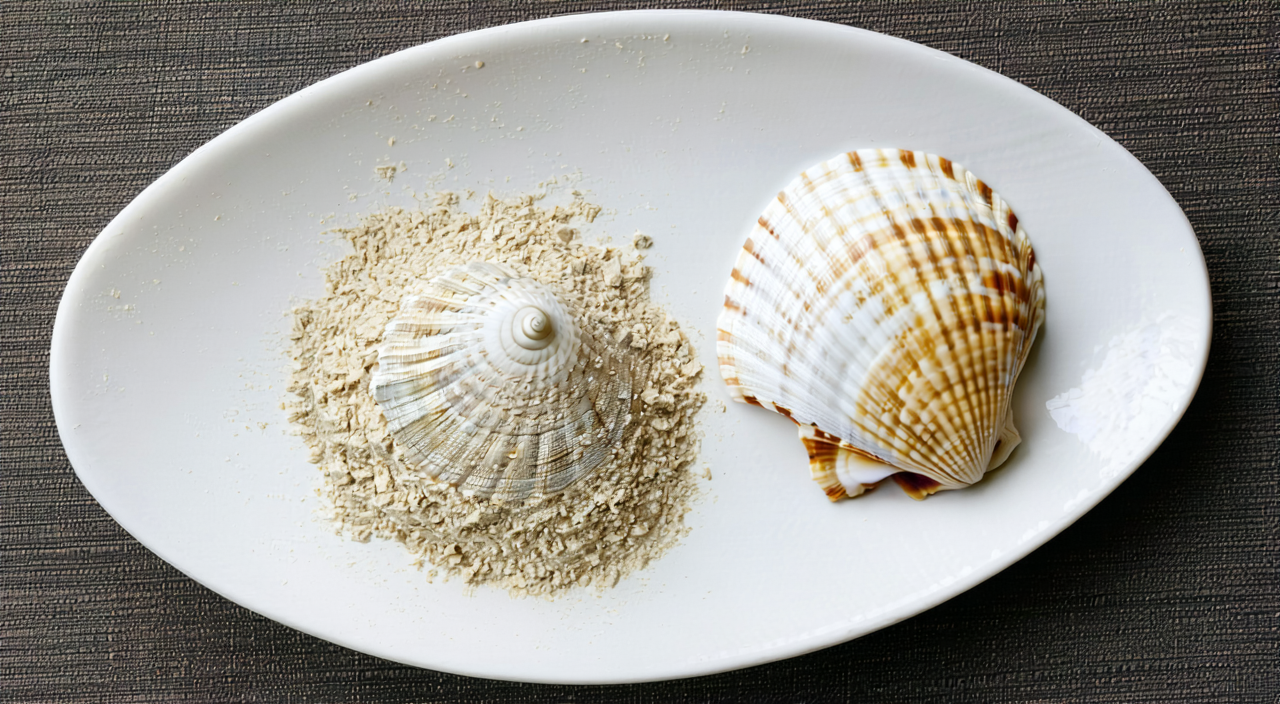
The medicinal part of Walengzi is the intact shell of these marine ark clams. After harvesting, it typically undergoes multiple processing steps before becoming the material used in pharmacies or formulas.
Traditionally, after the clam meat is removed, the remaining shells are collected, repeatedly washed with clean water to remove sand and residue, and then dried in a well‑ventilated, dry place. After initial cleaning, the raw product is usually handled in one of two ways depending on clinical or preparation needs: one is to crush the cleaned shell directly or grind it into a coarse powder, known as Walengzi powder; the other is to calcine it, that is, to roast it at high temperature under controlled conditions until the shell becomes crispy, then let it cool and grind it into a fine powder, called calcined Walengzi.
The calcination process markedly changes the texture of the shell, making it brittle instead of hard, and also reduces some of the original odor of the marine organism. Traditionally, calcined Walengzi is considered more oriented toward neutralizing acid and relieving pain.
Therefore, although the Walengzi you encounter in formulas is still essentially the shell, its function already differs from that of the untreated whole shell. The processing of Chinese medicinal materials is itself a link that influences the direction and scope of their use.
How Does Traditional Chinese Medicine Understand Walengzi?
Within the cognitive framework of traditional Chinese medicine, the application of Walengzi is based more on long‑term practice, and it is often understood along the following lines.
Reducing phlegm and resolving stasis, softening hard masses and dispersing nodules: This is a relatively common traditional use direction of Walengzi. The ancients believed that most shell‑type medicinal materials are heavy, sinking, and salty in flavor, and that saltiness can soften hardness. Therefore, it may act on “masses,” “accumulations,” or old, sticky phlegm in the body from the perspective of softening and dispersing them. For example, when regulating conditions such as goiter and scrofula, certain formulas rely on Walengzi to assist in dispersing nodules.
Neutralizing acid and relieving pain: Calcined Walengzi is often used in the approach to discomforts such as excessive gastric acid, gastric stuffiness, and burning sensation. The traditional thinking holds that it can neutralize gastric acid, astringe and control acid, and provide a certain alleviating effect on occasional acid‑reflux discomfort. However, it must be emphasized that if gastric pain recurs, the cause is unclear, or it is accompanied by persistent upper abdominal pain, black stools, weight loss, and other signs, one should not rely solely on Walengzi or related formulas but should seek professional medical evaluation without delay.
These understandings of Walengzi are still summaries at the level of experience. Whether it is suitable for a specific individual needs to be determined by integrating constitution, symptom presentation, and professional judgment. It should not be simplistically equated with therapeutic means in modern medicine.
Optional Directions for Modern Research
In recent years, some researchers have also paid attention to the calcium carbonate, trace elements, and possible active components within the shell structure of Walengzi. Some literature suggests that the particle size and pore structure of calcined Walengzi may affect its physical adsorption, thereby producing a certain buffering effect on gastric acid. However, on the whole, related research is still in an accumulative stage and has not yet reached a widely recognized quantitative conclusion. For overseas users, these explorations can serve as clues for background information, but one should not make self‑determined usage decisions based on them.
How Is Walengzi Different from Oyster Shell and Sea Clam Shell?
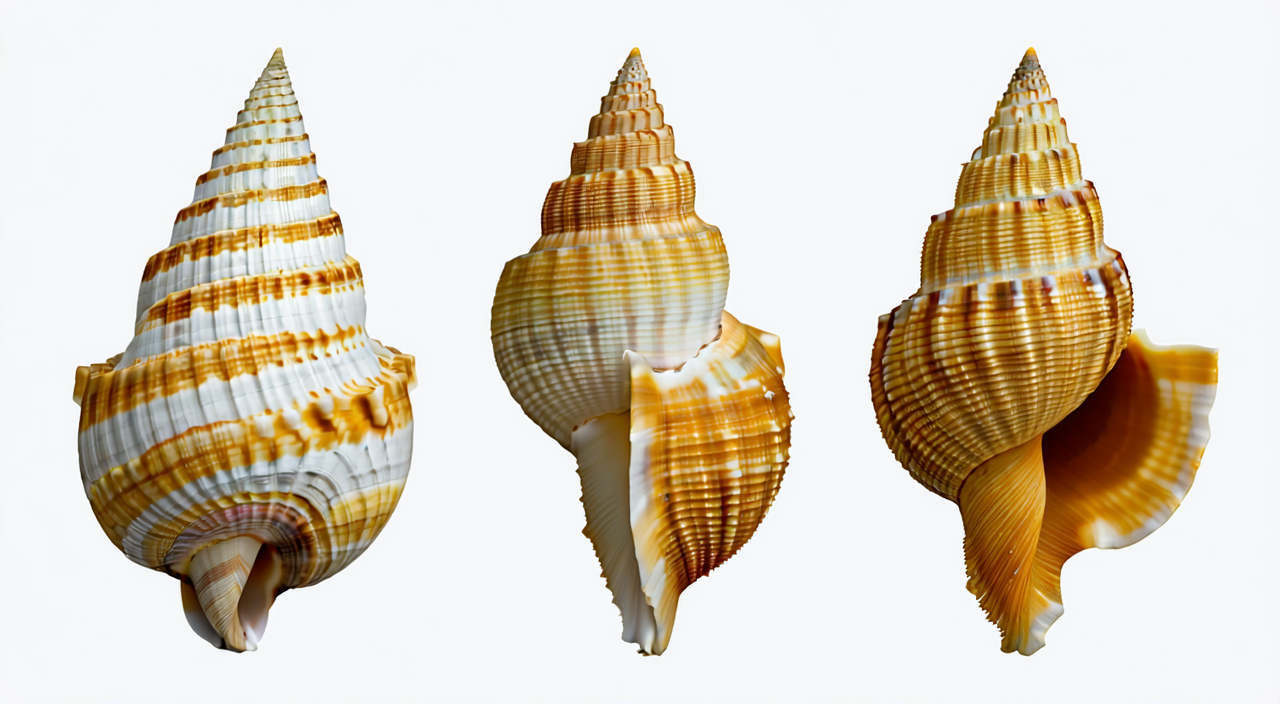
Walengzi, oyster shell, and sea clam shell all belong to the marine shell medicinal category, and their appearance and traditional applications can sometimes be confused, but there are clear differences among the three.
Shell morphology: The surface of Walengzi is covered with distinct radiating ribs, and the shell margin is markedly serrated. Oyster shells are extremely irregular in shape, mostly elongated oval, triangular, or layered like scales, with a rough surface and no regular radiating ribs. Sea clam shell generally refers to the shells of clams such as Meretrix meretrix or Cyclina sinensis; the shell surface is relatively smooth or only bears concentric growth lines, the inner surface is mostly white, and the shell margin is smooth. These are key points for visual distinction.
Traditional application directions: Oyster shell is more frequently used to pacify the liver and subdue yang, anchor the mind with heavy sedatives, and soften hard masses to disperse nodules. It is widely applied in presentations such as sleep disturbance, dizziness, and deficient restlessness. Sea clam shell often follows the route of clearing the lung and transforming phlegm, softening hard masses and dispersing nodules, and is more used when there is lung‑heat with sticky phlegm and difficult cough or dyspnea. Walengzi concurrently addresses reducing phlegm and resolving stasis, softening hard masses and dispersing nodules, as well as neutralizing acid and relieving pain; in particular, the acid‑neutralizing characteristic after calcination is less prominent in the other two shell medicinal materials.
If judging purely from the powdered form, differentiation is quite difficult. It is advisable to obtain medicinal materials with clearly labeled product names through proper channels to avoid confusion.
Which Formulas Use Walengzi?
Walengzi does not appear with extremely high frequency in traditional formulas, but when it is used, it usually targets a relatively specific direction of regulation. The following formulas can serve as examples for understanding traditional medicinal approaches.
Walengzi Pill: This is a traditional formula with Walengzi as the principal ingredient. The common approach is to utilize its characteristic of dispersing nodules and resolving stasis, and it is used to regulate conditions that present as “masses,” such as abdominal masses and hepatosplenomegaly. The details of the combination may differ among various texts, and whether it suits a particular situation still needs to be judged in combination with the individual’s condition.
Walengzi Powder: This is generally a single‑ingredient or simple compound powder based on calcined Walengzi. It has traditionally been used mainly for the temporary adjustment of excessive gastric acid and gastric stuffiness. However, it requires special reminder that if the gastric discomfort is due to an underlying organic lesion, self‑administering a powder preparation may mask symptoms and delay diagnosis. One should first clarify the cause and then consider whether it is suitable.
Modified Seaweed Jade Flask Decoction (Haizao Yuhu Tang Jiajian): This refers to the classic formula Haizao Yuhu Tang with the addition of Walengzi based on the circumstances. The original formula is commonly used for regulating goiter and scrofula presenting as qi stagnation and phlegm congealing. After adding Walengzi, the tendency to disperse nodules and eliminate phlegm becomes more pronounced, and it is traditionally used for early‑stage goiter or hard phlegm nodules. This type of formula needs to be applied under the guidance of an experienced TCM practitioner, and it is presented here only as an illustration of the traditional approach to modifying formulas.
Walengzi Pill, Walengzi Powder, and Modified Seaweed Jade Flask Decoction from different sources may differ in ratio and processing methods. Users should carefully read product descriptions and make comprehensive judgments by integrating their own constitution, symptom changes, and professional advice, and must not self‑compose formulas.
What Should Be Noted When Using Walengzi?
When using any medicinal material, attention must be paid to safety boundaries, and Walengzi is no exception. The following points deserve particular attention.
Be cautious with powders of unknown origin: On the market, there are some shell powders without clear source and without product name labeling, which may be mixed with other shellfish or impurities. If purchasing Walengzi powder or products containing Walengzi, it is advisable to choose properly labeled products with complete product name, origin, and processing instructions.
Risk of heavy metal contamination: The living environment of marine shell medicinal materials is closely related to their safety. If the harvesting sea area is heavily polluted, the shells may accumulate a certain amount of heavy metals. At present, standardized‑production prepared slices of Chinese medicine should undergo relevant testing, but shells collected by consumers themselves or obtained from informal channels are difficult to assess for safety. It is not recommended that individuals pick up shells at the seaside and grind them directly for use.
Do not self‑use when the cause of gastric symptoms is unclear: Although calcined Walengzi is traditionally used for neutralizing acid, if you encounter persistent gastric pain, nocturnal pain that wakes you up, black stools, unexplained weight loss, difficulty swallowing, or other warning signs, it is very likely a situation requiring professional examination. At such a time, relying solely on formulas or powders containing Walengzi cannot solve the fundamental problem and may instead delay timely action.
Do not attempt to calcine shells by yourself: Some references mention that Walengzi needs to be calcined, and some people might try to calcine it at home. This practice carries high risks: not only is the temperature difficult to control, but also irritating gases may be produced, or organic residues may remain because the calcination is not fully completed. The processing of Chinese medicine should be left to facilities with the appropriate conditions; individual operation is not recommended.
In addition, pregnant women, breastfeeding women, and people with special underlying conditions should consult a doctor or pharmacist before considering the use of any product containing Walengzi to ensure there is no conflict with their own health status.
Summary
As a traditional Chinese medicinal material derived from ark clam shells, Walengzi has a high visual recognizability, with radiating ribs and a serrated margin being key identification points. The medicinal parts, after cleaning and calcination, correspond to different traditional application directions. Its differences from oyster shell and sea clam shell are reflected not only in shell morphology but also in the emphasis on uses such as reducing phlegm and resolving stasis, and neutralizing acid to relieve pain. Adequate understanding of its source, processing, and precautions helps in handling this type of marine medicinal material more safely. Any specific decision on usage should still be made under professional advice and cannot replace necessary medical judgment.