
What Is Wu Yao? Medicinal Parts, Identification, and Common Formulas
Many people interested in Chinese herbal medicine hear the name “Wu Yao” and may find it a bit unfamiliar, though it often appears in formula books and daily wellness practices. What exactly is Wu Yao? Is the root or the stem used as medicine? How does it differ from other qi-moving herbs like Muxiang and Xiangfu? Addressing these common questions, this article systematically and cautiously examines Wu Yao’s botanical origin, tuber characteristics, macroscopic identification, traditional Chinese medicine understanding of its functions, differences from easily confused herbs, and representative formulas, aiming to provide a clear reference for those who need it.
What Does Wu Yao Look Like? How to Identify It
In terms of plant appearance, Wu Yao is an evergreen shrub or small tree with elliptical or ovate glossy leaves and a grayish-white underside. However, for medicinal identification the key lies in its dried root tuber.
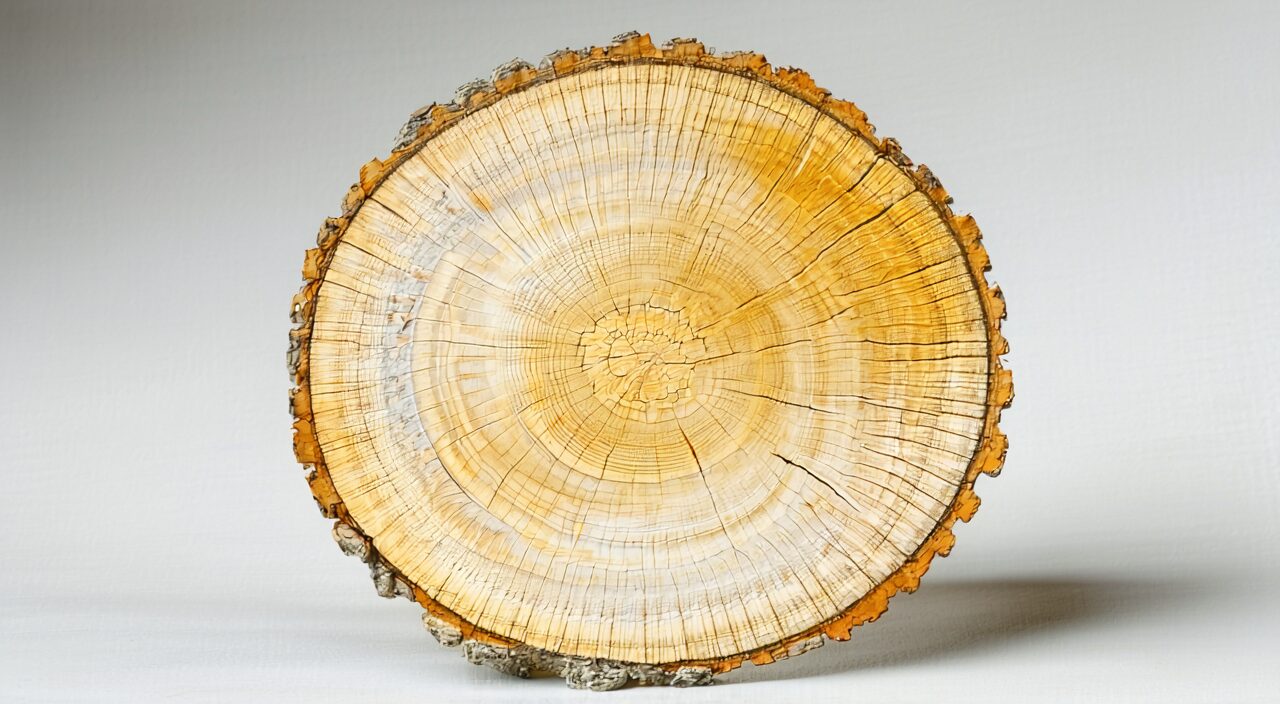
Commercially available Wu Yao is mostly processed decoction pieces. The whole raw tuber is spindle-shaped, slightly pointed at both ends, with a yellowish-brown or yellowish-brown surface that has fine longitudinal wrinkles and remnants of fibrous root scars. It is hard and difficult to break. After slicing, the pieces are often nearly round or irregularly thin slices; the cut surface is yellowish-white or pale yellowish-brown, showing distinct radial striations and ring marks, which is a crucial feature for identifying Wu Yao.
Odor is also an important clue. Wu Yao has a special fragrance that smells somewhat like a mixture of mild camphorwood with a slightly pungent note, and a slight numbing sensation may be felt on the tongue when chewed. If you see round thin slices with a slightly darker center, radial markings extending outward, a yellowish-brown surface, and this distinctive aroma, it is very likely Wu Yao.
What Is the Medicinal Part of Wu Yao?
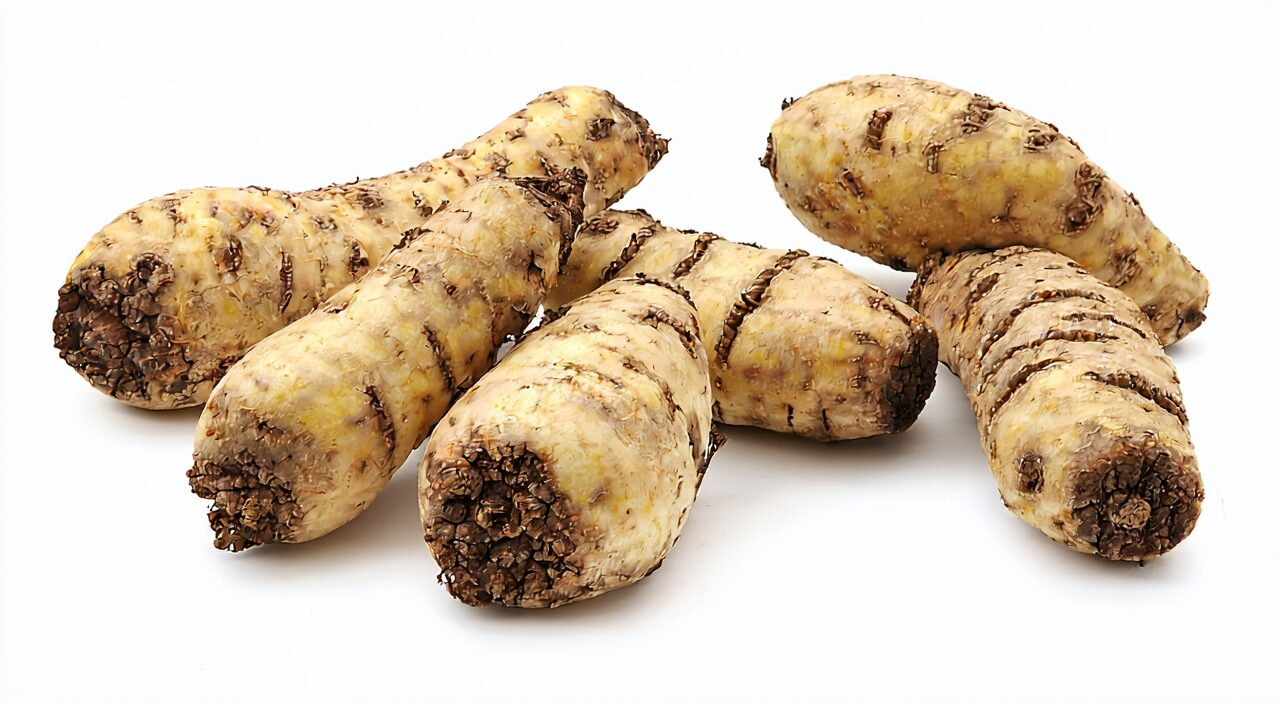
The medicinal part of Wu Yao is its dried root tuber. A root tuber differs from a typical taproot; it is a storage organ formed by the swelling of lateral or adventitious roots, often connected at one end to a slender root tail. Harvesting usually takes place in winter or spring. The roots are dug up, fine roots and sediment are removed, they are washed clean, and then they are sliced while fresh or dried directly.
During processing, the outer bark is often scraped off, then the root is cut into thin slices and dried in the sun or at a low temperature. In some regions steaming or soaking methods are also used to adjust the medicinal properties, but traditionally the raw form is more commonly used to retain its acrid, warm, moving and dispersing nature. Harvesting and processing methods affect the aroma and texture of the decoction pieces, so choosing dry slices without insect damage, oil exudation, and with a noticeable fragrance is one way to judge quality.
How Does Traditional Chinese Medicine Understand Wu Yao?
In TCM theory, Wu Yao is acrid and warm in nature, enters the Lung, Spleen, Kidney, and Bladder meridians, and primarily functions to “move qi and stop pain” and “warm the Kidney and disperse cold.”
Traditionally, it is believed that Wu Yao can diffuse Lung qi, soothe Spleen and Stomach qi stagnation, and at the same time warm the lower jiao. It is particularly effective at treating qi dynamic disturbances caused by cold congealing. When the body experiences chest and abdominal distension, hypochondriac stuffiness, or wandering hernia pain due to factors like cold invasion or emotional constraint, Wu Yao is frequently included in treatment strategies. It may also be a reference for some conditions related to cold congealing and qi stagnation, such as dysmenorrhea, postpartum abdominal pain, or cold pain in the lower back and knees.
Additionally, the warming Kidney and dispersing cold aspect of Wu Yao has drawn wide attention for improving lower jiao deficiency cold, urinary frequency, and enuresis resulting from impaired Bladder qi transformation. The “warming Kidney” here is not about strong tonification but warming the lower jiao to assist qi transformation. Overall, TCM values Wu Yao for its characteristic of “unblocking without damaging and warming without drying,” but it is, after all, an acrid and warm herb and is not suitable for everyone. Specific precautions will be discussed later.
A Preliminary Look at Modern Research on Wu Yao
Modern phytochemical studies have found that Wu Yao contains various volatile oil components such as linderane, lindene, and lindera lactone, as well as alkaloids and sesquiterpenoids. Some experiments suggest these constituents may have a certain regulatory effect on gastrointestinal smooth muscle and have shown activities in analgesic, anti-inflammatory, and antioxidant directions in some cell or animal models.
These preliminary findings offer some reference information for the traditional uses of Wu Yao, but they are not equivalent to clinical efficacy verification. Modern pharmacological research on Wu Yao is still accumulating and currently remains mostly at the level of basic research; it should not be directly used for disease inference or effect claims.
How Does Wu Yao Differ from Muxiang and Xiangfu?
Wu Yao, Muxiang, and Xiangfu all belong to the category of qi-moving herbs, but their sources, medicinal parts, and emphases are not the same.
Wu Yao is the root tuber of a plant in the Lauraceae family; the medicinal part is a storage organ, spindle-shaped or round slices after cutting, with radial striations on the cut surface and a camphor-like aroma. Muxiang is the dried root of the Asteraceae plant Aucklandia lappa, usually cylindrical or semi-cylindrical, with a brownish-yellow or grayish-brown outer surface, relatively firm texture, a chrysanthemum-heart pattern on the fracture, and a strong, sweet-acrid fragrance. Xiangfu is the dried rhizome of the Cyperaceae plant Cyperus rotundus, spindle-shaped, with a dark brown outer surface, nodes and residual leaf sheath fibers, a yellowish-white fracture, and a fragrant, slightly bitter smell.
In terms of traditional functional emphasis, Wu Yao leans toward moving qi, stopping pain, warming the Kidney, and dispersing cold, especially suitable for lower jiao cold congealing and qi stagnation. Muxiang tends to move qi, stop pain, strengthen the Spleen, and promote digestion, often focusing on middle jiao Spleen-Stomach qi stagnation. Xiangfu is characterized by soothing the Liver, regulating qi, regulating menstruation, and stopping pain, more skewed toward emotional issues and menstrual irregularities caused by Liver depression qi stagnation. Although all three herbs move qi, their cold–warm tendencies, action levels, and common combinations differ. Specific selection must be judged by combining individual constitution, symptom presentation, and professional advice.
Which Formulas Commonly Include Wu Yao?
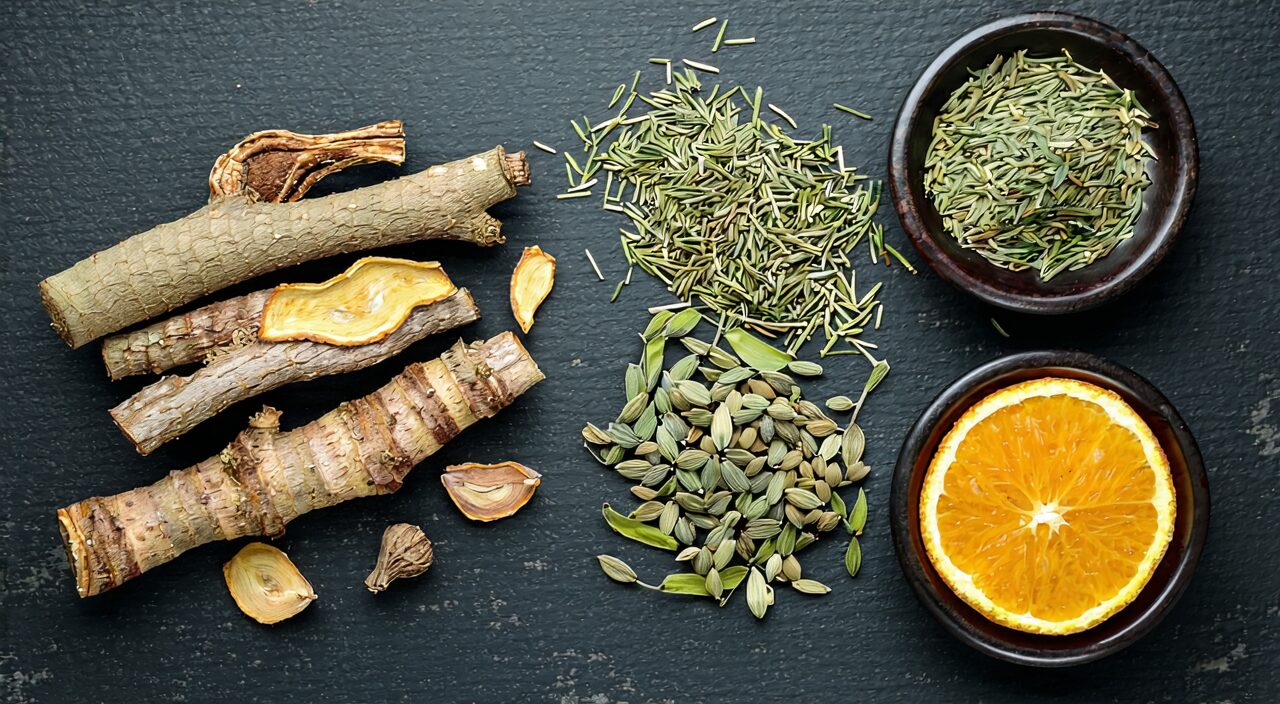
Wu Yao appears as an ingredient in many classic formulas. Here are a few traditionally common and widely recognized formulas for informational purposes only; they are not presented as direct treatment recommendations.
Tiantai Wu Yao San: Composed of Wu Yao, Muxiang, Xiaohuixiang (fennel), Qingpi (green tangerine peel), Gaoliangjiang (galangal), Binglang (areca seed), Chuanlianzi (toosendan fruit), etc., this formula is traditionally used for small intestinal hernia and lower abdominal pulling pain caused by cold congealing and qi stagnation. With Wu Yao as the chief herb, combined with acrid-warm qi-moving substances, it jointly moves qi, soothes the Liver, disperses cold, and stops pain.
Suoquan Wan: With a simple composition of Wu Yao, Yizhiren (alpinia oxyphylla fruit), and Shanyao (Chinese yam), this formula is often applied for frequent urination or childhood enuresis due to lower origin deficiency cold and impaired Bladder qi transformation. In the formula, Wu Yao warms the Kidney, disperses cold, and reduces urination, working with Yizhiren and Shanyao to provide tonification without causing stagnation.
Simo Tang: Containing Wu Yao, Renshen (ginseng), Binglang (areca seed), and Chenxiang (agarwood), this formula is commonly seen in cases of upright qi deficiency with qi counterflow, chest and diaphragm discomfort, wheezing, and a sense of oppression. Wu Yao moves qi and resolves depression in the formula, paired with Renshen to tonify qi and prevent collapse, while Binglang and Chenxiang break qi and direct it downward; the four ingredients synergize with consideration for both strengthening the upright and regulating qi.
Nuan Gan Jian: Made with Danggui (Chinese angelica), Gouqizi (goji berry), Xiaohuixiang (fennel), Wu Yao, Chenxiang (agarwood), etc., this formula is traditionally suitable for cold hernia pain or lower abdominal cold pain due to Liver and Kidney insufficiency and cold stagnation in the Liver meridian. Wu Yao warms the Kidney and Liver, moves qi, and stops pain in the formula.
These formulas each have their own focus, and readers may use them as objects for further learning. However, whether they are suitable for an individual requires comprehensive judgment based on specific symptoms, constitution, and product instructions under the guidance of a professional TCM practitioner or pharmacist. Self-prescribing according to formula books is strongly discouraged.
What Precautions Should Be Taken When Using Wu Yao?
Wu Yao is acrid, warm, and dispersing. Although its action is not considered fierce, there are still situations that require particular attention.
If you have a constitution with yin deficiency and internal heat — for example, you frequently feel heat in your palms and soles, have a dry mouth and tongue, night sweats, or dry stools — or you manifest signs of excess heat or fire, using Wu Yao is generally not advised because its acrid-warm nature may stir heat and damage yin. People with obvious qi deficiency, presenting with low voice, unwillingness to speak, fatigue, easy sweating, and shortness of breath, should also use it cautiously or only consider it when combined with qi-tonifying herbs; otherwise excessive qi dispersion may aggravate qi deficiency.
Pregnancy is a special period. Unless rigorously assessed by an experienced professional, self-administration of Wu Yao and formulas containing Wu Yao is generally not recommended. Furthermore, because Wu Yao moves qi and warms to disperse, it should not be taken in excess or for a long period as a health supplement, especially by those without clear signs of cold congealing and qi stagnation. Excessive warming and dispersing may disrupt the body’s own qi dynamic balance.
If symptoms such as increased dry mouth, restlessness, irritability, dizziness, or other discomfort occur while using products or formulas containing Wu Yao, discontinue use promptly and consult a doctor or pharmacist. Severe, chronic, or recurrent abdominal pain, urinary frequency, hernia issues, or accompanying significant emotional abnormalities and weight loss, should first be professionally diagnosed, rather than self-determining to use warming and dispersing herbs.
Summary
Wu Yao is a traditional herb for moving qi and warming the Kidney. Its medicinal part is the dried root tuber. Key identification points include its shape, radial striations on the sliced surface, and special aroma. It belongs to the same qi-moving class of herbs as Muxiang and Xiangfu but clearly differs in source and functional emphasis. Its applications in formulas like Tiantai Wu Yao San and Suoquan Wan also reflect TCM strategies for symptoms associated with cold congealing and qi stagnation. Whether for study or personal interest, Wu Yao should be approached with a cautious attitude. Before use, one must consider personal constitution and professional advice to avoid blind warming and dispersing. This article is for informational reference only and cannot replace professional diagnosis or treatment advice.