
What Is Xixiancao? Medicinal Parts, Identification, and Common Formulas
On overseas TCM websites, many users search “What is Xixiancao?” to distinguish it from other wind-damp-dispelling herbs. Xixiancao is not a single plant species; it is derived from the dried aerial parts of the Asteraceae plants Siegesbeckia orientalis, Siegesbeckia pubescens, or Siegesbeckia glabrescens. For readers who want to understand traditional herbs used for dispelling wind-damp and benefiting joints, clarifying its source, appearance, and common usage directions first can help promote safer understanding.
What Does Xixiancao Look Like? How to Identify It?
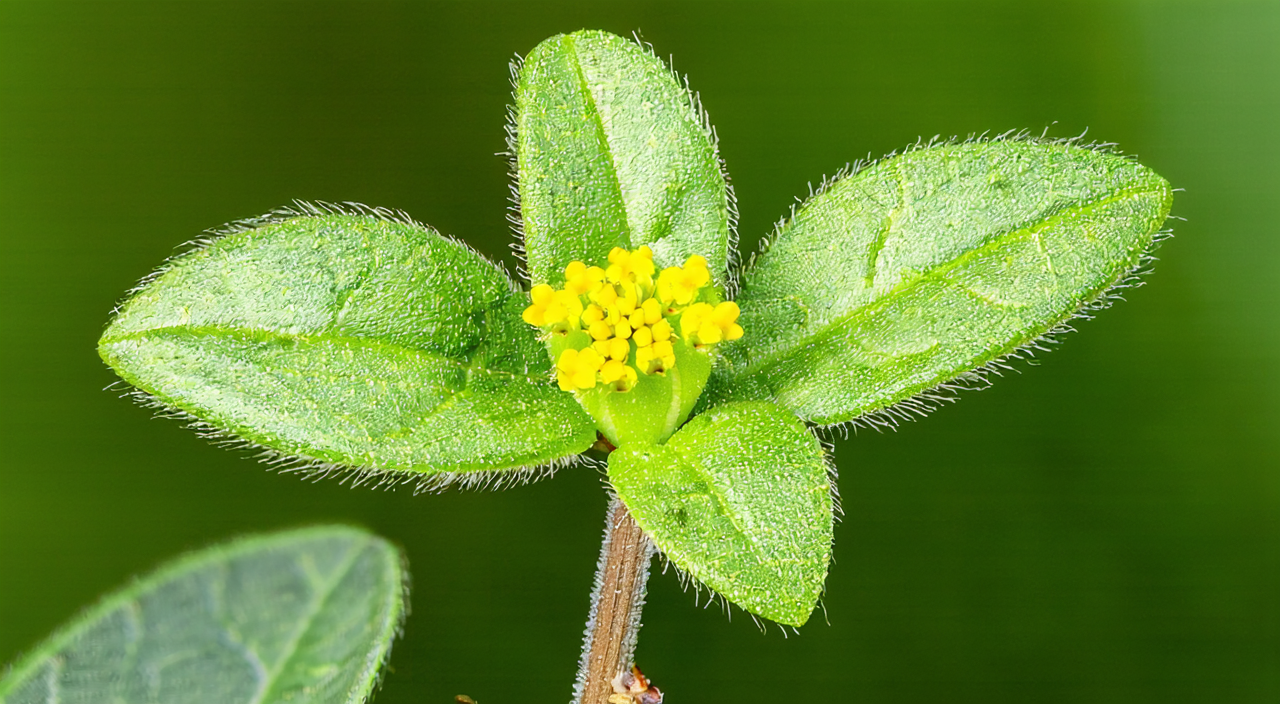
Xixiancao is an annual herb with mostly erect stems, often branched in the upper part, with longitudinal ribs and fine hairs on the surface. The leaves are opposite, ovate, triangular-ovate, or ovate-lanceolate, with serrated margins; the upper surface is green, the lower surface is pale green, and the veins are more visible on the underside. The inflorescence is a yellow capitulum; the involucral bracts often have glandular hairs on the back and may secrete a sticky substance, so the plant can feel somewhat sticky. After harvesting, the medicinal material is usually cut into yellow-green or gray-green segments, with stems, leaves, and flowers mixed together. Identification can focus on several key points: hairy stems, opposite serrated leaves, yellow capitula, and glandular hairs on the involucre. Because the appearance may differ slightly among source species, do not collect or consume the plant based solely on a single photo.
What Is the Medicinal Part of Xixiancao?
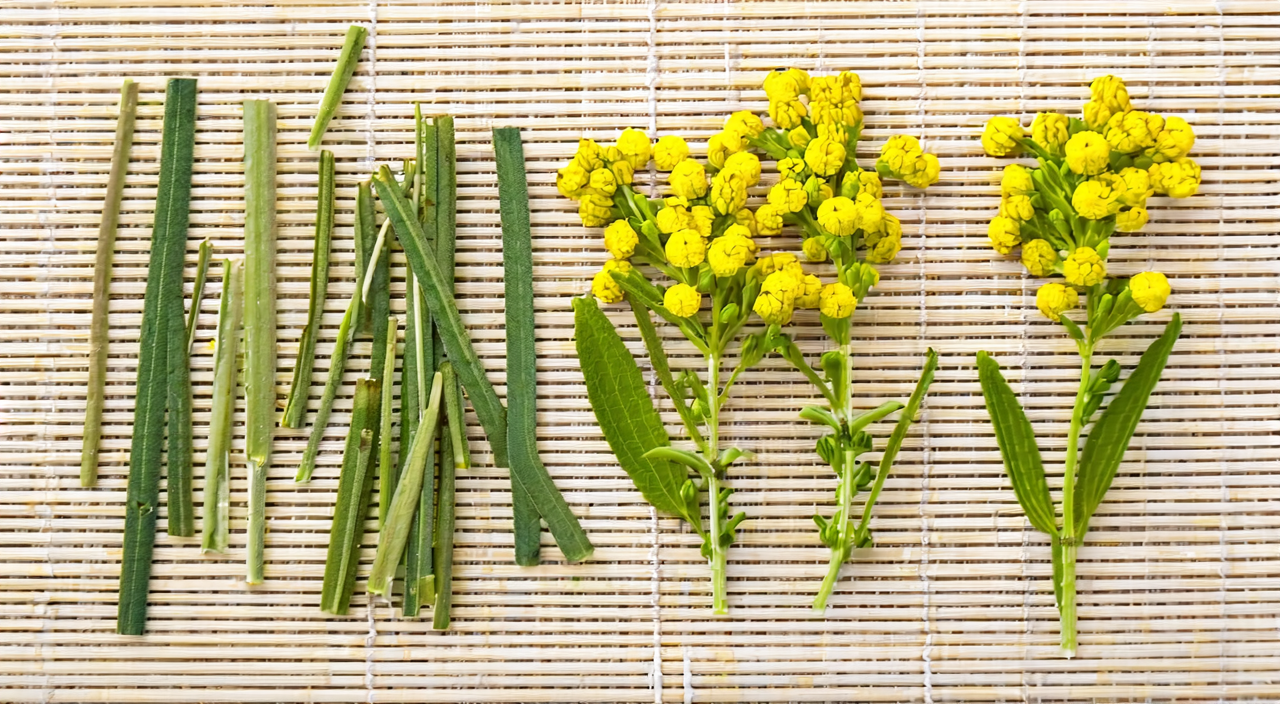
The medicinal part of Xixiancao is the dried aerial part—the aboveground plant portion with leaves, stems, and sometimes inflorescences—rather than the root or seed alone. Traditional harvesting is usually done before flowering or during the flowering period; the aerial parts are cut, impurities are removed, and then they are cut into sections and dried. The Xixiancao commonly seen in pharmacies is mostly prepared as cut decoction pieces. Wine-processed Xixiancao is made by mixing clean Xixiancao with yellow rice wine and then steaming or stir-frying it. Traditionally, this is believed to moderate the cold nature of the raw herb and make its action gentler, and it is often used in approaches that require longer-term regulation or emphasize unblocking the collaterals. Raw and processed products differ in their emphasis in use, so buyers should consult professionals when selecting.
How Does Traditional Chinese Medicine Understand Xixiancao?
Traditional TCM often understands Xixiancao from the perspectives of dispelling wind-damp, benefiting joints, and resolving toxins. It commonly appears in traditional pattern-based approaches for wind-damp joint pain, limb numbness, and impaired movement of sinews and bones. Because raw and processed forms differ in nature and flavor, TCM practitioners consider the patient’s constitution and symptom characteristics when combining it with other herbs. For example, when there are heat signs or a need to clear heat, the raw form may be considered, while the wine-processed form may be considered when there is a need to gently unblock collaterals or when the constitution cannot tolerate cold. Traditional materia medica often assigns it to the liver and kidney meridians, but records vary among different sources. It must be emphasized that these are discussions of traditional use directions; whether it suits an individual still needs to be judged based on constitution, symptoms, and professional advice, and it should not be treated as a single long-term self-administered remedy.
What Directions Does Modern Research Explore?
Modern research on Xixiancao focuses mainly on anti-inflammatory, analgesic, immunomodulatory, and cardiovascular effects. Some experiments suggest that its extracts may have certain pharmacological activities, but most related studies are still at laboratory or preliminary observation stages. For ordinary users, these studies can serve as background information, but they are not equivalent to clinical efficacy evidence and cannot replace proper diagnosis. If there is chronic pain, joint deformity, limited mobility, or similar conditions, the cause should first be identified rather than relying solely on a single herb or formula.
What Are the Differences Among Xixiancao, Chou Wutong, and Laoguancao?
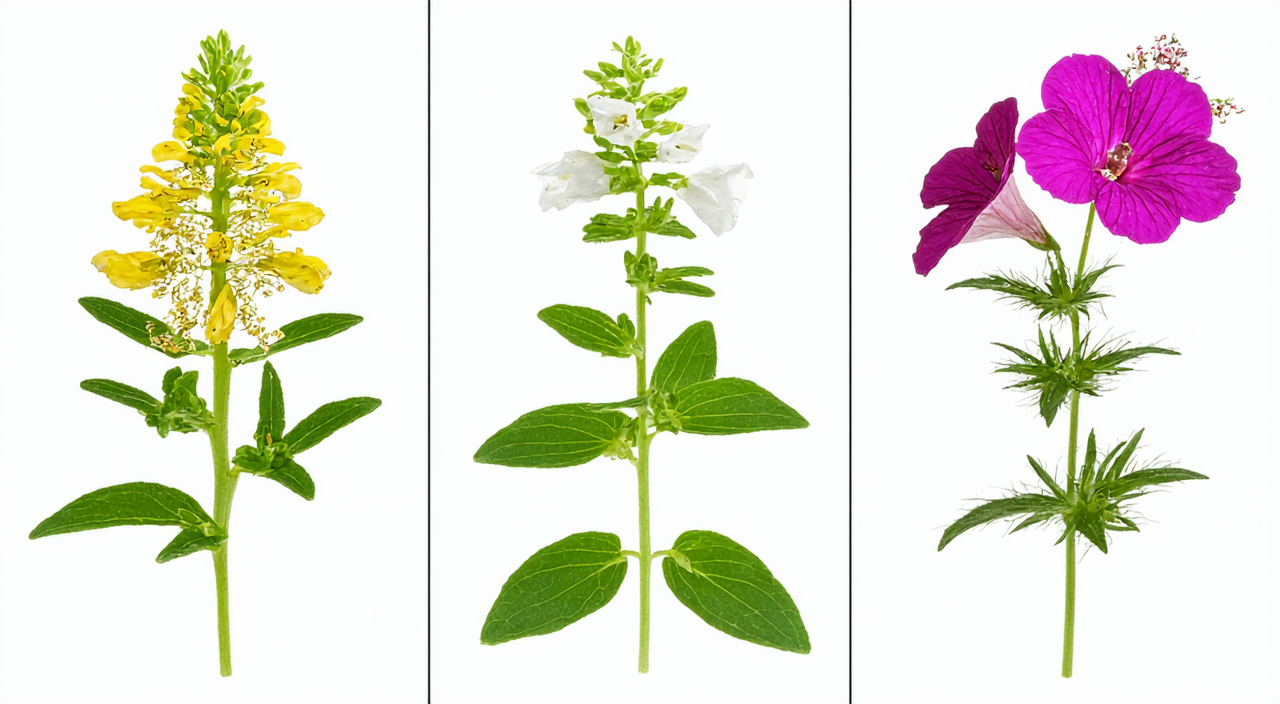
Xixiancao is most easily confused with Chou Wutong (Clerodendrum trichotomum, stinking glorybower). Chou Wutong is a plant in the Verbenaceae family; its leaves are opposite but mostly broadly ovate or heart-shaped, its flowers are usually white or pale red, arranged in cymes, and when crushed it has a rather obvious foul odor. Xixiancao is an Asteraceae plant with yellow capitula; its involucral bracts often have glandular hairs, and its smell is relatively less pungent than that of Chou Wutong. Laoguancao comes from the Geraniaceae family; its leaves are mostly palmately divided, its flowers are purple-red or pale red, and its fruit has a long beak-like structure. All three may appear in discussions related to dispelling wind and eliminating dampness in traditional use, but their appearance, family and genus, and medicinal parts are not the same. If identification cannot be confirmed in the wild, harvesting or use should be avoided.
Which Formulas Use Xixiancao?
Among formulas containing Xixiancao, Xixian Wan and Xitong Wan are more commonly mentioned. Xixian Wan has traditionally been used in approaches for wind-damp joint pain and limb numbness. Xitong Wan combines Xixiancao with Chou Wutong and is commonly used in traditional scenarios for wind-damp limb soreness and difficulty bending and extending the joints. Some formulas for wind-damp joint pain may also include Xixiancao according to specific symptoms to enhance the traditional actions of unblocking collaterals and dispelling wind-damp. It should be noted that these formulas or patent Chinese medicines only reflect traditional directions of use; there are considerable differences by constitution, pattern type, and stage of use. Before use, it is advisable to make a comprehensive judgment based on product instructions, personal circumstances, and professional advice, and not to copy others’ usage or take them long term on your own.
What Precautions Should Be Taken When Using Xixiancao?
The difference between raw and processed Xixiancao requires special attention. The raw form tends to be cold, and some people may experience gastrointestinal discomfort after taking it; the wine-processed form is relatively gentler, but it is not suitable for everyone. People with low blood pressure, spleen-stomach deficiency cold, loose stools, pregnant women, or those with heavy menstrual bleeding should be more cautious before use. Misidentification during wild harvesting is another risk, especially when it is mixed with similar-looking Asteraceae or Verbenaceae plants, as mistakes are easy to make. If stomach pain, nausea, rash, or other discomfort occurs during use, stop taking it and consult a physician. For joint pain that recurs repeatedly, wakes you at night, causes obvious swelling or deformity, or is accompanied by chest tightness, fever, or weight loss, seek medical attention promptly to avoid delay.
Summary
Xixiancao is a traditional medicinal substance whose dried aerial parts are used as medicine. When identifying it, pay attention to features such as opposite leaves, serrated margins, yellow capitula, and glandular hairs on the involucre. It is often discussed in relation to dispelling wind-damp, benefiting joints, and resolving toxins, with raw and wine-processed forms having different emphases in traditional use. Understanding the differences among Xixiancao, Chou Wutong, and Laoguancao, as well as the traditional directions of formulas such as Xixian Wan and Xitong Wan, can help avoid misidentification and blind use. This article is for informational reference only and cannot replace professional diagnosis or treatment advice.