
What Is Realgar? Medicinal Part, Identification, and Common Formulas
Many people have heard of realgar through the Dragon Boat Festival, traditional Chinese medicine, or references in ancient texts. However, realgar is not an ordinary mineral and should not be taken internally on one’s own as a daily insect repellent or festival item. Realgar is a mineral medicine composed mainly of arsenic disulfide and carries a clear risk of arsenic exposure. It should be understood and used only with a legitimate source, professional identification, and appropriate guidance. The following sections introduce its appearance, medicinal source, traditional Chinese medicine concepts, modern risks, and related formulas.
What Does Realgar Look Like? How Is It Identified?
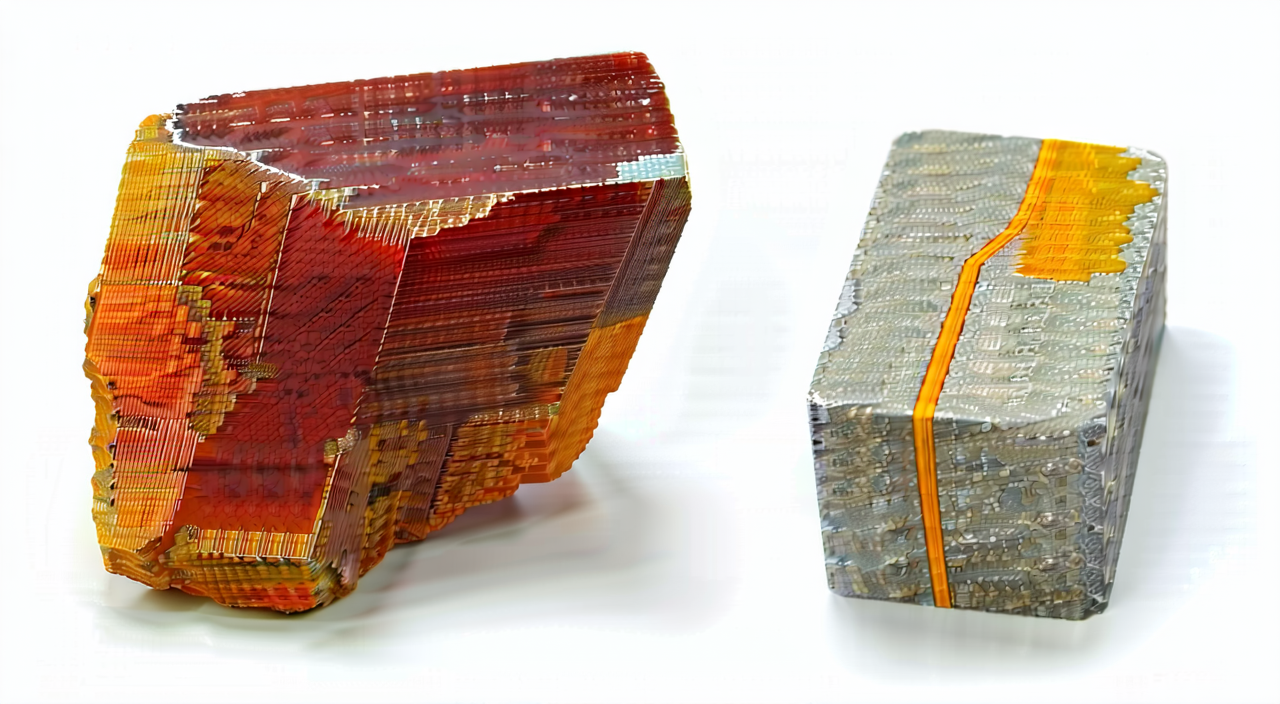
Appearance and Mineral Characteristics
Realgar usually occurs as irregular lumps, granules, or powder. Its color ranges from orange-red and reddish orange to dark red, and its surface often has a resin-like luster. When the mineral is rubbed across a streak plate, it commonly produces an orange-yellow streak, which is one of the more characteristic features used when recognizing realgar. Natural ore may contain other minerals, and its color and luster may not be uniform. Therefore, authenticity cannot be determined solely from a photograph, a similar color, or folk experience.
Realgar is relatively brittle, and its fracture may be conchoidal or irregular. Ancient texts and traditional identification practices focused on color, luster, texture, and impurities, but modern consumers generally lack access to mineralogical testing. Materials with similar colors—including cinnabar, red pigments, dyed minerals, and powders of unknown origin—can easily be mistaken for realgar. Products intended for internal use or medicinal purposes should be assessed based on formal labeling, quality information, and professional judgment. Do not collect, grind, or substitute minerals on your own.
Why Visual Identification Is Still Not Enough
The appearance of realgar can serve only as an educational identification clue and cannot replace proper medicinal-material authentication. Arsenic disulfide is potentially toxic, and powder may enter the body through inhalation, accidental ingestion, or skin contact. When a mineral comes from an unknown source, its composition cannot be confirmed, nor is it possible to know whether it has been mixed with other arsenic-containing substances. Therefore, seeing an orange-red mineral does not prove that it is qualified realgar, and it certainly does not provide a basis for deciding how it should be used or dosed.
What Is the Medicinal Part of Realgar?
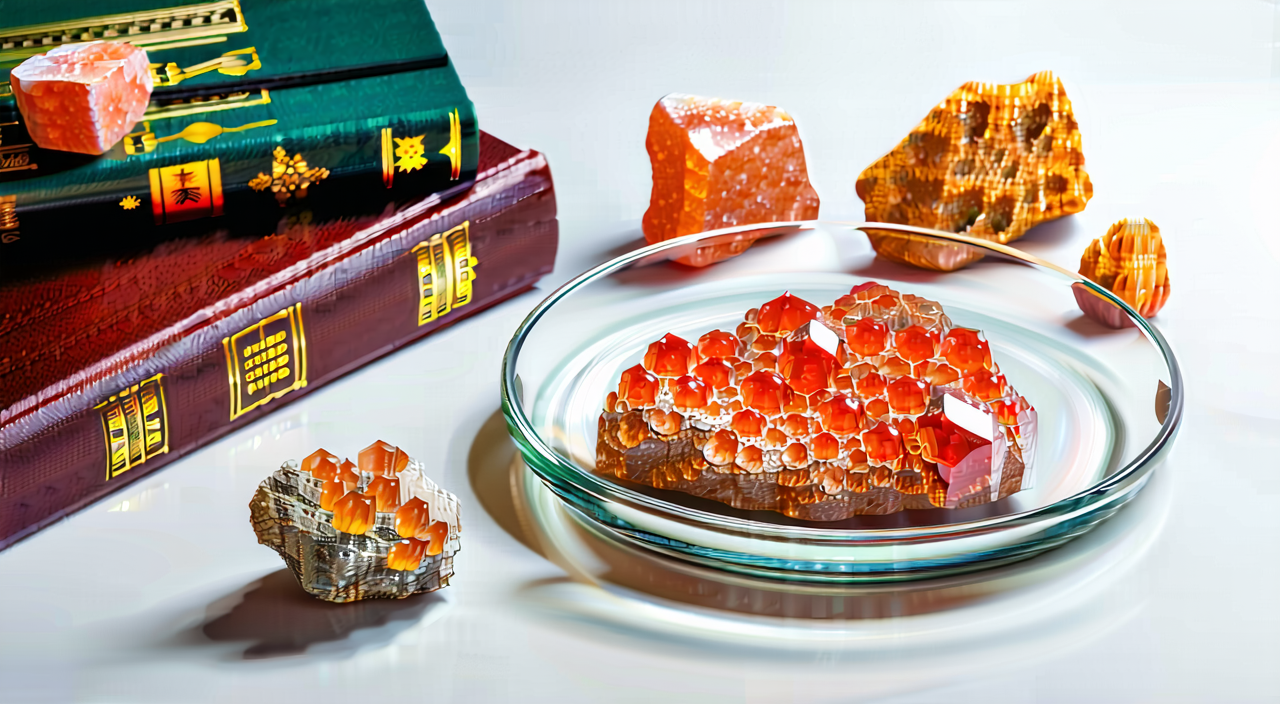
A Mineral Medicine Rather Than an Herbal Medicine
The medicinal source of realgar is the natural mineral realgar, whose main component is generally arsenic disulfide. Unlike herbal medicines, it does not have parts commonly referred to as roots, stems, leaves, flowers, or fruits. In traditional materia medica classification, it belongs to the category of mineral medicines. The term “medicinal part” therefore refers to the authenticated and properly processed mineral itself, not any red-colored stone or industrial material containing arsenic.
Traditional medicinal-material management may use terms such as purification and water levigation. Purification generally means removing impurities so that the material meets the required condition. Water levigation refers to a traditional mineral-processing concept in which water is used to separate fine powder from coarser impurities. Specific processing requirements vary according to the material and applicable standards. Ordinary consumers should not attempt to grind, sieve, heat, or process realgar at home. This article does not provide processing instructions and does not recommend replicating such operations using methods found online.
Processed Material Does Not Mean Risk-Free
Even after traditional processing or preparation into a finished formulation, the risks associated with arsenic-containing minerals cannot simply be ignored. Whether realgar should be used, how it should be used, and whether certain groups should avoid it must be evaluated in light of preparation standards, actual composition, dosage, duration of use, and individual health status. Extra caution is warranted with bulk realgar from unknown sources, folk formulas, or homemade medicinal alcohol.
How Does Traditional Chinese Medicine Understand Realgar?
Within the theoretical framework of traditional Chinese medicine, realgar is commonly understood in terms of detoxification, antiparasitic action, drying dampness, and transforming phlegm. Ancient materia medica texts and formulas also contain records of its external use or use in combination with other ingredients. These terms belong to traditional theories of medicinal properties and applications and do not represent modern medical conclusions about disease mechanisms, efficacy, or safety.
Some traditional applications regard realgar as a mineral medicine with relatively strong medicinal properties, requiring strict attention to its indications, combinations, and dosage. External use, internal use, and different preparations must not be substituted for one another. Ancient records cannot be used directly as the basis for modern self-medication. In particular, people who simply want to repel insects, address dampness, or manage a skin problem should not seek out realgar powder, soak it in alcohol, or mix it into food on their own.
If you encounter a Chinese patent medicine or formula containing realgar, first check the product information, ingredient list, approval details, and intended users. You should also consult a physician, pharmacist, or qualified traditional Chinese medicine practitioner based on your personal circumstances. Pregnant people, children, older adults, and individuals with impaired liver or kidney function generally require more cautious assessment.
What Risks Are the Focus of Modern Research?
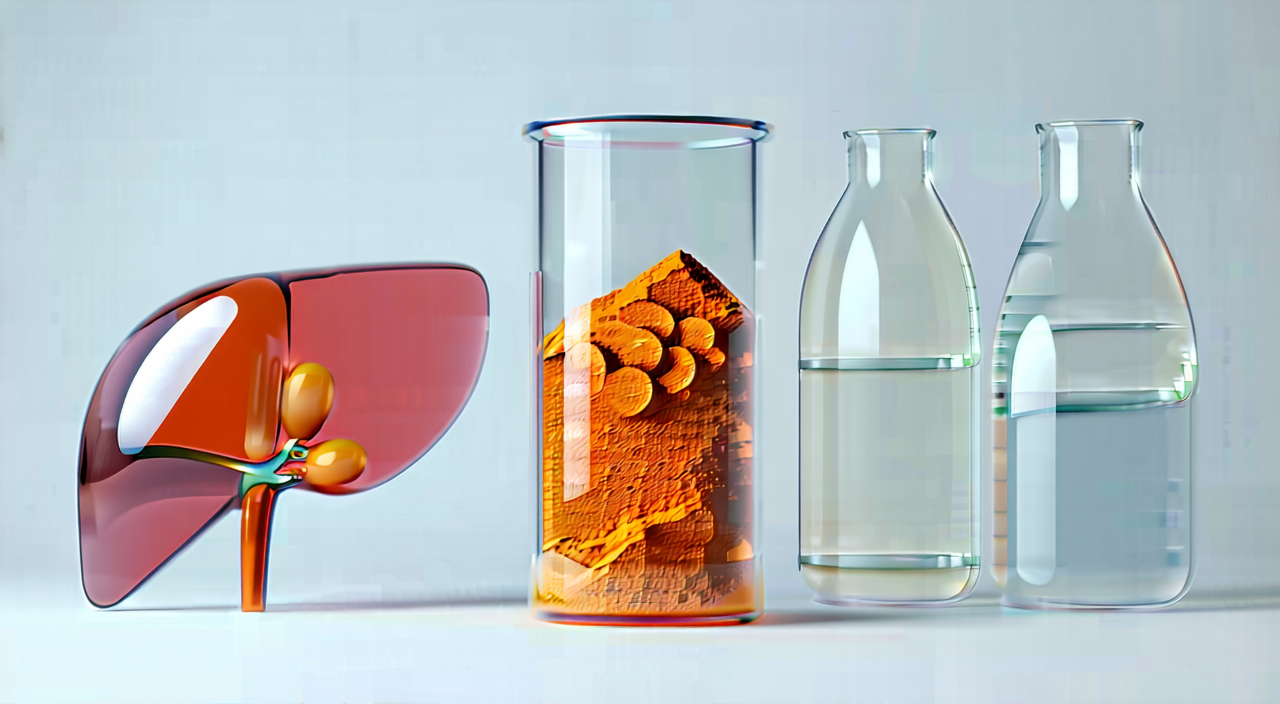
One major focus of modern safety discussions is arsenic exposure. The arsenic in realgar exists in compound form, and its absorption, metabolism, and elimination in the body are affected by dosage, method of use, preparation quality, duration of contact, and individual health status. Repeated or excessive exposure may increase health risks. The fact that some traditional preparations have a long history does not mean that long-term use is harmless.
Effects on the Liver, Kidneys, and Nervous System
Arsenic exposure may affect the liver, kidneys, nervous system, and other bodily systems. Symptoms vary according to the degree of exposure and may include nausea, vomiting, abdominal pain, diarrhea, fatigue, dizziness, and numbness in the limbs. It may also create a more subtle burden on internal organs. If suspected poisoning occurs, do not wait for symptoms to resolve on their own and do not continue taking the product or try to treat the problem with another folk remedy. Contact local emergency services or a medical institution promptly, and keep the relevant medicine, packaging, and exposure information if possible.
Why Heating Requires Particular Caution
Realgar should not be heated, burned, calcined, or used to produce so-called smoke for warding off evil. Heating may alter the form of arsenic compounds and increase exposure to smoke, volatile substances, or particulate matter, thereby raising the risk of inhalation. Homes generally lack the professional ventilation, testing, and protective equipment required for such activities. Color changes or odors after heating must not be used as identification methods.
What Is the Difference Between Realgar, Cinnabar, and Sulfur?
Realgar, cinnabar, and sulfur may all appear in traditional medicine or folk-custom contexts, but they are not the same substance.
| Comparison | Realgar | Cinnabar | Sulfur |
|---|---|---|---|
| Common colors | Orange-red to dark red | Vermilion, bright red, or dark red | Yellow to pale yellow |
| Main component | Primarily arsenic disulfide | Primarily mercury sulfide | Primarily elemental sulfur |
| Mineral category | Arsenic-containing mineral | Mercury-containing mineral | Sulfur-element mineral or related preparation |
| Primary safety concerns | Arsenic exposure and inhalation risks when heated | Mercury exposure and related toxicity risks | Flammability, irritation, and risks from improper use |
Similar colors do not mean that these substances can replace one another. Cinnabar must not be used as realgar, and sulfur should not be considered a lower-risk substitute simply because it is also used in traditional medicine. None of the three is suitable for casual ingestion, burning, or mixing as an ordinary household material. When purchasing a traditional preparation, rely on the official ingredient label rather than color or folk names.
Which Formulas May Contain Realgar?
Some traditional formulas and Chinese patent medicines may contain realgar, including Angong Niuhuang Wan, Niuhuang Jiedu Wan, Xionghuang Jiedu Wan, and Zijin Ding. However, different historical versions, manufacturing standards, manufacturers, and product specifications may vary. The name of a formula alone cannot establish that a current product definitely contains realgar, and different products must not be substituted for one another.
What Should You Check When Learning About a Formula?
Traditional Chinese patent medicines such as Angong Niuhuang Wan are often studied and described as formulas associated with traditional emergency care or heat-clearing approaches. Niuhuang Jiedu Wan, Xionghuang Jiedu Wan, and Zijin Ding may also be discussed in relevant traditional Chinese medicine contexts. This information is provided only as general education about formulas and traditional applications. It is not treatment advice for individual symptoms and does not mean that readers can choose or use these products on their own.
If you need information about a specific product, check the ingredients, directions and dosage, contraindications, and precautions on the actual packaging, and confirm that the product comes from a legitimate source. Suitability still depends on an overall assessment of constitution, symptoms, medical history, current medications, and professional advice. If symptoms are severe or recurrent, or are accompanied by marked anxiety, depression, palpitations, chest tightness, pain, abnormal breathing, severe abdominal pain, persistent vomiting, black stools, or unexplained weight loss, consult a physician or qualified professional promptly rather than trying a formula containing realgar on your own.
What Precautions Are Needed When Using Realgar?
First, do not take realgar internally on your own, and do not add loose realgar to alcohol, tea, decoctions, or food. Soaking it in alcohol does not eliminate the risk of arsenic exposure and may instead create problems such as unknown composition, uncontrolled dosage, and prolonged exposure. Do not heat, burn, or calcine realgar, use it for indoor fumigation, or place its powder around children, pregnant people, or pets.
Second, people who are pregnant, planning a pregnancy, children, breastfeeding individuals, and patients with liver disease, kidney disease, or nervous system disorders should avoid handling or using it without professional guidance and should consult a doctor when necessary. Anyone receiving other medical treatment should also tell their doctor or pharmacist about possible exposure to a realgar-containing preparation.
If realgar is accidentally swallowed or heated fumes are inhaled, or if persistent nausea and vomiting, abdominal pain, diarrhea, marked fatigue, dizziness, altered consciousness, or numbness in the limbs occurs, seek medical attention immediately. Do not induce vomiting on your own, do not continue taking so-called detoxification folk remedies, and provide medical staff with the product packaging, remaining sample, and details about the time of exposure. This article is intended only as educational information about traditional Chinese medicine and cannot replace professional diagnosis or treatment advice.
Summary
Realgar is an orange-red mineral medicine composed mainly of arsenic disulfide. Visual identification cannot replace proper authentication, and realgar should not be treated as an ordinary insect repellent or festival material. Compared with cinnabar and sulfur, realgar has a different composition and a distinct risk of arsenic exposure. Related formulas should be understood only as traditional medicinal applications; any actual contact with or use of them should follow product instructions and professional advice. Seek medical attention immediately if suspected poisoning or significant abnormal symptoms occur. This article is for educational reference only and cannot replace professional medical advice.