
What Is Snow Lotus? Medicinal Parts, Identification, and Common Preparations
What is snow lotus? In Chinese-language contexts, the term usually refers to Asteraceae plants such as Saussurea involucrata that grow in cold, high-altitude mountain regions. It may also be used broadly for several alpine plants with similar appearances. Because names, habitats, and commercial forms can easily be confused, many people also want to know what snow lotus looks like, which parts have traditionally been used, and whether it is related to yacon.
It is important to note that some wild snow lotus species grow slowly and live in specialized environments, and their wild resources are protected. Ordinary consumers should not enter the mountains to dig up these plants or participate in the collection, transportation, or sale of materials from unknown sources. This article is intended for general education about plants and traditional medicinal materials and does not constitute individualized medical advice.
What Does Snow Lotus Look Like? How Can It Be Identified?

Snow lotus is commonly found in cold, mountainous, and other specialized habitats. The plants are usually relatively short, with leaves arranged in a rosette at the base. The leaves are often thick, with hairs visible along their edges and surfaces. These features help reduce the effects of low temperatures, strong winds, and water loss. The appearance may vary among species and at different growth stages, so a specific species cannot be identified solely from online images or common names.
In terms of overall form, the inflorescence of snow lotus plants is usually located at the center of the plant and has the capitulum structure commonly seen in the Asteraceae family. Purple-brown, pale yellow, or lightly colored bracts may surround the inflorescence. The bracts cluster together in layers, making the structure look like a large flower from a distance. The dense hairs on the plant surface are another relatively distinctive characteristic.
However, similar appearance does not mean that the medicinal materials come from the same source. Habitat, scientific name, collection source, identification records, and processing methods generally need to be assessed using professional botanical classification or medicinal-material identification methods. For dried products, the leaves, inflorescence, color, smell, and degree of completeness should also be examined. Bright color or large size alone does not mean that a product is of better quality.
What Are the Medicinal Parts of Snow Lotus?
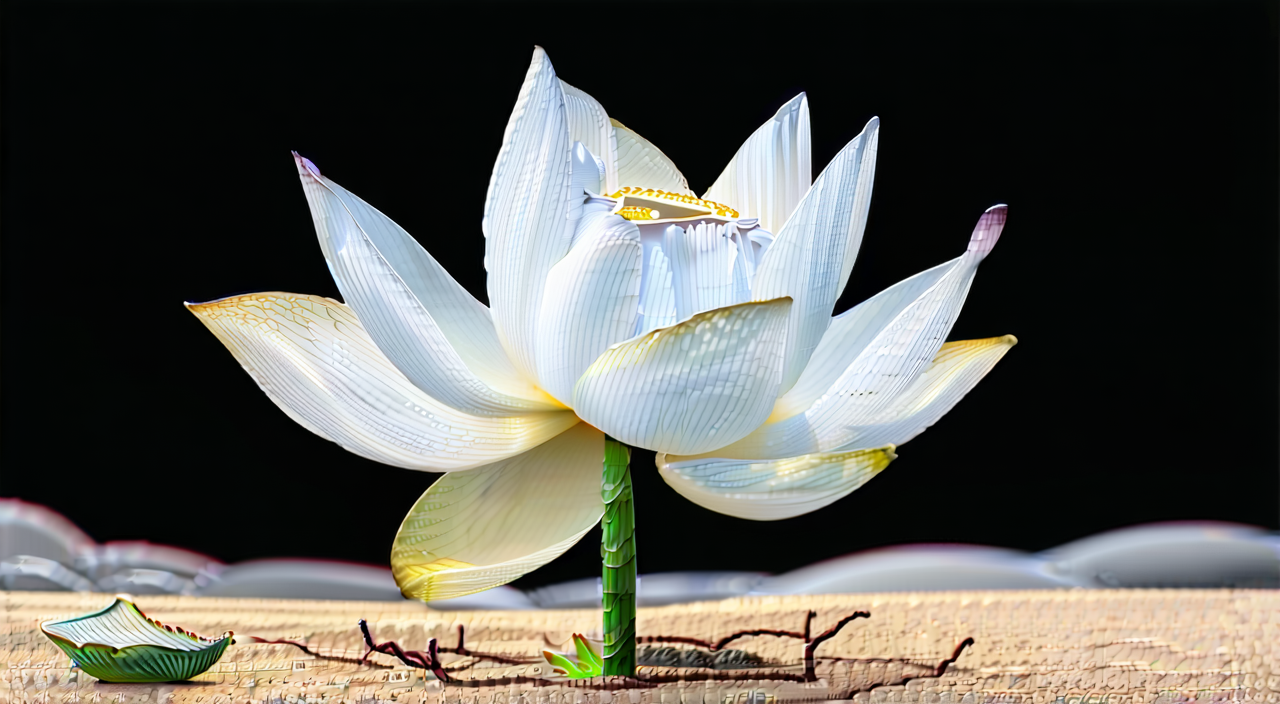
In traditional medicinal and ethnic medicine contexts, the material used in connection with snow lotus generally refers to the above-ground parts of the plant. Some sources also call this the whole herb, including the leaves, stems, and inflorescences. The specific part used may vary according to the plant species, local practices, preparation standards, and product approval information. Therefore, not every product labeled “snow lotus” should be considered the same medicinal material.
Traditional harvesting may involve removing the entire plant, including the roots, which can affect the recovery of natural populations. For wild snow lotus species, conservation applies not only to the flowers but also to the complete biological resources, including the roots, stems, leaves, and seeds. Artificial propagation, regulated cultivation, or legally approved sources of raw materials are important ways to reduce pressure on wild resources. However, cultivated materials should also have clear records of their variety, origin, and quality.
When reviewing related preparations, consumers should pay attention to the product name, ingredient labeling, approval information, directions and dosage, and storage requirements. Promotional terms such as “high-altitude,” “wild,” or “rare” cannot establish whether the raw materials are compliant with regulations, nor can they be used to infer the intended users or value of the product.
How Do Traditional Chinese and Ethnic Medicines View Snow Lotus?
In traditional Chinese medicine and the experience of some ethnic medical systems, snow lotus is often understood in terms of its cold, high-altitude environment, traditional properties, and use in overall formulas. Common traditional descriptions include dispelling wind-dampness, warming and supporting yang in the kidneys, and regulating menstruation. These are expressions of traditional theory and experience, however, and do not constitute confirmation of efficacy for diseases by modern medicine or mean that the herb is suitable for everyone.
Traditional use often takes constitution, cold-heat and deficiency-excess patterns, symptoms, age, sex, and concurrent medications into consideration. Even among preparations associated with snow lotus, formulas, dosages, manufacturing processes, and approved uses may differ. When dealing with traditional formulas, ethnic medicine combinations, or Chinese patent medicines, decisions should be based on the product information, individual circumstances, and professional advice rather than applying traditional descriptions independently.
What Does Modern Research Say About Snow Lotus?
Modern research generally examines snow lotus plants through areas such as phytochemical constituents, antioxidant-related indicators, cell experiments, animal studies, and quality control of preparations. Laboratory findings can help researchers propose hypotheses, analyze constituents, and explore possible mechanisms, but they cannot be directly equated with actual effects in humans.
Determining whether a preparation is suitable for a particular population also requires attention to whether the research subject matches the actual product, as well as the sample size, study design, dosage, observation period, and records of adverse reactions. In vitro and animal studies cannot replace well-designed human clinical evidence. For problems that persist, recur, or involve significant discomfort, snow lotus or related preparations should not be used in place of medical evaluation.
What Is the Difference Between Snow Lotus, Yacon, and Rhodiola?
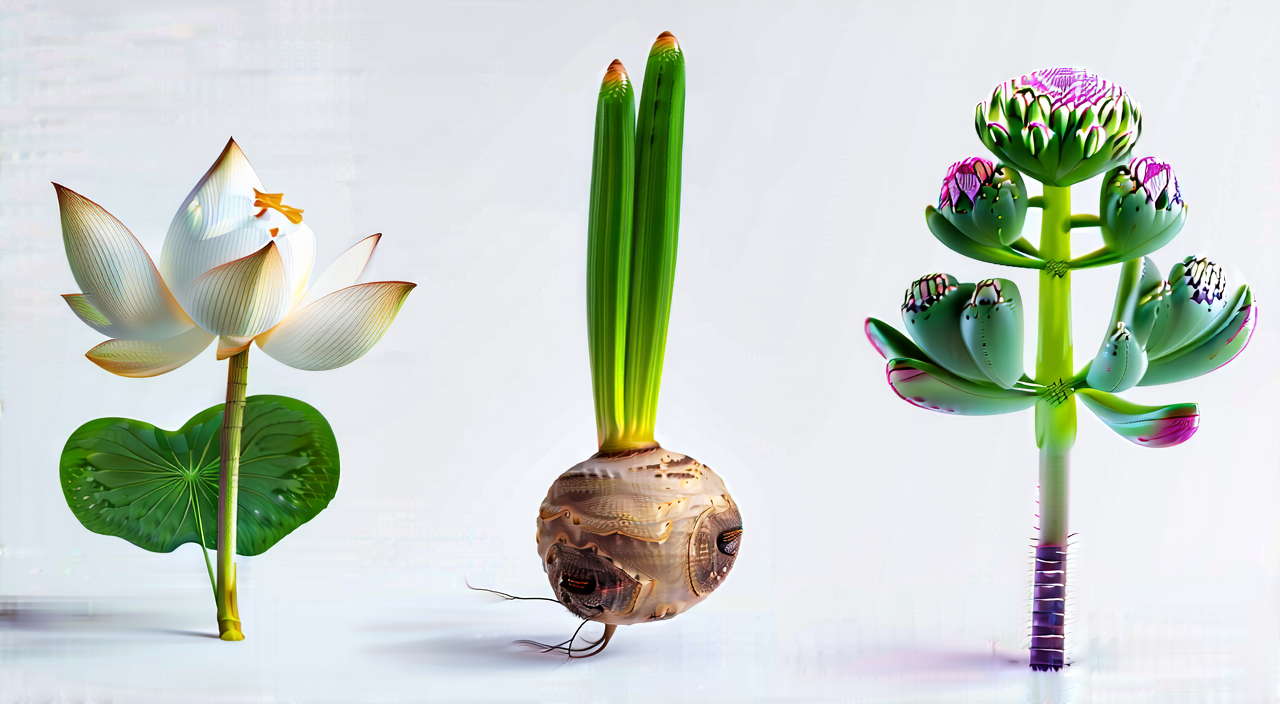
Although snow lotus, yacon, and Rhodiola all contain the character associated with “snow” in some common names or are often discussed in connection with alpine plants, they are not the same plant.
| Subject | Plant and habitat characteristics | Parts commonly discussed | Main identification features |
|---|---|---|---|
| Snow lotus | Usually refers to alpine Asteraceae plants such as Saussurea species | Above-ground parts or the whole herb | Rosette-shaped leaves, hairs, bracts, and a central capitulum |
| Yacon | A different plant, generally recognized as a crop grown for its edible tuberous roots | Tuberous root | Its appearance and culinary use are more similar to root vegetables |
| Rhodiola | A plant related to the Crassulaceae family, commonly found in high-altitude or cold regions | Usually the roots and rhizomes | Its fleshy roots and rhizomes, inflorescences, and leaves differ from those of snow lotus |
In this context, the “flower” in snow lotus is more often a commercial or traditional name and should not be used to associate it with the tuberous root of yacon. Rhodiola is not another name for snow lotus. Before purchasing or using any related product, first confirm the scientific name, source plant part, and product ingredients to avoid confusion caused by similar names.
What Common Preparations Contain Snow Lotus?
In commercial and medical contexts, various dosage forms may be encountered, including snow lotus oral liquids, ethnic medicine formulas containing snow lotus ingredients, and regulated topical preparations. Some legally approved products may also involve injections. Injections require strict adherence to approval information, healthcare-facility management, and administration by trained professionals. They should not be confused with herbs purchased for personal use or ingredients intended for homemade medicinal liquor.
When the same plant material is made into different dosage forms, its constituent concentration, intended uses, contraindications, and directions may all differ. Oral liquids, tablets, topical preparations, and injections cannot be substituted for one another, and dosage should not be adjusted based on online anecdotes. Information about these products should be based on the package insert, label, and approval information for a legally marketed product. Whether a product is appropriate still depends on the individual’s constitution, symptoms, medical history, and concurrent medications.
What Precautions Should Be Taken When Using Snow Lotus?
First, people who are pregnant, planning to become pregnant, or breastfeeding, as well as those with a tendency to bleed, menstrual abnormalities, or current use of anticoagulant or antiplatelet medicines, should consult a doctor or pharmacist before use. Traditional descriptions involving menstrual regulation or warming and supporting functions do not mean that these products can be used independently during such periods.
Second, do not dig up or purchase wild snow lotus from unknown sources. Wild resources may be subject to conservation regulations, while unverified dried products may involve species confusion, mold, contamination, coloring, or improper storage. Claims such as “aged for many years,” “the darker the color the better,” or “the larger the whole plant the better” cannot replace formal identification and quality testing.
Third, it is not advisable to soak snow lotus in alcohol for personal use, drink it over a long period, or combine it with multiple warming herbs without professional guidance. Alcohol, herbal constituents, and other medicines may interact, while long-term or excessive use increases uncertainty and potential risks. If a rash, abdominal discomfort, nausea, dizziness, unusual bleeding, or other symptoms occur, stop using the product independently and seek professional help promptly.
If symptoms are severe, last for a long time, or recur, or if they are accompanied by significant anxiety, depression, palpitations, chest tightness, pain, abnormal breathing, severe abdominal pain, persistent vomiting, black stools, unexplained weight loss, or other concerning signs, consult a doctor or qualified professional as soon as possible. Do not rely solely on herbs or health products for management.
Summary
Snow lotus usually refers to Asteraceae plants from cold, high-altitude regions, such as Saussurea involucrata. The parts traditionally used are generally the above-ground portions or the whole herb, but the specific source, species, and preparation standards must be verified. Snow lotus is not the same plant as yacon or Rhodiola, and wild resources should not be dug up or traded without authorization. When using oral, topical, or other legally approved preparations, decisions should be based on the product information, individual circumstances, and professional advice. This article is for educational reference only and cannot replace professional diagnosis or treatment advice.