
What Is Dayflower? Medicinal Parts, Identification, and Common Herbal Formulas
What is dayflower? Many people encounter this plant with small blue flowers along field edges, in damp grasslands, or near courtyards, but it is easily confused with ornamental plants and bamboo-leaf herbs. Dayflower refers to the dried aerial parts of a plant in the Commelinaceae family. In traditional Chinese medicine, it is commonly understood as an herb used in approaches related to clearing heat, resolving toxicity, and promoting urination. It is important to note that closely related ornamental plants or plants with a similar appearance may occur in the wild, so they should not be collected and used based solely on flower color.
What Does Dayflower Look Like? How Can It Be Identified?
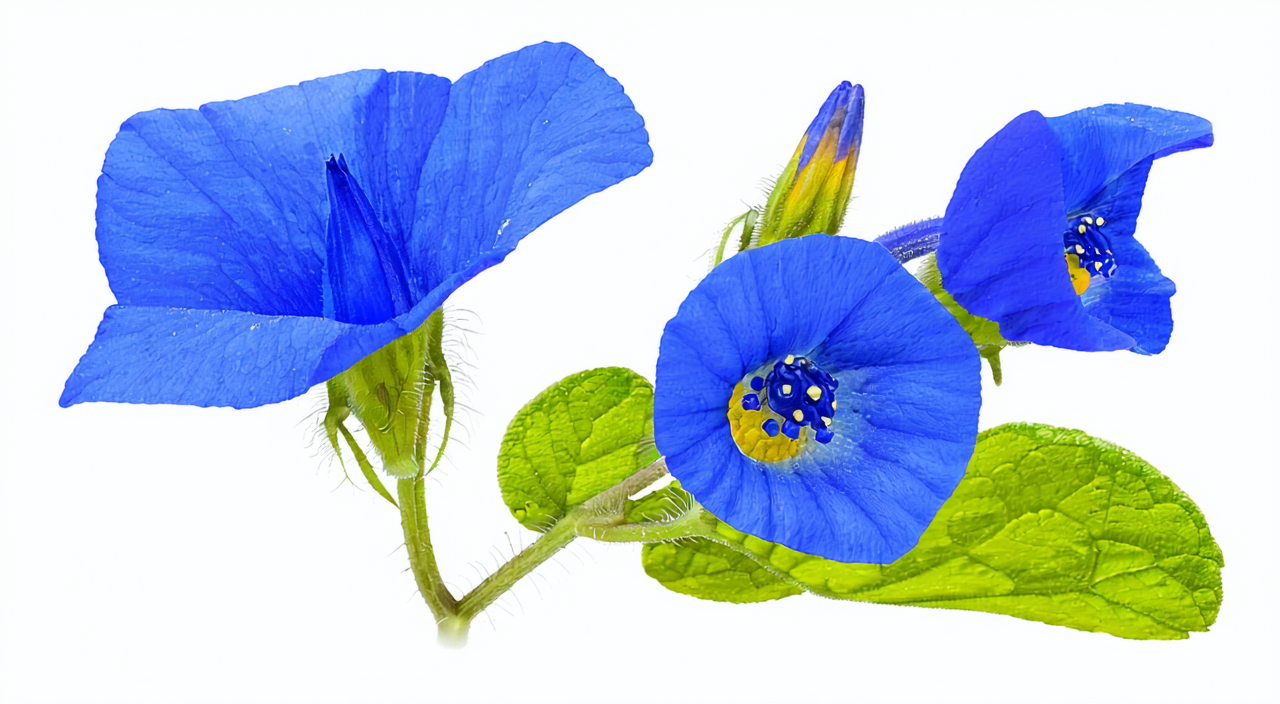
Examine the Creeping Stems and Leaves
Dayflower is generally an annual herb that commonly grows in fields, along roadsides, beside ditches, and in relatively damp environments. Its stems are usually soft, with the base often lying on the ground or growing in a creeping manner. Roots may sometimes develop at the nodes, while the upper portions gradually extend upward. The leaves are alternate and are generally lanceolate or narrowly ovate-lanceolate, with pointed tips, green surfaces, and a relatively soft texture.
The base of the petiole commonly has a noticeable leaf sheath, which surrounds the stem and is an important feature to note when identifying dayflower. The sheath is usually tubular, and its edges may have fine hairs. Compared with plants that have more densely arranged leaves and harder, more upright stems, dayflower appears generally tender, and the plant often spreads along the ground or remains close to the ground.
Examine the Blue Petals and Capsule
Dayflower flowers usually emerge from within or near the leaf sheath. During the flowering period, they display vivid blue petals. They are commonly described as having two prominent blue petals on the upper side and another smaller or paler petal below. The flower form is not the same as that of common ornamental plants with blue flowers. After flowering, the plant develops capsules containing seeds when mature.
Identification should be based on the stem, leaves, leaf sheath, flowers, and fruit together rather than on the blue petals alone. Plant size, flower intensity, and growth habit may vary between regions. If the plant is intended for use as a Chinese medicinal herb, it is best to select processed herbal slices from a clearly identified source with standardized processing and quality information. This helps prevent ornamental plants from the same genus or other similar herbs from being mixed into the material.
What Is the Medicinal Part of Dayflower?
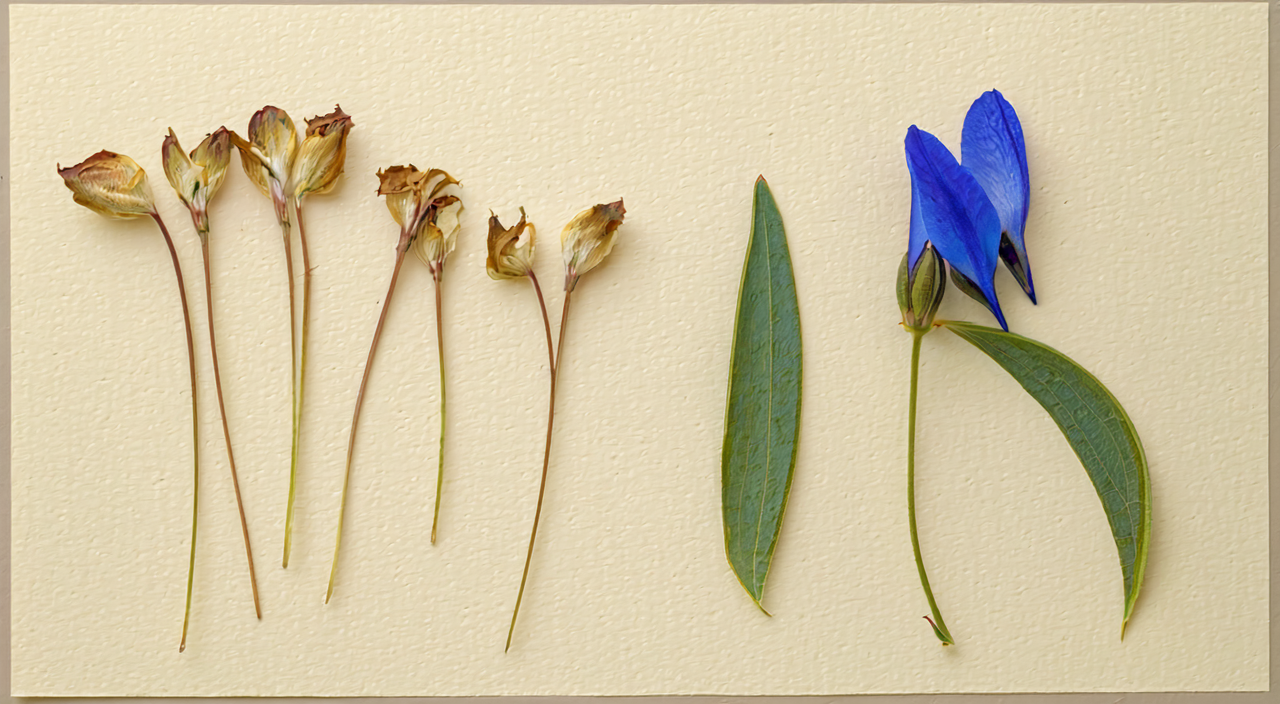
The medicinal part of dayflower is mainly its dried aerial portion, meaning the stems, leaves, flowers, and other parts above the soil. The roots are generally not considered the primary medicinal part. Traditional harvesting is commonly carried out during the flowering period or when the plant is growing vigorously. The aerial parts are cut, cleared of impurities, sorted, and dried to produce the medicinal material.
The color, odor, and texture of dried dayflower may be affected by the harvesting time, place of origin, and processing method. Standard herbal slices generally require quality-control procedures such as identification, cleaning, and drying. When purchasing or using the product, check the product name, medicinal part, place of origin, batch information, and storage requirements. Fresh herbs collected from the wild are difficult to authenticate and may also be exposed to pesticides, herbicides, heavy metals, or environmental pollutants. For this reason, wild-collected plants should not be used directly for tea, decoctions, or topical application.
How Is Dayflower Understood in Traditional Chinese Medicine?
Traditional Chinese medicine commonly understands dayflower from the perspectives of clearing heat and purging fire, resolving toxicity, and promoting urination to reduce swelling. Related uses are often associated with pattern-based approaches to signs such as internal heat, throat discomfort, sores and swelling, or difficult urination. These descriptions represent traditional applications within Chinese medicine theory and do not indicate definite efficacy for specific diseases or replace a modern medical diagnosis.
According to traditional descriptions of its nature, flavor, and meridian affiliations, dayflower is generally categorized as an herb with a tendency to clear and resolve heat and promote urination. Practitioners do not determine whether to use it based on a single symptom. They also consider the tongue, pulse, patterns of cold, heat, deficiency, and excess, dietary circumstances, and other medicines being taken. People with the same symptoms, such as dry mouth, reduced urination, or throat discomfort, may require different approaches depending on their constitution. Other people’s formulas or dosages should not be copied without assessment.
If persistent high fever, obvious edema, continuously reduced urine output, chest tightness, shortness of breath, palpitations, or other progressively worsening symptoms occur, consult a doctor or qualified professional promptly. Infections and kidney, cardiovascular, or other medical problems should first be evaluated before considering whether a traditional herb is appropriate as a complementary option.
What Areas Can Modern Research Focus On?
Modern research on dayflower commonly examines its phytochemical constituents, antioxidant-related activity, laboratory microbiological experiments, inflammation models, and preliminary observations related to diuretic effects. Laboratory studies can help researchers understand the compounds in the herb and potential mechanisms of action, but results from cell or animal studies cannot be directly equated with effects in humans. Nor can they be used to conclude that the herb is suitable for treating a particular disease.
The plant materials, extraction parts, processing methods, and experimental conditions used in different studies may vary considerably, so their findings cannot always be directly compared. When reading related information, consumers should distinguish between basic research, observational data, and clinical evidence. The phrase “research has found” should not be interpreted as an individualized usage recommendation. A fuller understanding of dayflower still requires more standardized human research and quality standards.
What Is the Difference Between Dayflower, Bamboo Leaf, and Lophatherum Leaf?
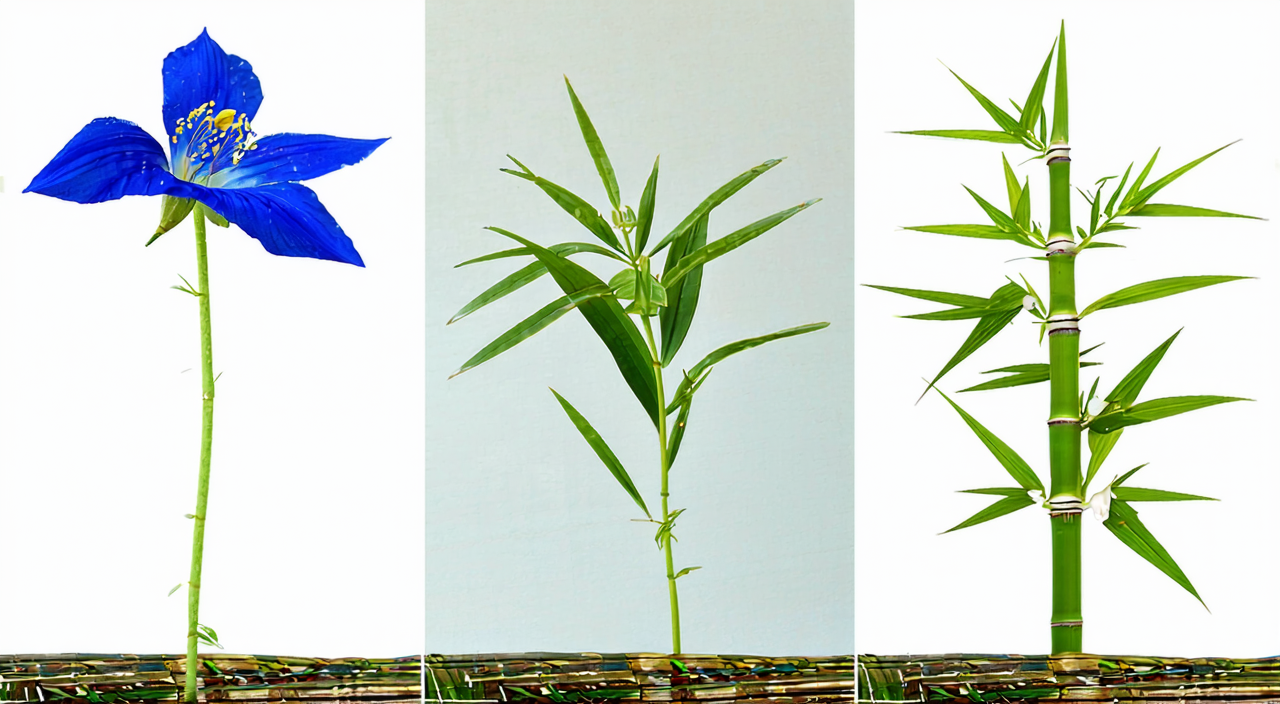
Although dayflower, bamboo leaf, and lophatherum leaf may all appear in discussions of Chinese herbs used for clearing heat or promoting urination, they are not the same plant. Their medicinal parts and external features also differ significantly.
Dayflower is a soft herbaceous plant. Its stems often creep or lie close to the ground, its leaves are alternate, and the bases have leaf sheaths. Blue petals may be seen during the flowering period, followed by capsules. Bamboo leaf generally refers to the leaves of bamboo plants. The leaves are narrow and elongated, with a relatively firm texture and clearly parallel veins. The plant grows from woody or semi-woody bamboo culms and generally does not produce the blue flowers seen on dayflower. Lophatherum leaf is the dried aerial part of another grass-family plant. Its leaves are usually linear-lanceolate, its culms are relatively slender, and its overall form differs from dayflower’s leaf shape, soft stems, and blue flowers.
Identification should consider the leaf veins, stem firmness, leaf arrangement, presence of a leaf sheath, and whether blue flowers are present. It is unreliable to identify an herb simply because “the leaves look like bamboo leaves” or because it is traditionally associated with clearing heat and promoting urination. Identification of processed herbal slices should be performed by experienced professionals or through a reliable quality-control system.
What Herbal Formulas Contain Dayflower?
In traditional medical texts and local herbal practices, dayflower may be found in related formulas such as Dayflower Decoction. It may also be included in formulas intended to clear heat and promote urination or in combinations used traditionally for topical detoxifying purposes. The ingredients, proportions, processing requirements, and intended users of different formulas vary. Formulas with similar names may also differ by region, so medicines should not be prepared solely according to a formula name.
Dayflower Decoction can serve as an example for understanding the traditional combination strategies associated with dayflower, but its specific ingredients and scope of use should be determined according to reliable medical texts, official product information, or professional judgment. Formulas for clearing heat and promoting urination are generally modified according to signs of heat, dampness, fluid metabolism, and individual constitution. Formulas used for traditional topical applications may follow a different approach, but when the skin is damaged, the person is prone to allergies, or signs of infection are pronounced, professional assessment is particularly important.
If you are also taking prescription medicines, diuretics, antihypertensive drugs, or other herbs, inform your doctor or pharmacist. The selection of formulas, herbal slices, and proprietary Chinese medicines should be based on an overall assessment of individual constitution, symptoms, product information, and professional advice. Fixed formulas found online should not be treated as individualized treatment plans.
What Precautions Should Be Taken When Using Dayflower?
People with a cold and weak digestive system, a tendency toward diarrhea, poor appetite, or sensitivity to cooling herbs should consult a Chinese medicine practitioner or pharmacist before using herbs traditionally viewed as clearing and promoting urination. Those with low blood pressure or who are taking antihypertensive drugs or diuretics should also be aware of possible additive effects and should not use dayflower on their own for a prolonged period or in large amounts.
Pregnant or breastfeeding people, children, older adults, and those with abnormal liver or kidney function should obtain professional advice before use. During pregnancy in particular, compound herbal medicines should not be taken independently based on folk experience. For topical use, confirm the herb’s source and the correct method of application. Avoid applying untreated, freshly collected wild plants directly to wounds, around the eyes, or on mucous membranes. If redness, swelling, itching, stinging, or other discomfort occurs, stop using the product and seek help.
Wild collection of dayflower also involves the risks of misidentification and pesticide residues. Plants growing along roadsides, field edges, or drainage ditches may come into contact with pollutants. Even if their appearance is similar, they should not be regarded as qualified medicinal herbs. If persistent high fever, obvious or recurrent edema, abnormal urination, severe abdominal pain, persistent vomiting, black stools, unexplained weight loss, abnormal breathing, chest tightness, or palpitations occur, seek medical care promptly. Do not delay evaluation by using dayflower or other herbs.
Summary
Dayflower is mainly used medicinally in the form of its dried aerial parts. Identification should involve a combined examination of its creeping stems, alternate lanceolate leaves, leaf sheaths, blue petals, and capsules, while distinguishing it from bamboo leaf and lophatherum leaf. Traditional Chinese medicine generally understands dayflower in relation to clearing heat, resolving toxicity, and promoting urination. Related formulas should be considered together with individual constitution and symptoms. This article is for general educational reference only; confirm the source of the herb and consult a qualified professional before use.