
What Is Coix Seed? Medicinal Parts, Identification Methods, and Common Formulas
The term coix seed (Yi Yi Ren) often reminds people of the pearl barley commonly eaten in daily life. In fact, coix seed comes from the mature kernel of the grass plant Job’s tears (Coix lacryma-jobi), widely used in traditional Chinese diet and medicine. However, it should be noted that commercially available pearl barley usually refers to the hulled kernel for food use; in Chinese herbal medicine, coix seed is used either raw or stir-fried, differing in processing and application. For overseas readers wanting to understand coix seed, clarifying its appearance, medicinal part, relationship with traditional formulas, and differences from similar food and medicine ingredients is a practical starting point.
What Does Coix Seed Look Like? How to Identify?
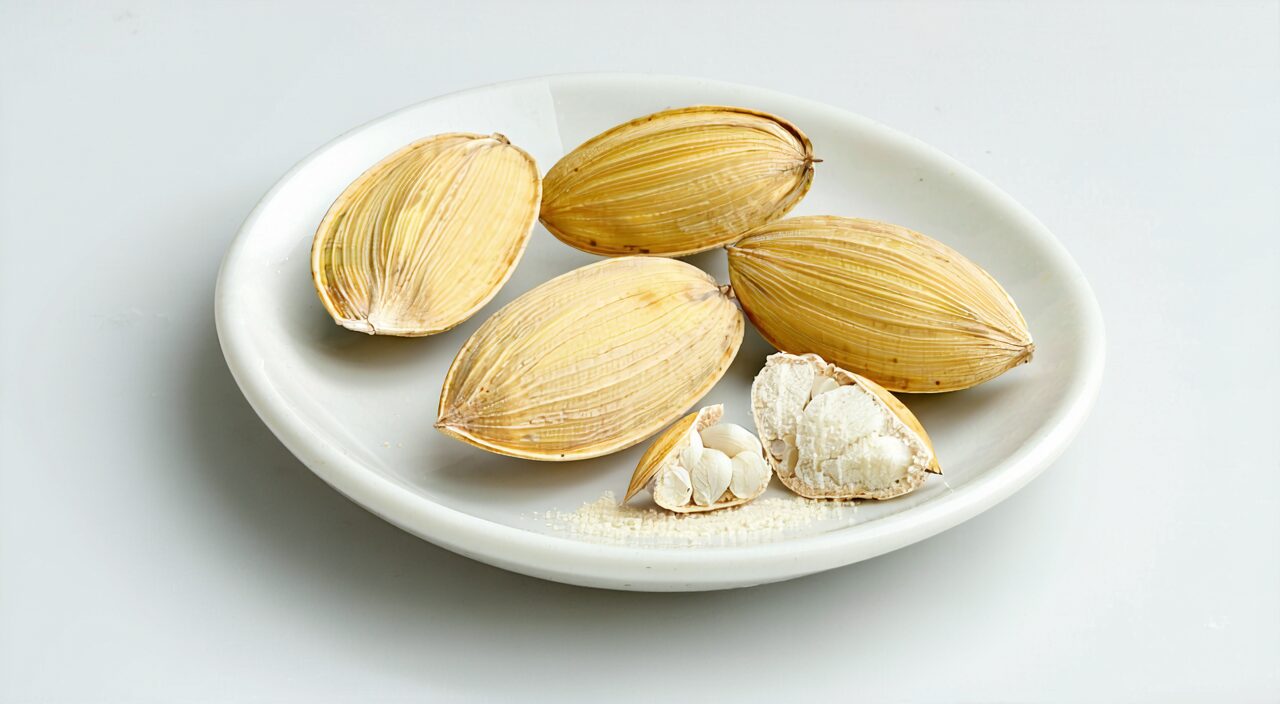
Coix seed kernels are mostly broadly ovate or oblong, 4–8 mm long and 3–6 mm wide. The surface is white or yellowish-white, sometimes with a small amount of residual light brown seed coat. One end is blunt and rounded, while the other end is broader but slightly concave, with a conspicuous deep groove—a key identification feature. The texture is firm, and the cross-section is starchy and white, with a fine, smooth feel when rubbed between the fingers. The odor is faint and the taste slightly sweet; a slight starchiness when chewed serves as a subsidiary way to identify pure coix seed. If the kernels are extremely uniform in size, overly white, and lack the groove, one should watch for possible over-processing or admixture. Traditionally, stir-fried coix seed is also commonly used in Chinese herbal decoction pieces; it appears slightly scorched yellow with a somewhat toasty aroma, yet the overall shape and characteristics are retained.
What Is the Medicinal Part of Coix Seed?
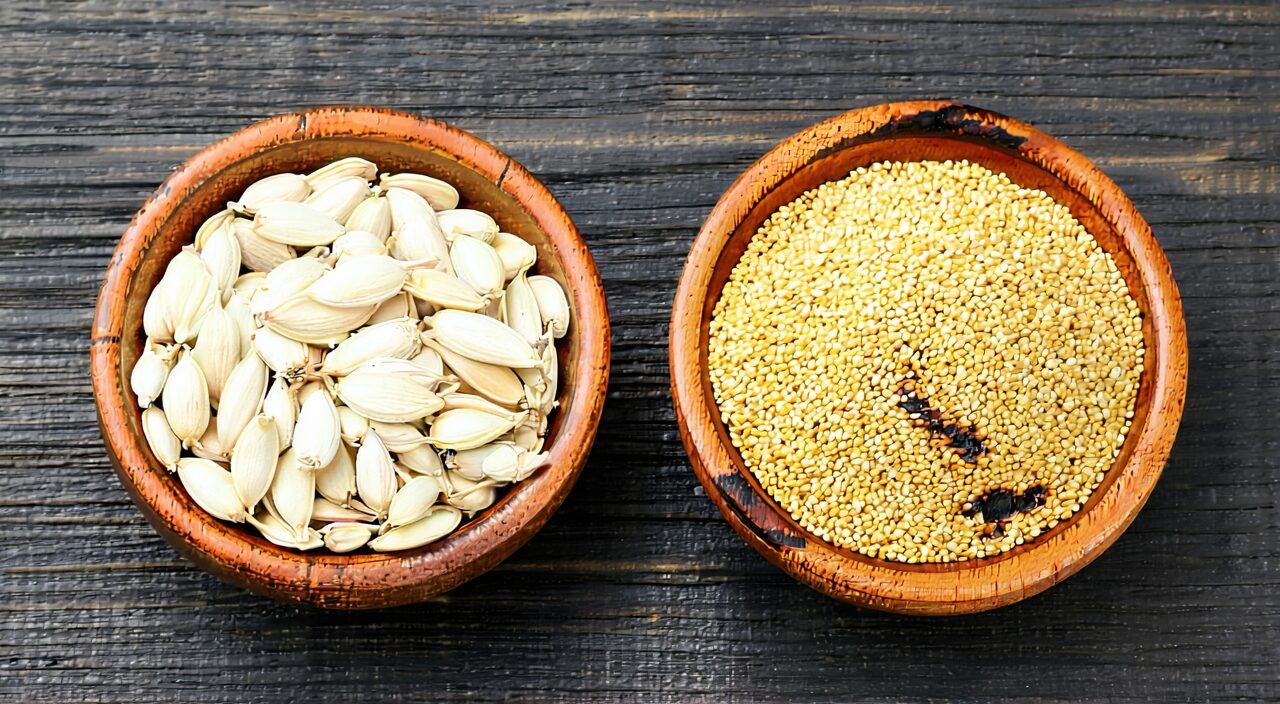
The medicinal part of coix seed is the dried mature kernel of the grass plant Job’s tears (Coix lacryma-jobi). After the mature fruit spikes are harvested, the husk and seed coat are removed, the kernels are collected and dried in the sun to obtain raw coix seed. Stir-fried coix seed is made by dry-frying clean coix seed over a gentle flame until slightly yellow with light scorch marks, then removing and cooling. In bran-fried coix seed, wheat bran is added during stir-frying to enhance the aroma and spleen-strengthening effect, but this form is not commonly seen on the market. In traditional application, raw coix seed and stir-fried coix seed have slightly different emphases: the raw product leans more toward draining water, percolating dampness, expelling pus, and relieving impediment, while the stir-fried product moderates the cool nature and is more notable for strengthening the spleen and stopping diarrhea. It is worth noting that pearl barley sold as food may only undergo simple hulling, retaining high kernel integrity, but coix seed used medicinally as a decoction piece generally requires stricter standards; it should be free of insect damage, mold, or excessive broken grains.
How Does TCM Understand Coix Seed?
In traditional Chinese medicine theory, coix seed is classified as a water-draining and dampness-percolating herb. It is sweet and bland in flavor, cool in nature, and enters the spleen, stomach, and lung meridians. Traditionally, its actions are understood from the following perspectives:
- Draining water and percolating dampness: For conditions such as inhibited urination, edema, and beriberi with swelling caused by internal water-dampness retention, coix seed is often used as a pathway to help the body expel excess water-dampness. Its action is relatively gentle, and because it can also strengthen the spleen, it appears in many approaches for addressing heavy dampness.
- Strengthening the spleen and stopping diarrhea: Since it can percolate spleen dampness, coix seed is helpful for diarrhea and loose stools due to spleen deficiency with exuberant dampness. Stir-fried coix seed, in particular, has a stronger spleen-strengthening and diarrhea-arresting effect.
- Relieving impediment (Bi): For heaviness of the limbs, joint soreness, and sinew contracture caused by dampness lodging in the meridians, coix seed can percolate dampness and free the impediment, soothe the sinews, and is often used in combination with other medicinals.
- Expelling pus and resolving abscesses: In cases of internal abscesses such as lung abscess and intestinal abscess accompanied by pus, coix seed has the traditional application of clearing the lung to expel pus and benefiting the intestines to resolve abscesses, helping to discharge pus.
When used for draining water, coix seed is often combined with Poria and Alismatis Rhizoma; for dispelling dampness and relieving impediment, it is frequently paired with Atractylodis Rhizoma and Stephaniae Tetrandrae Radix; for expelling pus, it is often used together with Herba Patriniae and Herba Houttuyniae. These combination approaches reflect how TCM comprehensively addresses dampness at different stages and sites. As can be seen, most applications of coix seed revolve around “dampness,” but whether it suits a particular constitution still needs to be determined based on individual circumstances and professional judgment.
Some Findings from Modern Research
In modern pharmacological research, coix seed has been found to contain polysaccharides, coixenolide, fatty acids, sterols, and other constituents. Some experiments show that coix seed extracts possess immunomodulatory, anti-inflammatory, analgesic, and to some extent antioxidant effects. Researchers have also paid attention to the potential of coixenolide in helping inhibit the proliferation of certain tumor cells. However, most of these studies are in vitro or animal experiments and cannot be directly equated with clinical effects. For general readers, these may serve as background knowledge but should not be used as a basis to replace conventional medical treatment on one’s own.
Differences Between Coix Seed, White Hyacinth Bean, and Euryale Seed
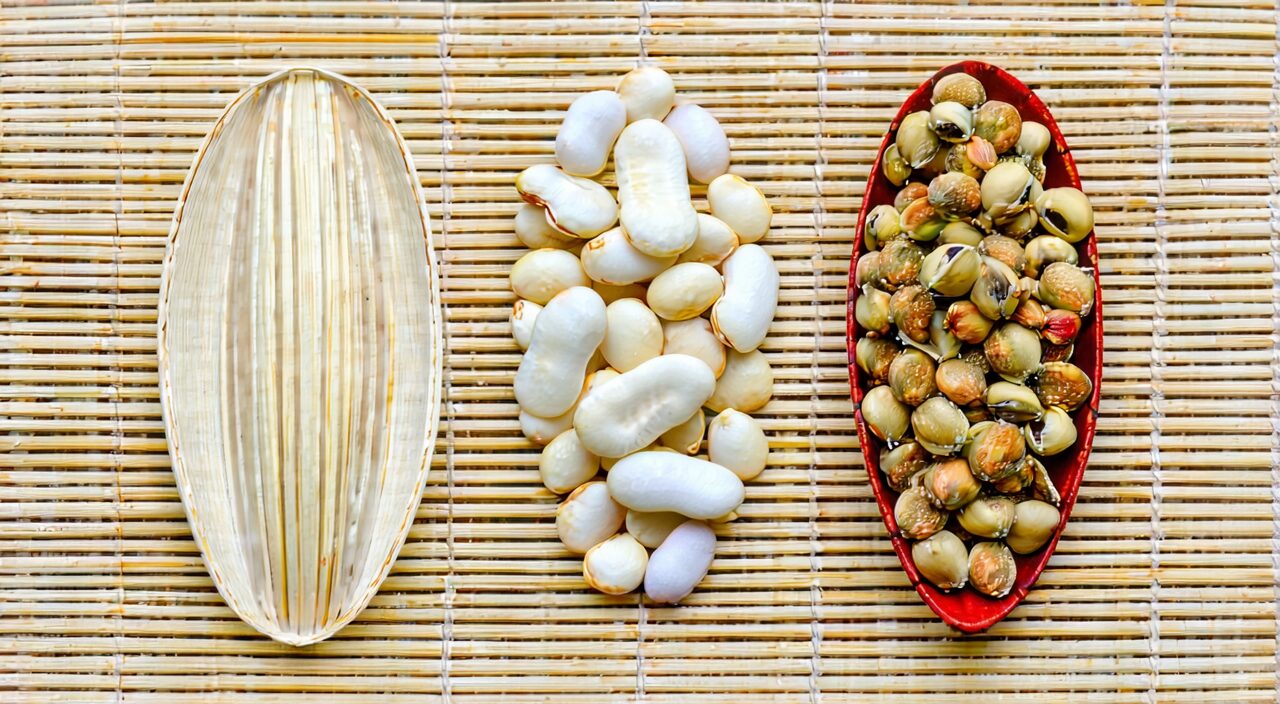
Coix seed, white hyacinth bean, and Euryale seed are easily compared in daily life because all three often appear in food therapies and formulas for dispelling dampness and strengthening the spleen. They do have some similarities, but the differences are also obvious.
In terms of plant source: coix seed comes from the kernel of the grass plant Job’s tears; white hyacinth bean is the mature seed of the legume plant lablab; and Euryale seed is the mature kernel of the water lily plant Euryale ferox. In appearance, coix seed kernels are relatively small, broadly ovate, and have a deep groove; white hyacinth bean is flat-elliptical, with a white raised hilum on one side and a smooth surface; Euryale seed is nearly spherical, almost perfectly round, with a brownish-red residual protrusion at one end, and is very hard in texture.
The emphasis in traditional application differs: coix seed primarily drains water and percolates dampness while also strengthening the spleen; white hyacinth bean has a stronger spleen-strengthening and dampness-transforming action, with the added feature of harmonizing the middle and relieving summerheat, often used for spleen deficiency with exuberant dampness and summer-dampness damaging the middle; Euryale seed excels in boosting the kidney and securing essence, supplementing the spleen to stop diarrhea, and eliminating dampness to arrest vaginal discharge, with a more pronounced astringing action, making it more commonly used for conditions involving unconsolidated discharge. Therefore, when selecting, they cannot be simply interchanged; the choice must consider the direction—whether it is water-dampness, spleen deficiency, or securing and astringing.
Which Formulas Use Coix Seed?
Coix seed plays an important role in several classical formulas. Below are a few common representative formulas:
- Yiyi Fuzi Baijiang San (Coix, Aconite, and Patrinia Powder): Originating from Jingui Yaolüe (Essentials from the Golden Cabinet), it consists of coix seed, prepared aconite, and Herba Patriniae. Traditionally used for intestinal abscess that has already formed pus, it employs coix seed to expel pus and resolve abscess, combined with aconite to warm yang and patrinia to clear heat and resolve toxins. This formula illustrates the approach of combining cold and warm medicinals.
- Shenling Baizhu San (Ginseng, Poria, and Atractylodes Macrocephala Powder): Contains coix seed, ginseng, Atractylodis Macrocephalae Rhizoma, Poria, Dioscoreae Rhizoma, and others. It primarily aims to boost qi, strengthen the spleen, percolate dampness, and stop diarrhea, often used for reduced appetite, loose stools, shortness of breath, and fatigue due to spleen deficiency with exuberant dampness. Coix seed assists in strengthening the spleen and percolating dampness in this formula.
- San Ren Tang (Three Kernel Decoction): Composed of apricot kernel, white cardamom kernel, coix seed, and others. It is used for the early stage of damp-warmth disease or summerheat with dampness where the pathogen is in the qi aspect, manifesting as headache, aversion to cold, body heaviness, pain, and afternoon fever. As one of the “three kernels,” coix seed works to percolate and drain damp-heat.
- Ma Xing Yi Gan Tang (Ephedra, Apricot Kernel, Coix, and Licorice Decoction): This is Ma Huang, Xing Ren, Yi Yi Ren, and Gan Cao, also from Jingui Yaolüe. It is used for wind-dampness in the exterior with generalized body pain, fever that worsens in the afternoon. In this formula, coix seed percolates dampness and relieves impediment, working together with ephedra and apricot kernel to disseminate and diffuse lung qi and expel exterior dampness, while licorice harmonizes the medicinals.
The application of these formulas has its own specific emphases. Whether they suit an individual case should be determined based on specific symptoms, constitution, and professional advice; one should not apply them mechanically on one’s own.
What Precautions Should Be Taken When Using Coix Seed?
Although coix seed is often regarded as a mild regulating substance, several points should be kept in mind when using it. First, traditional experience advises that pregnant women should use coix seed with caution because of its slippery, promoting nature, which may have potential effects during pregnancy. Second, for people with insufficient body fluids and pronounced dry, bound stools, the water-draining and dampness-percolating action of coix seed may further aggravate fluid depletion, so it is not particularly suitable for single, large-dose use. In addition, a small number of individuals may be sensitive to components of coix seed; when trying it for the first time, one may start with a small amount and observe. Furthermore, the quantity of pearl barley used as food should not be equated with that of medicinal coix seed: daily dietary use generally involves smaller amounts, while medicinal use often employs larger dosages within a formula where the overall combination exerts a synergistic effect. If accompanied by severe edema, persistent diarrhea, intense abdominal pain, wasting, or black stool, one should promptly seek medical attention rather than relying solely on coix seed for regulation. Those with long-term or recurring discomfort should also consult a doctor or healthcare professional.
Summary
As a representative water-draining and dampness-percolating medicinal, coix seed has fairly distinct characteristics in appearance, medicinal part, and functions. Understanding what it looks like, how it differs from white hyacinth bean and Euryale seed, and its role in common formulas can help readers make clearer identifications when needed. Nevertheless, any traditional regulating approach should be combined with one’s actual personal situation, and professional guidance should be sought when necessary. This article is for knowledge reference only and cannot replace professional diagnosis or advice.