
What Is Houttuynia Cordata? Medicinal Parts, Identification, and Common Formulas
When people mention Houttuynia cordata, many first think of that dish of cold-tossed “folded ear root” on the dinner table. In fact, in traditional Chinese medicine, Houttuynia cordata is a medicinal herb with a long history of use. It comes from the fresh whole plant or dried aerial parts of Houttuynia cordata Thunb., a member of the Saururaceae family. Because of its distinct fishy smell, it is commonly called “fishy-smelling herb” or fish mint. For overseas users who wish to understand this herb from a traditional materia medica perspective, getting to know its appearance, medicinal parts, and its relationship with the edible root can help them view this herb more objectively.
What Does Houttuynia Cordata Look Like? How to Identify It?
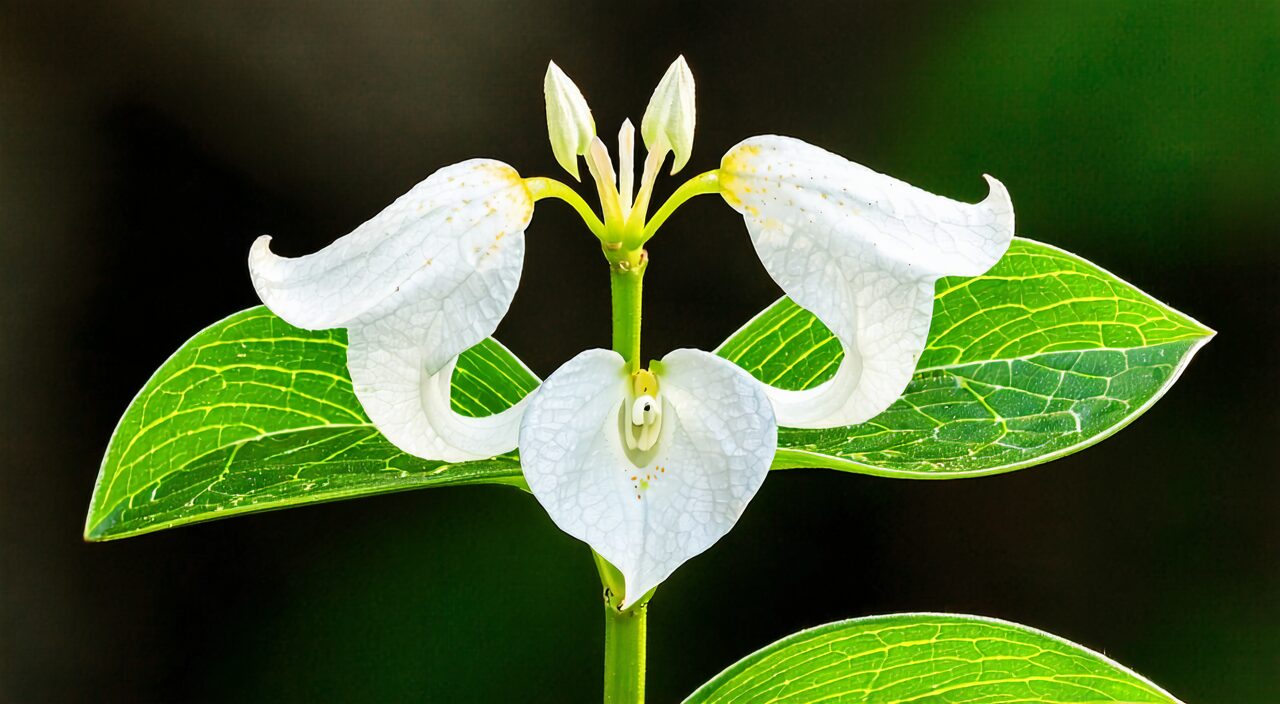
Houttuynia cordata has several distinctive features that make it relatively easy to distinguish from other herbs.
First, the leaves. They are alternate, usually heart-shaped or broadly ovate, with an acuminate tip, cordate base, entire margin, green upper surface, and sometimes purplish-red underside; the veins are quite distinct. The lower part of the stipule is fused with the petiole into a sheath that clasps the stem. When fresh leaves are crushed, they release a strong fishy smell, which is a key clue for identification.
Second, the stem. The aerial stem is flat-cylindrical, ribbed longitudinally, with obvious nodes; it is brittle and breaks easily, leaving an uneven fracture. The lower part often sprawls along the ground and roots at the nodes, so you may see adventitious roots growing from the nodes.
Third, the inflorescence. Flowering occurs between summer and autumn, producing a spike inflorescence on a long peduncle. At the base, there are four white involucral bracts that spread out like petals. The central spike is yellowish-green, tiny and dense, quite recognizable overall, though you may not always encounter it in bloom.
In summary, when heart-shaped leaves, jointed stems, a spike inflorescence with white bracts, and that unique fishy smell all appear together, you can be fairly sure it is Houttuynia cordata. If you are uncertain, avoid picking wild plants based on a single feature, to prevent confusion with other species.
What Are the Medicinal Parts of Houttuynia Cordata?
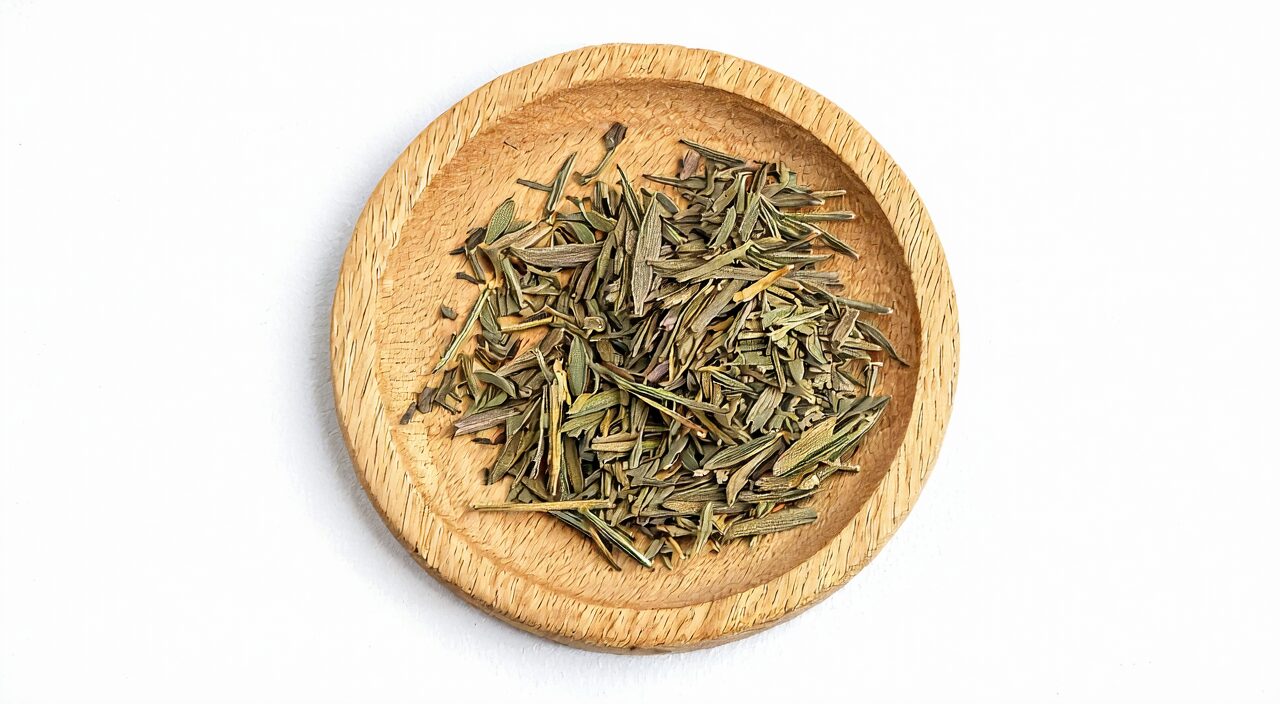
Traditionally, the use of medicinal parts is quite flexible. Most commonly, the medicinal part is the dried aerial portion—the leafy stems—harvested, cleaned of impurities, and dried or used fresh. Some herbal texts also record the use of the whole plant, including some underground parts along with the aerial portions.
Fresh and dried products are used somewhat differently. Fresh Houttuynia cordata has a stronger smell and is traditionally used externally or in decoctions for washing or fumigation. Dried material is easier to store and combine in formulas, and is more commonly seen in decoctions or patent medicines. In cross-border trade of prepared slices or crude herbs, the dried aerial part is the more common form.
One important point: the “folded ear root” commonly eaten as food refers mainly to the underground stem of the plant. In the medicinal context, this is not typically the primary medicinal part. Therefore, eating a plate of cold-tossed folded ear root cannot be equated with using the medicinal aerial parts of Houttuynia cordata; their emphasis and application contexts differ considerably.
How Does Traditional Chinese Medicine View Houttuynia Cordata?
In traditional Chinese medical theory, Houttuynia cordata is generally classified as entering the Lung meridian, with a pungent flavor and slightly cold nature. Descriptions of its actions in classical herbals largely focus on clearing heat, resolving abscesses and expelling pus, and promoting urination and relieving strangury.
In terms of clearing heat, its pungency can disperse and its coldness can clear heat. For external contraction of wind-heat causing fever, cough, sore throat, and similar presentations, it is sometimes used in traditional formulas. Especially when there is cough with thick yellow sputum related to lung heat, practitioners may combine it with herbs such as Platycodon root and Scutellaria root, as one approach to clearing lung heat.
For resolving abscesses and expelling pus, Houttuynia cordata has attracted attention in conditions like lung abscess and intestinal abscess. Lung abscess can be understood roughly as a pulmonary abscess presenting with coughing up foul-smelling purulent sputum and chest pain. In traditional formulas, it is often combined with Coix seed, wax gourd seed, and peach kernel to promote expectoration and disperse pus. However, these are formula strategies for specific patterns, and whether such an approach is appropriate must be determined by an experienced Chinese medicine practitioner based on the four diagnostic methods.
Regarding promoting urination and relieving strangury, Houttuynia’s cold nature is thought to clear damp-heat from the bladder. For symptoms such as painful urination and dark, rough, hot strangury, it is traditionally combined with herbs like Plantago and lygodium spore. But presentations of damp-heat strangury are complex, and self-treatment is not recommended.
In short, TCM’s understanding of Houttuynia cordata centers on clearing, resolving, and unblocking, which is related to its pungent, cold, and dispersing characteristics. These are empirical summaries from traditional experience, and whether they suit an individual must be seen in the context of constitution and overall pattern differentiation.
What Does Modern Research Say About Houttuynia Cordata?
Modern research on Houttuynia cordata mainly focuses on its volatile oils, flavonoids, and other constituents. Some in vitro and animal studies suggest that Houttuynia extracts may have certain inhibitory effects on some bacteria and viruses, with houttuynin (decanoyl acetaldehyde) considered an important contributor to this action. In addition, the herb may possess anti-inflammatory, immunomodulatory, and diuretic effects to some degree, but most conclusions remain based on laboratory studies or small-scale observations.
It must be emphasized that such research provides leads for further development, but does not mean that simply consuming or using Houttuynia cordata will produce those pharmacological effects, nor can it replace necessary standard medical care. The general consumer may view modern studies as one aspect of understanding a traditional herb, but should not equate them with a promise of clinical efficacy.
What Is the Difference Between Houttuynia Cordata and “Folded Ear Root”?
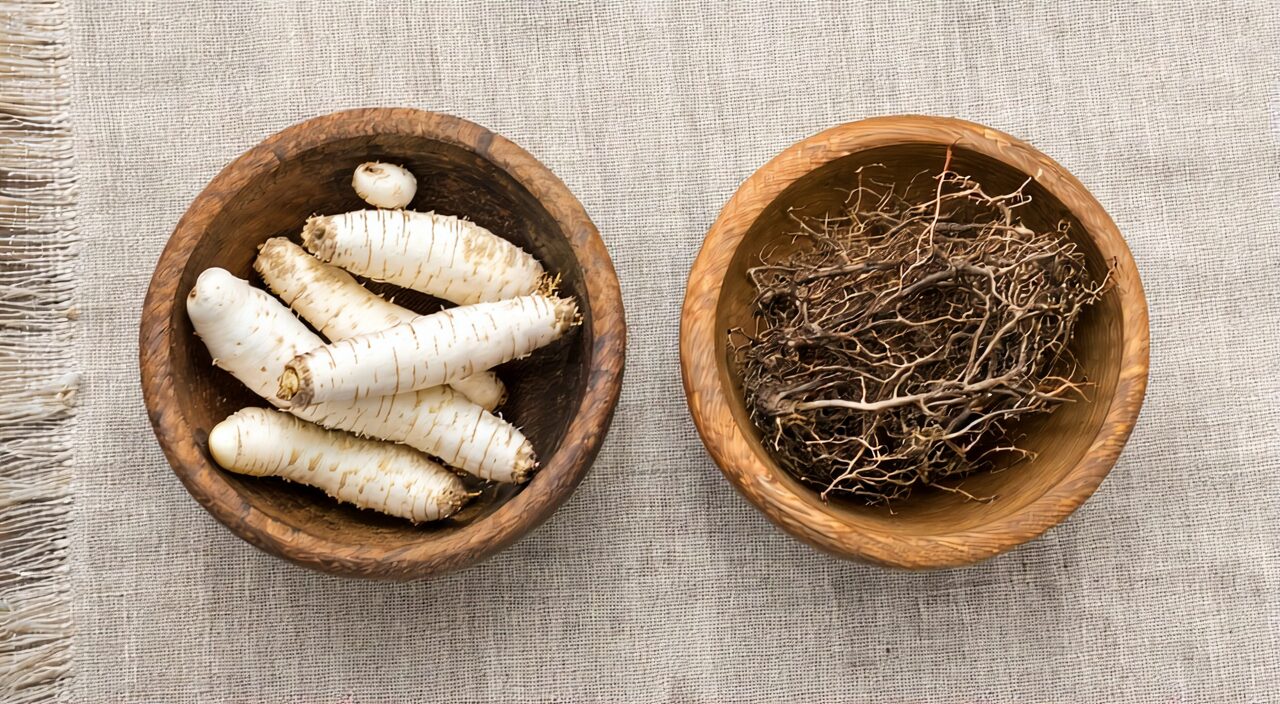
The term “folded ear root” (zhe er gen) is especially popular in southwestern China. It most often refers to the underground stem of the plant, though sometimes it is loosely used for the whole plant. The core meaning is that white, tender, distinctly jointed rhizome used in cold salads, stir-fries with cured meat, or dipping sauces.
In the Chinese herbal medicine context, “fishy-smelling herb” (yu xing cao) usually emphasizes the aerial parts—the leafy stems. Although they come from the same plant, there are several straightforward differences:
First, the part used. The aerial part consists mainly of stems and leaves, sometimes with inflorescences visible; the folded ear root is mainly the underground creeping stem with fibrous roots at the nodes, somewhat resembling lotus root segments in cross-section.
Second, smell and texture. Fresh folded ear root has an earthy note and a fishy smell when broken, but it is crisp, tender, and juicy when chewed. The dried aerial parts of Houttuynia cordata have a milder smell and a dry, fragile texture.
Third, context of use. Folded ear root is more of a vegetable or seasoning ingredient. Although there is a folk practice of boiling it in water to drink, this cannot be equated with the standardized processing and formula-based use of Chinese herbal medicine. As a medicinal herb, Houttuynia cordata needs to be used under the guidance of Chinese medicine theory in appropriate formulas, and should not be regarded simply as an everyday vegetable.
Understanding this distinction is particularly useful for overseas users: if you simply want to try eating folded ear root, you can buy it fresh at an Asian supermarket. But if you wish to learn about Houttuynia cordata from a traditional medicinal perspective, you should pay attention to the properly harvested and dried aerial parts.
Which Herbal Formulas Include Houttuynia Cordata?
In historical formulas, Houttuynia cordata often appears as part of heat-clearing and abscess-resolving combinations, used in prescriptions related to lung abscess, phlegm-heat cough, and heat strangury. The following formulas are representative in tradition and are provided for informational purposes only; they are not suitable for everyone.
One is Houttuynia Decoction (Yu Xing Cao Tang), an empirical formula in which Houttuynia cordata serves as the sovereign herb. It is often combined with Platycodon root, reed rhizome, Coix seed, and wax gourd seed for managing the abscess-forming stage of lung abscess, with the approach of clearing heat, transforming phlegm, and expelling pus. However, the composition and dosages usually need to be adjusted according to the pattern, and there can be variations among different schools of practice.
Another is Supplemented Platycodon Decoction (Jia Wei Jie Geng Tang), which builds upon the base formula Platycodon Decoction by adding herbs such as Houttuynia cordata to strengthen the ability to clear the lung and expel pus. Platycodon Decoction itself is a classic small formula for lung abscess with cough and chest fullness. When supplemented, it may more specifically target patterns of phlegm-heat obstructing the lung with purulent sputum, but again it is not within the scope of self-selected over-the-counter use.
A third example is Houttuynia Cordata Mixture (Yu Xing Cao He Ji), commonly seen among modern Chinese patent medicines. It combines Houttuynia cordata with other heat-clearing herbs such as Scutellaria root, forsythia, and woad root, formulated as oral liquids or granules for auxiliary management of wind-heat colds, sore throat, and acute tonsillitis. When overseas users encounter such products, they should read the instructions carefully, clarify the applicable presentations and contraindicated populations, and ideally use them under the guidance of a professional knowledgeable about Chinese and Western medicine interactions.
These formulas and products reflect the thinking of combination and synergy in formula design; single-herb Houttuynia cordata does not simply produce the same effects. Whether a formula is suitable depends on one’s constitution, symptoms, and overall pattern differentiation, so it is advisable to consult a qualified Chinese medicine practitioner before use.
What Precautions Should Be Taken When Using Houttuynia Cordata?
Although Houttuynia cordata has been widely used in tradition, there are several important cautions.
First, risk of allergy. Some people may be allergic to Houttuynia cordata, especially to its volatile oil components. If you have previously experienced rash, itching, or breathing difficulties after contact with or consumption of the herb or folded ear root, you should avoid using products containing Houttuynia cordata.
Second, caution for those with spleen-stomach deficiency cold. The herb’s nature is somewhat cold. Those who usually have a weak and cold spleen-stomach, with tendencies to diarrhea, cold abdominal pain, or poor appetite, may find their digestive burden worsened by prolonged or large-dose use. Traditionally, it would either be combined with warming and spleen-strengthening herbs, or avoided altogether.
Third, historical risks with injections. In China, there was a history of using Houttuynia cordata injections, which later led to safety concerns, and the national drug regulatory authorities subsequently adjusted and restricted their scope of use. This mainly concerns intravenous preparations and is not directly equivalent to oral or topical use of crude herb slices. However, it highlights that administration routes for Houttuynia-related products require extra caution, and the route must never be changed without authorization.
Fourth, consumption as food cannot replace treatment. Cold-tossed folded ear root is a flavorful side dish that contains certain nutrients, but its concentration is not on the same level as that of the medicinal dried aerial parts. Do not expect to resolve respiratory or urinary discomfort by eating large amounts of the root, and certainly do not use it to substitute for a confirmed standard treatment.
Finally, if symptoms are severe, chronic, or accompanied by significant high fever, severe chest pain, bloody purulent sputum, breathing difficulty, or serious urinary problems, be sure to seek medical attention from a hospital first, rather than relying on a single herb or patent medicine.
Summary
Houttuynia cordata is a traditional medicinal herb used to clear heat, resolve abscesses, expel pus, promote urination, and relieve strangury. Its main medicinal part is the aerial portion, which differs in part used and context from the edible “folded ear root.” Understanding its appearance, usage methods, and precautions helps one approach this botanical resource more rationally. Whether from a medicinal or food perspective, the use of Houttuynia cordata should take individual constitution into account. For severe, recurrent, or persistent discomfort, seek professional medical help and do not rely on Houttuynia cordata as a primary treatment on your own.