
What Is Gleditsia Fruit? Medicinal Parts, Identification, and Common Formulas
Many people first encounter Gleditsia fruit because of its distinctive dark brown-black pods or because they see the name in traditional herbal texts and formula references. Gleditsia fruit is not an ordinary food and should not be swallowed based on everyday assumptions. It comes from the mature fruit of the Chinese honey locust tree and contains strongly irritating saponins, which may particularly affect the gastrointestinal and respiratory systems. The following sections explain what Gleditsia fruit is and how to understand it cautiously from the perspectives of plant morphology, medicinal parts, traditional theory, common formulas, and safety.
What Does Gleditsia Fruit Look Like?
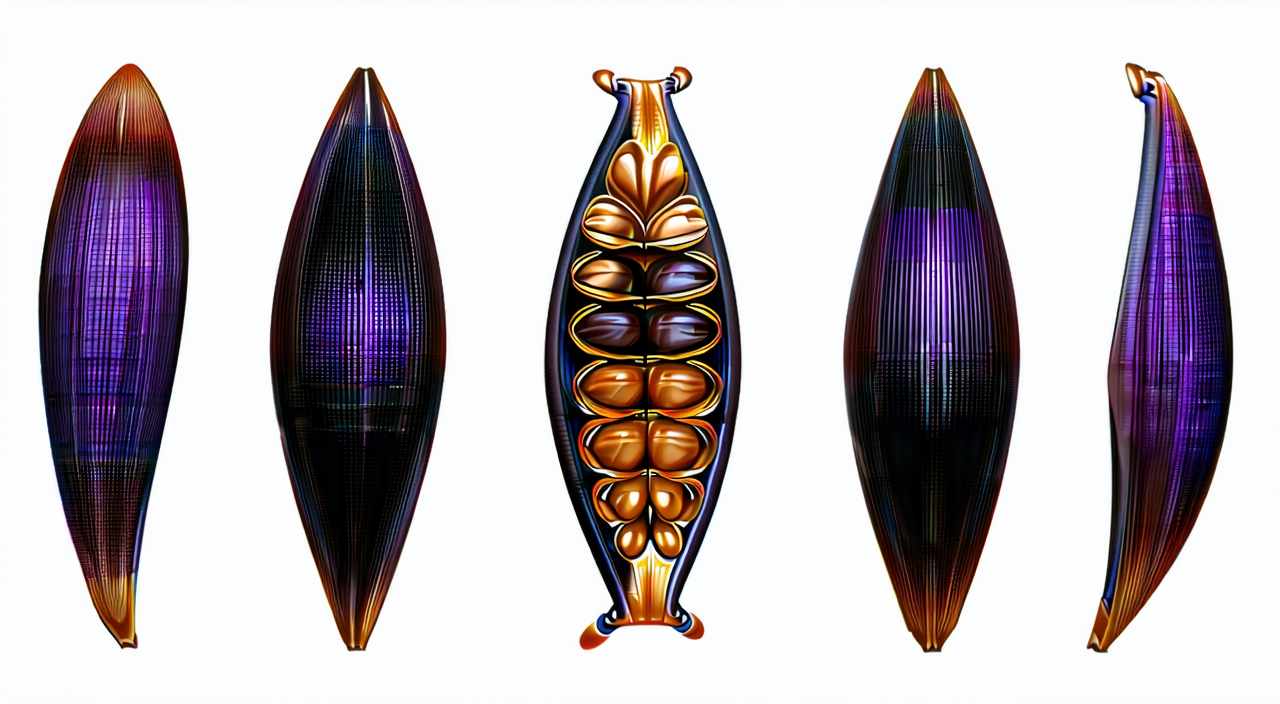
Gleditsia fruit usually refers to the mature pod of the leguminous Chinese honey locust, or Gleditsia sinensis. The Chinese honey locust is a deciduous tree whose branches often bear hard thorns. However, in the medicinal materials market, the term Gleditsia fruit primarily refers to the fruit rather than the thorns on the branches.
Mature Gleditsia pods are relatively easy to recognize. They are generally long, flattened, and strap-shaped, often reaching more than 10 centimeters in length. They may be curved, twisted, or slightly sickle-shaped. As the pods mature, their color is usually purplish-brown, blackish-brown, or dark brown. The surface is relatively hard and may have a slight sheen. Seeds are arranged along the length of the pod. They are generally hard, nearly round or oval, and dark in color.
Identification should take into account the shape, color, hardness, and arrangement of the seeds. Gleditsia fruit is not the same as an ordinary slender, soft bean pod, and it should not be identified solely by the presence of a black pod. Differences in growing region, harvest time, and degree of drying may affect the depth of color, curvature, and surface integrity. When purchasing or identifying medicinal materials, also consider a reliable source, the product name, and the opinion of a qualified professional to avoid confusing it with pods from other leguminous plants.
Which Parts of Gleditsia Fruit Are Used Medicinally?
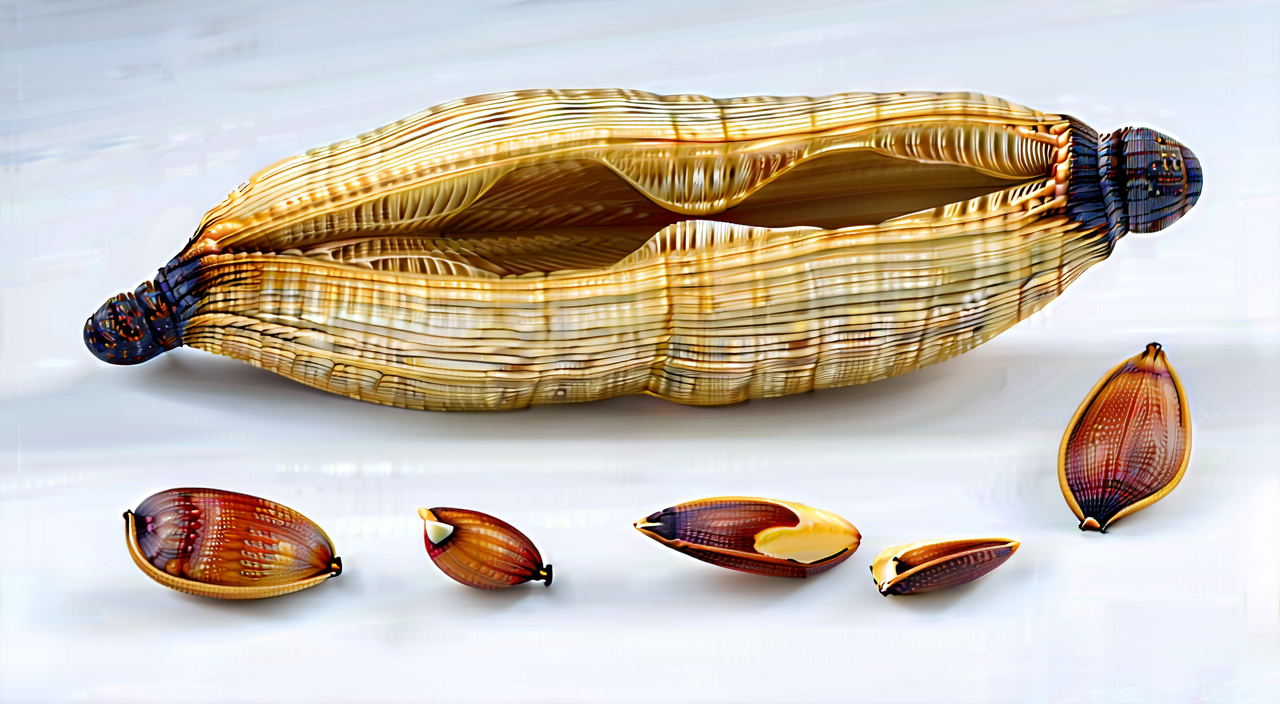
In the context of traditional herbal texts, Gleditsia fruit mainly refers to the mature fruit of the Chinese honey locust. After harvesting and drying, the fruit may be used as a traditional medicinal material. Here, “fruit” includes the outer pod and its internal structures, although the specific part used may differ among processed products and formula records.
References may also use terms such as “Gleditsia seed kernel” or “Gleditsia kernel,” which generally refer to the kernel inside the pod. The seed kernel and the intact pod are not identical in morphology, constituent distribution, traditional applications, or processing methods. Similar names do not mean that they can be substituted for one another freely. Some classical texts or local records may also refer to different processed forms of Gleditsia fruit. The relevant pharmacopoeia, prescription source, or product instructions should be followed.
It is especially important to understand that the medicinal part of Gleditsia fruit is not the same as an edible everyday food. Gleditsia fruit contains saponins and other constituents, and chewing or swallowing it without professional guidance may cause discomfort in the mouth, throat, or gastrointestinal tract. The name, part used, dosage, and preparation method of an herbal material are closely related. It should not be used solely on the basis of online images or an isolated folk remedy.
How Does Traditional Chinese Medicine Understand Gleditsia Fruit?
Traditional Chinese medicine commonly discusses Gleditsia fruit in terms such as “expelling stubborn phlegm,” “opening the orifices,” and “dispersing clumps and reducing swelling.” In traditional herbal and formula records, it is often described as a relatively harsh and strongly irritating medicinal material. Its traditional applications are generally discussed in the context of patterns involving excessive phlegm and saliva, blocked orifices, or localized phlegm accumulation. These descriptions belong to traditional theory and historical therapeutic experience. They are not equivalent to modern medical diagnoses and cannot determine whether the material is suitable for a particular person.
“Expelling stubborn phlegm” is a traditional term referring to thick phlegm and saliva that are difficult to expel. “Opening the orifices” is used in traditional formulas to describe manifestations such as obstruction of the respiratory passages or the orifices of the head and face. Because these terms do not correspond one-to-one with modern disease names, readers should not interpret them directly as treatment conclusions for a specific condition.
In traditional formulas, Gleditsia fruit is generally not an everyday wellness ingredient. It is a medicinal substance that requires pattern differentiation, appropriate combination with other materials, and dosage control. Constitution, the duration of symptoms, concurrent medications, and the processing method of the herbal material may all affect the decision to use it. These traditional applications should only serve as a reference for understanding traditional Chinese medicine. Suitability must still be assessed according to the individual’s circumstances and professional advice.
What Risks Are Considered in Modern Research?
One of the constituents of interest in Gleditsia fruit is saponin. Saponins are plant compounds with surface-active properties and may irritate mucous membranes. The content may vary according to the plant part, growing region, degree of maturity, and processing method. Therefore, the effects of all Gleditsia materials cannot be predicted from one fixed rule of thumb.
From a safety perspective, Gleditsia fruit may irritate the mouth, throat, and gastrointestinal tract after ingestion, causing nausea, vomiting, abdominal pain, or diarrhea. If powder or fine particles enter the respiratory tract, they may cause choking, throat irritation, or breathing discomfort. Some saponins have also been investigated experimentally for possible hemolytic effects at higher exposure levels. This is another important reason not to increase the dose, use the material for extended periods, or experiment with it at home.
“Natural” does not mean risk-free, and traditional records do not mean that a substance is suitable for everyone. Oral use, external application, decoction, and powdered preparations involve different exposure routes and may therefore present different risks. If accidental ingestion is followed by persistent vomiting, significant abdominal pain, abnormal breathing, difficulty swallowing, or changes in consciousness, seek medical help promptly. Do not simply continue observing the situation or try to neutralize it with other materials.
What Is the Difference Between Gleditsia Fruit, Gleditsia Spines, and “Soap Pods”?
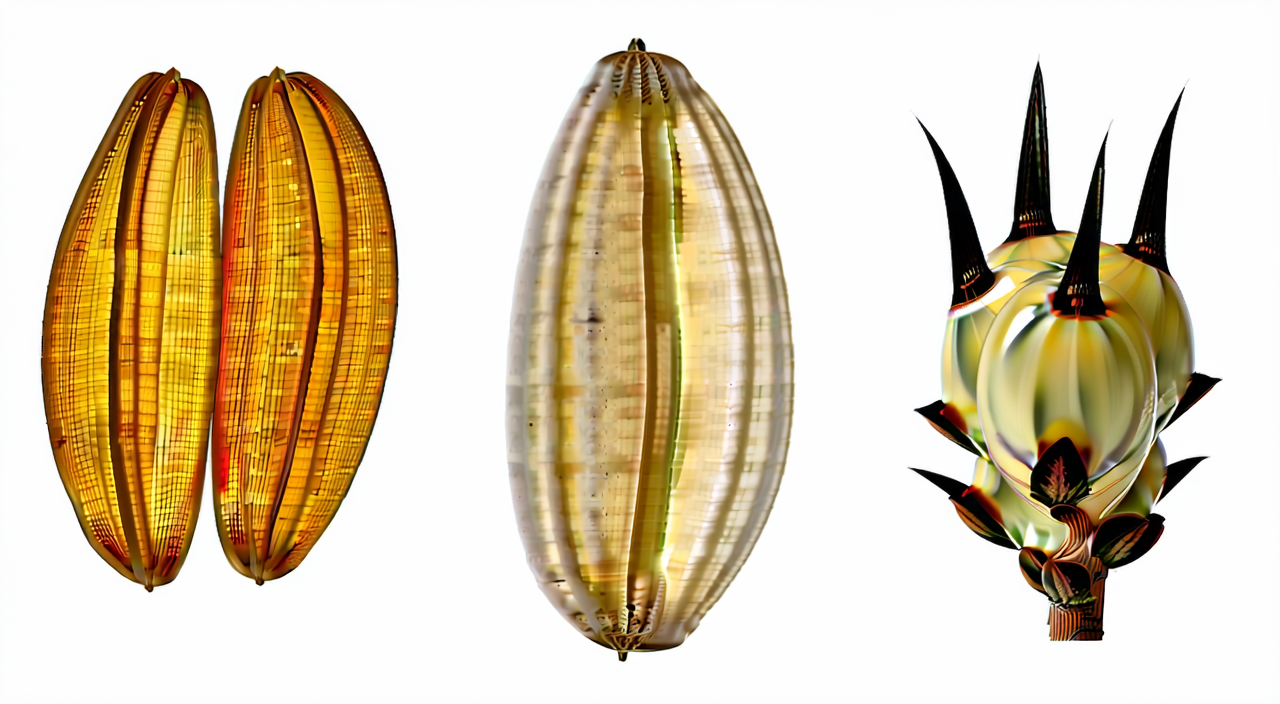
Gleditsia fruit and Gleditsia spines come from the same plant, but they are not the same medicinal part. Gleditsia fruit is primarily the mature pod, which is long, flattened, and strap-shaped. Gleditsia spines are the thorns of the Chinese honey locust, consisting of hard, sharp, often branched structures. The two have different names, traditional descriptions of properties, formulation principles, and applications in traditional herbal texts, and they should not be substituted for each other.
| Name | Main source or part | Appearance | Key point |
|---|---|---|---|
| Gleditsia fruit | Mature fruit of the Chinese honey locust | Flattened, curved pods that are purplish-brown or blackish-brown | Associated with saponin irritation and traditional phlegm-expelling and orifice-opening applications |
| Gleditsia spines | Thorns of the Chinese honey locust | Hard and sharp, with a thorn-like or branched appearance | A thorn-bearing part, not the pod |
| “Soap pod” | A common name used differently in some regions or commercial contexts | May resemble fruit from Gleditsia species | The name can vary; verify the botanical source and medicinal-material standard |
“Soap pod” may refer to different plants in different regions, commercial settings, and folk contexts. Its botanical source should not be determined from the common name alone. If a medicinal-material label does not clearly state the scientific name, plant part, and specifications, it should especially not be used orally without guidance. When distinguishing similar medicinal materials, checking reliable packaging, origin information, and professional identification is more dependable than looking at an image alone.
Which Traditional Formulas Use Gleditsia Fruit?
Classical formulas may include names such as Gleditsia Pill, Gleditsia Powder, and Tongguan Powder. Because classical-text editions, medical traditions, and later editorial practices differ, formulas with the same name may not have exactly the same ingredients, dosages, preparation methods, or traditional indications. They should not be prepared solely on the basis of the formula name.
Gleditsia Pill
Gleditsia Pill is one of the names used for a traditional formula. It is generally discussed in relation to patterns involving excessive phlegm and saliva, difficulty coughing up phlegm, and similar manifestations. The ingredients and preparation method may differ between sources. Some records mention processing methods, removing the skin and seeds, or combining it with other medicinal materials. It should only be viewed as a way to understand historical prescribing concepts and should not be taken or dosed independently.
Gleditsia Powder
Gleditsia Powder is another formula name found in classical texts, and its specific ingredients vary by source. Powdered preparations are more likely to create an inhalation risk, so their preparation, storage, and use require caution. People with sensitive throats, asthma, or respiratory disease should not handle or inhale such powders without professional guidance.
Tongguan Powder
The name Tongguan Powder may refer to different formulations in different medical texts. Some traditional formula records use Gleditsia fruit or other medicinal materials considered stimulating or associated with opening the orifices. When the same formula name appears in different sources, first confirm the source, complete ingredient list, and information about any standardized product. A professional should then assess it according to the individual’s constitution and symptoms. Formulas containing Gleditsia fruit are not the same as everyday wellness teas and should not be combined casually with other medicines.
What Precautions Are Needed When Using Gleditsia Fruit?
Gleditsia fruit can be strongly irritating. Pregnant individuals, children, older adults who are frail, and people with asthma, chronic respiratory problems, gastritis, peptic ulcers, or other gastrointestinal conditions should not take it orally or try to use it externally without professional advice. Anyone with a history of medication or plant allergies should also inform a doctor or pharmacist before considering its use.
Gleditsia powder must not be inhaled directly. Gleditsia fruit should not be used as a household emetic in first-aid situations, and the dosage should not be increased on one’s own in an attempt to “expel phlegm” or “open the orifices.” In the event of accidental ingestion, excessive exposure, or significant discomfort, retain the herbal material or packaging information and promptly consult a doctor, pharmacist, or local poison information service. If symptoms are severe or recurrent, or are accompanied by marked anxiety, depression, palpitations, chest tightness, abnormal breathing, severe abdominal pain, persistent vomiting, black stools, or unexplained weight loss, seek professional assessment as soon as possible.
When learning about traditional formulas such as Gleditsia Pill, Gleditsia Powder, or Tongguan Powder, first verify the product instructions, plant part, preparation method, and intended use. Do not equate a formula name from a classical text directly with a modern standardized preparation. This article is for general educational reference only and cannot replace professional diagnosis or treatment advice.
Summary
What is Gleditsia fruit? In simple terms, it primarily refers to the mature fruit of the Chinese honey locust, a dark, long, flattened, and curved pod. It is different from Gleditsia spines, which are the thorn-bearing part of the tree, and its botanical source cannot be determined solely from common names such as “soap pod.” Gleditsia fruit contains saponins and is notably irritating. Any related formula should be considered in light of the medicinal part, preparation method, individual constitution, and professional advice. It should not be swallowed, inhaled as a powder, or used as an emetic without appropriate guidance. This article is for general educational reference only and cannot replace professional diagnosis or treatment advice.