
What Is Gleditsia Spine? Medicinal Parts, Identification, and Common Formulas
Among the names of traditional Chinese medicinal materials, Gleditsia spine is often confused with Gleditsia fruit because their Chinese names differ by only one character. In fact, Gleditsia spine mainly refers to the dried thorns found on the trunk or branches of the Gleditsia tree, while Gleditsia fruit usually refers to the dried mature fruit of the same plant. Although they come from a similar source, their forms, medicinal parts, and traditional uses are different. Understanding what Gleditsia spine is, what it looks like, and how it differs from Gleditsia fruit and wasp nest can help reduce misunderstandings when reading traditional Chinese medicine materials.
What Does Gleditsia Spine Look Like? How Can It Be Identified?
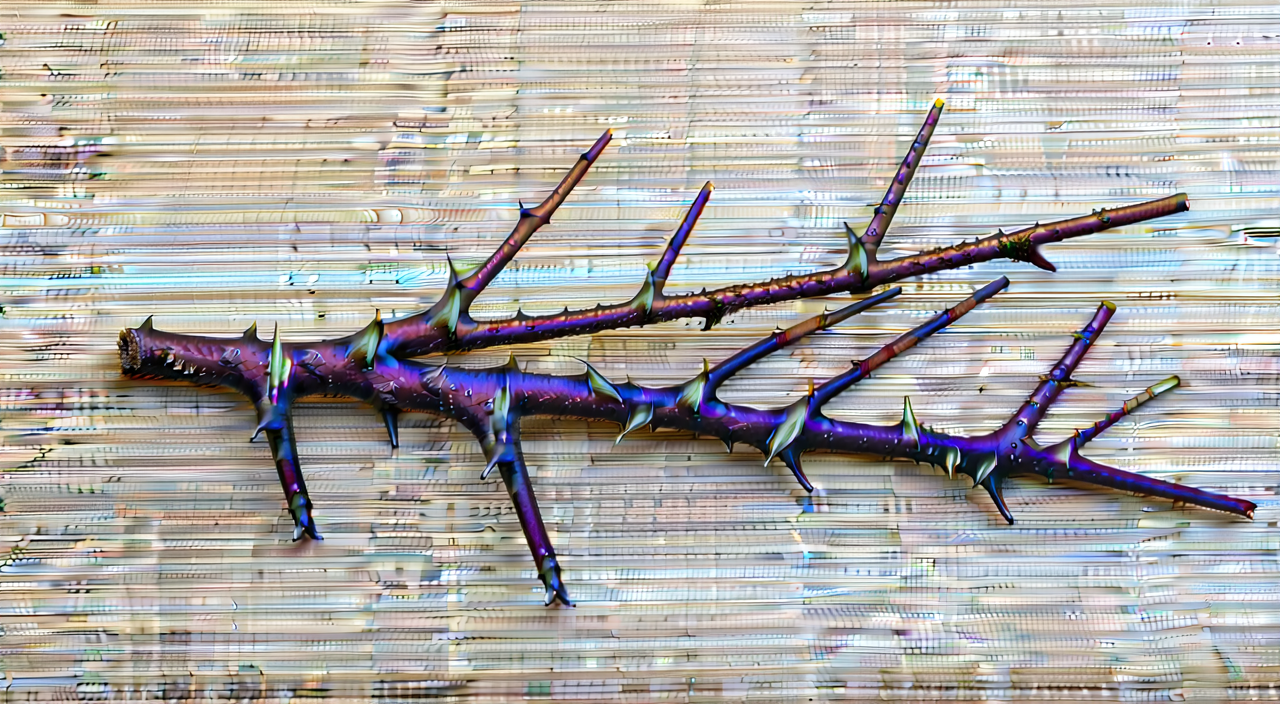
Gleditsia spine comes from the thorns of Gleditsia, a plant in the legume family. In its fresh state, the thorns of the Gleditsia tree may grow on the trunk and thicker branches. They often consist of one main thorn with several branched thorns, forming a multi-forked structure. After collection, cutting, and drying, the medicinal material usually appears as irregular short sections or branched fragments.
In appearance, the main thorn of Gleditsia spine is generally thick and long, while the branched thorns vary in size. Some resemble small antlers or multi-forked wooden thorns. The surface is commonly purple-brown, reddish brown, or dark brown, and older materials or those stored for a long time may be darker. The texture is woody, hard, and not easily broken by hand. The cut surface may show wood grain and can sometimes be yellowish white or light brown.
Identification should take several features into consideration. First, check whether there is a distinct main thorn with branched thorns. Second, observe whether the surface has longitudinal lines and whether the color is purple-brown or reddish brown. Third, assess the texture, which is usually hard and distinctly woody. Fourth, remember that smell and the cut surface can only serve as supporting characteristics and should not be used as the sole basis for identification. Commercially available sliced materials may already have been cut, screened, or dried to different degrees, so their appearance can vary.
If the material is flat, elongated, curved, relatively thick, and has features resembling a seed pod, it is more likely to be Gleditsia fruit rather than Gleditsia spine. Materials of uncertain origin, unusual color, visible mold, or obvious impurities should not be identified solely by comparing them with online images.
What Is the Medicinal Part of Gleditsia Spine?
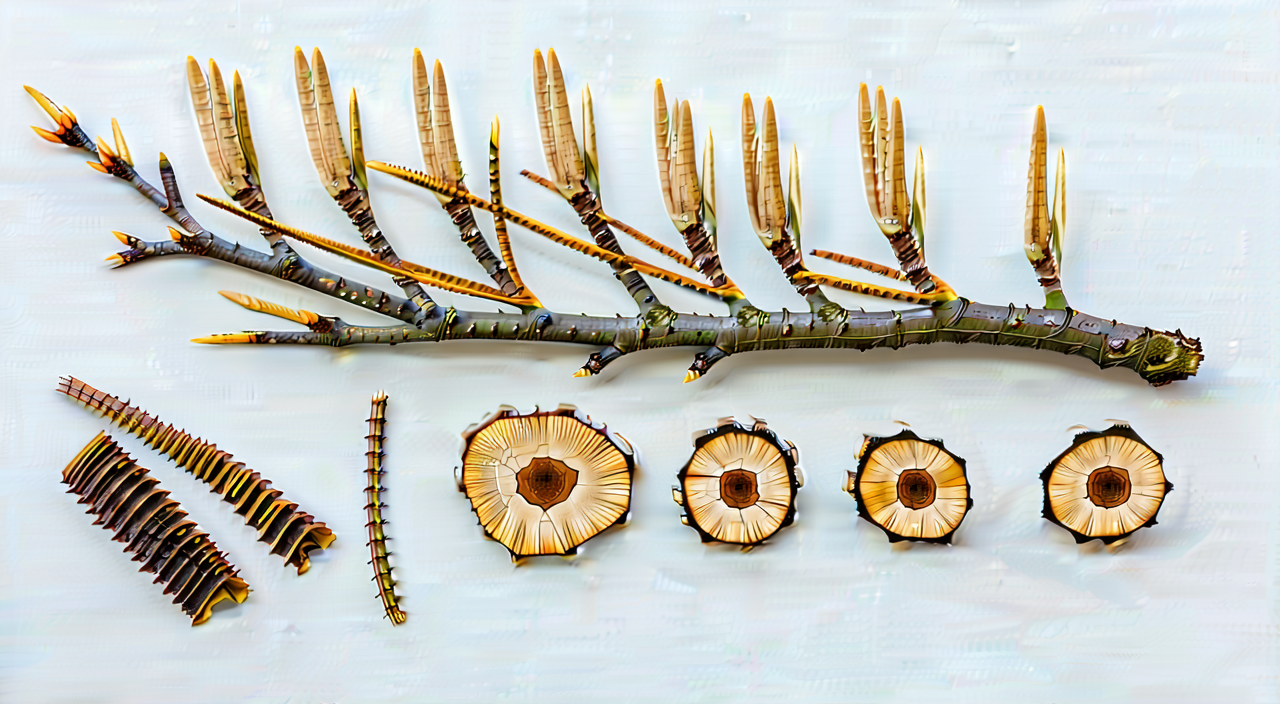
The medicinal part of Gleditsia spine is the thorn of the Gleditsia tree, specifically the thorn-like structures formed on the trunk or branches. It is not the bark or leaves, nor is it the fruit produced by the tree. Traditional processing generally involves removing impurities from the collected thorns, cutting them into suitable sections, and drying them for storage. In some regions, harvesting may take place throughout the year according to local practices, but the specific harvesting time and processing methods vary with the production area, climate, and applicable medicinal material standards.
Because the thorns themselves are hard and sharp, protective measures are necessary during harvesting and processing to prevent puncture injuries. Dried Gleditsia spine may also retain sharp broken ends, so appropriate tools should be used when packaging, weighing, and preparing it for decoction. As a sliced traditional Chinese medicinal material, its actual characteristics are also affected by the harvesting location, maturity of the thorns, cutting method, and storage conditions.
When identifying the medicinal part, a simple principle is useful: Gleditsia spine refers to the thorns, while Gleditsia fruit refers to the fruit. Although they come from the same plant, they should not be substituted for one another simply because their names are similar. Dosage or combinations should also not be adjusted independently based on online information.
How Does Traditional Chinese Medicine Understand Gleditsia Spine?
Traditional Chinese medicine commonly discusses Gleditsia spine in relation to reducing swelling, supporting the expulsion of toxins, promoting pus drainage, and eliminating parasites. In relevant materia medica and formula theories, it is often considered in the context of sores, swelling and pain, and difficulty in draining pus. These descriptions reflect traditional usage concepts and do not represent modern medical diagnoses or treatment conclusions for specific diseases.
In traditional combinations, Gleditsia spine is generally not used alone. Depending on the affected area, disease course, local manifestations, constitution, and other symptoms, it may be combined with medicinal materials associated with clearing heat, detoxification, tonification, or promoting blood circulation. Different formulas have different compositions and emphases, and formulas with the same name may vary by medical text, dosage form, or edition. Therefore, the name of a medicinal material alone cannot determine whether a formula is suitable for an individual.
If a local area develops obvious redness, swelling, heat, and pain, expands rapidly, continues to discharge pus, or is accompanied by fever or general discomfort, medical or professional evaluation should be sought first. In particular, when an abscess, deep infection, or retained foreign body in a wound is suspected, traditional medicinal materials should not be applied externally as a substitute for appropriate self-care or medical treatment.
What Can Modern Research Focus On?
Modern research may examine the chemical components of Gleditsia spine, in vitro experiments, animal studies, and its use in traditional multi-herb formulas. Such research can help clarify the basic characteristics and potential areas of activity of the material, but experimental findings cannot be directly equated with effects in humans and cannot replace standardized clinical diagnosis or treatment evidence.
When reading related materials, note whether the subject of the research is single-herb Gleditsia spine, an extract, or a formula containing multiple medicinal herbs; whether the research dosage and administration method are the same as those used in everyday practice; and whether the conclusions have been supported by sufficient human observation. Overseas readers should also be aware that the classification, quality standards, and regulatory requirements for Chinese medicinal materials may differ between countries and regions. Content that presents preliminary research as proof of definite effects should be approached cautiously.
How Does Gleditsia Spine Differ from Gleditsia Fruit and Wasp Nest?
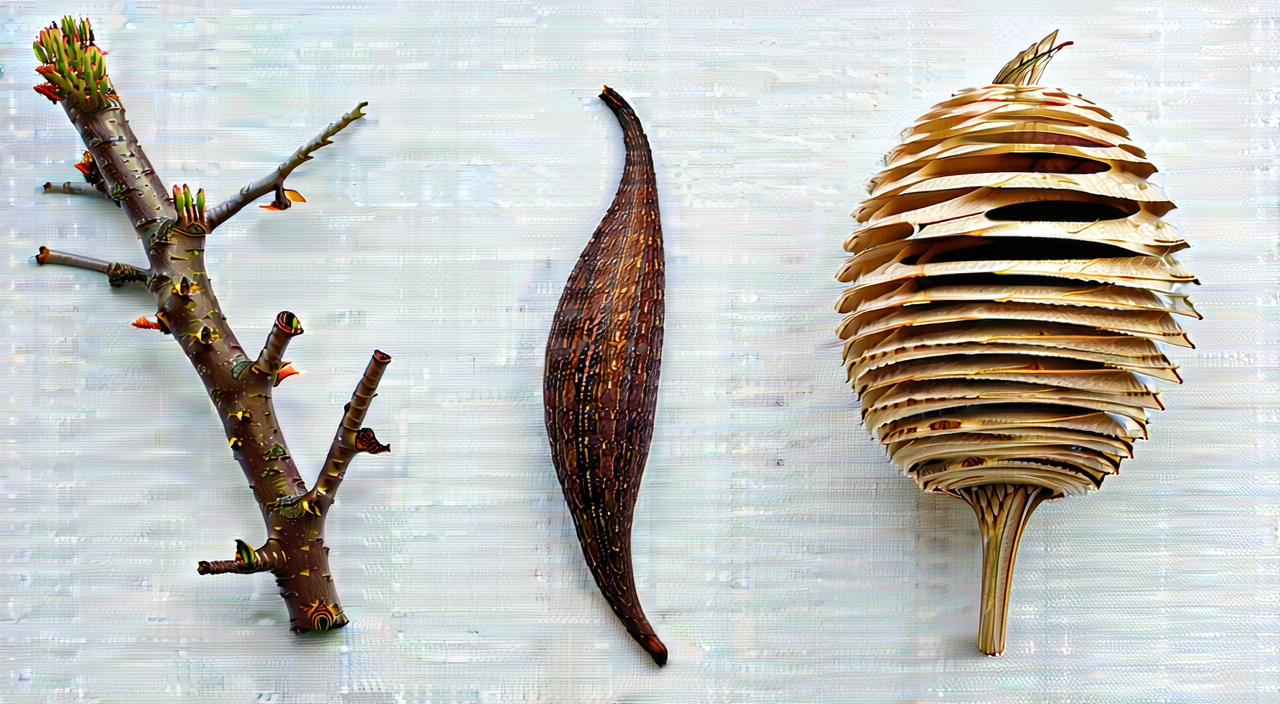
Gleditsia spine, Gleditsia fruit, and wasp nest are three medicinal materials that are often compared in traditional Chinese medicine references, but their sources and appearances are clearly different.
| Medicinal material | Source and medicinal part | Key identification features | Traditional areas of discussion |
|---|---|---|---|
| Gleditsia spine | Dried thorns of the Gleditsia tree | Thick, long main thorn with branched thorns; hard and woody | Often discussed in relation to reducing swelling, supporting toxin expulsion, and promoting pus drainage |
| Gleditsia fruit | Dried mature fruit of the Gleditsia tree | Long, strip-shaped or curved seed pod with a relatively thick surface | Commonly discussed in relation to resolving phlegm and opening the orifices |
| Wasp nest | Nest of insects in the wasp family | Perforated, honeycomb-like nest structure | Often discussed in relation to dispelling wind, attacking toxins, and eliminating parasites |
Gleditsia spine is a plant thorn and commonly has a branched wooden-thorn structure. Gleditsia fruit is the fruit and looks more like a long pod. Wasp nest is an insect nest with clearly visible honeycomb-like holes. The three materials differ not only in appearance but also in traditional classification, combinations, and safety considerations. When a medicinal material has been chopped or powdered, identification becomes more difficult, making a reputable source, packaging information, and professional assessment even more important.
Which Traditional Formulas Contain Gleditsia Spine?
Xian Fang Huo Ming Yin
Xian Fang Huo Ming Yin is one of the traditional formulas commonly mentioned as containing Gleditsia spine. Historical sources often discuss it in the context of formulas for sores, swelling, and toxic lesions. It contains multiple medicinal materials, and the combination and applicable conditions of the formula should be understood in relation to the specific pattern of symptoms. The traditional role of one ingredient should not be applied on its own to every local problem.
Tuo Li Xiao Du San
Tuo Li Xiao Du San is also frequently found in traditional external medicine references. Its traditional use is discussed in relation to supporting the body, reducing toxicity, and promoting pus drainage during certain stages of sores. Whether it is suitable for a particular individual requires comprehensive consideration of local manifestations, disease course, constitution, and the presence of fever, weakness, or other symptoms, together with professional advice.
Gleditsia Spine Powder
Gleditsia Spine Powder is a traditional formula whose name or key ingredient is based on Gleditsia spine. The composition, proportions, and preparation method may not be identical across different medical texts and product versions. Therefore, when encountering the name of a formula, its specific source, ingredients, and dosage form should also be verified. For proprietary Chinese medicines or prepared formulas, it is advisable to consider the product instructions, individual circumstances, and professional advice together rather than copying dosages from ancient texts.
These formulas should only be regarded as examples for understanding traditional combination principles and should not be treated as self-medication plans for specific diseases. If symptoms are severe or recurrent, or are accompanied by marked anxiety, depression, palpitations, chest tightness, pain, abnormal breathing, severe abdominal pain, persistent vomiting, black stools, or unexplained weight loss, consult a doctor or qualified professional promptly.
What Safety Precautions Apply to Gleditsia Spine?
First, people who are pregnant, planning to become pregnant, or breastfeeding should not independently use formulas or preparations containing Gleditsia spine. They should consult a doctor or a qualified traditional Chinese medicine professional beforehand. Children, older adults, people with chronic conditions, and those taking anticoagulant or antiplatelet medicines or who have a tendency to bleed should also exercise particular caution.
Second, if there is an acute infection, an obvious abscess, persistent high fever, an expanding area of redness or swelling, severe pain, or red streaking around a wound, medical evaluation should be obtained promptly. Whether an abscess requires incision and drainage, debridement, or another form of treatment cannot be determined solely by appearance or by independently applying medicinal materials. Gleditsia spine has sharp thorns, and direct contact with the skin may cause physical puncture injuries. Without professional guidance, do not pound unprocessed branches for self-directed external application, and do not insert the thorns or medicinal material into the skin or a wound.
In addition, when using sliced medicinal materials or related preparations, confirm their source, processing status, storage conditions, and product instructions. If a rash, itching, breathing discomfort, gastrointestinal symptoms, or any other unusual reaction occurs, stop using the product and seek professional help. This article is for educational reference only and cannot replace professional diagnosis or treatment advice.
Summary
The key to understanding what Gleditsia spine is lies in recognizing that it is the dried thorn of the Gleditsia tree, while Gleditsia fruit is the fruit of the same plant and wasp nest comes from an insect nest. Gleditsia spine is usually purple-brown or reddish brown, with a thick main thorn, branched thorns, and a hard, woody structure. Traditionally, it is mainly discussed in relation to reducing swelling, supporting toxin expulsion, and promoting pus drainage. Whether related formulas and preparations are suitable for an individual still depends on their constitution, symptoms, product instructions, and professional advice. This article is for educational reference only and cannot replace professional diagnosis or treatment advice.