
What Is Ramie Root? Medicinal Parts, Identification, and Common Formulas
Many people have heard of the ramie plant, but it is easy to confuse the ramie stem bark used in textiles with ramie root as a medicinal herb. What is ramie root? From a medicinal perspective, it mainly comes from the root and rhizome of the ramie plant. It is harvested, washed, and dried before use; it is not ramie fiber or stem bark used directly as an herb. Understanding its appearance and medicinal parts can help reduce confusion when reading traditional Chinese medicine materials, formula ingredients, or product descriptions. The following information is based on traditional herbal knowledge and is provided for general educational reference only.
What Does Ramie Root Look Like? How Is It Identified?
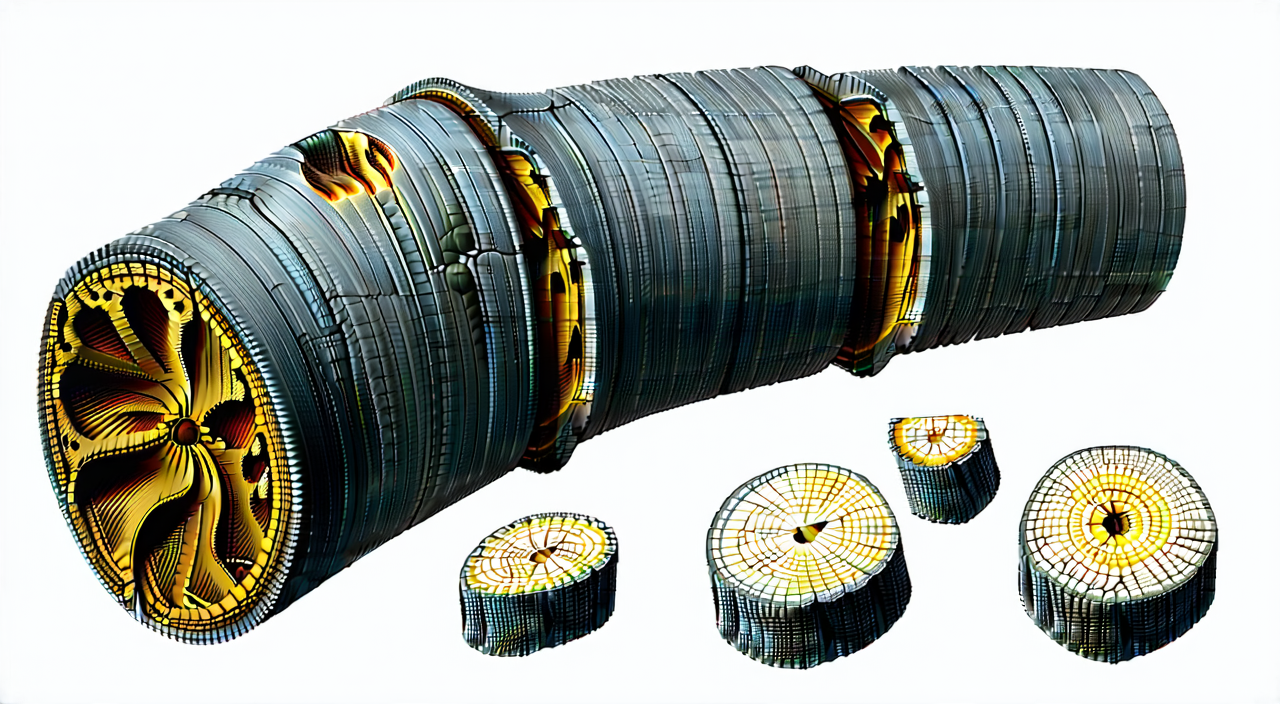
Ramie root as a medicinal material is usually irregularly cylindrical. It may also be slightly curved, branched, or attached to a rhizome. Its length and size are not completely uniform. The surface is generally gray-brown, grayish-brown, or brownish-yellow, and it becomes relatively firm after drying. Longitudinal wrinkles are often visible on the outer skin, while some areas may retain lateral root scars, small projections, or broken surfaces caused by harvesting and processing.
Observing the cross-section is one of the important steps in identifying ramie root. The cut surface is usually yellowish-white or grayish-white, with noticeable fibrous qualities. The texture may be relatively brittle or slightly tough. Older and younger roots, as well as different processing and storage conditions, can vary in color and firmness, so identification should not rely on color alone.
What Features Should Be Examined When Identifying It?
First, examine the shape. Ramie root is usually irregularly cylindrical and is generally less uniform than medicinal materials that have been carefully cut and shaped. Second, examine the surface, paying attention to the grayish-brown outer skin, longitudinal wrinkles, and lateral root scars. Third, inspect the cross-section; its yellowish-white or grayish-white color and a certain degree of fibrous texture can provide useful clues. When evaluating its smell or taste, follow accepted standards for medicinal herb identification. It is not advisable to taste the roots of unfamiliar plants yourself.
It is important to note that wild plants may vary according to species, age, and growing region. Online images, color, or appearance alone cannot replace professional identification. When purchasing loose herbs, pay attention to their source, labeling, specifications, and storage conditions, and avoid allowing visually similar root herbs to be mixed in.
What Is the Medicinal Part of Ramie Root?
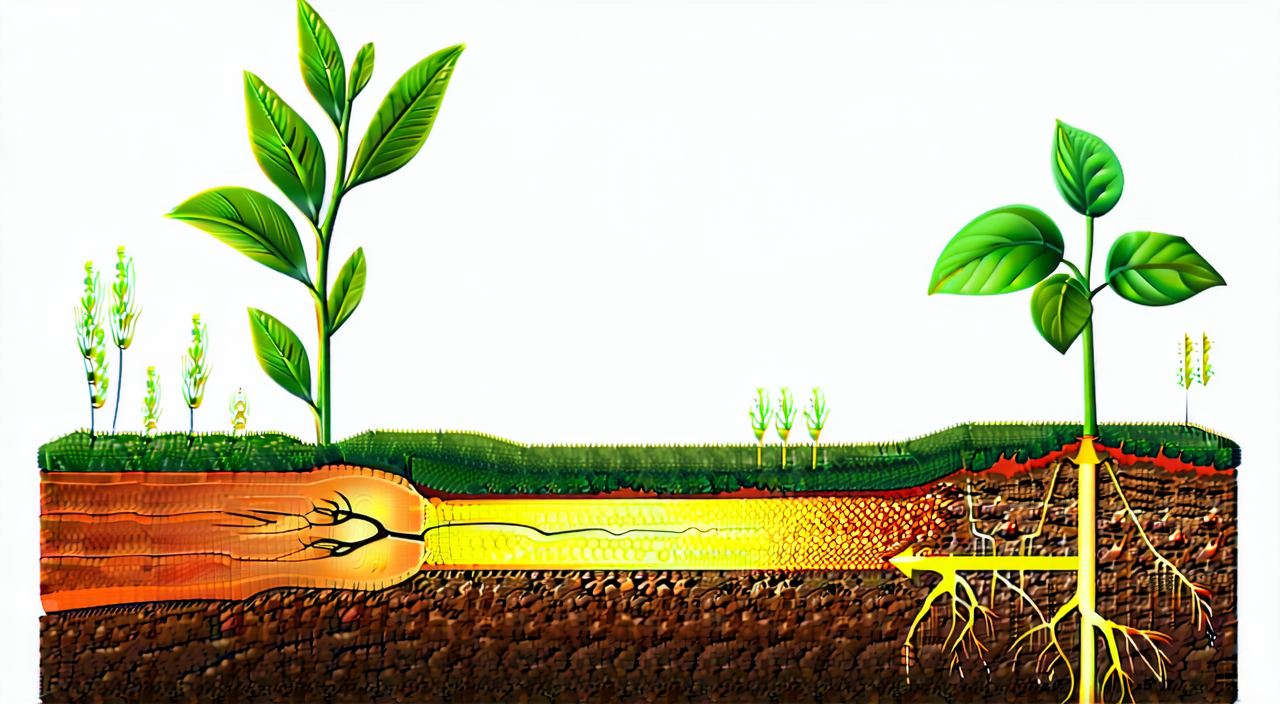
The medicinal parts of ramie root are the root and rhizome of the ramie plant. The root is the underground part of the plant, while the rhizome is an underground stem with distinct nodes that may grow horizontally or diagonally. Both may be present in the medicinal material. A particularly important distinction is that the textile industry generally uses the bast fibers from the ramie stem, whereas ramie root in traditional herbal medicine specifically refers to the underground root and rhizome. The stem bark used as a textile raw material should not be substituted for the medicinal parts.
Traditional harvesting generally takes place when the plant has grown sufficiently. After the underground parts are dug up, soil and impurities are removed, and the material is washed. It may then be sliced or cut into sections as needed before drying. Actual processing methods may differ according to the production region, pharmacopoeial standards, supplier practices, and product form. Dried herbs should be protected from moisture, mold, and contamination by unusual odors. Samples with an abnormal appearance or unclear origin should not be used without professional guidance.
When reviewing information about medicinal herbs, it is important to understand the term “root and rhizome.” This distinction helps explain what ramie root is and how it differs from ramie stem bark, leaves, and other root-based herbs. When reviewing granules, prepared slices, or compound products, use the ingredient name and product information shown on the packaging as the primary reference.
How Does Traditional Chinese Medicine Understand Ramie Root?
In traditional Chinese medicine theory, ramie root is commonly understood in terms of cooling the blood and stopping bleeding, clearing heat and calming the fetus, and promoting urination and detoxification. “Cooling the blood and stopping bleeding” is a traditional herbal description of its properties and functions. “Clearing heat and calming the fetus” is often used to explain traditional formulation approaches related to pregnancy. Promoting urination and detoxification represents another traditional area of use. These descriptions are functional categories within traditional Chinese medicine. They are not equivalent to modern medical diagnoses and should not be used to self-treat bleeding, infection, or other significant symptoms.
Different classical texts, physicians, and formulas may emphasize different methods of combining ramie root with other herbs. Specific applications in clinical or everyday settings may also depend on dosage, processing, herb combinations, constitution, and the nature of the symptoms. Pregnant or breastfeeding people, children, older adults, and those taking anticoagulant or antiplatelet medicines should be particularly cautious when determining whether it is appropriate.
How Should Modern Research Be Interpreted?
Modern research may examine ramie and its roots from the perspectives of plant constituents, in vitro experiments, animal studies, or reviews of traditional applications. However, the raw materials, extraction methods, and experimental conditions can differ between studies. Laboratory findings cannot be directly equated with effects in humans and cannot replace a physician’s assessment of specific symptoms.
When reading related information, distinguish among traditional functions, basic research, and clinical evidence. Terms such as “stopping bleeding” and “calming the fetus” can easily be misunderstood and should be interpreted in context. The name of an herb or the results of a single study should not be treated as a definite medical promise. Users outside China should also pay attention to local regulations concerning the importation, labeling, and use of herbal products.
How Does Ramie Root Differ from Imperata Root and Dipsacus Root?
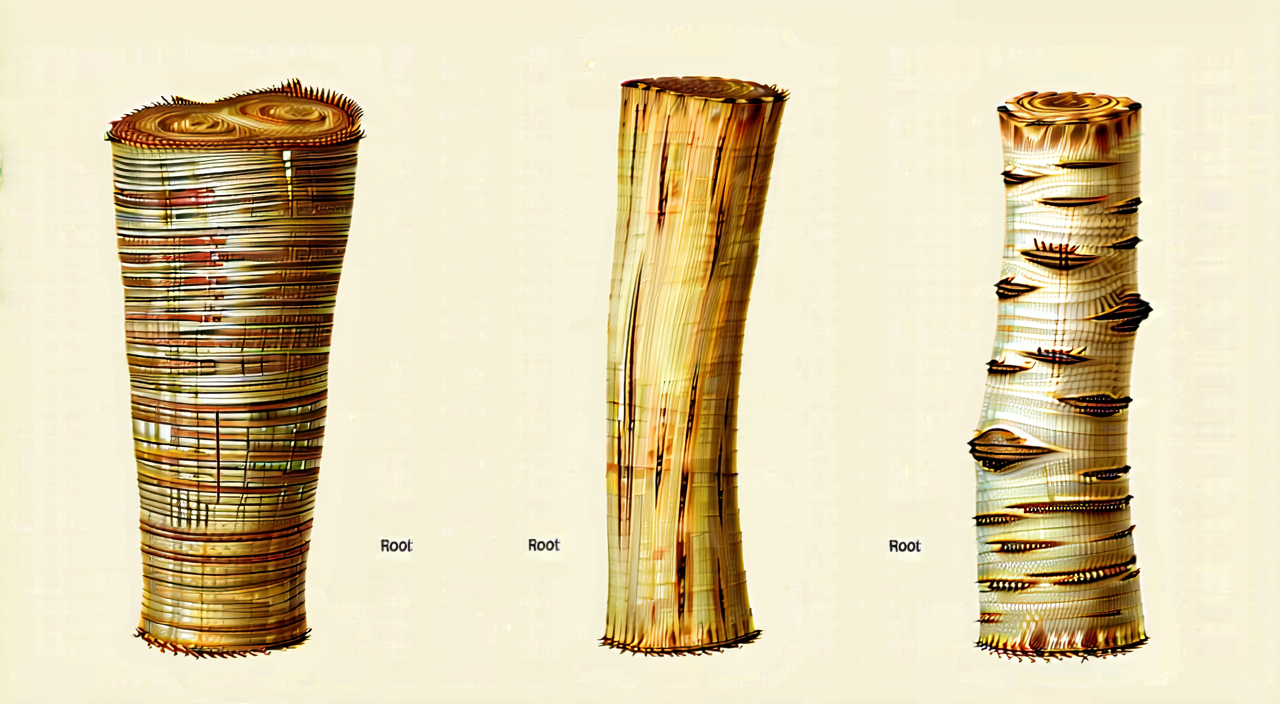
Ramie root, Imperata root, and Dipsacus root may all be used medicinally in the form of roots or root-like underground parts. After drying, they can appear somewhat similar, but they are different herbs and should not be substituted for one another without proper identification.
| Comparison | Ramie root | Imperata root | Dipsacus root |
|---|---|---|---|
| Common appearance | Irregularly cylindrical or attached to a rhizome; grayish-brown surface with longitudinal wrinkles and lateral root scars | Usually relatively slender; yellowish-white or light yellowish-brown surface, often with visible nodes and internodes | Usually long and cylindrical, slightly curved, or spindle-shaped; brownish surface, often with longitudinal wrinkles |
| Cross-section and texture | Yellowish-white or grayish-white cross-section with noticeable fibrous qualities | White or light yellowish-white cross-section; relatively brittle with visible fibers | Distinct woody structures may be visible in the cross-section; the texture is relatively tough or slightly loose |
| Key features to observe | Root and rhizome form, grayish-brown outer skin, and yellowish-white cross-section | Nodes and internodes of the underground rhizome and its relatively light color | Root shape, brownish outer skin, and cross-sectional structure |
This table is intended only as an introductory reference and cannot replace professional identification. The nodes of Imperata’s underground rhizome are particularly useful for identification, while Dipsacus differs from the other two in shape, color, and cross-sectional structure. Once herbs have been cut into small sections, changed color due to moisture, or mixed with other prepared slices, visual identification becomes even more difficult. In such cases, the material should be assessed by an authorized professional or a reputable institution.
Which Traditional Formulas Contain Ramie Root?
Traditional formula references include names such as Ramie Root Decoction and Ramie Root Powder. Ramie root may also be combined with other herbs in formulas based on traditional approaches related to calming the fetus or stopping bleeding. Different versions of a formula may vary in ingredients, proportions, preparation methods, and stated applications. Formulas with the same name do not necessarily have exactly the same composition. Therefore, the name alone should not be used to infer a formula’s specific purpose or to prepare it without guidance.
Ramie Root Decoction can generally be regarded as an item of interest in traditional formula literature, while Ramie Root Powder is commonly found in classical formulas or related texts. Formulas for calming the fetus and stopping bleeding involve the stage of pregnancy, the nature of the bleeding, and the person’s overall condition. Their assessment is far more complex than considering a single herb. Whether a particular formula is suitable should be determined according to personal constitution, symptoms, medical history, current medicines, and product information, with advice from a qualified professional.
When using a modern finished product, formula granules, or a compound herbal product, also verify its approval information, listed ingredients, directions and dosage, and contraindication warnings. The presence of a traditionally used herb does not mean that the product is suitable for everyone as a form of everyday wellness care.
What Precautions Apply When Using Ramie Root?
First, pregnant people who experience vaginal bleeding, abdominal pain, dizziness, weakness, or other abnormal symptoms should seek medical attention promptly. Ramie root or a so-called formula for calming the fetus and stopping bleeding should not be used as a reason to observe symptoms at home or delay evaluation. Anyone who is pregnant should consult an obstetrician or another appropriately qualified professional before using any herbal medicine or compound formula.
Second, herbs and combinations traditionally considered cooling may require careful evaluation in people with a constitution associated with a cold or weak digestive system, those prone to diarrhea, or those sensitive to cold foods and drinks. Constitutional assessment should not be based on a single symptom, and simple online classifications cannot replace professional pattern assessment. People taking anticoagulant or antiplatelet medicines, or those with clotting abnormalities, a tendency to bleed, or liver or kidney problems, should also consult a doctor first.
Third, anyone experiencing severe, prolonged, or recurrent bleeding, or symptoms such as pronounced palpitations, chest tightness, abnormal breathing, severe abdominal pain, persistent vomiting, black stools, or significant unexplained weight loss, should seek medical help as soon as possible. Herbal education cannot replace medical evaluation of the underlying cause.
Finally, ramie stem bark intended for textiles, industrial raw materials, and unidentified plant roots should not be used directly as ramie root medicinal material. When selecting prepared slices, granules, or compound products, check the official labeling, batch information, storage condition, and directions for use. If any discomfort occurs, stop self-use and consult a qualified professional promptly.
Summary
Ramie root consists of the root and rhizome of the ramie plant. Common features include an irregularly cylindrical shape, a grayish-brown surface with longitudinal wrinkles, lateral root scars, and a yellowish-white cross-section. It is not the same medicinal part as the ramie stem bark used in textiles. Traditional Chinese medicine commonly understands it in terms of cooling the blood and stopping bleeding, clearing heat and calming the fetus, and promoting urination and detoxification. Related formulas include Ramie Root Decoction, Ramie Root Powder, and combinations traditionally used for calming the fetus and stopping bleeding, but they should not be used to replace medical diagnosis or treatment. People with bleeding during pregnancy, clotting abnormalities, or severe symptoms should seek medical care first. This article is provided for general educational reference only.