
What Is Bamboo Shavings? Medicinal Parts, Identification, and Common Formulas
When it comes to bamboo shavings, many people may feel unfamiliar, but it is actually a common medicinal herb in traditional Chinese medicine for clearing heat and resolving phlegm. Bamboo shavings are derived from the inner layer of the stems of gramineous plants such as Lophatherum gracile, Bambusa tuldoides, or Sinocalamus beecheyanus. In traditional use, they are often classified under the categories of resolving phlegm and stopping cough, as well as clearing the stomach and stopping vomiting. For Chinese people living overseas, when they come into contact with some heat-clearing patent medicines or formulas, they often see bamboo shavings as an ingredient. So what does bamboo shavings look like? Which part of the bamboo does it come from? And how is it different from bamboo sap and bamboo leaves? Let’s explore one by one.
What Does Bamboo Shavings Look Like? How to Identify It?
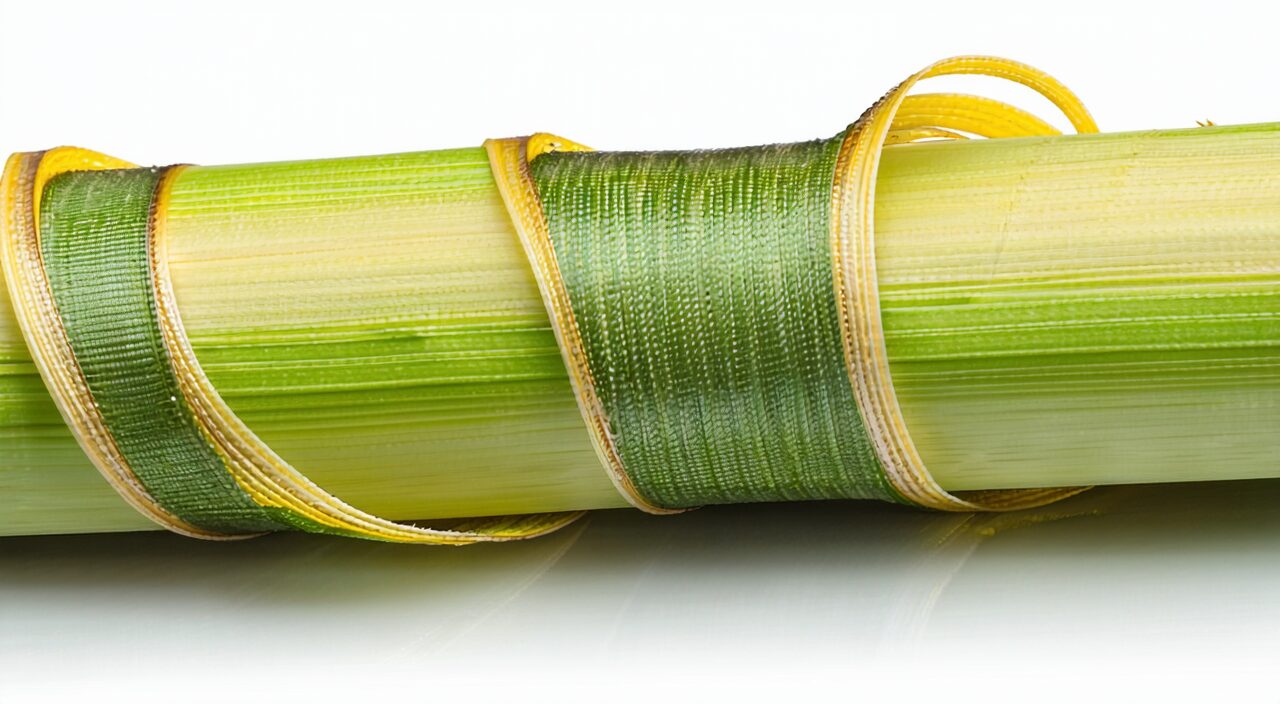
The appearance of bamboo shavings in prepared form is very distinctive. Once you have seen it, it is not easy to confuse with other herbs. It usually appears as irregular thin ribbons or fine filaments, mostly curled into loose clumps, while some are loose like tangled silk. The color is mostly yellowish-white, pale green, or light yellowish-green, and some surfaces may be slightly whitish. The overall texture is very light, soft, and flexible. When pulled by hand, it does not break easily and has good elasticity. The smell is very mild, almost odorless, and when chewed it feels slightly slippery and sticky.
Sometimes on the market you may also see bamboo shavings with more broken pieces. Those are mostly crumbs produced during processing or transportation. In terms of quality, those that are whole, flexible, and have fewer crumbs are generally considered better. In addition, there is also ginger-processed bamboo shavings, which are prepared by mixing with ginger juice. Their color is slightly darker and they carry a faint ginger smell, a feature that can also help with identification.
What Are the Medicinal Parts of Bamboo Shavings?
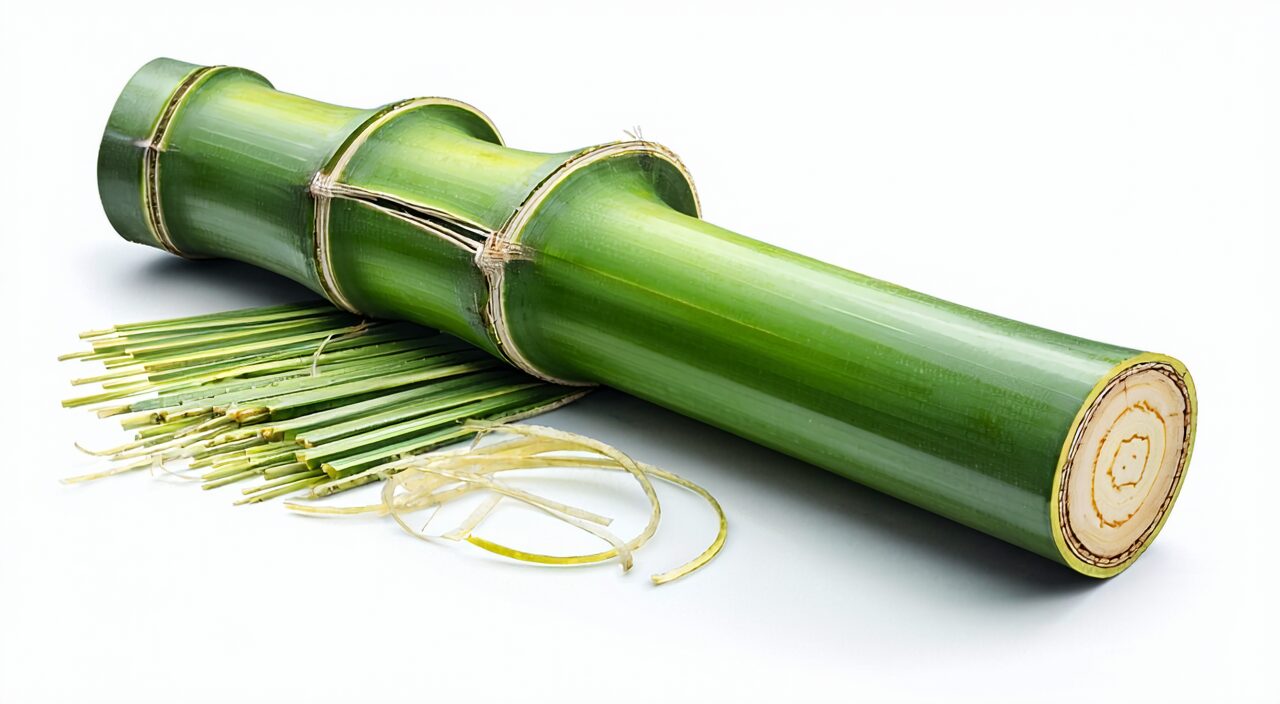
Bamboo shavings cannot be taken from just any part of bamboo; their source is clearly defined. In traditional harvesting, the green outer skin of the bamboo stem is first scraped off to reveal the softer, lighter-colored middle layer. Then a special knife is used to scrape off this middle layer and tear it into strips, yielding the initial bamboo shavings. From a botanical perspective, bamboo shavings are actually the inner part of the bamboo stem cortex, after removing the outermost green skin and the innermost hard inner wall, specifically taking that thin and flexible tissue in between.
In processing, there are generally two types: raw bamboo shavings and ginger-processed bamboo shavings. Raw bamboo shavings are directly sun-dried or low-temperature dried after scraping, which relatively enhances the power to clear heat and transform phlegm. Ginger bamboo shavings are moistened with ginger juice, then braised, stir-fried, or dried. According to traditional experience, this processing enhances the antiemetic effect and slightly moderates the cold nature, making it more suitable for those with weak stomach qi who still need to transform phlegm and stop vomiting.
How Does Traditional Chinese Medicine Understand Bamboo Shavings?
From the perspective of traditional Chinese medicine, bamboo shavings are sweet in flavor and slightly cold in nature, mainly entering the lung, stomach, and heart meridians. Historically, materia medica texts have mostly discussed its functions of clearing heat, resolving phlegm, eliminating irritability, and stopping vomiting. When phlegm-heat obstructs the lungs, causing symptoms such as cough, expectoration of yellow sticky phlegm, and chest tightness, bamboo shavings are often considered as a possible option to help clear phlegm-heat from the lungs. For heat in the stomach or phlegm-heat invading the stomach, causing nausea, vomiting, hiccups, dry mouth, and bitter taste, bamboo shavings are traditionally commonly used, especially for “stomach heat hiccup and vomiting,” often combined with herbs that clear the stomach and regulate qi.
Furthermore, because bamboo shavings are slightly cold and can enter the heart meridian, for restlessness, insomnia, palpitations, and anxiety caused by phlegm-heat disturbing the heart, ancient practitioners would also add bamboo shavings to formulas as appropriate to clear the heart and eliminate irritability. However, all of this is based on traditional syndrome differentiation thinking. Whether it suits an individual depends on their constitution, cold-heat tendencies, and overall symptom presentation, and should be judged by a professional.
What Have Modern Studies Preliminarily Explored About Bamboo Shavings?
Modern research on bamboo shavings is still in the exploratory stage. Some experimental reports have found that bamboo shavings contain flavonoids, polysaccharides, amino acids, and trace elements. In vitro studies suggest they may have certain heat-clearing, anti-inflammatory, and antioxidant activities, but these findings cannot be directly equated to definite effects in the human body. Currently, clinical application of bamboo shavings still mainly relies on traditional Chinese medicine theory and practical experience. The relevant modern evidence is insufficient to serve as an independent basis for recommendation. Consumers should view this rationally and not exaggerate its functions.
What Are the Differences Between Bamboo Shavings, Bamboo Sap, and Bamboo Leaves?
Although bamboo shavings, bamboo sap, and bamboo leaves all come from bamboo, they belong to completely different medicinal parts, and their properties and action directions each have their own strengths. Bamboo shavings are a solid scraped material from the inner layer of the bamboo stem, excelling at clearing phlegm-heat and harmonizing the stomach to stop vomiting. Bamboo sap is a liquid extracted by heating fresh bamboo stems to drain from the internodes. It is colder and more slippery in nature, with a stronger effect in clearing heat and sweeping away phlegm, and is often used for more severe conditions such as phlegm-heat obstructing the orifices, stroke with phlegm congestion, and infantile convulsions. Bamboo leaves are the dried leaves of bamboo, mainly used to clear heart fire and promote urination, often applied to symptoms such as mouth and tongue sores, irritability, and scanty dark urine caused by heart fire flaring upward.
To put it simply, bamboo shavings tend to act on the lung and stomach, bamboo sap is better at unblocking the meridians and clearing phlegm, and bamboo leaves lean more toward clearing the heart and guiding heat downward through urination. In specific applications, these three are not interchangeable and are chosen based on different syndrome emphases.
Which Formulas Use Bamboo Shavings?
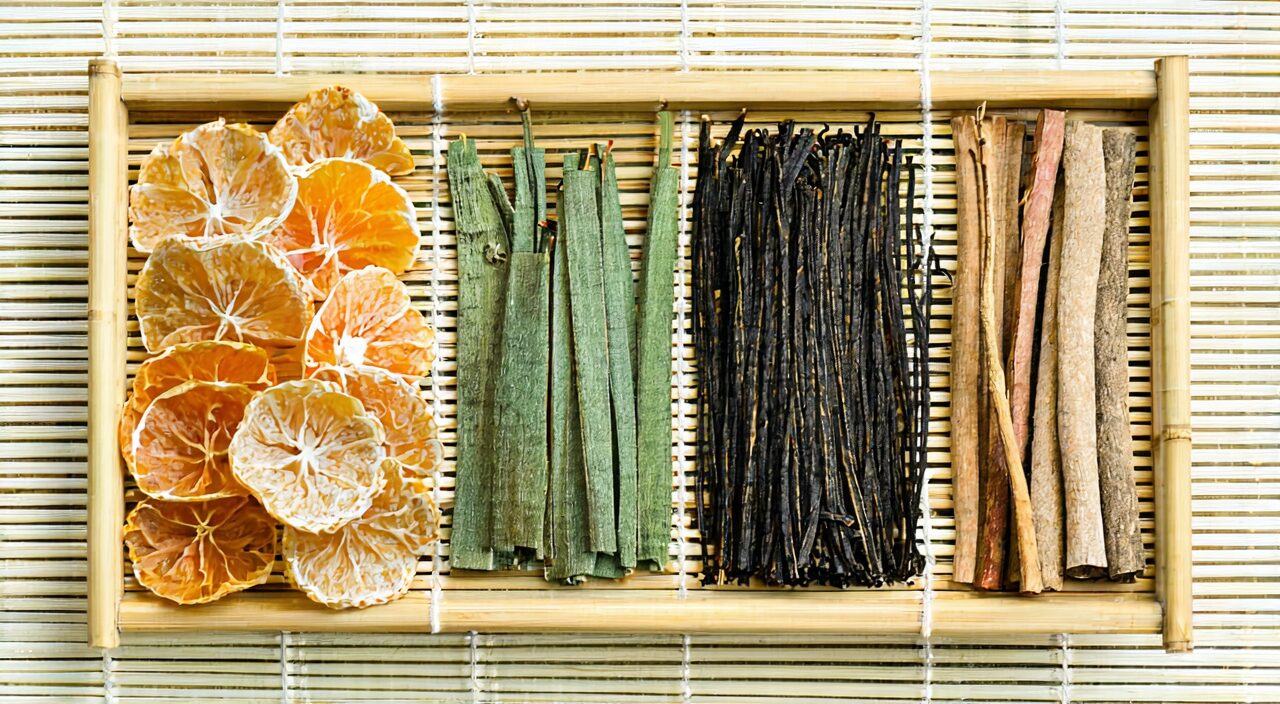
Bamboo shavings appear in many classic formulas throughout historical formula books. A few examples are listed below only as references for understanding traditional formula thinking.
Wen Dan Tang (Warm the Gallbladder Decoction) is a formula relatively familiar to many. In it, bamboo shavings are combined with pinellia, tangerine peel, poria, immature bitter orange, and others. Traditionally it is used for gallbladder-stomach disharmony and phlegm-heat disturbing the interior, causing symptoms such as deficiency-type restlessness and insomnia, nausea and vomiting, bitter taste, and palpitations. Ju Pi Zhu Ru Tang (Tangerine Peel and Bamboo Shavings Decoction) pairs bamboo shavings with tangerine peel, fresh ginger, jujube, and others. It is often seen as a representative formula for boosting qi, harmonizing the stomach, and descending rebellious qi to stop vomiting, mainly used for those with prolonged illness, weak constitution, and stomach deficiency with heat causing frequent hiccups. Hao Qin Qing Dan Tang (Sweet Wormwood and Scutellaria Decoction to Clear the Gallbladder) combines bamboo shavings with sweet wormwood, scutellaria, and others, suitable for syndromes of shaoyang damp-heat and phlegm-heat internal obstruction. Traditionally it is used for alternating chills and fever similar to malaria, distension and oppression in the chest and hypochondrium, bitter taste, and acid regurgitation. Qing Qi Hua Tan Wan (Clear Qi and Transform Phlegm Pill) also uses bamboo shavings along with arisaema with bile, trichosanthes seed, and others, mainly targeting phlegm-heat cough with yellow sticky sputum, chest tightness, and asthma.
It must be emphasized that the above formulas are all traditional formulation ideas. Different individuals have vastly different presentations, and one should not copy and apply them on one’s own. Whether they are suitable still requires judgment based on personal constitution, symptoms, and professional advice.
What Should You Pay Attention to When Using Bamboo Shavings?
Although bamboo shavings are common, there are still some precautions to keep in mind during use. People with spleen-stomach deficiency cold, often presenting with cold pain in the stomach and epigastrium, preference for warmth and pressure, poor appetite, loose stools, and vomiting of clear fluids, are generally not suitable to use bamboo shavings, which are slightly cold in nature, alone. Cases of cold-phlegm cough with clear thin sputum and sensitivity to cold also require caution. In addition, raw bamboo shavings and ginger bamboo shavings have different focuses: the former has a stronger power to clear heat and transform phlegm, while the latter is more inclined to harmonize the stomach and stop vomiting. When choosing, you may refer to product descriptions or consult a professional.
If nausea and vomiting recur, or are accompanied by severe abdominal pain, black stools, significant weight loss, difficulty swallowing, etc., one should not rely solely on bamboo shavings or any herbal remedy to self-treat. It is imperative to seek medical attention promptly to rule out some organic problems that require targeted treatment.
Summary
Bamboo shavings are taken from the inner layer of bamboo stems, appearing as thin ribbon-like curled filaments. They are a common traditional Chinese medicinal material for clearing heat, resolving phlegm, and harmonizing the stomach to stop vomiting. They share the same source but differ in function from bamboo sap and bamboo leaves, and are used in multiple formulas such as Wen Dan Tang. However, they are not suitable for those with spleen-stomach deficiency cold or cold-phlegm cough. The use of any medicinal material depends on accurate assessment of one’s own constitution and symptoms. If there is any doubt or discomfort, professional help should be sought, and long-term self-use should be avoided.