
What Is Perilla Stem? Medicinal Parts, Identification, and Common Formulas
What is perilla stem? In traditional Chinese medicinal terminology, perilla stem refers to the dried stem of a plant in the mint family, Perilla frutescens. Different parts of the same perilla plant are also used medicinally as perilla leaf and perilla seed. Although they come from the same plant, their appearance, medicinal parts, and traditional applications are not exactly the same. For overseas readers interested in Chinese medicinal herbs, traditional approaches to regulating qi, or formulas related to supporting pregnancy, identifying the source and plant part is more important than looking at the name alone.
What Does Perilla Stem Look Like? How Can It Be Identified?
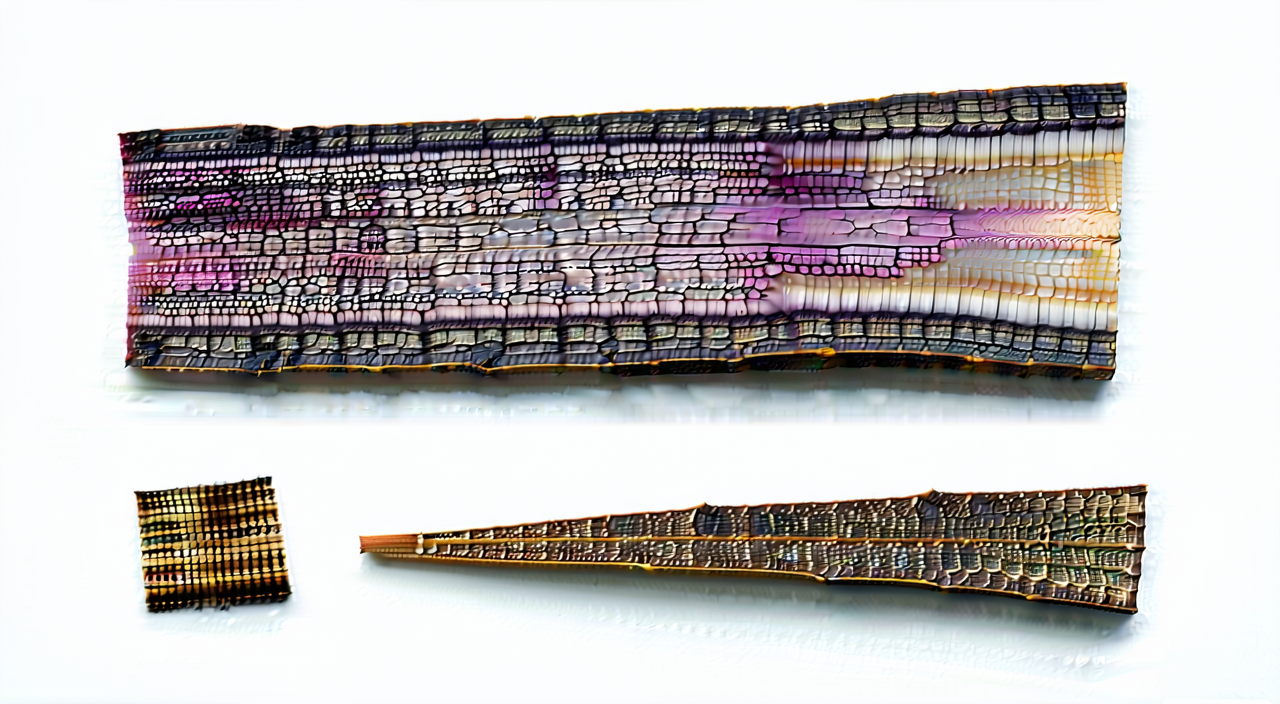
Perilla stem is usually harvested, cut into sections, and dried. The pieces are generally square or four-angled in cross-section, vary in length, and have clearly visible longitudinal grooves on the surface. Common colors include purplish brown, grayish green, and transitional brown tones. The exact color can be affected by the variety, maturity, drying method, and storage conditions. Compared with cylindrical stems, the angles of perilla stem are often easier to observe, making them one of the features to note during preliminary identification.
Surface, Nodes, and Cross-Section Features
The surface of perilla stem is usually dry, with longitudinal grooves and ridges intersecting one another. Some stem sections may also show nodes. The areas around the nodes may be slightly swollen and may occasionally retain marks left by fallen leaf stalks or branches. When broken or cut open, the outer layer has a relatively thin cortex, while the center contains lighter-colored pith. The pith is relatively loose and may appear spongy or contain gaps, so the cross-section is not always neat or smooth.
Good-quality perilla stem that has been stored properly may have the characteristic aromatic fragrance of perilla, although the strength of the aroma varies with the degree of drying and storage time. Identification should not rely on color or smell alone. Shape, longitudinal grooves, nodes, and cross-sectional structure should be considered together. If the herb has absorbed moisture, become moldy, developed an unusual odor, or contains obvious stem pieces from other plants, its use should not be confirmed solely by comparing it with online images.
What Is the Medicinal Part of Perilla Stem?
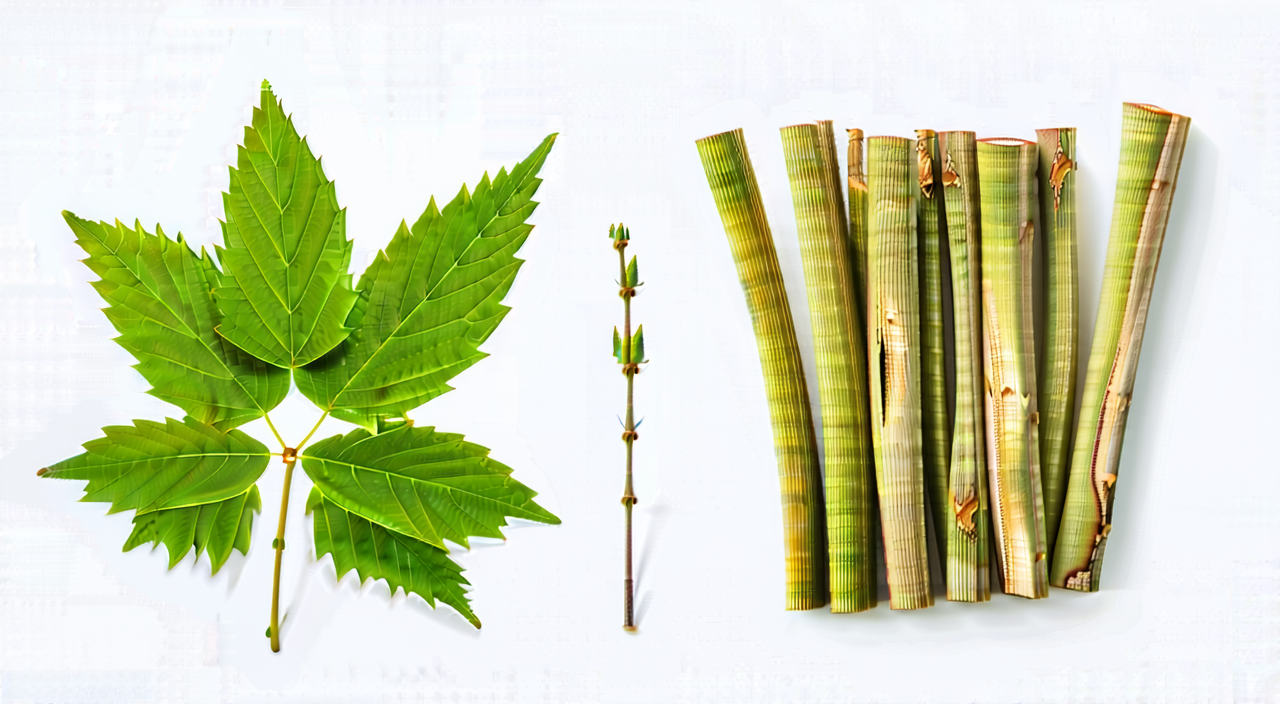
The medicinal part of perilla stem is the stem of the perilla plant, not its leaves or mature fruits. Traditional medicinal material is usually harvested in autumn, when the plant has reached a certain stage of growth. The above-ground stems are cut, cleaned of impurities, dried, and then cut into sections for use. Differences in production regions and processing methods may result in variations in the size, color, and dryness of the stem pieces.
Why Are the Stem, Leaf, and Seed Distinguished?
Perilla leaf is the leaf of the plant. It is relatively thin and usually shows leaf veins and a leaf stalk. Perilla seed is the mature fruit, consisting of small, nearly spherical or oval grains. Perilla stem is primarily found as square-shaped stem sections. Although all three come from the same plant, traditional Chinese medicine discusses their properties, meridian associations, and applications separately according to the part used. Therefore, when the name “perilla” appears, it is still necessary to confirm whether it refers to the leaf, stem, or seed.
In pharmacies, prepared-herb packaging, or cross-border purchasing channels, perilla stem may be sold as whole sections, short pieces, or slices. When checking the label, pay attention to the herb name, plant part, production region, batch number, storage requirements, and product instructions. Do not use perilla leaf or perilla seed as a direct substitute for perilla stem. For combinations with other herbs, dosage, and decoction methods, follow the advice of a qualified professional and the instructions for the specific product.
How Does Traditional Chinese Medicine Understand Perilla Stem?
Traditional Chinese medicine commonly understands perilla stem from the perspective of “regulating qi and relieving middle-jiao stagnation.” Here, “qi” is a concept within traditional Chinese medicine theory and does not correspond to any single measurement in modern medical testing. According to traditional usage, perilla stem is often discussed in formulas for patterns involving constrained qi in the chest and abdomen, epigastric or abdominal fullness, and related discomfort. This description is intended to explain the traditional positioning of the herb, not to diagnose a specific disease.
Perilla stem also appears in traditional formula approaches related to gastrointestinal discomfort, emotional changes, or disharmony of qi during pregnancy. Folk and classical texts may use terms such as “relieving pain” and “supporting pregnancy.” However, if abdominal pain, vaginal bleeding, persistent vomiting, pronounced dizziness, or other abnormal symptoms occur during pregnancy, obstetric problems should be ruled out first. The traditional term “supporting pregnancy” should not be used as the sole basis for self-administering an herb.
From a formulation perspective, perilla stem is generally not considered separately from a person’s constitution and symptoms. For people with qi deficiency, yin deficiency, a tendency toward internal heat, or those taking other medications, whether related formulas are appropriate should be assessed in light of the tongue and pulse, symptoms, pregnancy status, and complete medication history. Modern research may examine volatile compounds, phytochemicals, and pharmacological mechanisms, but experimental findings cannot be directly equated with effects in an individual and cannot replace clinical diagnosis.
What Is the Difference Between Perilla Stem, Perilla Leaf, and Agastache Stem?
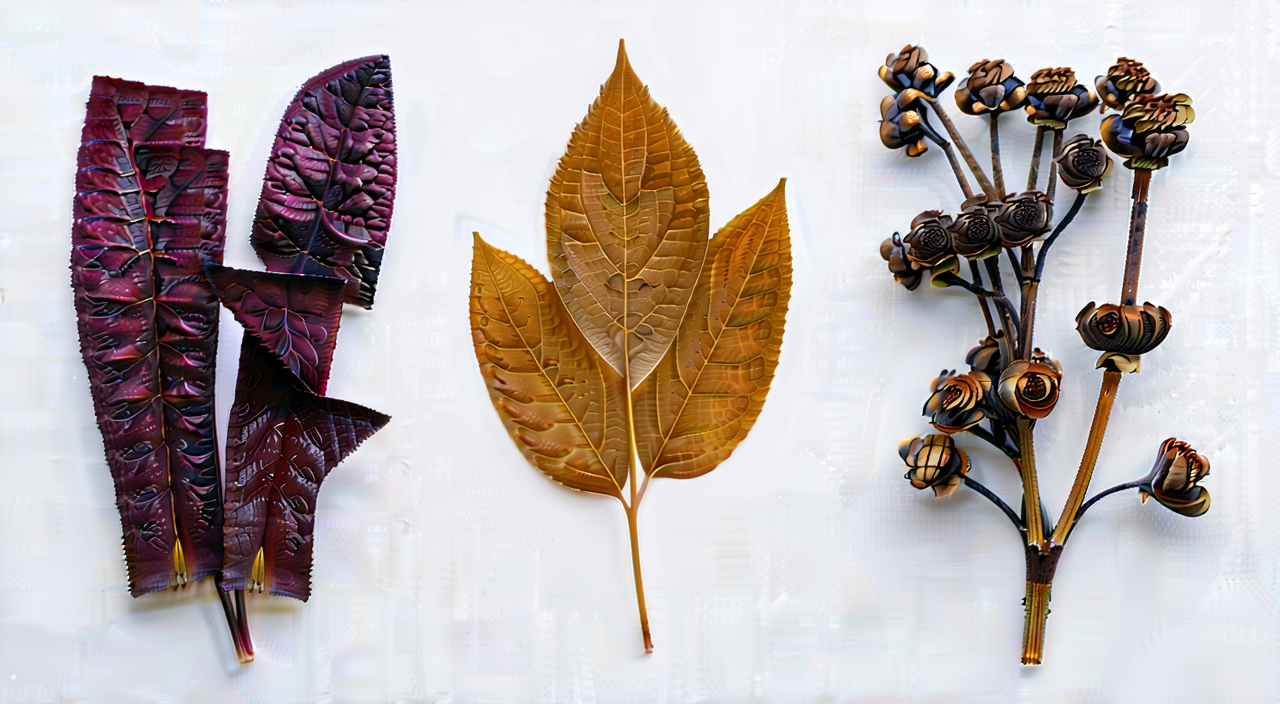
The first difference between perilla stem and perilla leaf is the medicinal part used. Perilla stem is the stem and is usually square-shaped, with longitudinal grooves, nodes, and pith. Perilla leaf is oval or broadly ovate, often with serrated edges, and its leaf veins can be seen after drying. Both may have the characteristic aromatic fragrance of perilla, but the surface and vein features are more prominent in the leaf, while the angles and cross-sectional structure are the main identification features of the stem.
Their traditional application directions also differ. Perilla leaf is commonly discussed in traditional approaches related to releasing the exterior and dispersing cold, regulating qi, and harmonizing the stomach. Perilla stem is more often understood in relation to regulating qi, relieving middle-jiao discomfort, relieving pain, and formula combinations traditionally associated with supporting pregnancy. Perilla seed is the fruit and is traditionally discussed in relation to directing qi downward, transforming phlegm, relieving cough, and easing wheezing. These are summaries of traditional Chinese medicine theory and usage experience and should not be used to replace pattern identification or medical diagnosis.
Agastache stem comes from the stem of agastache. Although it may also appear as a dried stem section, it should not be substituted simply because both are aromatic stems. The odor, stem color, cross-section, and traditional formulation applications of agastache stem may differ from those of perilla stem. In practice, identification should take into account the source of the herb, the prepared-herb label, its odor, and professional authentication. In particular, stems of unknown origin should not be used directly in herbal teas or decoctions.
Which Formulas Contain Perilla Stem?
Formulas containing perilla stem are commonly associated with traditional approaches to regulating qi, harmonizing the stomach, relieving middle-jiao discomfort, and addressing certain pregnancy-related discomforts. Different medical texts, schools of thought, and modifications may result in variations in formula names, ingredients, and dosages. The suitability of a formula for an individual cannot be determined from its name alone.
Su Geng Tang
“Su Geng Tang” can generally be understood as the name of a traditional formula containing perilla stem. Its exact ingredients, dosage, and indications should be based on the medical text, prescription from a medical institution, or instructions for a regulated product on which it is based. Different versions may combine perilla stem with ingredients such as dried tangerine peel, amomum fruit, pinellia, or other herbs traditionally used to regulate qi and harmonize the stomach. This does not mean the formula can be assembled independently. If use during pregnancy is being considered, consult a doctor or qualified traditional Chinese medicine practitioner first.
Su Geng Qi-Regulating Formulas and Qi-Regulating Pregnancy-Support Formulas
Su Geng qi-regulating formulas are often designed around traditional patterns involving fullness in the chest or abdomen, belching, nausea, or impaired movement of qi. Qi-regulating pregnancy-support formulas consider pregnancy-related discomfort within the context of overall pattern identification and the stage of pregnancy. These are not fixed, single formulas, and their suitability depends on a comprehensive assessment of the individual’s constitution, symptoms, pregnancy status, concurrent medications, and product instructions. People with severe, persistent, or recurrent symptoms should not purchase herbal teas for long-term self-treatment and should seek professional evaluation.
What Precautions Apply When Using Perilla Stem?
First, people with qi deficiency, yin deficiency, or a tendency toward dry mouth and throat, hot flashes, or fatigue should first determine whether their constitution may make use inappropriate. Second, pregnant people who experience abdominal pain, bleeding, regular contractions, persistent vomiting, abnormal fetal movement, or other concerning symptoms should promptly contact an obstetric provider or doctor. Perilla stem or related formulas should not be used as a form of self-treatment. Third, people taking prescription medications, trying to conceive, breastfeeding, or living with chronic diseases should proactively inform a qualified professional before use.
In addition, perilla stem should not be routinely used as a daily herbal tea for extended periods without professional guidance. The source, concentration, processing, and storage conditions of an herbal product can all affect its use. Herbs that have absorbed moisture, become moldy, developed an unusual odor, or have unclear labeling should not be used. If a rash, stomach discomfort, dizziness, palpitations, or another unusual reaction occurs after taking it, stop self-use and consult a qualified professional. Symptoms accompanied by marked anxiety, depression, chest tightness, abnormal breathing, severe abdominal pain, persistent vomiting, black stools, or unexplained weight loss also require timely medical attention.
Summary
Perilla stem is the dried stem of the perilla plant. Common features include square-shaped stem sections, longitudinal grooves, nodes, and relatively loose pith. It is a different medicinal part from perilla leaf, perilla seed, and agastache stem. Traditional Chinese medicine generally understands it in relation to regulating qi, relieving middle-jiao discomfort, relieving pain, and formula combinations associated with supporting pregnancy. The ingredients and applications of Su Geng Tang, Su Geng qi-regulating formulas, and qi-regulating pregnancy-support formulas may vary. This article is for educational reference only; actual use should be assessed according to individual circumstances, product instructions, and professional advice.