
TCM Perspective on Thinning Hair: Why Hair Becomes Finer and Sparse

Many people notice that their hair does not shed massively all of a sudden, but gradually becomes finer and softer, with volume seemingly decreasing year by year. This gradual change is easy to overlook, and by the time hair thinning becomes noticeable, it has often been going on for some time.
From a traditional Chinese medicine (TCM) perspective, the process of hair becoming thinner and less dense is often closely related to changes in the body’s essence and blood state. It is more like a result of slow accumulation, rather than a single scalp or follicle issue.
Hair Condition is Often Seen as a Mirror of Qi, Blood, and Kidney Essence

In TCM, there is a saying, “Hair is the surplus of blood,” meaning that hair growth and luster rely on the nourishment of blood. Here, “blood” is not just blood in the modern medical sense, but broadly refers to the functions of moistening and nourishing. When blood is abundant and circulation is smooth, surplus nutrients can ascend to the head, keeping hair healthy. If blood is deficient or circulation is poor, the hair lacks nourishment and easily becomes dry, brittle, fine, and even falls out.
Another important concept is “The kidney’s brilliance manifests in the hair.” TCM believes the kidneys store essence, essence produces marrow, and marrow can transform into blood, so the luster and thickness of hair are directly related to the abundance of kidney essence. Therefore, whether hair is shiny and strong has traditionally been seen as an external sign of kidney essence sufficiency. With aging or long-term excessive consumption, kidney essence gradually declines, which may manifest in hair as thinning, graying, or sparseness.
These are two important dimensions in TCM’s understanding of hair thinning: one is the nourishing function of blood, and the other is the supporting role of kidney essence. The two are interrelated, as essence and blood share the same source. Insufficient kidney essence often leads to blood deficiency, and long-term blood deficiency can also affect the production of kidney essence. Hair thinning and fineness are rarely caused by a single factor; often both essence and blood are in a relatively deficient state.
Common Internal Patterns That Lead to Thinner and Sparse Hair
The process of hair thinning usually does not occur overnight; it is related to constitutional tendencies, lifestyle habits, emotional state, and life stages. When TCM practitioners differentiate patterns, they do not look at the hair alone but classify based on the whole body’s condition. The following are some common directions for readers’ reference and understanding; they are not diagnostic criteria, and specific assessment still needs to be combined with individual circumstances.
Liver-Kidney Yin Deficiency: Essence and Blood Cannot Sufficiently Ascend
Liver-kidney yin deficiency is a common type underlying thinning and fine hair. The liver stores blood and the kidneys store essence, with essence and blood sharing the same source. If there is long-term staying up late, overwork, mental stress, or with age, the yin of the liver and kidneys gradually becomes depleted, leading to insufficient essence and blood. At this point, not only may hair become thinner and less dense, but the following manifestations often accompany:
- Dry scalp and increased dandruff
- Dry eyes, dry mouth and throat
- Soreness and weakness of the lower back and knees, light sleep
- Hot sensations in palms and soles
The tongue body being slightly red with a thin or reduced coating is also a common reference sign.
For this type, traditional regulation often considers methods of nourishing the liver and kidneys and replenishing essence and blood. Chinese patent medicines like Qibao Meiran Wan (Seven-Treasure Beard-Beautifying Pill) are traditionally used for premature graying and hair thinning caused by liver-kidney insufficiency. However, whether it is suitable still needs to be determined based on individual constitution and symptoms, reading the product instructions, and consulting a professional when necessary.
Qi and Blood Deficiency: Hair Roots Lack Nourishment
Qi and blood deficiency is often associated with irregular diet, excessive worrying, prolonged illness, or postpartum conditions. Qi propels and contains blood, while blood is the material basis for hair growth. When both qi and blood are insufficient, the body prioritizes supply to vital organs, and hair on the body surface is easily “sacrificed,” manifesting as:
- Hair is dry, yellowish, fine, easily shed, and overall hair volume is sparse
- Fatigue, sallow or pale complexion
- Pale lips and nails
- Easy sweating with minimal exertion
- Palpitations, forgetfulness, difficulty falling asleep
For this state, TCM often considers supplementing qi and nourishing blood. In diet, one can appropriately increase blood-nourishing foods such as red dates, longan, black sesame, pork liver, lean meat, etc., but also pay attention to the spleen and stomach’s digestive ability to avoid greasy and heavy foods that burden the stomach. Chinese patent medicines like Gui Pi Wan (Restore the Spleen Pill) are sometimes used in patterns of heart-spleen deficiency and qi-blood insufficiency, but similarly need to be judged based on specific presentations and product instructions.
Spleen-Stomach Weakness: Insufficient Transformation Source Leads to Malnourished Hair
The spleen and stomach are the foundation of postnatal health and the source of qi and blood production. If the spleen and stomach function is weak, food cannot be effectively transformed into qi and blood, so the nutritional source for hair becomes insufficient. In this type, alongside hair thinning, one often sees:
- Weak digestion, prone to bloating
- Loose or soft stools
- Sallow complexion
- Enlarged tongue with tooth marks on the edges
Those with high work stress, irregular eating habits, and frequent consumption of raw, cold, or greasy foods are more prone to this tendency.
The regulation direction is usually to strengthen the spleen and supplement qi first, laying a good foundation for generating qi and blood. One can appropriately add yam, poria, lotus seeds, coix seed, etc., to the diet to assist spleen and stomach transportation. Only when the spleen and stomach function improves and the source of qi and blood is sufficient can hair receive better nourishment. This process is often relatively slow and requires some patience.
Daily Care for Thinning Hair: From Diet to Scalp Massage
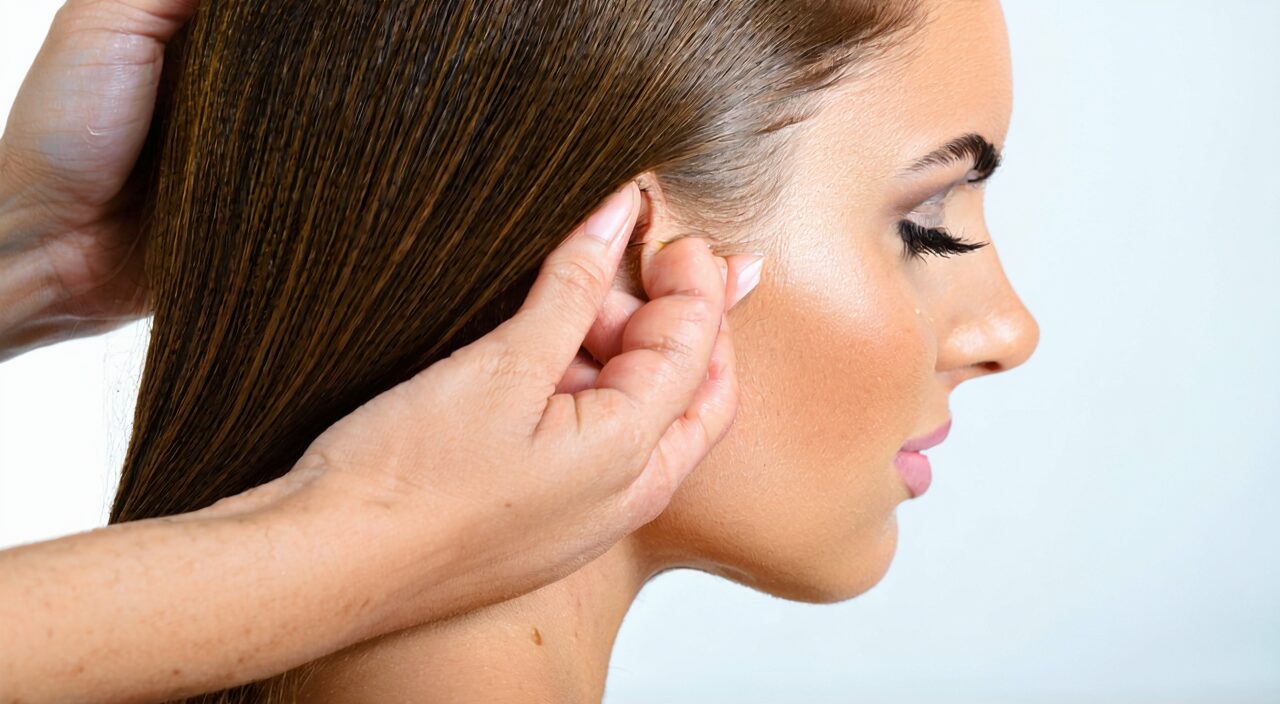
In TCM view, hair care is a systematic process; one cannot focus solely on the hair itself. Daily adjustments can be made gradually in terms of diet, rest, and external scalp care.
Dietary Nourishment: Emphasis on Long-Term Balance
Those with thinning hair can appropriately increase intake of foods traditionally believed to benefit essence and blood, such as:
- Black sesame
- Black beans
- Mulberry
- Walnuts
- Goji berries
However, note that these foods tend to be rich and cloying, and people with weak spleen and stomach should not consume large amounts. It is best to combine them with spleen-strengthening ingredients like yam and jujube, making them into black sesame paste, black bean soy milk, etc., which are easier to absorb and less likely to burden the stomach.
At the same time, intake of protein and quality fats is also important; eggs, fish, lean meat, etc., can be part of the daily diet. For those with qi and blood weakness, they can appropriately eat some animal liver, but not too frequently. Overall, diet emphasizes balance and moderation, and one should not blindly pursue any single “magic food.”
Scalp Massage to Promote Local Qi and Blood Circulation
Scalp massage is a commonly used method in traditional care. Every day, use the pads of your fingers (not nails) to gently comb from the front hairline backward or massage in circular motions for five to ten minutes, until the scalp feels slightly warm. This can promote local qi and blood circulation, allowing hair follicles to enjoy a better nutritional environment.
Massage can also be combined with wooden or horn combs, once in the morning and once in the evening. The comb teeth should not be too sharp, and the pressure should be gentle to avoid pulling the hair. Additionally, keeping the scalp clean is important; excessive oil accumulation can affect follicle respiration. Choose mild cleansing products and avoid washing hair with overly hot water, which may aggravate scalp dryness or stimulate oil secretion.
Rest and Emotions: Factors That Cannot Be Ignored
Chronic late nights are a common cause of draining liver-kidney yin essence; many people’s hair problems are closely related to insufficient sleep or poor sleep quality. Aim to fall asleep before 11 PM and ensure adequate sleep, which aids in restoring essence and blood.
Emotionally, long-term anxiety and excessive overthinking can deplete the heart and spleen, impairing qi and blood generation and negatively affecting hair. Appropriate relaxation exercises, such as deep breathing, walking, or tai chi, can help relieve mental stress.
How to Understand the Use of Traditional Chinese Patent Medicines for Thinning Hair
In traditional TCM practice, certain patent medicines are often used as supportive options for hair thinning, but this does not mean they are suitable for everyone. Each formula has its corresponding pattern, and individual constitution must be carefully differentiated before use.
- Qibao Meiran Wan (Seven-Treasure Beard-Beautifying Pill): Traditionally used for premature graying and hair thinning, lower back and leg soreness due to liver-kidney insufficiency. Its formula tends to replenish essence and blood, and may be a candidate for those with liver-kidney yin deficiency signs such as red tongue with thin coating, dry throat, dizziness, and lower back soreness. However, if there is spleen-stomach weakness with loose stools, or damp-heat constitution, it is not suitable.
- Liuwei Dihuang Wan (Six-Ingredient Rehmannia Pill): The basic formula for nourishing kidney yin, suitable for kidney yin deficiency causing lower back and knee soreness, tinnitus, night sweating, etc. It may also be a reference for dry and thinning hair due to kidney yin deficiency. However, note that Liuwei Dihuang Wan is more about nourishing yin, and should not be used on its own by those with yang deficiency or poor spleen-stomach function.
- Shouwu Wan (Fleeceflower Root Pill): Traditionally used for premature graying and hair loss due to liver-kidney depletion and essence-blood deficiency. He Shou Wu (fleeceflower root) is a commonly used herb in TCM for hair care. However, there is a major difference between processed (Zhi He Shou Wu) and raw He Shou Wu in terms of effectiveness and safety. Most finished products use processed He Shou Wu, but one must still pay attention to potential liver-related effects; especially, long-term high-dose use should be avoided. It is necessary to understand one’s own situation, read the label, and consult a professional when necessary.
The above patent medicines are only examples of traditional regulation directions and should never be regarded as “magic pills” that directly solve hair thinning. Everyone’s constitution, symptoms, and lifestyle differ; whether they are suitable requires comprehensive consideration of product instructions, individual differences, and professional advice. Do not take them for a long time on your own.
When to Seek Further Professional Consultation
Although hair thinning itself is mostly a gradual change, if the following occur, it is advisable to promptly consult a doctor or related professional to rule out other possible bodily issues:
- Sudden massive hair loss over a short period, patchy hair loss, or daily shedding far beyond normal range
- Accompanied by noticeable scalp redness, swelling, pain, rash, scaling, or other abnormalities
- Simultaneous significant weight changes, fatigue, sensitivity to cold or heat, severe menstrual irregularities, etc.
- Long-term severe insomnia, depressed mood, anxiety, along with hair changes
- Family history of autoimmune diseases, or currently taking medications that may affect hair
These situations may no longer be simple essence and blood deficiency and require more comprehensive examination and assessment.
Summary
Gradually thinning and finer hair often points to long-term changes in the body’s essence and blood state according to TCM theory, rather than an isolated surface issue. Although “Hair is the surplus of blood” and “The kidney’s brilliance manifests in the hair” are classic understandings, they also remind us that hair care should start from overall internal balance, not merely rely on external products or a single method.
Everyone’s constitution differs and may involve liver-kidney yin deficiency, qi and blood deficiency, spleen-stomach weakness, etc., so no single protocol suits all. Traditional patent medicines like Qibao Meiran Wan, Liuwei Dihuang Wan, Shouwu Wan can serve as windows to understand traditional regulation methods, but must be used cautiously, only after fully understanding one’s own constitution and product instructions, and following professional advice.
The nourishing of thinning hair is more reflected in daily diet, rest, emotional management, and consistent external scalp care. The process may be relatively long, and changes will not appear in just a few days. Maintaining patience and reasonable expectations while paying attention to other body signals is more important than simply pursuing rapid changes.