
Liver-Kidney Deficiency Hair Loss: TCM Care for Sore Lower Back, Weak Knees, and Premature Gray Hair

Hair loss is sometimes not just a scalp or follicle issue. Many people, while experiencing increased hair shedding, also often feel soreness and weakness in the lower back and knees, dizziness, tinnitus, memory decline, and may even notice a fair amount of white hair at a relatively young age. When these signs appear together, from the perspective of Traditional Chinese Medicine (TCM), they are often closely associated with the constitutional state of “liver-kidney deficiency.”
If you are experiencing such troubles, it may be helpful to understand some basic adjustment ideas from the perspective of the relationship between the liver, kidney, and hair. Of course, this does not mean all hair loss stems from liver-kidney issues; it’s just that when specific symptoms cluster together, it may become a direction worth paying attention to.
What Is the Relationship Between Hair and the Liver-Kidney System?
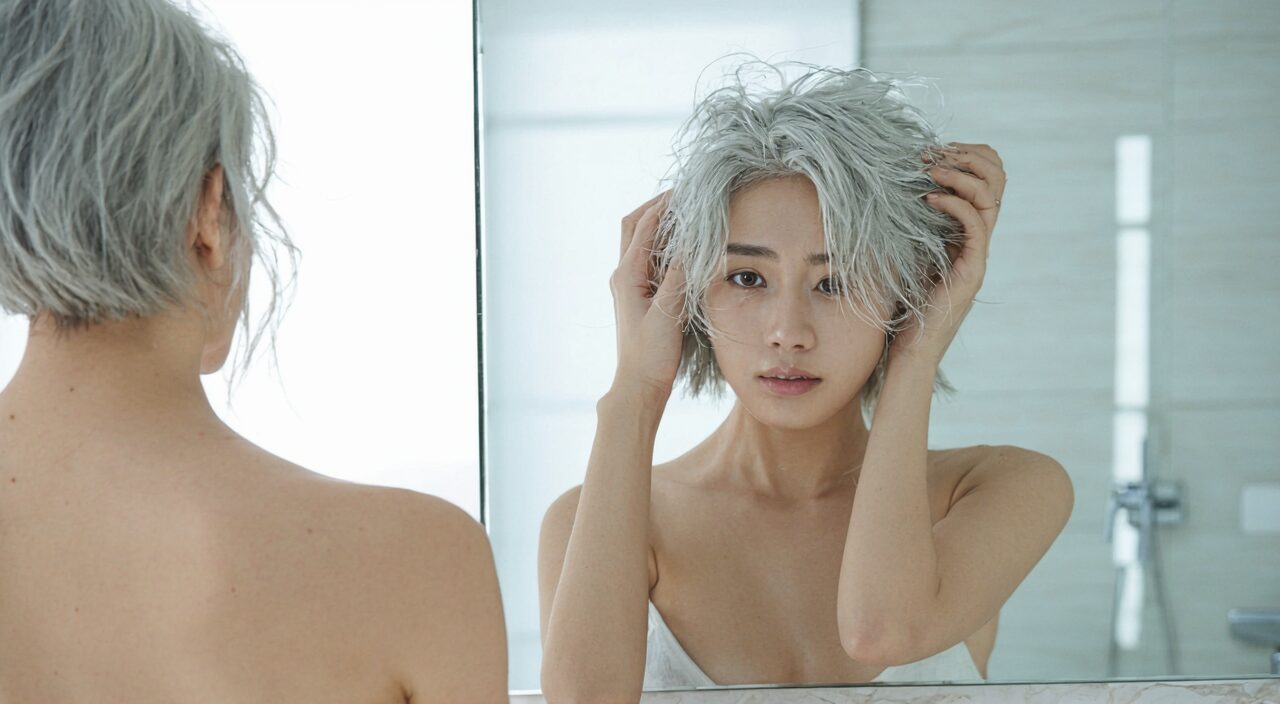
In TCM theory, the kidney is said to “manifest its flourishing in the hair,” meaning the strength or decline of kidney qi can be reflected to some extent through the hair.
The kidney stores essence (jing), which can generate blood. Hair is considered the surplus of blood, so its growth and luster depend on the nourishment of essence and blood. If kidney essence is abundant, hair is typically dark and thick; if kidney essence is deficient, hair may gradually become sparse, prematurely gray, or dry and brittle.
The liver, on the other hand, stores blood and governs the free flow of qi, regulating the distribution of qi and blood. When liver blood is abundant, the scalp and hair follicles receive sufficient blood nourishment, and the hair roots remain secure. If liver blood is insufficient or liver qi is stagnated, qi and blood cannot ascend to the head, depriving the hair of nutrients and making it prone to falling out.
The liver and kidney share the same origin, and essence and blood promote each other. Therefore, in managing hair loss, these two organs usually need to be considered together.
Thus, TCM often approaches this type of hair loss—accompanied by sore lower back and knees, premature graying—from the perspective of the liver and kidney. You can think of it as a signal from your body that essence and blood may be running low, and that it needs you to slow down consumption and provide proper nourishment.
Common Symptoms Accompanying Liver-Kidney Deficiency Hair Loss

Hair loss alone can have many causes, but hair loss due to liver-kidney deficiency often comes with a group of “companions.” These accompanying symptoms can serve as references for self-observation, but the final diagnosis still needs to be made by a TCM practitioner through observation, listening, inquiry, and pulse taking.
- Dry, brittle, and lusterless hair, gradually thinning or diffusely shedding, sometimes more noticeable on the crown and forehead
- Premature graying, with a significant amount of white hair even in one’s twenties or thirties
- Soreness and weakness of the lower back and knees, feeling unable to support oneself after standing or walking for a while
- Dizziness, blurred vision, and tinnitus, especially a cicada-like ringing in quiet environments
- Low energy, poor memory, and forgetfulness
- Light sleep, excessive dreaming, or difficulty falling asleep
- Fingernails that may become thin, brittle, or develop more vertical ridges
If many of these symptoms match your condition, the likelihood of liver-kidney deficiency is greater. It is important to note that liver-kidney deficiency can be further divided into two types: one biased toward yin deficiency and the other toward yang deficiency. Only by distinguishing them clearly can you avoid blindly supplementing.
Don’t Confuse Liver-Kidney Yin Deficiency with Kidney Yang Deficiency
Many people, upon feeling back soreness and hair loss, immediately think of “tonifying the kidney” and buy various supplements on their own. But if yin deficiency and yang deficiency are not distinguished, it may sometimes do more harm than good.
Below is a brief comparison of the common presentations of liver-kidney yin deficiency and kidney yang deficiency to help understand their directional differences:
| Comparison Dimension | Liver-Kidney Yin Deficiency (tendency to yin and blood insufficiency) | Kidney Yang Deficiency (tendency to yang qi insufficiency) |
|---|---|---|
| Sensation of Cold/Heat | Warm palms and soles, dry mouth and throat, night sweats, restlessness | Aversion to cold, cold limbs, cold pain in lower back and knees, listlessness |
| Tongue Appearance | Tongue body red with little coating | Pale, swollen tongue with teeth marks |
| Other Common Manifestations | Dry eyes, insomnia with vivid dreaming, dry stools | Clear and frequent nocturnal urination, easy fatigue, decreased libido |
If liver-kidney yin deficiency is dominant, the direction of care is to nourish yin and blood, and replenish kidney essence; cooler, moistening formulas or dietary therapies are more appropriate. If it is kidney yang deficiency, one needs to warm and tonify kidney yang, transform qi and promote water metabolism; the medicines used will tend to be warm and drying. These two directions are opposite in nature, and using the wrong one may aggravate symptoms. For example, if a person with yin deficiency takes large amounts of warming yang substances like deer antler or aconite, it may lead to dry mouth, heat symptoms, and worsening insomnia. Conversely, a person with yang deficiency who uses overly rich and cloying yin-nourishing medicines long-term may experience bloating and loss of appetite.
Therefore, the references to Chinese patent medicines below are mainly for liver-kidney yin deficiency or a pattern skewed toward yin deficiency. They are not suitable for those with clear yang deficiency constitution, a point that must be emphasized.
Different Age Groups Have Different Causes for Liver-Kidney Deficiency

Hair loss due to liver-kidney deficiency is not exclusive to the middle-aged and elderly. Different lifestyles and consumption patterns can cause younger people to enter this state early.
Middle-aged and elderly stage: As age increases, kidney essence naturally declines, which is a physiological trend. For men after age forty and women around perimenopause, the proportion of liver-kidney yin deficiency increases noticeably, and hair loss and graying gradually worsen. At this stage, care focuses on replenishing deficiencies and slowing down depletion, emphasizing mild and long-term nourishment.
Young adult stage: Liver-kidney deficiency between ages twenty and forty is often more related to excessive consumption. Long-term sleep deprivation, high-intensity mental work, psychological stress, frequent sexual activity or childbirth that depletes essence and blood, and irregular eating that impairs qi and blood production—all can prematurely drain kidney essence and liver blood. Some people develop thinning hair and early white hair after a few years of work, which may actually be the body’s signal of “overconsumption.” In such cases, adjusting lifestyle and reducing consumption is often more important than simply taking medication.
Postpartum Hair Loss and Its Intersection with Liver-Kidney Deficiency
Some women with postpartum hair loss also show clear signs of liver-kidney depletion. Pregnancy and childbirth themselves consume large amounts of maternal qi and blood; combined with nighttime feedings and insufficient sleep after delivery, kidney essence and liver blood easily fall to low levels. If this is accompanied by sore lower back, weak knees, dizziness, and tinnitus, appropriate nourishment of the liver and kidney during the postpartum recovery period may help hair regrowth. However, this should be chosen after evaluation by a professional, because postpartum constitution is still unique and some cases may also involve blood stasis or damp-heat.
TCM Approach: Nourishing the Liver and Kidney as the Core
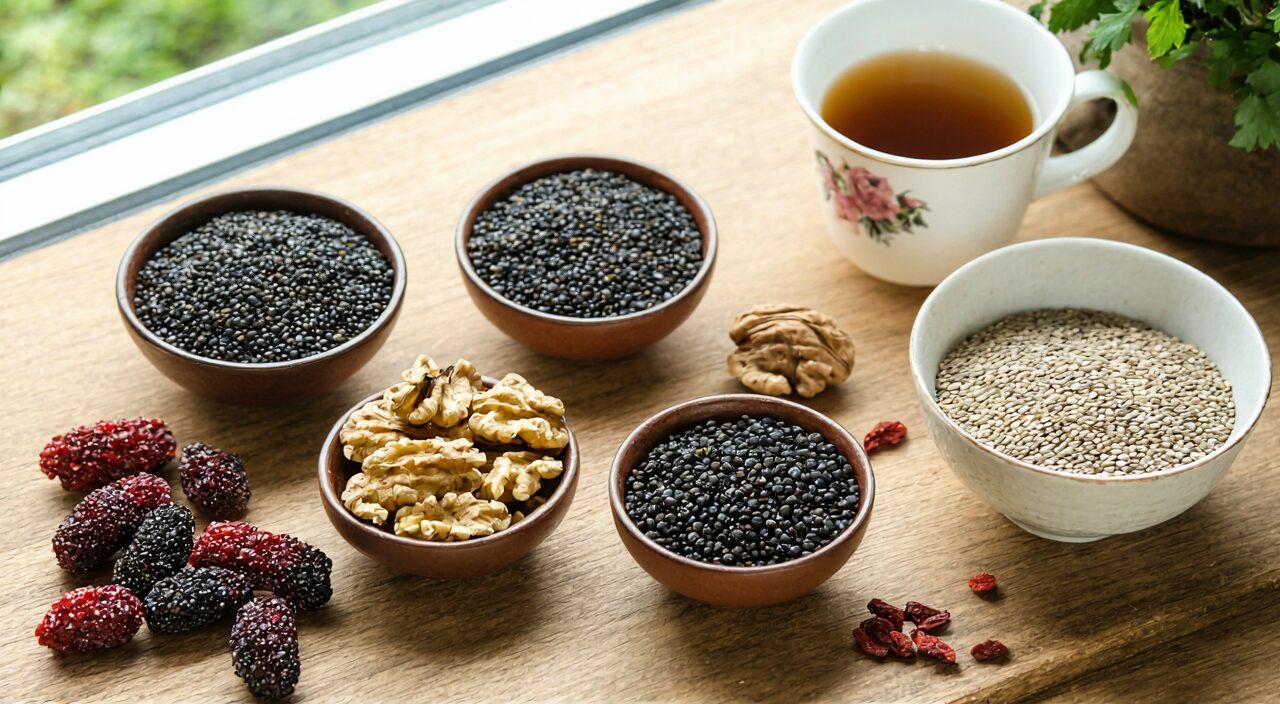
The care for liver-kidney deficiency hair loss is not simply about focusing on the hair, but about restoring the body’s reserves of essence and blood. The basic principles are to nourish the liver and kidney, replenish essence and marrow, and enrich blood to promote hair growth. This can be approached through the following coordinated aspects:
- Adjusting daily routines: As much as possible, ensure quality sleep, especially reaching deep sleep during the TCM-defined “zi hour” (11 p.m. to 1 a.m.), which helps liver blood to be stored and kidney essence to be generated. Long-term late nights quietly consume liver-kidney yin, which is often the primary cause of hair loss in younger people.
- Dietary cooperation: Foods like black sesame seeds, black beans, mulberries, goji berries, walnuts, black rice, and Chinese yam are relatively neutral in nature and are traditionally used to assist in nourishing the liver and kidney. They can be consumed in moderate amounts according to individual digestive capacity. However, if there is obvious dampness or phlegm-dampness obstructing the interior (e.g., thick, greasy tongue coating or sticky stools), overly rich and nourishing foods may hinder the spleen and stomach, affecting absorption. In such cases, it’s necessary to first regulate the spleen and stomach before taking tonics.
- Reducing consumption: Reduce prolonged eye use, excessive thinking, and frequent sexual activity. TCM considers that “prolonged staring injures blood” and “sexual overindulgence damages the kidney”—both are daily sources of consumption that are easily overlooked. For those with liver-kidney deficiency, appropriately resting the eyes and moderating sexual activity is also a form of care.
- Emotional regulation: Tension, anxiety, and stress can cause liver qi to stagnate, which can transform into fire and further scorch liver yin and kidney yin. Finding a suitable way to release emotions and maintaining a calm mindset has positive significance in preventing further depletion of the liver and kidney.
Understanding Several Traditional Chinese Patent Medicine Directions
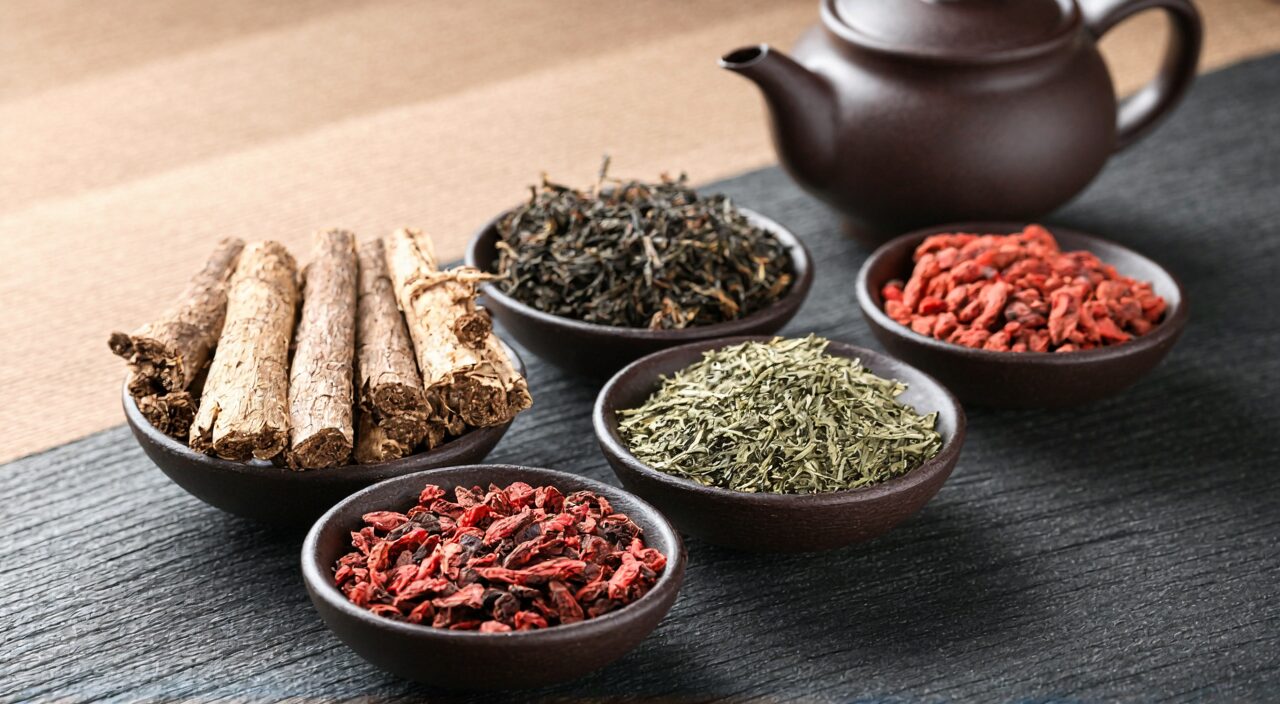
In TCM, there are some classical formulas traditionally used for liver-kidney deficiency, premature graying of the hair and beard, hair loss, and related issues. These formulas, accumulated through long-term knowledge, can serve as a window to understand TCM thinking. However, whether they are suitable needs to be determined by considering individual constitution and symptom differences, and by referring to product instructions or consulting a professional.
The following are three commonly mentioned directions, but they should not be regarded as “recommended drugs” and must be treated with caution:
Qibao Meiran Pill (Seven Treasures for Beautiful Hair Pill): This formula is traditionally used for premature graying, hair loss, and soreness of the lower back and knees due to liver-kidney deficiency. Its composition tends to replenish essence and blood, and it is suitable for those with predominant essence and blood depletion without obvious heat signs or internal dampness. If there is yin deficiency with heat or significant damp-heat, using it alone may be insufficient or need to be combined with other formulas, and there is a clear instruction to avoid greasy food.
Liuwei Dihuang Pill (Six-Ingredient Rehmannia Pill): This is a foundational formula that mainly nourishes kidney yin. It is commonly used for kidney yin depletion causing dizziness, tinnitus, sore lower back and knees, bone steaming, hot flashes, and night sweats. For hair loss or graying of the liver-kidney yin deficiency type (with deficiency heat), Liuwei Dihuang Pill may be one of the directions considered by a TCM practitioner. However, if it is yang deficiency or dampness obstructing the middle burner, it is not appropriate. It does not directly target hair loss but addresses the underlying kidney yin deficiency.
Shouwu Pill (Polygonum Multiflorum Pill): Containing Polygonum multiflorum (He Shou Wu), it is traditionally used to tonify the liver and kidney and darken gray hair. Special caution is needed: He Shou Wu carries a risk of drug-induced liver injury, especially with long-term or large-dose use. Therefore, any preparation containing He Shou Wu should not be taken on one’s own over a long period; it must be used short-term under a doctor’s guidance, and liver function may need to be monitored regularly. This is especially critical for those with a history of hepatitis or other liver disease risk. Do not overlook the potential risks for the sake of “darkening hair” or “promoting hair growth.”
These three formulas cover different emphases: simply replenishing essence and blood, focusing on nourishing yin, and darkening hair. Their common premise is that the user indeed belongs to the yin-blood deficiency side of liver-kidney deficiency. If complicated by phlegm-dampness, blood stasis, excessive fire, or yang deficiency, using them alone may not be effective and could even cause discomfort. Therefore, before considering a choice, a clear pattern differentiation is essential.
Precautions When Using Chinese Patent Medicines
- Differentiate the pattern before considering a formula: Do not judge solely on a single symptom. Ideally, a TCM practitioner should combine tongue and pulse diagnosis with overall presentations to confirm which type of liver-kidney deficiency you have, then determine the appropriate direction.
- Pay attention to the contraindications and precautions on the patent medicine instructions: Different preparations may have different excipients and administration requirements. For example, diabetic patients need to check whether it contains sugar. Those with spleen-stomach deficiency and cold may not tolerate the rich, cloying nature of certain yin-nourishing medicines.
- Avoid combining multiple similar products on your own: To speed up results, some may take Qibao Meiran Pill and Liuwei Dihuang Pill at the same time, which can lead to over-supplementation or gastrointestinal burden.
- Observe your body’s reactions: If you experience bloating, diarrhea, decreased appetite, dry mouth, or heat signs after taking a medicine, stop it promptly and reassess whether it matches your constitution.
- Liver risk of He Shou Wu: As mentioned, be especially careful with preparations containing He Shou Wu. Follow the doctor’s recommended duration and dosage, and never use it as a long-term daily supplement.
- Do not rush the treatment period: The growth cycle of hair follicles means that improvements in hair loss take time; typically, several months are needed to see initial changes. Nourishing the liver and kidney is a slow process; heavy supplementation in a short period often backfires.
Summary

From the TCM perspective, liver-kidney deficiency hair loss is an external manifestation of the body’s overall essence and blood state. When it appears together with sore lower back and knees, premature graying, dizziness, and tinnitus, it likely points not just to a scalp issue but serves as a signal to slow down and prioritize internal nourishment.
Distinguishing between yin deficiency and yang deficiency is key to avoiding blind treatment. Nourishing the liver and kidney and replenishing essence and blood are the core directions, but different Chinese patent medicines have different focuses. Before use, it is best to clarify your individual situation through professional diagnosis and be vigilant about the liver injury risk of ingredients such as He Shou Wu. Improving daily routines, diet, and reducing consumption are often more fundamental and lasting than relying solely on medication in these situations.
Ultimately, no health strategy should be applied without an accurate judgment of your individual constitution. If hair loss is severe or accompanied by other significant discomfort, it is advisable to seek professional medical help in a timely manner for systematic diagnosis and intervention. This article is for traditional knowledge education only and is not a treatment plan.